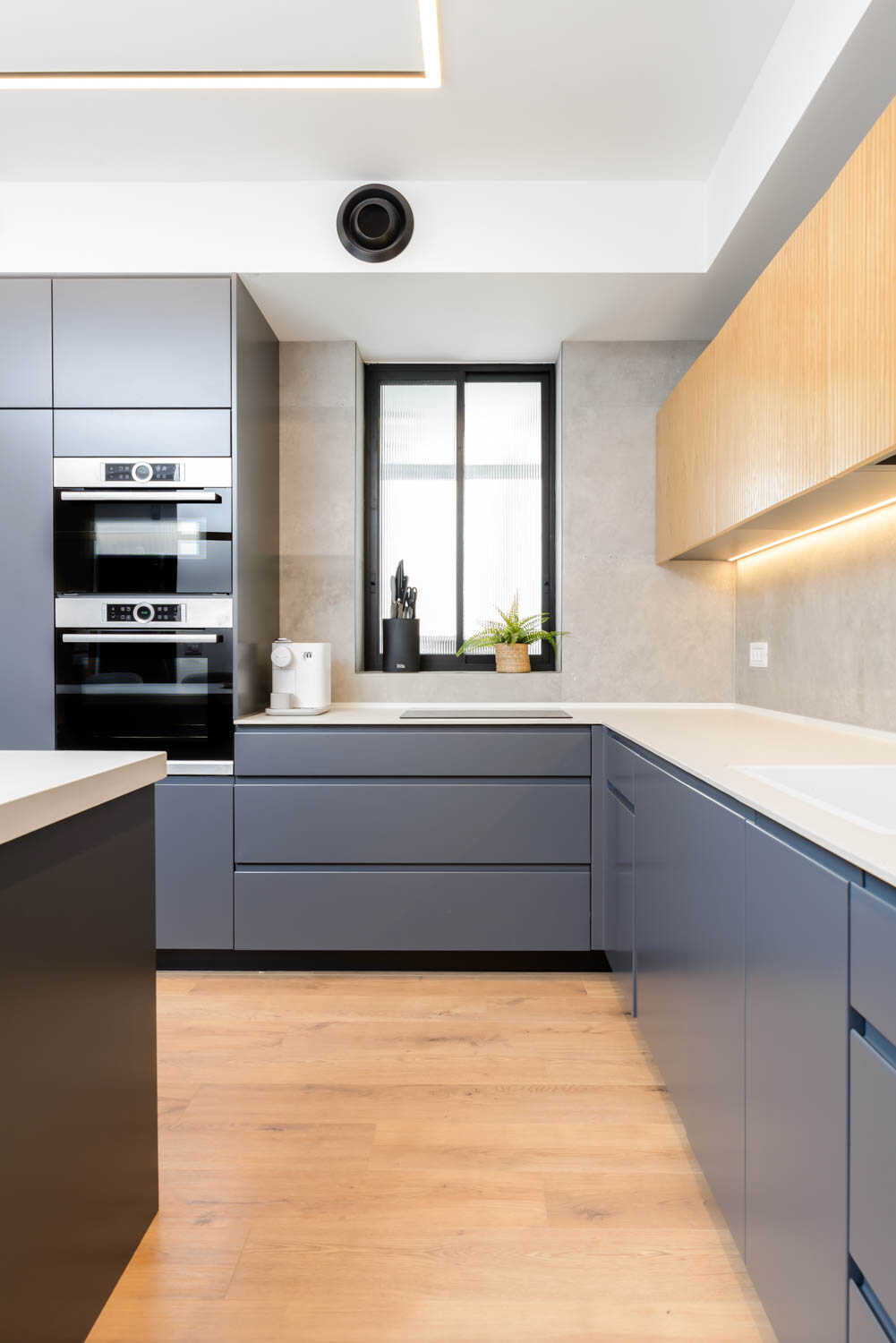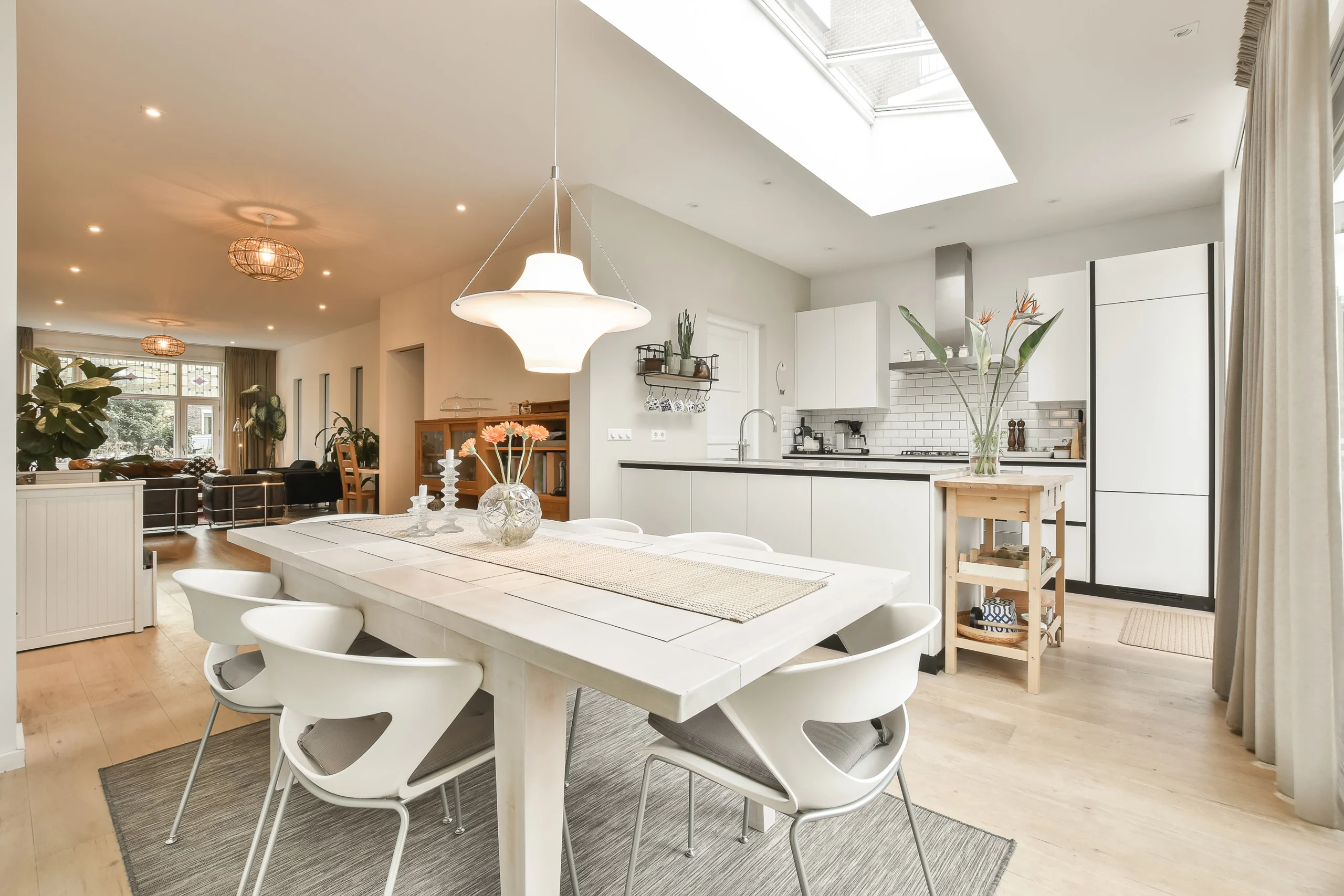

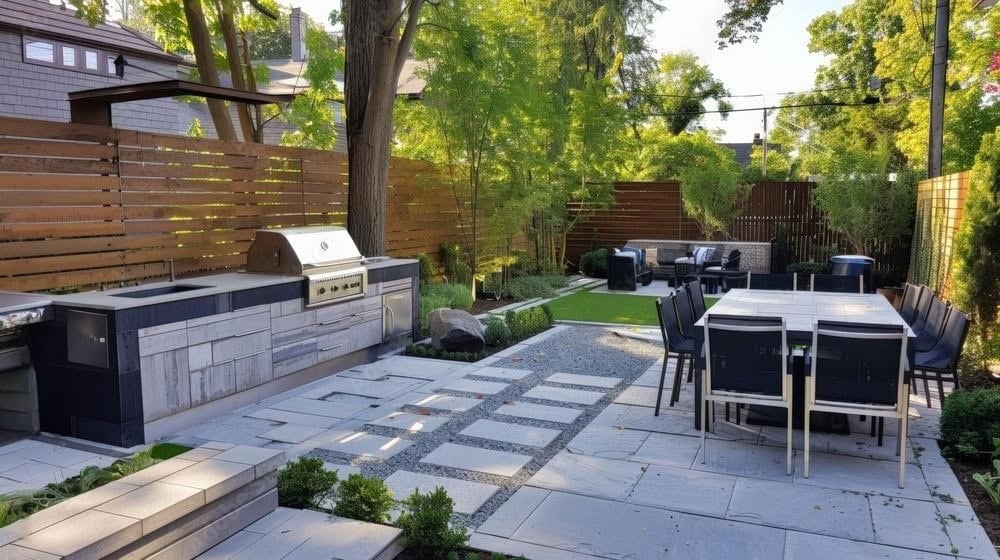
Ever stared at a wall in your house and thought, “You know, I could really use a sledgehammer right about now”? We get it. The urge to transform our living spaces hits us all, whether it’s a bathroom that’s stuck in a regrettable past decade or a kitchen layout that makes cooking feel like a competitive sport. But where do you even start? Do you call a bathroom remodeler, a general contractor, or just hope a handy YouTube tutorial will see you through? Spoiler alert: don’t bet on the YouTube tutorial.
Let’s talk about turning that renovation daydream into a stunning, stress-managed reality. We’re D&D Home Remodeling, and we’ve been navigating the wonderful chaos of home transformations right here in San Jose for years. We’ve learned a thing or two about what makes a project sing versus what makes it… well, let’s just say we’ve fixed a few “DIY specials” in our time.
Untangling the Contractor Lingo: Who Does What?
First things first, the world of home improvement titles can be more confusing than IKEA instructions. What’s the difference between a general remodeling expert and a renovation contractor? Honestly, often not much—it’s mostly semantics. But understanding the scope of what you need is key.
- A bathroom remodeler is a fantastic specialist if that’s your only project. They live and breathe tile, vanities, and waterproofing.
- A house remodeling contractor or general contractor is your orchestra conductor. They manage the entire project, from pulling permits to scheduling plumbers, electricians, and carpenters.
- For a full home remodel or adding square footage with home additions, you absolutely need that seasoned general contractor to steer the ship.
Think of it this way: you wouldn’t hire a cardiologist to set a broken leg. At D&D Home Remodeling, we’re your primary care physicians for your house. We handle everything from that single bathroom remodel to comprehensive full home remodel projects across Santa Clara, Campbell, and Milpitas. We coordinate the specialists so you don’t have to play project manager 24/7.
The Budget Talk: Let’s Demystify “Cost”
Alright, let’s address the elephant in the room: the price. It’s the part of the conversation everyone dreads. Why does home remodeling services seem to have such a wide, mysterious range? Is affordable remodeling even a thing, or is that just a mythical creature like a unicorn or a contractor who finishes early?
Here’s the real deal. The cost isn’t just about materials and labor. It’s about expertise, problem-solving, and insurance. It’s about knowing how to handle the “surprise” behind the shower wall before it becomes a five-figure disaster. An affordable project isn’t necessarily the cheapest bid; it’s the one that provides the best value and prevents costly do-overs.
We believe in radical transparency when it comes to price. That’s why we work with detailed plans and clear contracts. No guesswork, no shady “it’ll be about…” estimates. We want you to know exactly what you’re investing in, whether you’re near downtown San Jose or out in Morgan Hill.
The D&D Approach: More Than Just Hammers and Nails
So, what makes a process… not painful? IMO, it’s all about communication and a solid plan. We’ve seen projects go sideways when the client and contractor aren’t on the same page. Our method is pretty simple, but it works:
- Deep Dive Consultation: We don’t just measure your space; we listen to how you live in it. Want a kitchen that handles Sunday meal prep chaos? A bathroom that feels like a spa retreat? Tell us.
- Crystal-Clear Planning & Design: We translate your vision into detailed plans and 3D renderings. This is where you see your choices before a single wall comes down. It saves so many headaches later.
- Meticulous Execution: Our vetted crews show up on time, protect your home like it’s their own, and keep the site clean. We manage the timeline, the inspections, and the deliveries. You get daily updates, not radio silence.
- The Final Reveal (Our Favorite Part): Handing over the keys to a space that finally works for you is why we do this. No loose ends, no punch list that drags on for months.
This approach has helped us build a reputation as one of the best remodeling company options for folks throughout Silicon Valley, from Saratoga and Los Gatos to Sunnyvale and Cupertino.
Indoors vs. Outdoors: Where to Spend Your Renovation Mojo
Your budget and goals will point you in a direction. Let’s break down two major avenues.
The Interior Remodel: The Heart of the Home
This is where you get the biggest daily lifestyle payoff. Kitchens and bathrooms offer the highest return on investment, but don’t overlook opening up a closed floor plan or finally creating that home office you desperately need.
Exterior Remodeling & Additions: Expanding Your World
Feeling cramped? Exterior remodeling and home additions literally give you more room to breathe. This could be a second-story addition, a stunning new deck, or even a full exterior remodeling facelift with new siding and windows. It’s a bigger investment but transforms your home’s curb appeal and functionality.
Not sure which path is right? That’s what we’re here for. We can help you weigh the long-term value against your immediate needs and budget.
Your Silicon Valley Remodel: A Local’s Perspective
Remodeling in Fremont isn’t the same as remodeling in Campbell. Different cities have different permit processes, aesthetic vibes, and even common architectural styles. A general contractor who knows the lay of the land in Silicon Valley is a huge asset. We’re familiar with the permit offices from San Jose to Santa Clara, understand local zoning, and know which materials work best for our microclimates.
FYI, trying to navigate San Jose permits alone is a special kind of patience test. We handle all that paperwork for you 🙂
The Investment Breakdown: A Rough Guide
Let’s get practical. Here’s a basic table to give you a ballpark for common projects in our area. Remember, these are starting ranges—final cost depends on size, material choices, and project complexity.
| Project Type | Typical Scope | Average Investment Range (Silicon Valley) | Key Considerations |
|---|---|---|---|
| Mid-Range Bathroom Remodel | New vanity, tile, fixtures, lighting, paint. Layout stays same. | $25,000 – $45,000 | Waterproofing is non-negotiable. Tile choice greatly affects price. |
| Major Kitchen Remodel | New cabinets, countertops, appliances, flooring, lighting, island. | $75,000 – $125,000+ | The “hub of the home.” Layout efficiency and storage are paramount. |
| Room Addition | Adding a 20×20 family room or primary suite. | $150,000 – $300,000+ | Foundation work, roofing tie-ins, and HVAC extension are major cost drivers. |
| Whole-House Remodel | Comprehensive update of most interiors: kitchen, baths, floors, paint, etc. | $200,000+ | Phasing is possible. A general contractor is essential to coordinate the symphony of trades. |
| Exterior Remodel | New siding, windows, doors, and roofing. | $50,000 – $100,000+ | Improves curb appeal and energy efficiency. Material durability is key. |
Answers to the Questions You’re Definitely Asking
1. How long will my remodel actually take?
Honestly? Longer than you hope, but probably less time than you fear if it’s well-managed. A bathroom can take 4-8 weeks. A major kitchen or addition can take 3-6 months. The timeline depends on scope, material lead times (which can still be tricky), and the ever-unpredictable “discovery” phase once walls are open. We build buffer time into our schedules for exactly this reason.
2. Should I live in my house during the remodel?
For a small bathroom job, maybe. For a whole-kitchen or full home remodel, we strongly recommend finding alternate arrangements. The dust, noise, and lack of a functional kitchen or bathroom is a fast track to marital stress. Trust us on this one.
3. How do I choose the right contractor?
Look beyond the online portfolio. Check licenses and insurance (seriously, verify this). Read recent reviews. But most importantly, meet them. Do you communicate well? Do they listen, or just talk? You’re entering a months-long partnership—you need to like and trust them. When you talk to us at D&D, you’re talking to the owners who care about your project as much as you do.
4. What’s the first step?
Dream a little, then get organized. Browse Pinterest or Houzz, make a list of your must-haves vs. nice-to-haves, and set a realistic budget range. Then, call a few reputable contractors for consultations. The right fit will feel collaborative, not salesy.
So, ready to stop staring at that wall with sledgehammer fantasies and start building the home that actually works for you? We’re just a call away. Let’s have a coffee, walk through your space, and chat about what’s possible. At D&D Home Remodeling, we’re not just building rooms; we’re building the backdrop for your life here in the heart of Silicon Valley. Let’s make it awesome.
Related Articles
Bathrooms Got Bolder: Why We’re Obsessed With the Black Fixture Revolution
Accessible Design for Multi-Generational Homes | San Jose Home Remodeling
Shower Niche Solutions For Clutter-Free Baths
Bathroom Remodel San Jose: Transform Your Home into a Spa Oasis
Bathroom Remodeling Accessibility Features For Future-Proofing
People Also Ask
For a fixed shower head, the industry standard is to install it between 72 and 78 inches above the shower floor. This height accommodates most adults comfortably, ensuring the water stream hits the body rather than the face. For a handheld shower head, the optimal height for the main bracket is typically 72 inches, allowing easy access for all users. However, if you have taller family members, you may want to install it at 80 inches. Adjustable slide bars are an excellent solution for households with varying heights, as they allow each person to customize the spray position. At D&D Home Remodeling, we recommend considering the primary users' heights to ensure a comfortable and functional shower experience.
Yes, there are general guidelines for shower head height, though specific local codes can vary. The standard height for a fixed shower head is typically between 72 and 78 inches above the finished floor. For a handheld shower head, the mounting bracket is often placed around 48 to 60 inches high to allow for easy access and use by people of different heights. However, for homes focused on accessibility, these measurements may need adjustment. For more personalized advice on creating a safe and comfortable bathroom, you can refer to our detailed article Tips For Designing A Bathroom For Accessibility And Aging In Place. D&D Home Remodeling always recommends consulting with a licensed contractor to ensure your installation meets all applicable local codes in San Jose, Santa Clara, or Sunnyvale.
A 6-inch shower curb height is generally within industry standards, though it is on the higher end of the typical range. Most residential codes require a curb to be at least 2 inches above the finished drain, so 6 inches easily meets that requirement. However, this height can create a tripping hazard, especially for elderly individuals or those with mobility issues. For a safer alternative, many homeowners now prefer a curbless or low-profile shower design. If you are planning a bathroom update, our internal article titled Bathroom Remodeling: Frameless Glass Shower Enclosures provides excellent guidance on modern shower designs. For a standard curb, 4 to 5 inches is often recommended as a comfortable balance between containing water and ease of entry.
The standard height for a wall mounted shower head is typically 72 to 78 inches from the floor of the shower base. This range accommodates most adults comfortably, ensuring the water stream hits the body at an appropriate level. For taller individuals, you may consider raising the mount to 80 inches. When installing, it is important to account for the shower head arm's angle and the specific fixture's design. For a custom fit, D&D Home Remodeling recommends consulting with a professional to adjust the height based on the primary users of the shower, as personal preference and accessibility needs can vary. Always verify local plumbing codes in San Jose CA, Santa Clara CA, or Sunnyvale CA before finalizing placement.
The standard height for a shower head in centimeters is typically between 200 and 210 cm from the floor of the shower pan. This measurement is considered the industry norm for a fixed shower head, as it comfortably accommodates most adults without causing water to spray directly into their eyes. For a handheld shower head, the mounting bracket is often installed at a similar height, though the hose allows for flexible use. If you are planning a remodel, D&D Home Remodeling always recommends adjusting this height based on the tallest person in the household for optimal comfort. Local building codes in San Jose, CA, generally follow these standards, but it is wise to consult a professional for your specific installation.
For a person who is 6 feet tall, the standard shower head height should be set between 78 and 84 inches from the floor of the shower pan. This range ensures the water stream hits at or just below the top of the head, providing comfortable coverage without forcing you to duck. If you are installing a fixed shower head, aim for the higher end of this range, around 82 to 84 inches, to accommodate your full height. For a handheld model, the mounting bracket can be placed at 72 inches, allowing you to adjust the spray direction easily. D&D Home Remodeling recommends testing the height with a bucket or measuring tape before final installation to confirm the spray pattern feels natural for your frame. Proper placement prevents water from splashing out of the enclosure and ensures a more enjoyable shower experience.
The standard height for a shower head installation is typically between 1.8 and 2.1 meters from the floor of the shower base. This range accommodates the average adult height while ensuring the spray pattern is comfortable and effective. For a fixed shower head, 2.0 meters is a common and recommended height, as it allows most users to stand comfortably without hitting their head. For a handheld shower head, the mounting bracket is often placed at 1.8 meters to allow easy reach. When adjusting for taller individuals, increasing the height to 2.1 meters is acceptable. Always consider the specific needs of the household members. For professional installation advice tailored to your bathroom layout, you can consult with D&D Home Remodeling to ensure proper placement and compliance with local building codes in San Jose.