
Ever stared at your kitchen and felt a deep, profound urge to just… start swinging a sledgehammer? Or maybe you’ve dreamed of a spa-like bathroom for so long you can practically smell the eucalyptus steam. We get it. We’ve been there, both as homeowners and as the folks who get called in after a DIY project goes hilariously sideways. Let’s talk about turning that renovation daydream into a stunning, stress-free reality right here in Silicon Valley.
The Great Silicon Valley Remodeling Conundrum: Dream vs. Reality
We all love the idea of a renovation. The glossy magazines, the flawless Instagram reveals—it looks so simple, right? Then reality hits. You start thinking about permits, structural engineers, and the mind-boggling array of tile choices. Suddenly, that dream feels like a second job you didn’t apply for.
The biggest hurdle we see? Knowing where to even begin. Is this a quick refresh or a down-to-the-studs full home remodel? Understanding the scope is everything, and that’s where a good chat with a seasoned renovation contractor saves you months of headache. IMO, skipping this step is like trying to code a new app without a roadmap. It might work, but you’ll probably crash a lot.
Picking Your Project Path: What’s Actually Involved?
Not all remodels are created equal. The team, timeline, and cost vary wildly depending on what you’re tackling. Let’s break down the usual suspects you’ll encounter in San Jose and its surrounding towns.
The Surgical Strike: Bathroom & Kitchen Updates
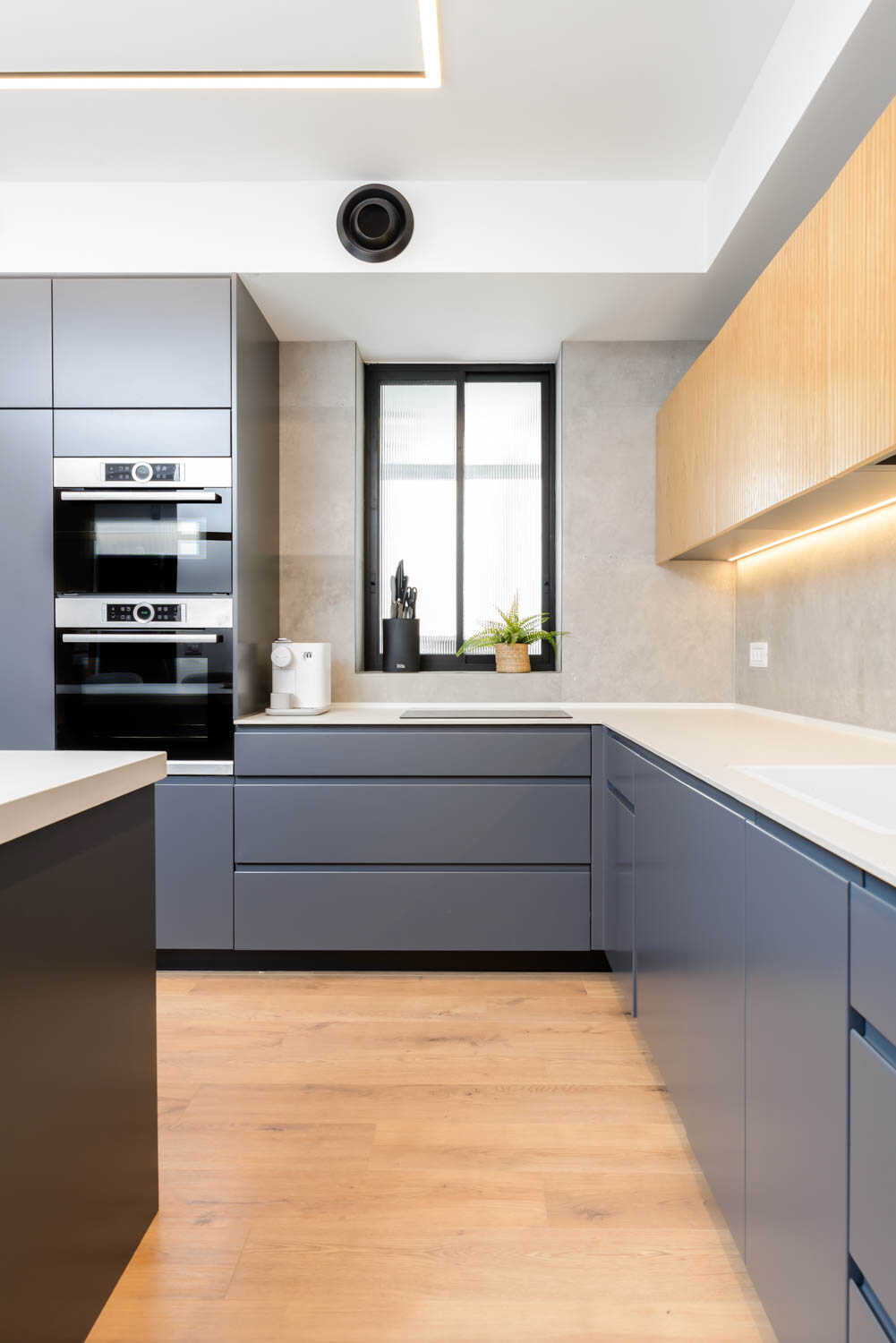
These are the most popular for a reason. They’re high-impact, manageable in scale, and offer a fantastic return on investment. A skilled bathroom remodeler doesn’t just move pipes; they solves spatial puzzles to give you that luxurious feel, even in a standard-sized Santa Clara condo.
- Typical Players: Specialty remodelers (cabinet, tile), plumber, electrician.
- Pro Tip: Don’t just pick the prettiest vanity. Think about daily flow. Where does the wet towel go? Is there enough counter space while someone’s at the sink?
The Whole-House Transformation
This is the major league. A full home remodel often involves opening floor plans, updating electrical and plumbing systems, and sometimes even home additions. You need a house remodeling contractor who acts as the conductor for a very complex orchestra.
- Typical Players: General contractor, architect, designer, multiple trade specialists.
- Why a GC is Key: Your general contractor in Campbell or Cupertino isn’t just a manager; they’re your translator, advocate, and problem-solver. They handle the million tiny details so you don’t have to.
The Curb Appeal Game-Changer: Exterior Work
Exterior remodeling isn’t just about looks (though, let’s be honest, it’s mostly about looks :)). It’s about protection. New siding, windows, or a roof defends your biggest investment from our quirky Bay Area weather.
- Typical Players: Siding specialists, window installers, roofing crews, landscapers.
- Funny How: Nothing makes neighbors suddenly interested in your life like a dumpster in the driveway and the sound of nail guns.
The “How Much?” Question: Demystifying Silicon Valley Remodeling Costs
Let’s cut to the chase. Everyone wants amazing, affordable home remodeling services. But “affordable” in Los Gatos means something different than in Morgan Hill. It’s less about finding the cheapest price and more about maximizing value and avoiding costly redos.
A good contractor will provide a detailed breakdown. Be wary of a single, round-number estimate. Transparency is everything. Here’s a super basic, high-level look at how project scope influences budget. Remember, these are starting points and vary dramatically with material choices and home age.
| Project Type | Typical Scope | Key Cost Drivers | Why It Varies |
|---|---|---|---|
| Bathroom Remodel | Fixture, tile, vanity, lighting replacement. | Tile quality, custom cabinetry, moving plumbing. | A Milpitas home from the 80s may have outdated plumbing needing full replacement. |
| Kitchen Remodel | Cabinets, countertops, appliances, flooring. | Appliance tier, stone vs. quartz, layout changes. | Electrical upgrades for modern appliances are a common “hidden” factor. |
| Room Addition | Adding new square footage. | Foundation work, roofing, tying into existing systems. | Saratoga hillside lot? That foundation work gets complex (and pricey) fast. |
| Whole-House Update | Cosmetic updates throughout: paint, floors, lighting. | Square footage, floor material, number of light fixtures. | Seems simple, but scaling across a large Sunnyvale home adds up quickly. |
The Golden Rule: Always, always set aside a contingency fund of 10-20% of your total budget. You never know what’s behind those walls. Finding a junction box where there shouldn’t be one is a rite of passage for Silicon Valley remodels.
Why Your Choice of Contractor Makes or Breaks Everything
You can have the perfect vision and a generous budget, but with the wrong team, it’s a one-way ticket to frustration town. So, how do you find the best remodeling company for you?
Look for the Trifecta:
- Communication: Do they listen, or just sell? You want a partner, not a dictator.
- Process: How do they handle permits? What’s their change order process? Chaos is not a plan.
- Proof: Robust portfolios and verifiable references are non-negotiable. Any reputable general remodeling firm in Fremont or San Jose will have these ready.
This is where we humbly toot our own horn. At D&D Home Remodeling in San Jose, we built our business on this trifecta. We’ve navigated the permit offices from Santa Clara to Morgan Hill, and we know that a successful project is 50% craftsmanship and 50% clear, constant communication. We treat your home like it’s our own—because in a way, it is while we’re working on it.
Your Roadmap to a (Mostly) Stress-Free Renovation
Okay, you’re armed with knowledge. What’s the actual playbook?
- Dream & Research: Collect ideas. Be realistic about what fits your space and budget.
- Budget Honestly: Get real with numbers. Include contingency. FYI, financing options exist beyond just savings.
- Interview 3-5 Contractors: Yes, really. Compare their understanding, their bids, and your gut feeling.
- Plan in Excruciating Detail: Finalize selections before the hammer swings. Delays in choosing a faucet can hold up the entire wall.
- Communicate Relentlessly: Weekly check-ins with your general contractor are your best friend.
Silicon Valley Specifics: What Makes Us Different?
Remodeling here isn’t like other places. We’re dealing with:
- Strict Permit Processes: Cities like Cupertino and Palo Alto have their own rulebooks. An experienced local renovation contractor knows this dance.
- High Home Values: This raises the stakes. Your investment needs to enhance value, not detract from it.
- Diverse Architectural Styles: From Saratoga ranches to Campbell bungalows, context matters.
A company like ours, embedded in San Jose, lives and breathes these nuances every single day. We’re not just building; we’re integrating modern comfort into the unique fabric of Bay Area homes.
Answers to the Questions We Hear Every Single Day
Q1: How long will my remodel actually take?
A: Always longer than the HGTV episode. A bathroom can be 4-8 weeks. A major addition? 4-6 months. A great contractor gives you a detailed timeline and communicates delays immediately. Weather, material shortages, and unforeseen structural issues are the usual culprits.
Q2: Should I just manage the subcontractors myself to save money?
A: Unless you have a background in construction management and a lot of free time, we don’t recommend it. The price of stress, scheduling nightmares, and potential liability is high. Your general contractor’s fee is for coordination, expertise, and assuming the risk.
Q3: How disruptive is a remodel really?
A: It’s disruptive. There’s dust, noise, and people in your space. But a professional team minimizes this. We contain dust, maintain a clean worksite, and stick to agreed-upon working hours. For a full home remodel, many families plan a temporary move.
Q4: How do I ensure I don’t overspend?
A: Start with a firm, realistic budget. Get a detailed, fixed-price contract (not an estimate!). Make your material selections early and stick to them. That’s where D&D Home Remodeling adds real value—we guide you through these choices to keep your project on track financially.
So, is it worth it? Absolutely. Walking into a space that finally, perfectly works for your life is a feeling that never gets old. It’s not just about new countertops; it’s about creating the backdrop for your life’s best moments. The key is partnering with a team that sees your vision, understands the near-by challenges, and has the skill to bridge that gap.
If you’re in San Jose, Silicon Valley, or any of our wonderful surrounding communities and those daydreams are getting louder, let’s have a real conversation. At D&D Home Remodeling, we’re here to translate those dreams into a beautifully built reality, without the horror stories. Your perfect home is waiting—let’s figure out how to build it together.
Related Articles
Reviews
Bathroom Remodeling Services in Mountain View, CA
Small Space Solutions: Bathroom Remodeler Tips For Condos
Luxury Bathroom Remodeling on a San Jose Budget: Your Guide to High-End Style Without Overspending
Shower Niche Solutions For Clutter-Free Baths
People Also Ask
A frameless shower door offers a sleek, modern look, but it does have some disadvantages. The primary drawback is the higher cost compared to framed or semi-frameless options. The thick, tempered glass and heavy-duty hinges required for structural integrity are more expensive to manufacture and install. Additionally, frameless doors rely entirely on the precision of the installation; any slight error can lead to leaks. They also require a perfectly level floor and wall, which is not always present in older homes. Without a frame to hide the edges, water can more easily escape if the seal is not perfect. Finally, the heavy glass can be a safety concern if not properly supported, and cleaning the exposed glass requires more frequent attention to avoid water spots and soap scum buildup.
The cost of a frameless glass shower enclosure typically ranges from $1,200 to $4,500, depending on glass thickness, hardware quality, and custom sizing. For a standard 3/8-inch or 1/2-inch tempered glass setup in a tub or alcove, you might pay $1,500 to $2,500. Custom designs with heavy-duty hinges, clear or textured glass, and specialized coatings can push prices higher. Professional installation is strongly recommended to ensure proper sealing and safety. For a detailed breakdown of how these costs fit into your overall project, we suggest reviewing our internal article titled Setting A Reasonable Budget For Your Bay Area Home Remodel. D&D Home Remodeling can help you evaluate options that match your bathroom layout and budget.
Hotels maintain clean shower glass through a combination of daily maintenance and professional products. They typically use a squeegee after every shower to prevent hard water spots and soap scum from drying on the surface. A mixture of distilled white vinegar and water is a common, effective cleaner for removing mineral deposits. Many hotels also apply a protective sealant or a water-repellent coating to the glass, which causes water to bead up and roll off, reducing residue buildup. For a similar result in your home, consistent wiping and using a dedicated glass cleaner will help. For professional installation and advice on maintaining your shower glass, D&D Home Remodeling can provide guidance on the best products and techniques for your specific setup.
Home Depot typically charges between $500 and $1,200 for installation of a frameless shower door, with the total cost depending on the door size, glass thickness, and hardware complexity. This fee is separate from the door purchase price. However, for homeowners in San Jose, Santa Clara, or Sunnyvale, a big box store may not offer the precision fit that a custom contractor provides. For a seamless installation that avoids common issues like water leaks or misaligned hinges, D&D Home Remodeling recommends consulting a local specialist who can measure your specific shower opening and recommend the best tempered glass and hardware for your bathroom.
A half wall for a shower glass panel, often called a knee wall, is a popular design choice for creating a defined wet area without a full enclosure. The glass panel is typically mounted on top of the half wall, which is usually tiled to match the shower floor or bathroom walls. This setup allows for an open, airy feel while still providing splash protection. For a secure installation, the half wall must be properly waterproofed and built to support the weight of the glass. The glass itself should be tempered safety glass, at least 3/8 inch thick, and anchored with a sturdy clamp or channel system. Professional installation is key to ensure the wall is level and the glass is sealed correctly to prevent leaks.
For homeowners in San Jose, Santa Clara, and Sunnyvale seeking frameless glass shower doors, the key is to choose tempered safety glass at least 3/8 inch thick for durability. A professional measurement is critical, as even a quarter-inch error can cause leaks. We recommend hiring a licensed installer who uses heavy-duty hinges and clear silicone seals. For those working with limited square footage, our internal article titled Small Space Solutions: Bathroom Remodeler Tips For Condos offers specific guidance on maximizing space with a seamless glass enclosure. D&D Home Remodeling always advises verifying that the glass meets local building codes for safety and that the installation includes a proper slope for drainage.
For a 3 sided frameless glass shower enclosure, the key considerations are safety and structural integrity. Each panel must be made from tempered safety glass, typically 3/8 inch or 1/2 inch thick. The two side panels are fixed to the wall with heavy duty hinges or channel supports, while the front panel acts as a door. Proper water sealing is critical; use continuous silicone seals at all glass-to-wall and glass-to-tile junctions. Ensure the door swings outward or is a pivot design to prevent water from escaping. Professional installation is strongly recommended to guarantee the glass is level and the hinges are load rated. This design creates a clean, modern look that is easy to clean, but it requires precise measurements and a perfectly plumbed opening.