


My wife and I hired D&D Home Remodeling for our kitchen remodel, and we’re really happy with how it turned out.
We wanted a kitchen that felt more open and had better storage, and the team helped us figure out a layout that made sense for how we actually use the space.
Mariana, our designer, helped us choose the cabinets, countertops, and finishes without making the whole process feel overwhelming.
There are a lot more decisions involved than we expected! Ilya, our project manager, was easy to talk to and took the time to answer our questions along the way.
The kitchen feels bigger, it’s easier to cook in, and it finally feels like our home.
Glad we went with D&D.


We finished a complete remodeling with D&D home remodeling
We did the kitchen & bathroom and the fire place
We had a great experience with Dan Terrance and the team
We liked to work with the designer Mariana and she helped us with that process and we are static with the results!

We needed a rental ADU built in Sunnyvale to generate extra income before our second child arrived. D&D handled the permits, kept the fixed bid, and finished the construction in four months flat. The unit was rented out within a week of completion. You will not find a more reliable builder in the area.

We needed a rental ADU built in Sunnyvale to generate extra income before our second child arrived. D&D handled the permits, kept the fixed bid, and finished the construction in four months flat. The unit was rented out within a week of completion. You will not find a more reliable builder in the area.

Dan, Joseph, and Ilay did a great job with our bathroom remodel. They were very responsive through the whole process and helped us with everything from the initial design, materials selection all the way through the final finishing details. Their work quality is excellent and our bathroom turned out just how we dreamed it! We highly recommend them and will be doing more projects with their team in the future.

After discovering water damage under our shower in Santa Clara, we needed an immediate bathroom overhaul. D&D pulled the emergency permits, swapped out the tile and vanity, and got our shower back online in less than two weeks. Total lifesaver when you only have one main bath.
Dan, Joseph, and Ilay, did a great job with our bathroom remodel. They were very responsive through the whole process and helped us with everything from the initial design, materials selection all the way through the final finishing details. Their work quality is excellent and our bathroom turned out just how we dreamed it! We highly recommend them and will be doing more projects with their team in the future.

As empty nesters, my husband and I felt ready to upgrade our master bedroom suite, which includes our bedroom, bathroom, and walk-in closet, but after talking to many friends who underwent home remodeling, they described their contractors as people who over promised and under delivered, so we were nervous to commit to this project. After interviewing 5 different contractors, we instantly felt a connection with Dan. His genuine demeanor, work ethic, customer reviews, and construction knowledge caused us to trust him with our vision. He worked with our budget, and he listened to our concerns. But D & D Home Remodeling doesn't end with Dan. As the project manager, Ilay helped with permits, scheduling, and communication. The demolition, tile, and building crews were amazing! Not only were they punctual and cleaned up at the end of their shifts, their workmanship was precise and thoughtful. Shout outs have to go to Terrance, Ricky, and Dante! This crew built my dream master bedroom suite, and it's beautiful! My husband and I felt comfortable asking them questions, and they fixed anything we were concerned about. These guys are top notch, and I was excited with their quick project progress every day. I'm grateful to the designer, Alexandra. Shopping for materials with her was like having an outing with a long-time friend. I will be referring D & D Home Remodeling to everyone who needs construction services in the Bay Area. Thank you D & D Home Remodeling for enhancing our home.

I was very pleased with D & D Home Remodeling. They were very professional and kept me informed in the step by step process. Their prices were competitive with other bids we entertained and they helped us keep within our budget.
Shout out to Dan, Ilay, Mario, Carlos and the rest. Love my new bathroom!
I was very pleased with D & D Home Remodeling. They were very professional and kept me informed in the step by step process. Their prices were competitive with other bids we entertained and they helped us keep within our budget.
Shout out to Dan, Ilay, Mario, Carlos and the rest. Love my new bathroom!



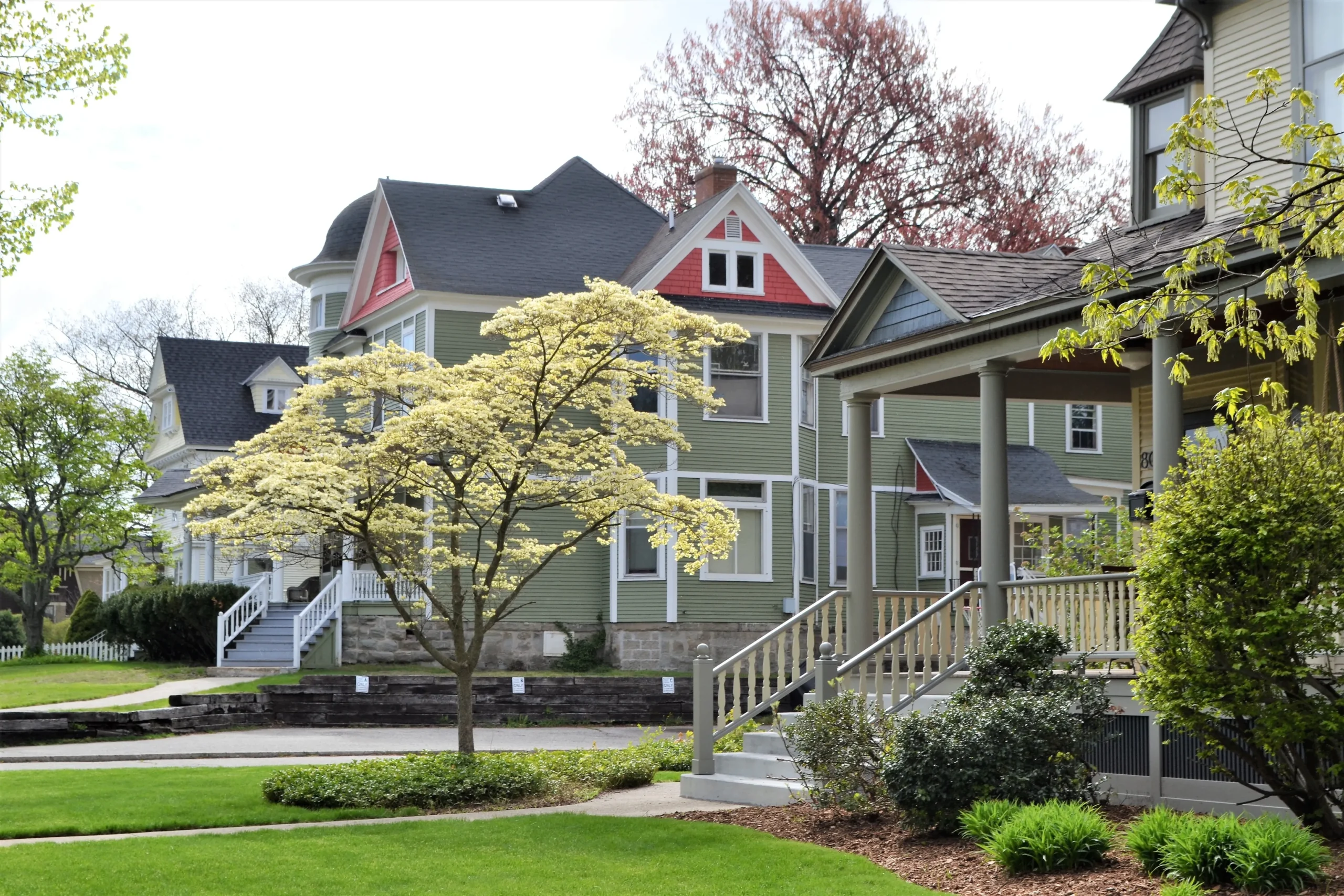

Related Articles
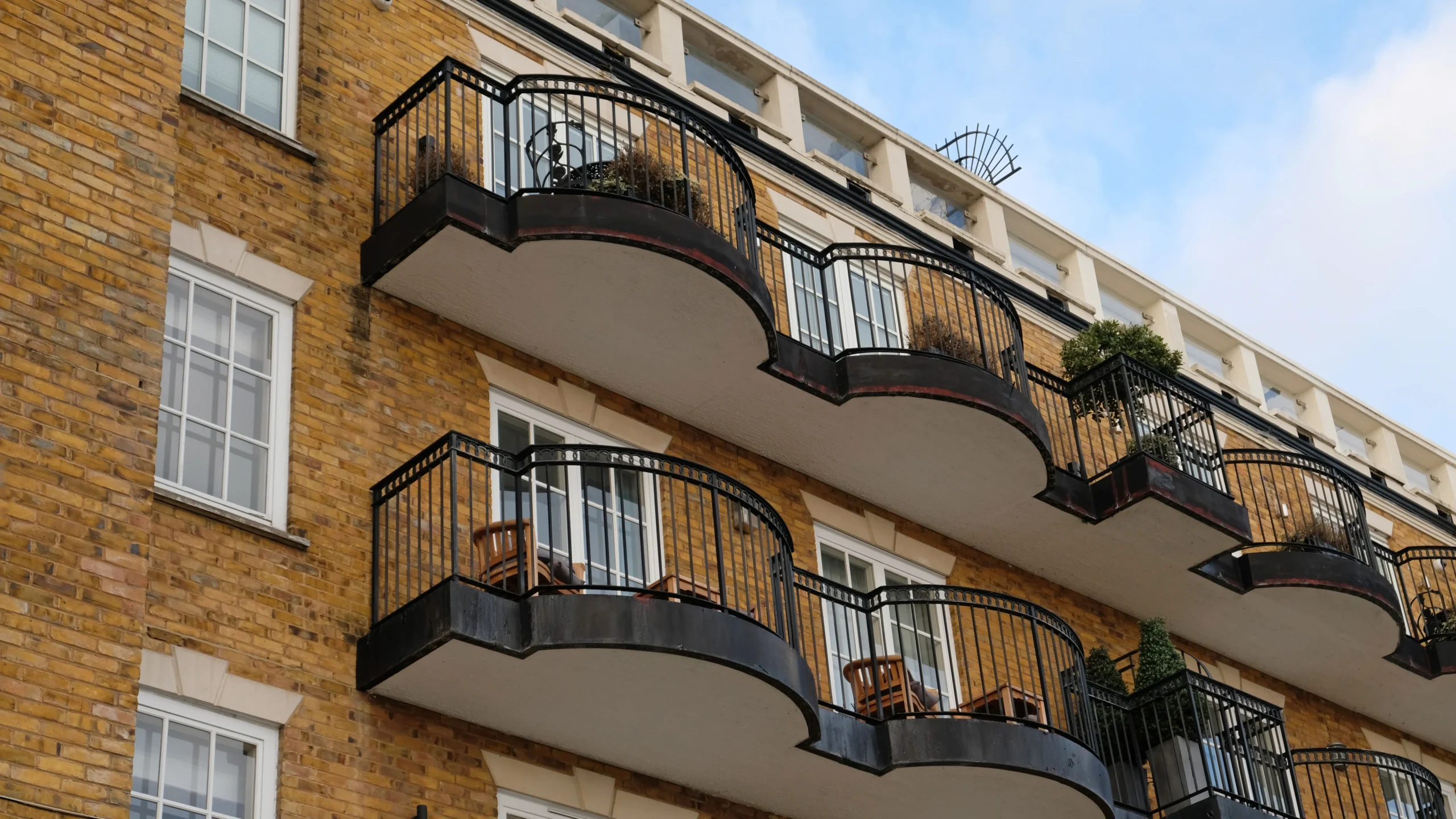
Examining Real-World Design-Build Project Examples
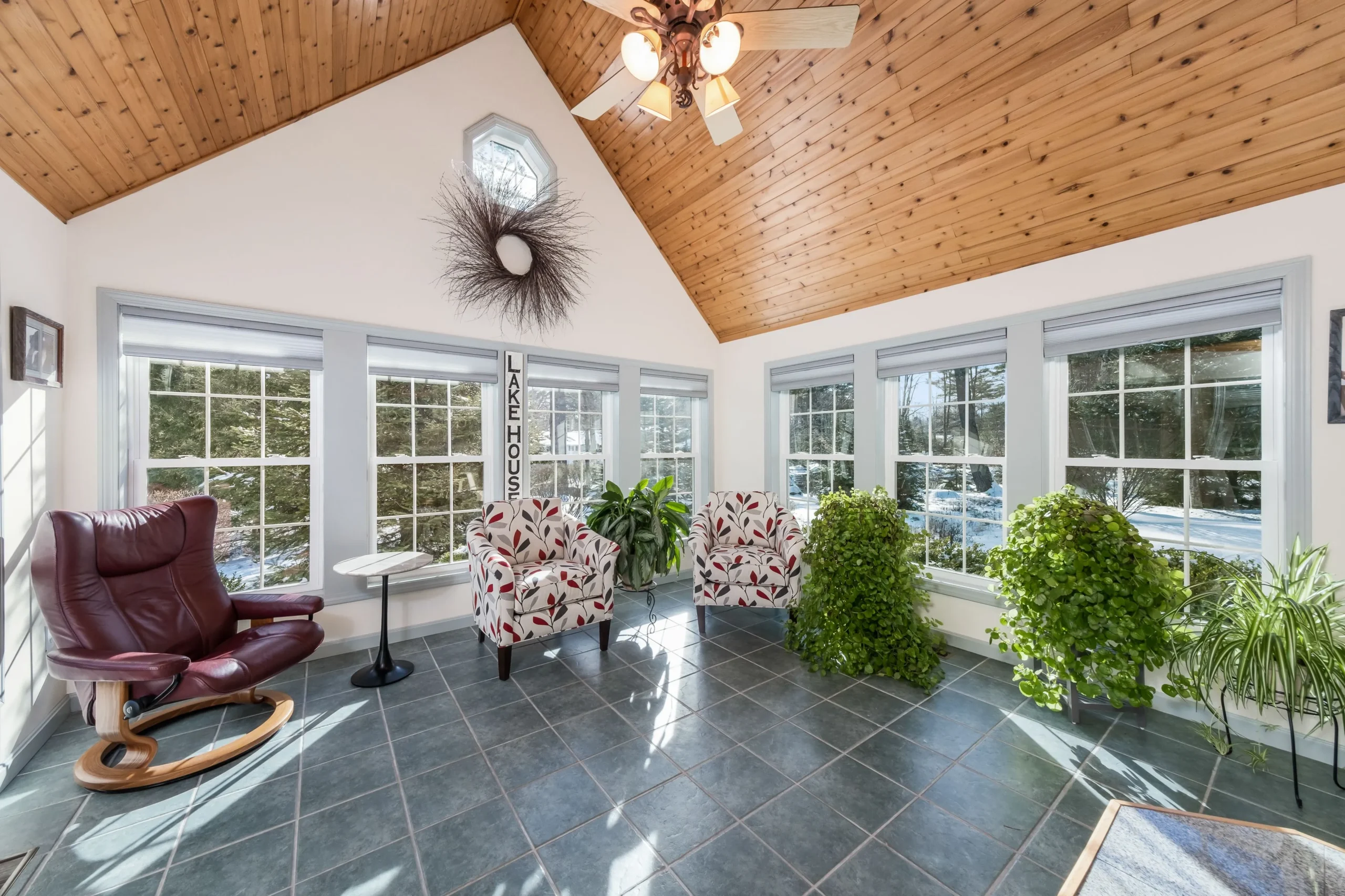
Design and Build Services in Sunnyvale, CA
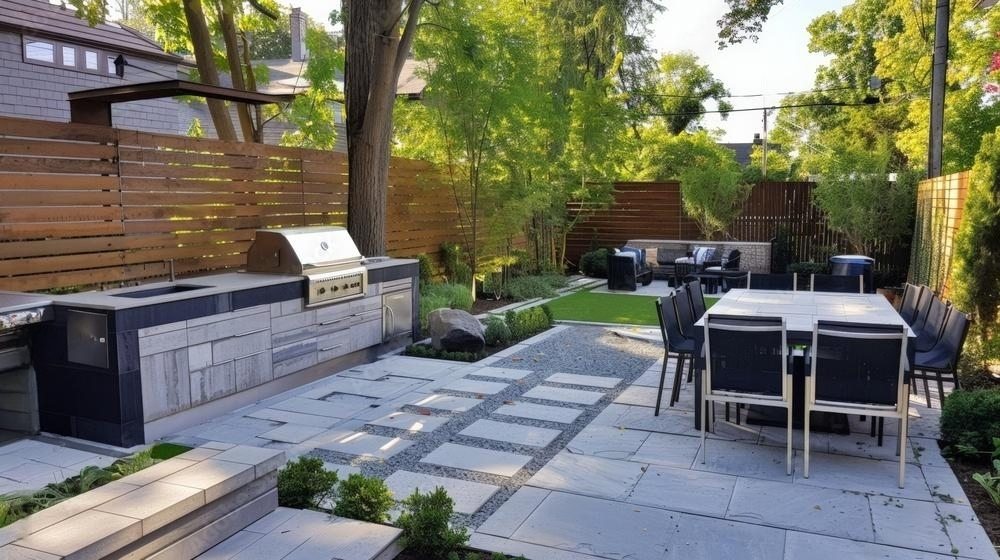
What Does “Design And Build” Mean For Your San Jose Project?
People Also Ask
Design and build, also known as design-build, is a project delivery method where a single entity, typically a general contractor, manages both the design and construction phases under one contract. This integrated approach contrasts with the traditional design-bid-build method, where the client hires separate architects and contractors. The primary benefit is streamlined communication and accountability, as the client works with one team from concept to completion. This often leads to faster project timelines and reduced costs because potential issues are resolved during the design phase rather than during construction. For homeowners in San Jose, this means a more cohesive experience. For a deeper understanding of how this process is structured, you can review our internal article What A General Contractor's Scope Of Work Includes, which details what a general contractor's scope of work includes.
When planning a remodel, avoid telling your contractor you will "help out" to save money unless you have specific trade skills, as this can create delays and liability issues. Do not mention a strict, unmovable budget based on a number you found online, as material and labor costs vary by region and project scope. Also, avoid saying you will get multiple quotes and pick the cheapest, as this signals you may prioritize price over quality. For bathroom projects, D&D Home Remodeling recommends reviewing our internal article titled Bathroom Remodeler Guide: Water-Efficient Fixture Options to understand fixture costs before discussing allowances. Finally, never say you can move in a week, as this pressures the team and can lead to rushed, poor workmanship.
The design and build concept is an integrated project delivery method where a single entity, like a general contractor, manages both the design and construction phases. This approach streamlines communication, reduces project timelines, and minimizes cost overruns by having one team responsible from concept to completion. It contrasts with the traditional design-bid-build model, where separate contracts exist for architects and builders. For homeowners in San Jose, this unified process ensures a cohesive vision and efficient execution. For a deeper look at how this applies to local projects, you can review our internal article titled 'Your San Jose Outdoor Living Space: The Climate‑Resilient Design & Investment Guide' at Your San Jose Outdoor Living Space: The Climate‑Resilient Design & Investment Guide.
For homeowners in San Jose, Santa Clara, or Sunnyvale, a design and build architect offers a streamlined approach to remodeling. Unlike traditional architects who only provide plans, these professionals oversee the entire project from initial concept through final construction. This integrated model fosters better communication and accountability, as the same team handles both design and execution. It often reduces project timelines and minimizes costly change orders. For a deeper understanding of how this integrated process benefits local projects, you can refer to our internal article titled What Does “Design And Build” Mean For Your San Jose Project?. This approach ensures your vision is accurately translated into reality while maintaining strict budget and schedule control.