
Ever stared at your kitchen and felt a deep, profound urge to just… start swinging a sledgehammer? Or maybe you’ve dreamed of a bathroom that feels less like a 1980s time capsule and more like a personal spa. We get it. We’ve been there, both as homeowners and as the folks who get called in after the DIY enthusiasm meets the harsh reality of plumbing codes. Let’s talk about turning that renovation daydream into a stunning, functional reality without the horror stories.
The Great “Should We DIY?” Debate
Let’s be real for a second. The siren song of DIY is powerful. There are a million shows that make knocking down a wall look as easy as making toast. How hard can it be, right?
Well, we’re not here to crush dreams, but we are here to offer a friendly reality check from the trenches. A successful remodel isn’t just about the visible stuff—the pretty tiles and shiny faucets. It’s about what’s happening behind the walls, under the floors, and above the ceiling.
When DIY Might Be Okay:
- Painting a room (though cutting in those ceilings is trickier than it looks).
- Installing simple, pre-assembled furniture.
- Updating cabinet hardware or light fixtures (if you’re confident with electrical safety).
When to Seriously Consider a Pro:
- Anything involving water: plumbing, showers, tubs.
- Anything involving structural elements: walls, beams, floors.
- Anything involving permits and codes. Trust us, the building department in San Jose, Santa Clara, or Campbell does not accept “but it looked good on YouTube” as a valid inspection pass.
The hidden cost of a DIY gone wrong isn’t just financial (though that can be staggering). It’s the time, the frustration, and the eventual phone call to a renovation contractor like us to fix it. Sometimes, “affordable” upfront means wildly expensive down the line.
Picking Your Project: What’s Your Home’s MVP?
Not all remodels are created equal. Some give you a daily dose of joy, while others pack a serious punch for your home’s value. It’s about knowing your goal.
The Daily Joy Players (The ROI of Happiness):
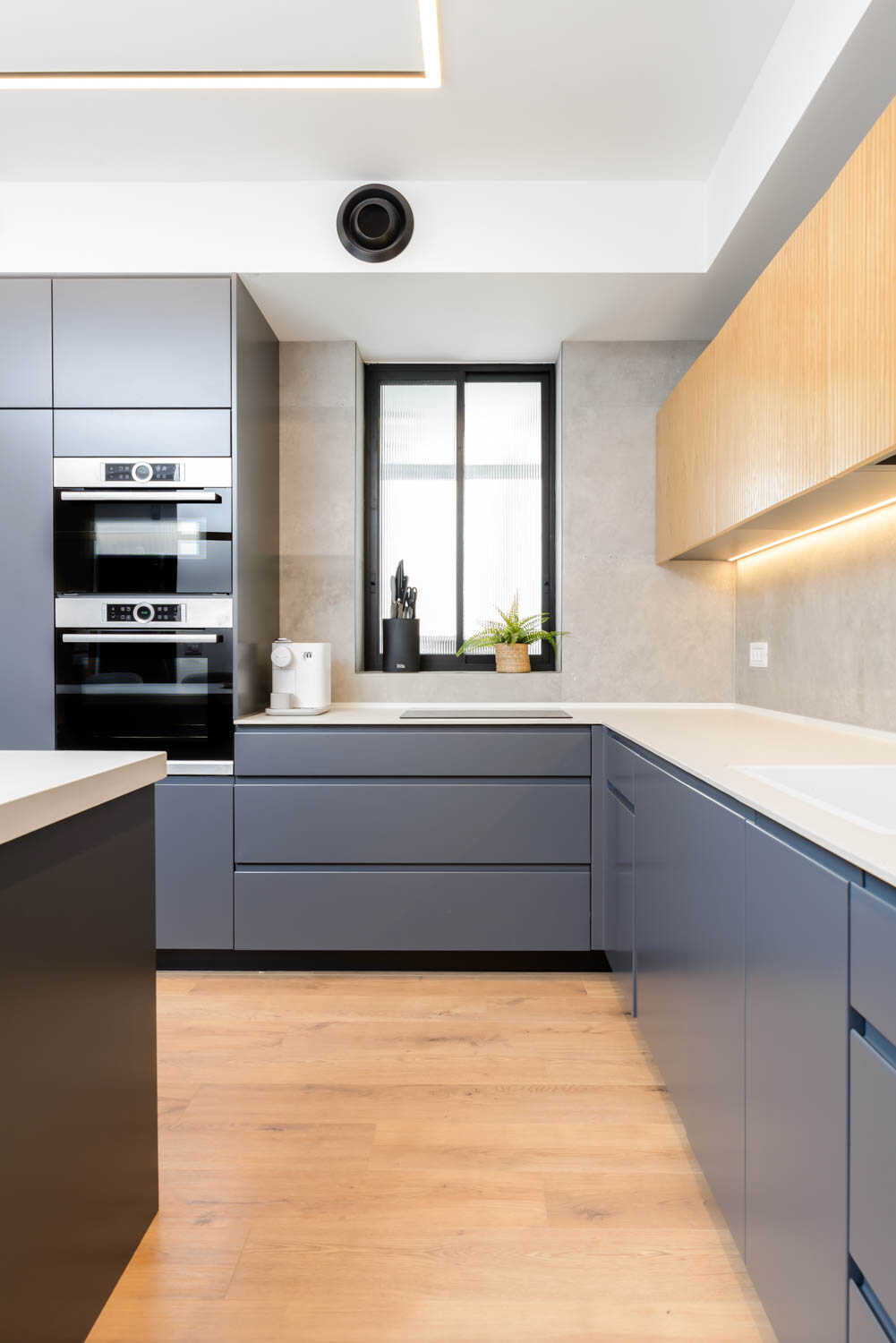
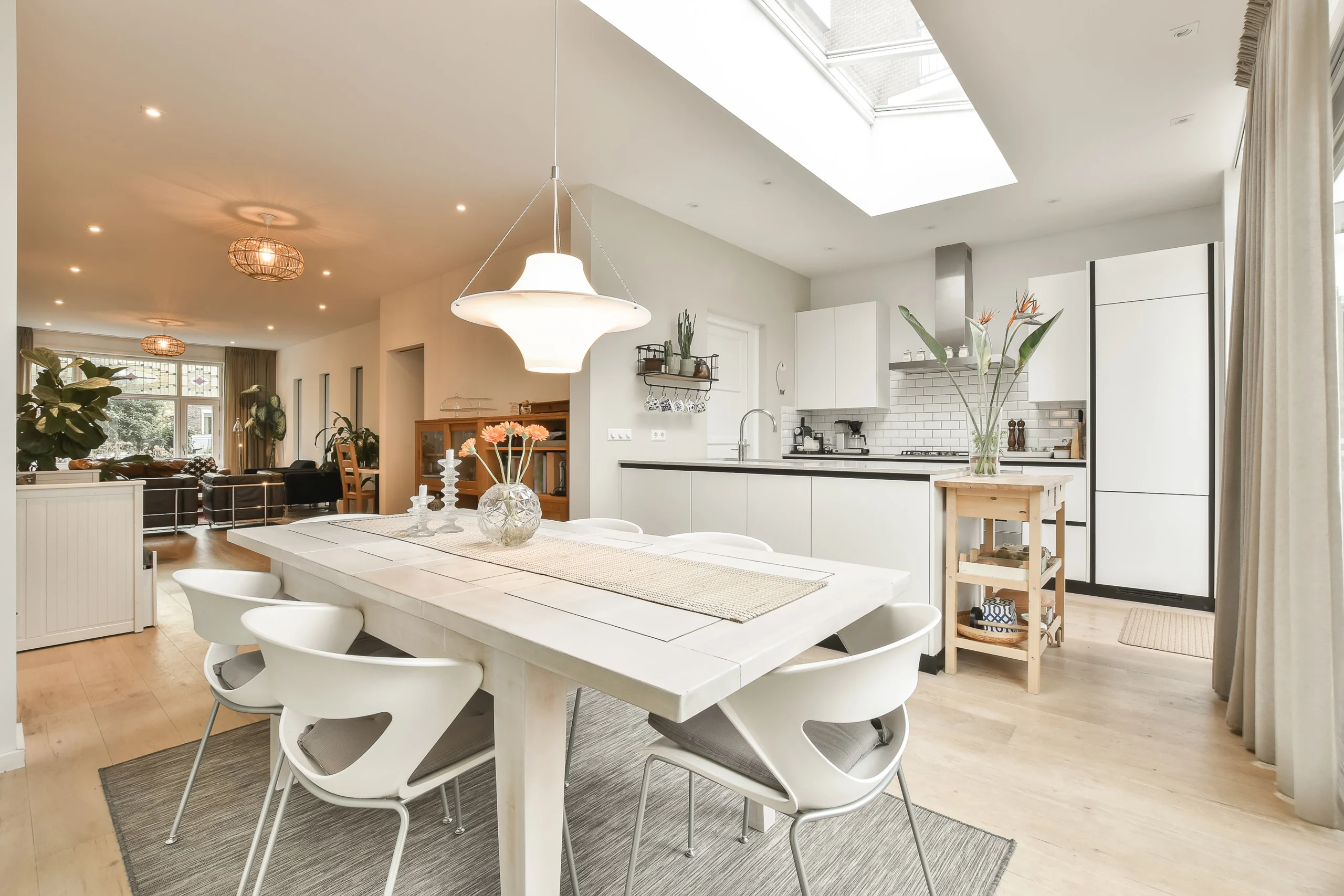
- Kitchen Remodels: The heart of the home. A smart, functional kitchen redesign changes how you live every single day.
- Bathroom Upgrades: A great bathroom remodeler doesn’t just swap fixtures; they design a sanctuary. Your future self, sipping coffee in a steam-free, beautifully tiled space, will thank you.
- Home Additions: Need more space? Thoughtful home additions in Silicon Valley are a game-changer, whether it’s a family room, home office, or ADU.
The Value Champions (Boosting Curb & Resale):
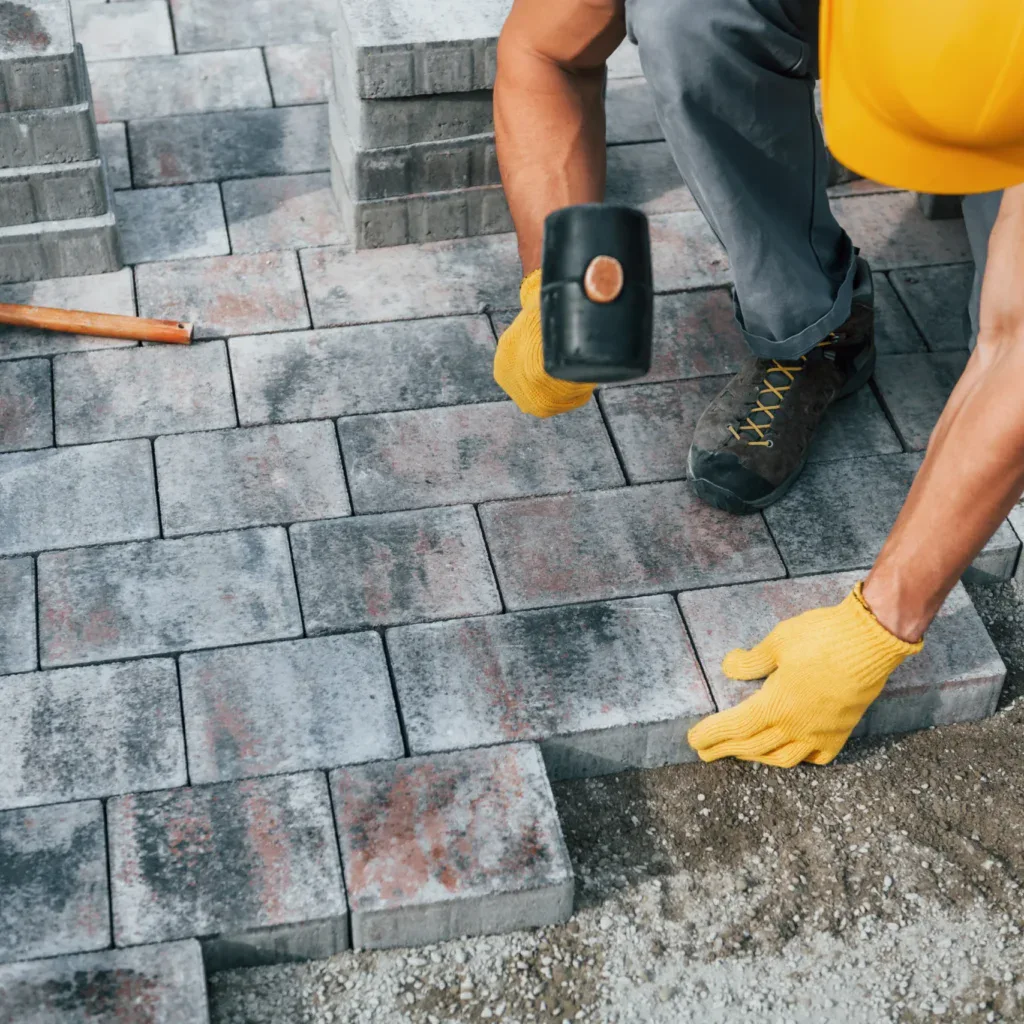
- Exterior Remodeling: First impressions are everything. New siding, a modern front door, or a sleek roof can make your San Jose home the envy of the neighborhood.
- Major Systems: Updating electrical, plumbing, or HVAC isn’t sexy, but it’s critical. It’s the kind of thing that makes a home inspector smile.
So, what’s your priority? Creating your perfect haven or building smart equity? Often, the best projects do a little of both.
The Budget Talk: No, We Won’t Say “Priceless”
Alright, let’s tackle the elephant in the room: price. It’s the least fun part of the conversation, but the most important. A transparent general contractor won’t shy away from it.
A realistic budget isn’t a guess. It’s a plan. It accounts for:
- Materials (from finishes to lumber).
- Labor (skilled craftspeople are worth every penny).
- Permits and fees (especially here in the South Bay).
- A contingency fund (usually 10-20%). Because once those walls open up, we might find your house has a “personality” – like vintage wiring that’s a fire hazard.
Here’s a rough, totally-not-set-in-stone look at what different project scopes might involve:
| Project Scope | Typical Considerations | Why a Pro Makes Sense |
|---|---|---|
| Single-Room Update (e.g., Bathroom) | Waterproofing, plumbing, tile work, ventilation. | One leak can cause thousands in damage. Precision is non-negotiable. |
| Multi-Room/Gut Remodel | Structural flow, consistent design, managing multiple trades. | Coordinating electricians, plumbers, and carpenters is a full-time job. |
| Full Home Remodel | Phasing, living arrangements, overall architectural cohesion. | You need a maestro to orchestrate the symphony, not just a musician. |
| Home Addition | Foundation work, roof tying-in, seamless integration. | Making it look like it was always there is the ultimate test of skill. |
The goal is affordable excellence—not the cheapest price, but the best value. Investing in quality home remodeling services from a trusted house remodeling contractor saves you from costly do-overs. That’s the philosophy we’ve built D&D Home Remodeling on right here in San Jose.
Finding Your Renovation Soulmate (a.k.a. Your Contractor)
This is the most crucial step. You’re inviting someone into your life for weeks or months. You wouldn’t marry someone after one date, right? Don’t hire a general remodeling pro without some serious vetting.
Our “Do Not Skip” Checklist:
- Licensed & Insured: This is non-negotiable in California. Ask for proof.
- Detailed, Fixed-Price Bids: Avoid vague estimates. You want a specific scope with a specific number.
- Portfolio & References: Look at their past work. Talk to past clients. Did they communicate well? Stay on schedule?
- Who’s On the Job?: Is the owner on-site, or will you be dealing with a foreman? At D&D Home Remodeling, we’re hands-on. It’s our name on the truck and our reputation on the line.
And IMO, chemistry matters. You need someone who listens, explains things without jargon, and feels like a partner. If a contractor is dismissive of your ideas or can’t clearly explain the process during a consult, that’s a red flag. We’ve built our reputation as one of the best remodeling company choices in the area by prioritizing that partnership from day one.
Surviving the Remodel Process (With Your Sanity Intact)
You’ve picked your project, set your budget, and hired an amazing team. Now the fun begins! Here’s how to not just survive, but thrive during construction.
Communication is Your Best Friend: Establish a regular check-in rhythm with your contractor. A quick daily or weekly update prevents small questions from becoming big anxieties.
Embrace the Dust: It’s happening. No matter how well we seal things off, some dust will travel. Pro tip: cover and seal anything you don’t want dust on in adjacent rooms. We’re pretty militant about it, but it’s a battle against physics 🙂
Expect the Unexpected: Remember that contingency fund? This is where it earns its keep. We might find outdated plumbing that needs replacing to meet code. A good contractor will present the problem, the options, and the cost implications immediately.
Keep the End Goal in Sight: There will be messy days. There will be loud days. But every day brings you closer to that finished space. Don’t be afraid to pop by and see the progress—it’s motivating!
Your South Bay Home Transformation Awaits
Whether you’re in Cupertino, Los Gatos, Sunnyvale, or Morgan Hill, the desire to create a home that truly works for you is universal. A remodel is a journey—one that should be exciting, collaborative, and ultimately, incredibly rewarding.
It’s about more than just new drywall and flooring. It’s about creating the backdrop for your life’s best moments. And finding the right partner to guide you through it makes all the difference.
Got a project simmering in your mind? Let’s have a real conversation about it. At D&D Home Remodeling, we love taking those initial “what if” ideas and turning them into detailed, buildable plans. We serve homeowners across Silicon Valley who are done dreaming and ready to build. Why not give us a call?
4 Common Remodeling Questions, Answered
1. How long will a typical kitchen or bathroom remodel take?
There’s no one-size-fits-all answer, but for planning: a moderate bathroom remodel can take 3-5 weeks, while a full kitchen renovation often runs 8-12 weeks. Complexity, permit timelines, and material availability all play a huge role. A good contractor will give you a detailed timeline upfront and communicate any delays immediately.
2. How do I prepare my home and family for a major remodel?
Think of it like camping indoors for a bit. Set up a temporary kitchenette (microwave, coffee maker, mini-fridge) if your kitchen is out. Protect your belongings in adjacent rooms from dust. Most importantly, establish clear “safe zones” and pathways with your contractor to keep daily life as normal as possible.
3. What’s the biggest mistake homeowners make when planning a remodel?
Under-budgeting and over-focusing on aesthetics first. The most beautiful tile won’t matter if the shower isn’t waterproofed correctly. Always prioritize the “unseen” infrastructure—plumbing, electrical, structural soundness—before the finishes. That’s where the real value and longevity lie.
4. Do we need to move out during the remodel?
It depends on the scope. For a full home remodel or major home additions, it’s often less stressful to relocate. For a single bathroom or kitchen remodel, most families can stay put with some clever planning. We’ll give you an honest recommendation based on your specific project and tolerance for disruption.
Related Articles
The True Cost Of A Seismic Retrofit In San Jose
San Jose’s Mandatory Soft-Story Retrofit Ordinance: A Complete Guide For Homeowners And Property Owners
Why Soft Story Buildings In Campbell And Cupertino Need Immediate Attention
People Also Ask
The cost of a soft-story earthquake retrofit varies significantly based on building size, structural condition, and specific engineering requirements. For a typical multi-unit building in San Jose, CA, homeowners can generally expect costs to range from $60,000 to $150,000 per unit, though this is a broad estimate. A professional structural engineer must perform a detailed assessment to provide an accurate quote. For comprehensive guidance on local regulations and cost factors, we recommend reviewing our internal article titled 'Navigating San Francisco's Soft-Story Retrofit Requirements' at Navigating San Francisco's Soft-Story Retrofit Requirements. This resource outlines key compliance steps and financial considerations. While D&D Home Remodeling does not perform structural retrofits, we can help coordinate with licensed contractors for your overall home improvement needs.
The most common structural failure associated with soft-story collapse is the buckling or shearing of the ground-floor columns. This occurs because the upper floors, which are typically stiffer and heavier, transfer massive lateral forces down to a weaker, more flexible first story. When an earthquake strikes, the rigid upper structure moves as a single block, while the soft story cannot resist the swaying motion. This leads to a sudden, pancake-like collapse of the entire building. For property owners in San Jose, CA, understanding this failure mode is critical. For comprehensive guidance on addressing this risk, please refer to our internal article titled 'Navigating San Francisco's Soft-Story Retrofit Requirements' at Navigating San Francisco's Soft-Story Retrofit Requirements.
Absolutely. For homeowners in earthquake-prone regions like San Jose, Santa Clara, and Sunnyvale, earthquake retrofitting is a critical investment. It significantly reduces the risk of structural damage during a seismic event, protecting your property and your family. The cost of a retrofit is far lower than the expense of major repairs after an earthquake. Furthermore, retrofitting can lower your earthquake insurance premiums and increase your home's resale value. For a deeper dive into the financial and safety benefits specific to our area, we recommend reading our internal article titled Soft Story Retrofits: A Smart Investment For Bay Area Property Value. D&D Home Remodeling can help assess your home's specific needs for this essential upgrade.