
Google Reviews logo with five gold stars on a green background

Soft Story Retrofit Solutions For San Jose’s Historic Neighborhoods

Ever stared at a corner of your house and thought, “This just isn’t working anymore”? Maybe it’s a kitchen that feels like it’s from a different century, a bathroom that’s seen better days, or a layout that makes zero sense for your actual life. We’ve all been there. The dream of a home that truly functions for you is a powerful one, but the path to getting there—the world of home remodeling services—can feel like a maze of decisions, cost anxieties, and contractor horror stories. Let’s talk it out, fellow homeowner to homeowner.

The Great Remodeling Dilemma: Where Do We Even Start?

The first step is often the hardest, right? We get paralyzed by the sheer scope. Do we need a quick refresh or a full home remodel? Should we call a bathroom remodeler or a general contractor? The truth is, a successful project starts with a brutally honest conversation with ourselves (and our partners, if we have them). What’s the real goal? Is it about increasing resale value, or is it about creating your forever-home sanctuary? There’s no wrong answer, but knowing it guides every decision that follows.

We at D&D Home Remodeling in San Jose start every project with this exact conversation. It saves everyone time, money, and a few headaches down the line. IMO, skipping this step is like trying to build IKEA furniture without the instructions—possible, but you’ll probably have extra parts and a wobbly result.

Picking Your Remodeling Path: Specialist vs. Generalist

This is a classic debate. Let’s break it down.

The Specialist (e.g., a Kitchen or Bathroom Pro)

  • Best For: Single-room projects where intricate, trade-specific expertise is paramount.
  • The Upside: Deep knowledge of the latest trends, materials, and space-saving solutions for that specific room.
  • The Consideration: They typically won’t manage work that impacts other areas of your house, like moving load-bearing walls or updating whole-house electrical.

The Generalist (A True General Remodeling Contractor)

  • Best For: Multi-room projects, home additions, exterior remodeling, or any job that requires orchestrating multiple trades (plumbers, electricians, carpenters).
  • The Upside: They act as the quarterback for your entire project. One point of contact, one schedule to manage, and accountability for the whole system.
  • The Consideration: You need to vet their experience in the specific type of work you’re doing. A great renovation contractor for whole-house updates might not be the absolute best at ultra-luxury master baths.

For most projects beyond a simple facelift, a skilled house remodeling contractor who handles general remodeling is the way to go. They see the big picture. Think about it: a bathroom remodel might involve plumbing, tiling, electrical, and drywall. Do you really want to play general contractor and coordinate all those folks yourself? No thank you. We’d rather binge-watch something.

The Budget Talk: Making “Affordable” a Reality, Not Just a Buzzword

Let’s address the elephant in the room: price. The word “affordable” gets thrown around a lot, but what does it actually mean? Affordable isn’t about being the cheapest; it’s about maximizing value for your investment. A shockingly low bid often leads to shockingly bad outcomes or hidden costs later.

A transparent cost breakdown is non-negotiable. A good contractor will provide a detailed estimate that separates materials, labor, permits, and a contingency for the “unknowns” (because every older home in Silicon Valley has a few secrets).

Here’s a quick reality-check table for common projects in our area (San Jose, Santa Clara, Campbell, Cupertino):

Project Type Typical Scope Key Cost Drivers Why a Pro Matters
Mid-Range Bathroom Remodel Retiling, new vanity/toilet, lighting, paint. Tile quality, plumbing fixture brands, extent of layout change. Waterproofing. Do it wrong once, and you’ll pay for it forever.
Kitchen Update New cabinets/countertops, appliances, flooring. Cabinet construction (custom vs. semi-custom), countertop material (quartz vs. granite), appliance tier. Spatial planning to improve workflow and ensure everything… fits.
Home Addition Adding a bedroom, ADU, or expanding living space. Foundation work, roofing tie-ins, matching exterior finishes. Structural integrity and seamless integration so it doesn’t look “tacked on.”
Whole-House Refresh New flooring, paint, lighting, and fixtures throughout. Square footage, material choices, amount of prep work needed. Project management across the entire house to maintain consistency and timeline.

The goal is to align your vision with a realistic budget. A reputable company like ours will work with you to prioritize. Maybe we splurge on that dream shower system but choose a stunning, affordable tile. It’s all about smart choices.

Why Your Local Contractor in the South Bay is Your Secret Weapon

Speaking of smart choices, let’s talk geography. When you’re looking for the best remodeling company, does it matter if they’re based near you? Absolutely. A contractor based in San Jose or Sunnyvale understands the specific permit processes in Santa Clara County. They know the common soil issues in Los Gatos or the style preferences in Saratoga. They have established relationships with local inspectors and suppliers in Milpitas or Fremont, which can smooth out bumps in the road.

There’s also the practicality of it. If your general contractor is based in Morgan Hill and you live in Cupertino, a simple site check becomes a major commute. Proximity matters for responsiveness. When a question arises or a delivery shows up, you want a team that can be there quickly. That local knowledge and convenience is a huge, often overlooked, part of the value you’re paying for.

Red Flags & Green Flags: Choosing Your Partner Wisely

We’ve heard the horror stories. So how do we avoid becoming one? Let’s get candid.

Run, Don’t Walk, If You See:

  • A huge down payment demand. A reasonable schedule of payments tied to project milestones is standard.
  • Vague or verbal-only estimates. Everything in writing. Always.
  • No license or insurance verification. For a renovation contractor in California, this is non-negotiable. Just ask to see it.
  • Pressure to make quick decisions. This is a big investment. You deserve time to think.

Breathe a Sigh of Relief When You See:

  • A detailed, written contract. It protects both of us.
  • A robust portfolio of completed projects. Do their finished homes look like what you want?
  • Clear communication from the start. Do they answer calls, explain things patiently, and set clear expectations?
  • Transparency about the timeline. They should acknowledge potential delays (weather, material backorders) upfront.

We built D&D Home Remodeling on these green flags. Our goal is to be so transparent and communicative that you actually enjoy the process. Wild concept, we know 🙂

Your Questions, Answered (No Nonsense)

Q1: How long will my remodel actually take?
A: It depends on the scope, but a good contractor will give you a phased timeline. A bathroom might be 3-5 weeks; a full home remodel could be 4-6 months. The key is constant communication about progress. Delays happen, but you should never be left in the dark.

Q2: Should I move out during the renovation?
A: For a single bathroom or kitchen remodel, you can often tough it out. For a full home remodel or major home additions, moving out is usually worth the sanity saved. We can help you plan for this.

Q3: How do we handle unexpected problems once walls are opened up?
A: This is where that contingency budget and an honest contractor are crucial. A pro will immediately show you the issue, explain the options, and provide a clear cost to fix it before proceeding. No surprises should be a surprise, if that makes sense.

Q4: What’s the single biggest piece of advice you have?
A: Trust the process, but verify everything. Choose a partner you genuinely communicate well with. This is a temporary business relationship, but you’ll be living with the results for a very long time. Don’t just pick the lowest bidder; pick the team you feel will listen and problem-solve with you.

The Final Walk-Through: It’s More Than Just a Checklist

So, where does this leave us? Transforming your home is a journey. It’s messy, sometimes stressful, but ultimately incredibly rewarding when you do it with the right team. It’s about finding that sweet spot where vision, budget, and reality meet, with a general remodeling partner who guides you there.

If you’re in San Jose or anywhere in the South Bay—from Campbell to Cupertino, Sunnyvale to Los Gatos—and you’re tired of just dreaming about a home that works better, let’s have that first no-obligation, honest conversation. At D&D Home Remodeling, we believe a great remodel shouldn’t be a mystery. It should be an exciting, collaborative project that ends with you absolutely loving where you live. FYI, that’s the whole point, isn’t it? Let’s make it happen.
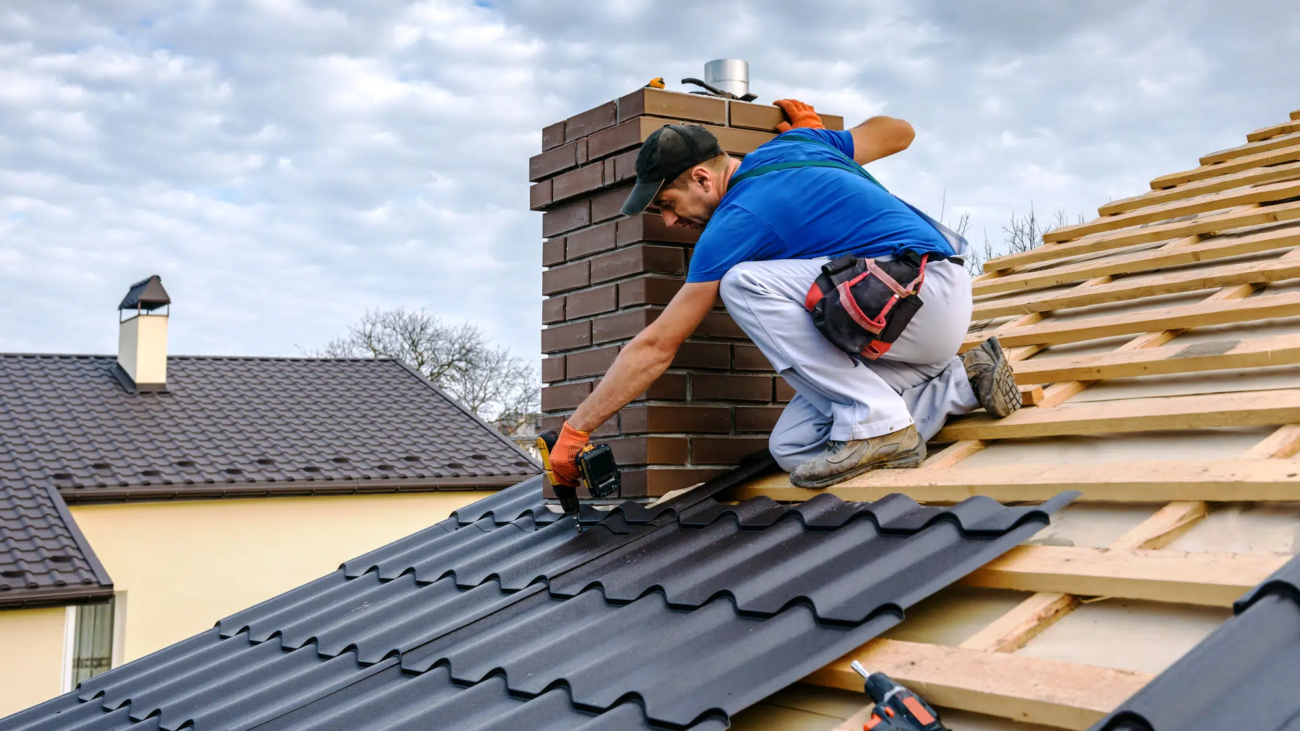
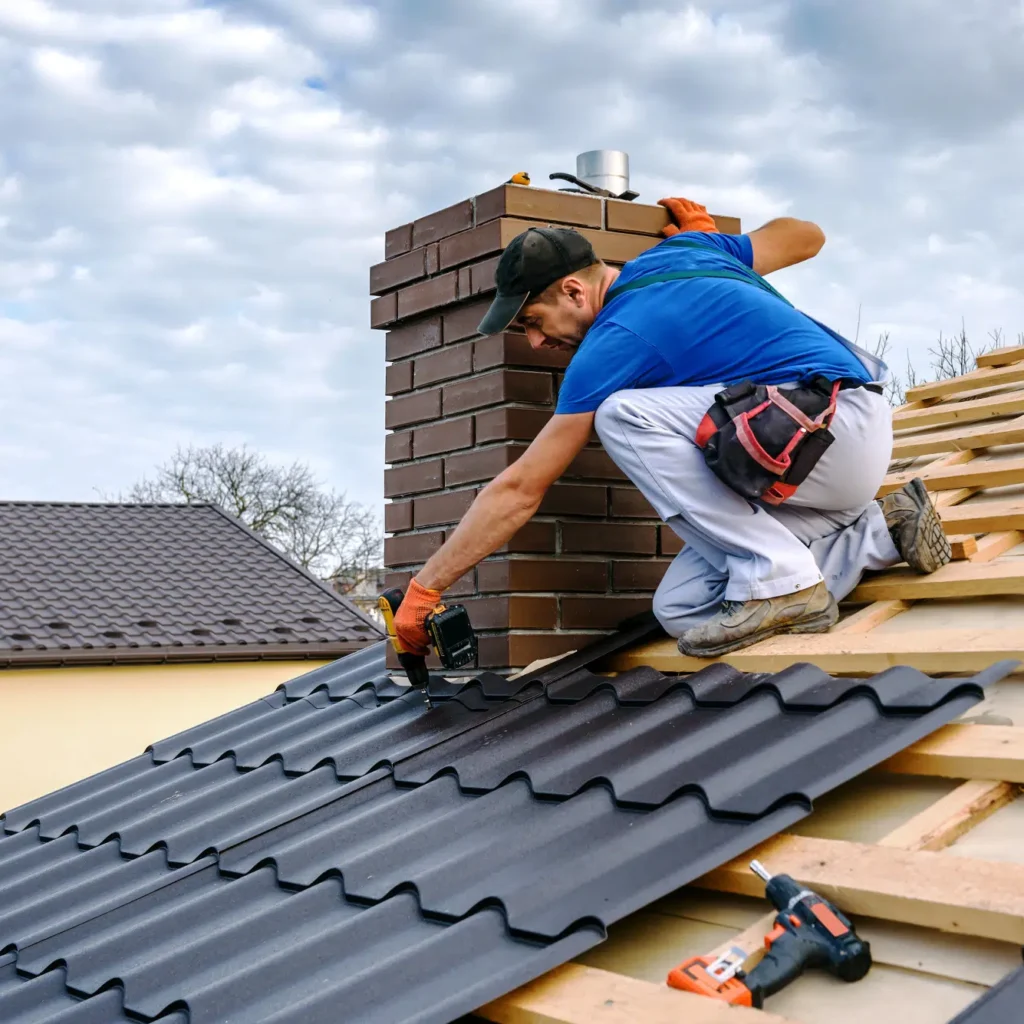
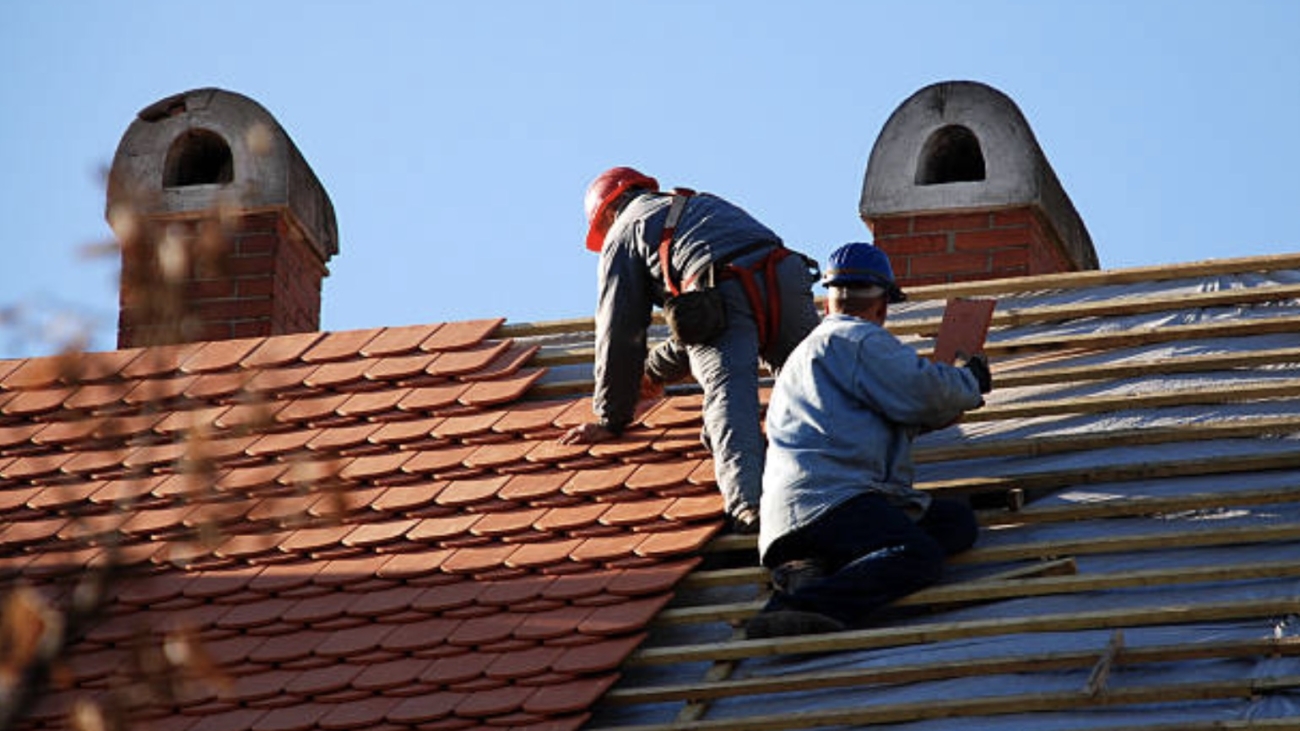
Roofer installing dark metal roof tiles on a residential house.

The Ultimate Guide To Flooring Options In California (Without Losing Your Cool!)

Okay, let’s talk floors. Seriously, when was the last time you really thought about what’s under your feet? Unless you tripped over a rogue Lego piece this morning (our condolences!), it’s easy to overlook. But here in California, especially around the Bay Area, your flooring isn’t just decoration – it’s a frontline defense against our unique lifestyle. Think sunshine, occasional spills, earthquakes (yep, gotta consider it!), and that eternal quest for something that looks amazing without demanding constant upkeep.

The Ultimate Guide To Flooring Options In California

We’re D&D Home Remodeling, your friendly neighborhood general contractor based right here in San Jose. We’ve seen it all – the good, the bad, and the downright ugly flooring choices – from quick bathroom remodeler fixes to sprawling full home remodel projects across Santa Clara, Campbell, Milpitas, Saratoga, Sunnyvale, Los Gatos, Cupertino, Fremont, and Morgan Hill. Picking the right floor can feel overwhelming, like choosing the perfect avocado at the store. We get it! So, grab a coffee (or maybe something stronger), and let’s break down your California flooring options together. No fluff, just real talk from folks who install this stuff daily.

Why California Floors Need Special Consideration (It’s Not Just About Looking Pretty)

Let’s be real: our climate throws some curveballs. That gorgeous San Jose sunshine bleaching your floors? Check. Humidity fluctuations near the coast or in certain valleys? Yep. The potential for minor seismic activity reminding us who’s boss? Unfortunately, yes. Plus, let’s not forget the daily grind – kids, pets, sandy shoes from the beach, spilled wine during game night (no judgment!). Your flooring needs to be tough, adaptable, and maybe even a little forgiving. Choosing purely on looks is like buying a sports car for off-roading – bad idea. We need substance and style here.

The Contenders: Your California Flooring All-Stars

Alright, let’s meet the players. We’ll give you the lowdown on what works, what doesn’t, and our honest, slightly jaded opinions after years of home remodeling services.

1. Luxury Vinyl Plank (LVP) & Tile (LVT): The Undisputed MVP (IMO)
Seriously, this stuff is everywhere for a reason, and it’s often our top recommendation for busy California homes.

  • Why We Love It (A Lot):
    • Waterproof Warrior: Spills? Flooded dishwasher? Dog accident? Bring it on. Perfect for kitchens, bathrooms, basements, and anywhere moisture lurks. FYI, this is a game-changer compared to traditional wood.
    • Tough as Nails: Incredibly resistant to scratches, dents, and stains. Seriously, we’ve seen it withstand things that would make hardwood weep.
    • Looks Legit: The realism in texture and color these days is insane. You can get stunning wood, stone, or concrete looks without the baggage.
    • Comfort & Warmth: Softer underfoot than tile or real stone, and often warmer too. Great for those chilly Bay Area mornings.
    • Budget Buddy: Offers fantastic value. You get high-end looks and performance without the high-end price tag of hardwood or stone.
  • The Reality Check: While incredibly durable, super sharp objects can still scratch it. And the absolute cheapest options? Might look a bit… plasticky. Stick with quality brands.
  • Best For: Pretty much everywhere! Kitchens, bathrooms, living rooms, basements, laundry rooms – you name it. It’s the ultimate all-rounder.

2. Porcelain & Ceramic Tile: The Cool & Classic Choice

Want that timeless, elegant look that stays cool underfoot? Tile’s your friend, especially with our warmer days.

  • Why It Shines:
    • Heat & Fire Resistant: Excellent for sunny rooms, fireplaces, and outdoor spaces (exterior remodeling patios, anyone?).
    • Waterproof King: The ultimate choice for wet areas like bathrooms, showers, and mudrooms. Zero worries here.
    • Incredibly Durable: Resists scratches, dents, and fading like a champ. Seriously tough stuff.
    • Endless Style: From sleek modern large-format tiles to intricate mosaics, the design options are limitless.
  • The Downside: Cold and hard underfoot (hello, area rugs!). Dropping something glass? RIP glass. Installation cost is higher and requires a skilled pro (like, ahem, us!). Grout lines need maintenance to stay looking fresh. Ever tried kneeling on tile for more than 5 minutes? Ouch.
  • Best For: Bathrooms, kitchens (especially backsplashes), entryways, laundry rooms, patios, and pool decks. Less ideal for bedrooms or living rooms where cozy comfort is key.

3. Engineered Hardwood: Real Wood’s Smarter Cousin

Craving that authentic wood warmth but wary of solid hardwood’s fussiness in our climate? Engineered is often the smarter play.

  • The Smart Advantages:
    • Climate Stability: Its layered construction makes it far more resistant to the expansion and contraction caused by our humidity swings than solid wood. Less buckling, less gaping – less stress!
    • Real Wood Top Layer: You get the genuine look, feel, and grain of real wood species.
    • Versatile Installation: Can often be floated, glued, or nailed down, offering more flexibility, especially over concrete slabs (common here!).
    • Refinishable (Sometimes): Higher quality versions can be sanded and refinished a few times, extending its life.
  • The Caveats: Still susceptible to water damage – major spills need immediate attention. Scratches easier than LVP. The price can range significantly based on wood species and quality. Requires careful humidity control year-round.
  • Best For: Living rooms, dining rooms, bedrooms, hallways – areas less prone to major moisture. Not the best pick for bathrooms or leak-prone basements.

4. Solid Hardwood: The Timeless Beauty (Handle With Care)

The classic. The dream. The… potentially high-maintenance relationship? Solid hardwood is gorgeous but demands respect in California.

  • The Undeniable Appeal:
    • Unmatched Beauty & Value: Nothing beats the depth, character, and prestige of real, solid wood. It can actually increase home value.
    • Long Lifespan & Refinishability: Can last generations and be sanded and refinished multiple times, making it a long-term investment.
  • The California Challenges:
    • Climate Sensitive: Prone to cupping, gapping, and warping with humidity changes. Requires diligent HVAC control. Not ideal for ground-level slabs without serious moisture barriers.
    • Water is Kryptonite: Spills must be wiped instantly. Not recommended for bathrooms, kitchens, or basements.
    • Scratch & Dent Magnet: Pets, heels, furniture – they all leave their mark more easily than on harder surfaces.
    • Higher Price Point: Both material and installation cost are typically the highest among popular options.
  • Best For: Formal living rooms, dining rooms, studies – low-moisture, low-traffic areas in climate-controlled homes. Proceed with caution (and a great HVAC system!).

5. Laminate: The Budget-Friendly Workhorse (But Know Its Limits)

Laminate used to be the go-to affordable option. LVP has stolen much of its thunder, but it still has a place.

  • The Pros:
    • Budget Hero: Generally the lowest upfront cost for a wood-look floor.
    • Scratch Resistant: The wear layer is tough against everyday scrapes.
    • Easy DIY (Sometimes): Many click-lock systems are DIY-friendly.
  • The Significant Cons:
    • Not Waterproof: Core is usually wood-based particleboard. Water damage = swelling and ruin. Big no-no for wet areas.
    • Can Feel/Look Cheaper: The printed image layer often lacks the depth and texture realism of LVP or engineered wood.
    • Not Refinishable: Once the top layer is damaged, it’s toast. Replacement is the only option.
  • Best For: Dry, low-traffic bedrooms, closets, or home offices on a tight budget. We rarely recommend it for main living areas or anywhere near water sources these days, thanks to superior options like LVP.

California Flooring Showdown: Quick Comparison

Feature Luxury Vinyl (LVP/LVT) Porcelain/Ceramic Tile Engineered Hardwood Solid Hardwood Laminate
Water Resistance Waterproof Waterproof Poor Very Poor Poor
Durability Excellent Excellent Good Moderate Good (Dry)
Scratch Resist Excellent Excellent Moderate Low Good
Comfort Good Poor (Hard/Cold) Good Good Moderate
Climate Stability Excellent Excellent Very Good Poor Moderate
Cost (Installed) $$ $$$ $$$ $$$$ $
Best Rooms Anywhere! Bath, Kitchen, Entry Living, Dining, Bed Living, Dining Dry Bedrooms
Refinishable? No No Sometimes (1-3x) Yes (Manyx) No

Okay, But How Much Is This Going To Cost Me? (Let’s Get Real)

“Cost” and “price” are the elephants in the room, right? We totally get it. Flooring is a significant investment. Unfortunately, there’s no single answer. It depends on:

  • Material Choice: LVP/LVT offers great value, tile installation bumps up the cost, hardwood is premium.
  • Quality Tier: Within each category, you get what you pay for. Cheap LVP looks cheap. High-end tile is stunning but pricey.
  • Square Footage: Obviously! Get accurate measurements.
  • Subfloor Condition: Rotten subfloors? Uneven concrete? Needs fixing first (adds $$).
  • Installation Complexity: Intricate patterns, lots of cuts, moving heavy furniture – it all takes more time and skill.
  • Your Location: Labor rates vary even within the Bay Area (San Jose vs. Saratoga might differ slightly).

As a ballpark guide (materials + professional installation):

  • Laminate: $3 – $7 per sq. ft.
  • LVP/LVT: $5 – $12+ per sq. ft.
  • Tile: $7 – $20+ per sq. ft. (Highly variable based on tile cost & labor)
  • Engineered Hardwood: $8 – $15+ per sq. ft.
  • Solid Hardwood: $10 – $20+ per sq. ft.

Pro Tip:

Always get multiple detailed quotes! A reputable renovation contractor like D&D Home Remodeling will provide a transparent breakdown – no nasty surprises. And hey, while you’re thinking floors, maybe those home additions or exterior remodeling ideas are bubbling up? We do that too! Just saying 😉

Choosing What’s Right For YOUR Castle (Not Your Neighbor’s)

So, how do you pick? Don’t just chase trends. Ask yourself:

  1. Where is it going? (Bathroom? Kitchen? Busy family room? Peaceful bedroom?)
  2. Who (and what) lives here? (Kids? Dogs? Clumsy partners? Just quiet adults?)
  3. What’s your budget? (Be honest with yourself!)
  4. What’s your tolerance for maintenance? (Weekly mopping? Occasional sweeping? Refinishing every decade?)
  5. What style makes your heart sing? (Warm wood? Cool tile? Modern concrete look?)

We’ve seen folks try to force hardwood into a beach house entryway… spoiler: it didn’t end well.

Think practically first, then find the style within that practical category. For most active Bay Area households, LVP/LVT is the superstar workhorse. Craving tile coolness in the bathroom? Go for it! Want real wood warmth in the formal living room? Engineered can be a great compromise. It’s about matching the floor to your life.

Why Going Pro Matters More Than You Think (Especially Here!)

Look, we get the DIY appeal. But flooring? Especially in earthquake country with moisture concerns and complex substrates? It’s often a job for a house remodeling contractor or skilled general remodeling team. Why?

  • Subfloor Savvy: We know how to diagnose and fix subfloor issues common in our older Bay Area homes – crucial for preventing squeaks, bumps, and premature failure.
  • Moisture Management: Proper vapor barriers and underlayments are non-negotiable here. Get it wrong, and you invite mold or buckling.
  • Seismic Considerations: Proper expansion gaps and secure installation matter for long-term performance, even with smaller tremors.
  • Precision Cuts & Layouts: Making it look seamless around corners, cabinets, and doorways takes skill (and the right tools!).
  • Time & Hassle: It’s back-breaking work! Save your weekends and your sanity.
  • Warranty: Professional installation often comes with a labor warranty, protecting your investment. DIY mistakes? That’s on you.

Trying to find the “best remodeling company near me“? We’re biased, but D&D Home Remodeling serving San Jose, Santa Clara, Campbell, Milpitas, Saratoga, Sunnyvale, Los Gatos, Cupertino, Fremont, and Morgan Hill has the local know-how. We’ve tackled every flooring scenario imaginable across these cities. We won’t just slap down planks; we ensure your foundation (literally!) is ready. And if unexpected issues pop up mid-project? We know how to handle it smoothly – no need to panic and abortable the whole renovation! Communication is key, and we keep you in the loop.

Your California Flooring Questions Answered (The Stuff You’re Actually Wondering)

Let’s tackle those burning questions we hear constantly:

  1. “Is LVP/LVT really as good as everyone says for California?”
    Honestly? For the vast majority of homes and lifestyles here, yes. Its waterproof nature, durability against scratches/dents, climate stability, comfort, and realistic looks make it incredibly practical and stylish. It’s our most popular choice for a reason. Solid hardwood purists might scoff, but they probably don’t have a 70lb Labrador tearing through the house either.
  2. “Can I install hardwood over concrete in my Bay Area home?”
    You can, but it’s tricky and not always recommended, especially for solid hardwood. Moisture rising through concrete slabs is a major enemy. Engineered hardwood can work if:

    • A proper moisture barrier is installed.
    • The slab is perfectly level.
    • It’s glued down professionally (floating isn’t ideal here).
    • Your home’s humidity is consistently controlled.
      We strongly recommend a consultation and moisture testing first. Often, LVP or tile is a safer, more reliable choice over concrete.
  3. “What’s the most budget-friendly waterproof option?”
    Hands down, Luxury Vinyl Plank (LVP). It delivers true waterproof performance at a significantly lower price point than tile (when you factor in installation) and is leagues ahead of laminate or hardwood in wet areas. You get durability and style without breaking the bank. Just avoid the absolute cheapest options – invest in quality wear layers and construction.
  4. “How important is underlayment? Can I cheap out?”
    Don’t do it! Underlayment is the unsung hero. It provides:

    • Cushioning & Comfort: Makes floors feel softer underfoot.
    • Sound Dampening: Reduces hollow sounds and noise transmission (crucial in multi-story homes!).
    • Moisture Barrier: Essential vapor protection, especially over concrete.
    • Smooths Minor Imperfections: Creates a better surface for installation.
      Skimping leads to noisy floors, reduced comfort, and potential moisture damage. A good general contractor will specify the right underlayment for your specific subfloor and flooring choice.

Let’s Get Those Floors Sorted!

Phew! That was a deep dive into the world underfoot. See? Choosing flooring in California isn’t just about picking a pretty color swatch. It’s about finding the perfect balance between beauty, beast-mode durability, climate smarts, and your budget. Whether you’re dreaming of cool tile for a bathroom remodeler project, warm wood for the living room, or the versatile magic of LVP throughout, the key is matching the material to your life and your home’s realities.

We’ve been helping folks across San Jose, Santa Clara, Campbell, Milpitas, Saratoga, Sunnyvale, Los Gatos, Cupertino, Fremont, and Morgan Hill make these decisions for years. We love turning flooring overwhelm into flooring triumph! Still feeling a bit lost? Have a specific room giving you grief? Or maybe you’re planning a bigger full home remodel or home additions project and want to discuss the big picture?

Don’t sweat it alone. Reach out to us at D&D Home Remodeling. Let’s chat about your space, your lifestyle, and your vision. We’ll give you honest advice, clear options, and a price you can understand – no pressure, just friendly expertise from your local flooring enthusiasts. Because honestly, life’s too short for bad floors (or bad contractors!). Let’s get you stepping on something fabulous. 🙂

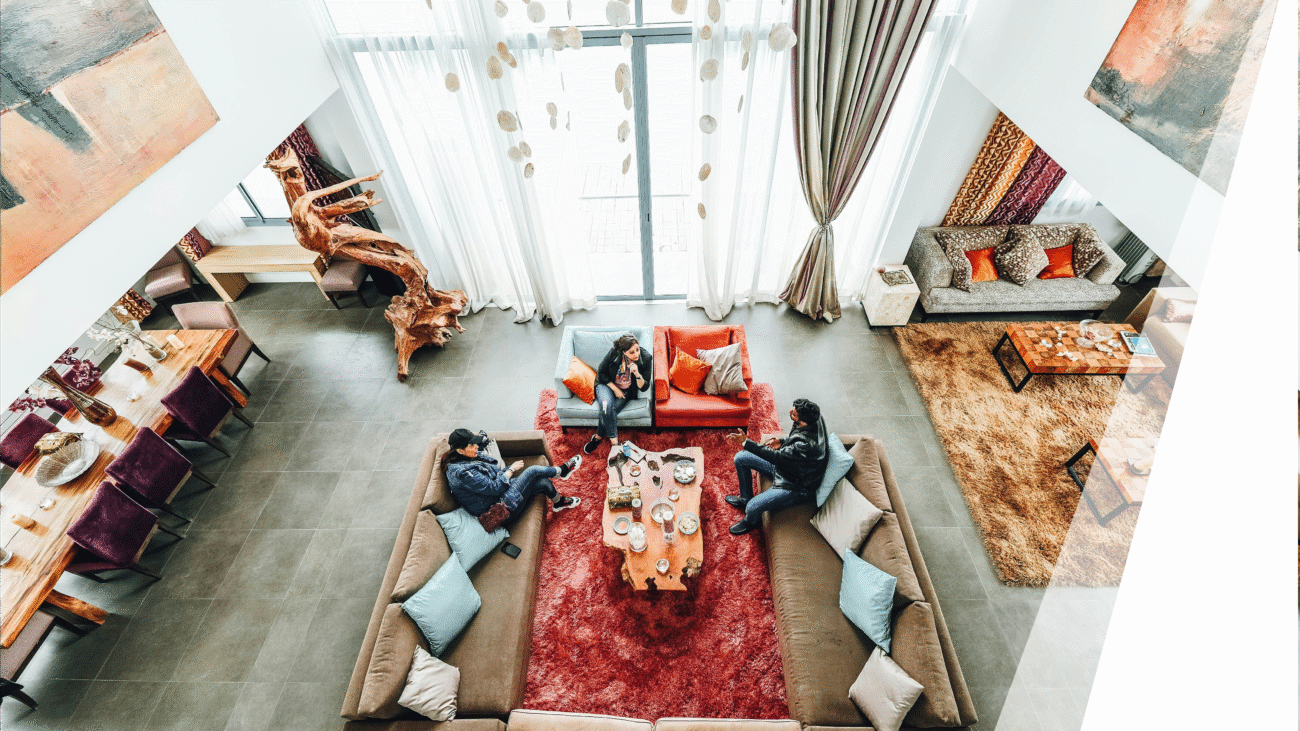
Overhead view of a modern living room with people relaxing on sofas

Bathroom Remodel San Jose: Transform Your Home into a Spa Oasis

Transform Your Bathroom Into a Spa Oasis: Your Daily Escape Awaits

Alright, let’s be real—who wouldn’t trade their chaotic morning rush for a serene, candlelit soak? We’ve all dreamed of turning that cramped, outdated bathroom into a personal sanctuary. Guess what? It’s totally doable, and you don’t need a lottery win to pull it off. At D&D Home Remodeling here in San Jose, we live for these transformations. We’ve turned hundreds of “meh” bathrooms into spa-grade retreats across Santa Clara, Campbell, and Sunnyvale. Ready to ditch the stress? Let’s reimagine your space together.

Transform Your Bathroom Into A Spa Oasis

Why Your Bathroom Deserves the Spa Treatment

Think about it: you start and end your day here. Why settle for fluorescent lighting and chipped tiles? A spa bathroom isn’t just about luxury—it’s about owning your peace. Plus, it’s a genius investment. We’ve seen homes in Cupertino and Saratoga skyrocket in value after a thoughtful remodel. Cha-ching, right?

The Blueprint for Bliss: Key Spa Elements

Color & Materials: Set the Vibe

Ditch the hospital-white. Opt for nature-inspired hues: soft seafoam, warm taupes, or moody charcoals. Materials matter too—natural stone tiles, matte finishes, and teak accents scream “spa day.” Pro tip: Avoid glossy surfaces unless you enjoy fingerprint archaeology.

Lighting: Your Mood’s Best Friend

Overhead LEDs? Abort, abort! Layered lighting is key:

  • Dimmable ceiling lights (for when you’re not doing surgery)
  • Wall sconces (flattering, Instagram-ready glow)
  • Candle nooks (because real ones are a fire hazard IMO)

Water Features: The Main Event

Your shower should feel like rainfall, not a firehose. We love:

  • Multi-jet panels for a massage on demand
  • Soaking tubs deep enough to forget your inbox exists
  • Digital thermostats (no more icy surprises!)

Storage: Hide the Chaos

Clutter kills zen. Built-in niches, floating vanities, and hidden laundry hampers keep razors and rubber ducks out of sight. FYI, we design these with real-life messes in mind—kids’ bath toys included 🙂

Budget Talk: What’s This Going to Cost?

Let’s cut through the vague estimates. Bathroom remodels vary wildly, but here’s a realistic snapshot:

Feature Mid-Range Luxury
Walk-in Shower $3,500 – $7,000 $8,000 – $15,000+
Freestanding Tub $1,200 – $3,500 $4,000 – $10,000+
Heated Flooring $600 – $1,200 $1,500 – $3,000+
Custom Vanity $2,000 – $5,000 $6,000 – $12,000+
Lighting & Tech $800 – $2,500 $3,000 – $7,000+

Prices include materials + labor. Scope creep? We make plans abortable—no pressure to upgrade mid-project.Why work with a pro?

DIY looks easy on TikTok until you flood the hallway. As a seasoned bathroom remodeler near me (or you, rather), we handle permits, plumbing disasters, and those “oops” moments.

Next-Level Upgrades: Because You’re Worth It

  • Heated Floors & Towel Warmers: Stepping onto warm tile at 6 AM? Game-changer.
  • Smart Tech: Voice-controlled showers, Bluetooth speakers—because shower karaoke is therapy.
  • Biophilic Design: Live plants, pebble accents, or a bamboo wall. Nature = instant calm.

Why D&D Home Remodeling is Your Spa-Wing Person

Look, we’re not just another renovation contractor. We’re locals—born in San Jose, serving Los Gatos to Morgan Hill. Whether you’re refreshing a powder room or tackling a full home remodel, we treat your space like our own. Here’s the tea:

  • Transparent Pricing: No hidden fees. Ever.
  • Flexible Scope: Need just exterior remodeling or home additions? We do it all.
  • Zero Pressure: Not feeling the design? We pivot. No guilt trips.

We’ve been voted best remodeling company in the South Bay for a reason—our general contractor team obsesses over details so you don’t have to.

FAQs: Because We Know You’re Curious

Q: How long does a bathroom remodel take?A:

3–6 weeks on average. Demolition to done, with minimal disruption. We’ll even seal off dust zones—no toothpaste confetti!

Q: Can I keep my existing layout to save money?
A: Absolutely! Layout changes hike up cost (plumbing moves = $$$). We optimize what’s there first.

Q: What if I hate the design halfway through?
A: Our phased approach lets you adjust. Unlike some house remodeling contractors, we don’t lock you into regrettable choices.

Q: Do you service Fremont or Milpitas?
A: Yep! We cover the entire Bay Area. Just shout if you’re “near me.”

Ready to Soak in Serenity?

Transforming your bathroom isn’t just about tiles and taps—it’s about claiming a slice of calm in your chaos. At D&D Home Remodeling, we blend dreamy design with down-to-earth home remodeling services. Whether you’re in Campbell craving a steam shower or in Cupertino eyeing heated floors, we’ve got your back.

Why wait? Let’s turn your “someday” spa into today’s reality. Contact us for a no-pressure chat—because your oasis shouldn’t stay a Pinterest board fantasy. 🙂

D&D Home Remodeling – Crafting Sanity, One Bathroom at a Time. San Jose’s Fave Since 2009.

Interior of a store with bottles displayed on shelves and wall art.

Kitchen Cabinet Refacing Problems & Disadvantages | San Jose Cost

The Cabinet Refacing Catastrophe: Why We’re Not Always Fans

Hey there, fellow home warriors! So, you’re staring at those tired kitchen cabinets, dreaming of a fresh look without the chaos of a full gut job. We get it—refacing sounds like the holy grail: “Slap on some new doors and veneer, and boom! Brand-new kitchen!” But hold up. After decades in the trenches with D&D Home Remodeling across San Jose, we’ve seen refacing go sideways more times than a wobbly IKEA bookshelf. Let’s have a real talk about why this “quick fix” can turn into a pricey regret.

Problems With Refacing Kitchen Cabinets

What Even Is Cabinet Refacing?

Think of refacing like putting lipstick on a bulldog. You keep your existing cabinet boxes (the skeleton), then glue new veneer over the frames and swap out doors/drawers. It’s marketed as faster and cheaper than a full overhaul—which, okay, sometimes it is. But here’s where the marketing gloss fades faster than cheap paint.

The Siren Song of Savings (and Why It’s Often a Mirage)

Yeah, we’ve heard the pitch: “Refacing costs 50% less than full replacement!” And sure, if your cabinets are structurally perfect (spoiler: they’re usually not), that price tag might look sweet. But let’s break it down:

Refacing vs. Full Replacement Refacing Full Replacement
Cost $5k–$15k $10k–$30k+
Timeline 2–5 days 2–6 weeks
Fixes Layout/Function? ❌ Nope ✅ Yes
Hides Water Damage? ❌ Nope ✅ Yes
Lifespan 5–10 years 15–30+ years
Adds Home Value Minimal Significant

See the trap? That upfront cost savings vanishes when you’re redoing everything in 5 years because your cabinets are falling apart under that pretty veneer.

The Ugly Truth: 4 Refacing Disasters We’ve Witnessed

Problem #1: It’s Only Skin-Deep

Refacing ignores rotten frames, warped shelves, or that weird 1980s layout where your cookie sheets don’t fit. We’ve peeled back veneer to find mold, termites, or cabinets held together by hope and duct tape. If your bones are bad, refacing is like putting a bandage on a broken leg.

Problem #2: The “Abortable” Myth

Ever start a project and realize it’s a dumpster fire? With full cabinet replacement, you can pivot mid-stream. But refacing? Once that adhesive hits your frames, it’s NOT abortable. Tear it off, and you’re left with a sticky, splintered mess. One client in Campbell learned this the hard way—ended up paying double to rip it all out and start over. Ouch.

Problem #3: The “Price Creep” Surprise

That shiny $8k quote? It rarely includes:

  • Fixing soft spots or rot (found after removing old doors).
  • Electrical updates for new under-cabinet lighting.
  • Matching new veneer to existing end panels (FYI, it often looks like a bad toupee).
    Suddenly, your “budget” refresh costs as much as a full remodel. Cool, cool.

Problem #4: The “Why Won’t Anything Fit?!” Dilemma

New doors might not play nice with your old hinges. Soft-close drawers? Forget it if your boxes are uneven. We’ve seen refaced drawers jam more times than rush-hour traffic on the 101. If functionality matters, refacing often disappoints.

When Refacing Actually Makes Sense (Rarely, But Sometimes)

Look, it’s not all doom and gloom. If your cabinets are:

  • Structurally perfect (no water damage, no sagging).
  • Layout-friendly (you love where everything is).
  • Just cosmetically outdated (think: solid wood boxes with ugly doors).
    …then maaaaybe refacing works. But in San Jose’s older Santa Clara or Los Gatos homes? That’s a unicorn scenario.

Why We Push Full Replacement (And No, We’re Not Just Upselling)

At D&D Home Remodeling, we’ve done hundreds of kitchen projects across San Jose, Milpitas, and Sunnyvale. Here’s why we often steer folks toward full cabinet replacement:

  • You fix hidden problems (bye-bye, moldy soffits!).
  • You gain REAL functionality (pull-out shelves, deep drawers for pots).
  • It’s a long-term investment that boosts your home’s resale value.
  • You avoid the refacing domino effect (where “just the cabinets” becomes “might as well redo the counters… and floors…”).

As a full-service general contractor, we see kitchens as ecosystems. Why waste money on a surface-level fix when a full home remodel approach gives you everything you actually want?

The “Near Me” Nightmare: Picking the Right Pro

Searching for “cabinet refacing near me” floods you with fly-by-night crews. But here’s the kicker: many lack the skills to spot structural red flags before gluing veneer over them. At D&D, we’re house remodeling contractors who’ve served Saratoga to Fremont for 20+ years. We’ll tell you honestly if refacing is a waste of your cash. IMO, that’s rarer than a polite DMV line :/

Cost vs. Value: The Real Math

Yeah, full replacement has a higher price tag. But consider:

  • Refacing lasts 5–10 years → You’ll redo it sooner.
  • Full cabinets last 20+ years → Better ROI.
  • Functionality gains → No more rage-stacking pans.

Bold pro tip: If you’re planning home additions or exterior remodeling later, do your kitchen RIGHT now. Patchwork fixes waste money.

Think Bigger Than the Cabinets

Your kitchen isn’t an island (unless it literally is, ha!). It connects to your dining room, living space, and daily sanity. As a renovation contractor who does bathroom remodels and general remodeling, we plan holistically. Maybe that “quick cabinet refresh” should wait until you knock down a wall next year?

FAQs: Your Cabinet Crises Solved

1. Can I reface cabinets myself?
Technically? Yes. Wisely? Hard no. Veneer application is unforgiving. One air bubble = Pinterest fail. Hire a pro—preferably a general remodeling expert who’ll spot underlying issues.

2. How much does cabinet refacing cost in San Jose?
Between $7k–$20k, depending on materials and scope. But add 20% for hidden surprises. Full replacement runs $15k–$40k+ but adds lasting value.

3. Will refacing increase my home value?
Marginally. Buyers see “new cabinets” and get excited… until drawers start sticking. Full replacements appraise higher, especially in competitive markets like Cupertino or Morgan Hill.

4. Should I reface before selling my home?
Only if cabinets are your only eyesore. If the layout’s awkward or storage is lacking, it won’t fool savvy buyers. Invest in strategic updates instead.

Wrapping Up: Skip the Shortcut, Save the Headache

Look, we’ve refaced cabinets for clients who insisted—and sometimes it worked! But in most San Jose homes (especially pre-1990s), it’s a gamble. Why spend $12k on a temporary facelift when $25k gets you a kitchen that functions like a dream for decades?

At D&D Home Remodeling, we’re not just a bathroom remodeler or cabinet guy—we’re your neighborhood home remodeling services nerds. From Campbell to Los Gatos, we’ve helped hundreds of homeowners avoid regret. So, before you glue veneer over potential disaster, call us. Let’s find a solution that actually lasts. Because life’s too short for janky drawers. 😉


Ready to ditch the quick fixes? D&D Home Remodeling offers free kitchen consultations across San Jose, Santa Clara, and the entire South Bay. Contact us today—let’s build something awesome, together.

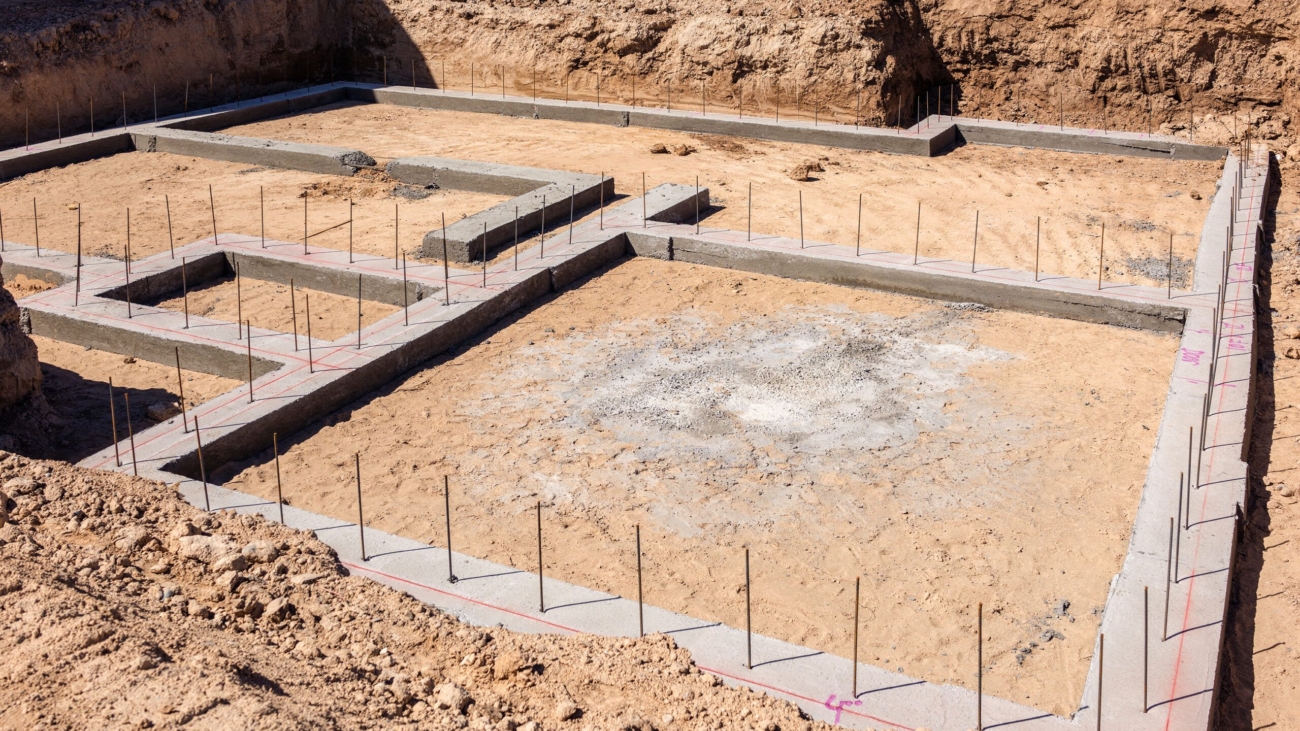
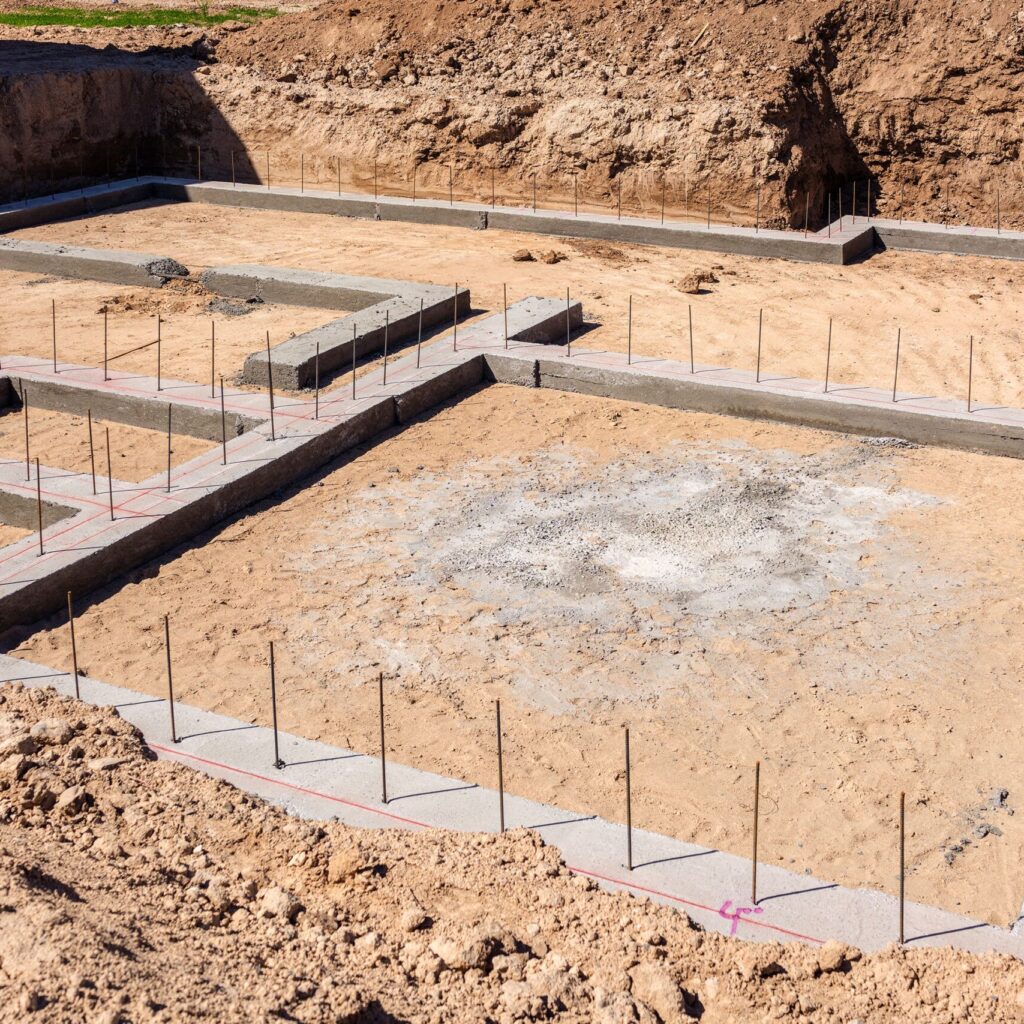
Concrete foundation with rebar on a construction site

Build a House: Complete Home Construction Process | San Jose

So You Want to Build a House? Buckle Up, Buttercup!

Alright, fellow dreamers and future homeowners! Ever stared at an empty lot and pictured your perfect home rising from the dirt? We get it – the idea is thrilling! But let’s be real: building a house isn’t like assembling IKEA furniture (though we’ve all cried over that too, right?). It’s a wild, rewarding ride filled with decisions, surprises, and hopefully minimal hair-pulling. As the team at D&D Home Remodeling here in San Jose, we’ve guided countless folks through this maze. Whether you’re eyeing a full home remodel or starting fresh, we’re breaking it down like we’re chatting over coffee.

Process Of Building A House
Foundation

Why listen to us? We’re your friendly neighborhood general contractor serving San Jose, Santa Clara, Campbell, and all over the South Bay – Milpitas to Morgan Hill. We’ve seen it all: the glorious wins and the “why is that wall pink?!” moments. So grab your hard hat (metaphorically, for now), and let’s dive in.

The Dreaming Phase: Where Ideas Run Wild (And Budgets Weep)

First things first: dreaming big! This is where you Pinterest-binge floor plans and debate granite vs. quartz. But hold up – before you sketch your infinity pool, let’s ground this rocket.

Setting a Realistic Budget
We hate to be the buzzkills, but your budget is the boss. Cost is king here. Think about:

  • Land price (pro tip: near me in Cupertino or Saratoga, this’ll make your eyes water).
  • Construction fees (materials, labor, surprises).
  • Permits, design fees, and that espresso machine you absolutely need.

Why you need a pro:

Seriously, skipping a general contractor now is like baking a cake blindfolded. A good one helps you avoid budget meltdowns. At D&D, we’ve saved clients from financial heartburn by spotting hidden cost traps early. FYI, planning makes everything abortable if life throws curveballs – no shame in pausing!

Choosing Your Dream Team
You wouldn’t let a bathroom remodeler build your whole house, right? Hire specialists:

“But can’t I DIY some of it?” Sure, if you enjoy 3 AM YouTube tutorials and existential dread. We’ve seen it – sometimes it’s brilliant, often it’s… not 🙂

Blueprints, Permits, and Paper Cuts: The Design Tango

Now we turn dreams into lines on paper. This phase? It’s slower than DMV lines but way more important.

Drafting the Blueprint
Work with your architect to nail the layout. Think about:

  • Flow between rooms (no one wants a fridge in the bedroom).
  • Future needs (kids? WFH? That vintage car collection?).
  • Home additions potential – maybe now or later.

Permitting: The Necessary Evil

Ah, permits. Where dreams meet bureaucracy. Every city’s different – San Jose vs. Los Gatos vs. Fremont all have their quirks. A great renovation contractor handles this headache for you. We file permits weekly across Sunnyvale and Campbell, so we know the inspectors by name. Skipping permits? Enjoy future resale nightmares. Just don’t.

Groundbreaking: Dirt, Diggers, and Your Foundation

Finally – action! Watching excavators roll in is pure dopamine.

Site Prep: More Than Just Digging a Hole
We clear the land, level it, and set utilities (water, sewer, power). Soil testing here is crucial. Exterior remodeling veterans like us know: bad soil = cracked walls later.

Pouring the Foundation
This is your home’s spine. Options include slab, crawl space, or basement (rare here, but we’ve done them in Morgan Hill). Get this wrong, and you’ll spend $$$ fixing it. We triple-check everything because, well, gravity’s a jerk.

Framing Day: Where Your House Gets a Skeleton

This is when it feels real. Walls go up! Roof trusses fly in! Suddenly, you’re walking through rooms that exist.

Why Framing Matters
Precision here affects everything – door swings, window views, where your TV hangs. A seasoned general remodeling team ensures walls are plumb and square. We’ve fixed enough DIY framing “oopsies” to write a comedy special.

Rough-Ins: The Guts of the House
While walls are open, we sneak in:

  • Electrical wiring
  • Plumbing pipes
  • HVAC ducts
  • Insulation

Fun fact: This is the last easy access point. Want smart home tech everywhere? Speak now!

Closing Up the Walls: Warm, Quiet, and Ready for Paint

Insulation and drywall transform a noisy shell into something cozy.

Insulation: Your Silent Hero
Choose wisely – spray foam vs. fiberglass affects energy bills big time. In foggy San Jose or windy Milpitas, good insulation pays for itself.

Drywall: Smooth Operator
Hanging and mudding drywall is an art. Done poorly, your walls look like a topo map. We’ve perfected this over 100+ projects. Protip: Opt for soundproofing on bedroom walls. Trust us, future you will thank us when the kids are drumming.

The Fun Part: Fixtures, Finishes, and Flair

Now the personality shines! Cabinets, tiles, lights – this is where you high-five your vision.

Kitchens & Baths: The Showstoppers
A killer kitchen or luxe bath sells houses. Work with a bathroom remodeler or kitchen designer if splurging. But IMO, prioritize:

  • Quality countertops (quartz FTW).
  • Smart storage (drawers > cupboards).
  • Lighting that flatters, not flattens.

Flooring, Paint, and Trim

Hardwood? Tile? That trendy terrazzo? This is sensory heaven. Paint colors look different at 3 PM vs. 8 PM – test swatches! And trim? It’s the suit tie of your home. Don’t cheap out.

The Final Hurdle: Inspections, Punch Lists, and Keys!

You’re almost there! But first: bureaucrats with clipboards.

The Inspection Shuffle
City inspectors will poke every pipe and wire. A best remodeling company anticipates this. We prep clients for minor tweaks – it’s rare to pass 100% on the first go in Santa Clara County.

The Punch List: Nitpick Time
Walk through with your general contractor and tag every tiny flaw – a scratch, a loose handle, that tile grout shade. We love this part; it’s like a treasure hunt for perfectionists.

Move-In Day: Pop the Bubbly!
Congrats! You built a house! Now, unpack, hug those walls, and ignore the urge to immediately start planning that home additions project… for at least a week. 😉


Typical House Build Timeline & Key Focus Areas

Here’s a realistic snapshot (because timelines are fluid, like California traffic):

Phase Duration What You’re Doing Watch Out For
Design & Permitting 2-6 Months Finalizing plans, city approvals Permit delays! Stay flexible.
Site Prep & Foundation 1-2 Months Excavation, pouring concrete Soil issues, weather holdups.
Framing 1-2 Months Erecting walls, roof, windows Measurement errors (nightmare fuel).
Rough-Ins 1 Month Running electrical, plumbing, HVAC Forgetting outlet placements.
Insulation & Drywall 3-6 Weeks Sealing up walls, ceilings Poor mudding = lumpy walls.
Finishes & Fixtures 2-4 Months Floors, cabinets, paint, lights Backorders on that dream tub.
Final Inspections 2-4 Weeks City sign-off, punch list fixes Minor tweaks – don’t panic!

Your Burning Questions, Answered1. How much does it REALLY cost to build a house near me?

Oof, the million-dollar question! In the Bay Area (San Jose, Cupertino, Los Gatos), expect $500-$800+/sq.ft. for custom builds. Land, materials, labor, permits – it piles up. A detailed quote from a renovation contractor is essential.

2. Can I live in my home during a full remodel?
Technically? Maybe. Wisely? Rarely. Dust, noise, and no kitchen = misery. We recommend moving out. For home remodeling services like partial renos, sometimes it’s doable with plastic fortresses.

3. What if I hate the design halfway through?
Changes are abortable but pricey. Post-foundation, moving walls costs $$$. That’s why planning is key! We offer 3D modeling at D&D so you “walk through” designs early.

4. How do I find the best remodeling company in San Jose?
Look for:

  • Licenses + insurance (non-negotiable).
  • Portfolio matching your style.
  • Reviews mentioning communication.
  • Transparency on cost and timelines.
    (Shameless plug: We tick all these boxes across Fremont to Morgan Hill!)

Wrapping This Up (Like Perfect Drywall Tape)

Phew! We just walked you through the entire house-building saga – from starry-eyed dreams to handing over keys. It’s complex, chaotic, and utterly amazing when done right. And hey, if your dream involves exterior remodeling, adding an ADU, or just a kitchen glow-up? We’re here for that too. At D&D Home Remodeling, we’re not just another general contractor; we’re your partners in chaos, serving San Jose and all our awesome South Bay neighbors.

Ready to start? Or just have questions? Contact us today – let’s chat about your vision without the sales jargon. Because honestly? Building should be fun, not frightening. Let’s make something awesome together. 🙂

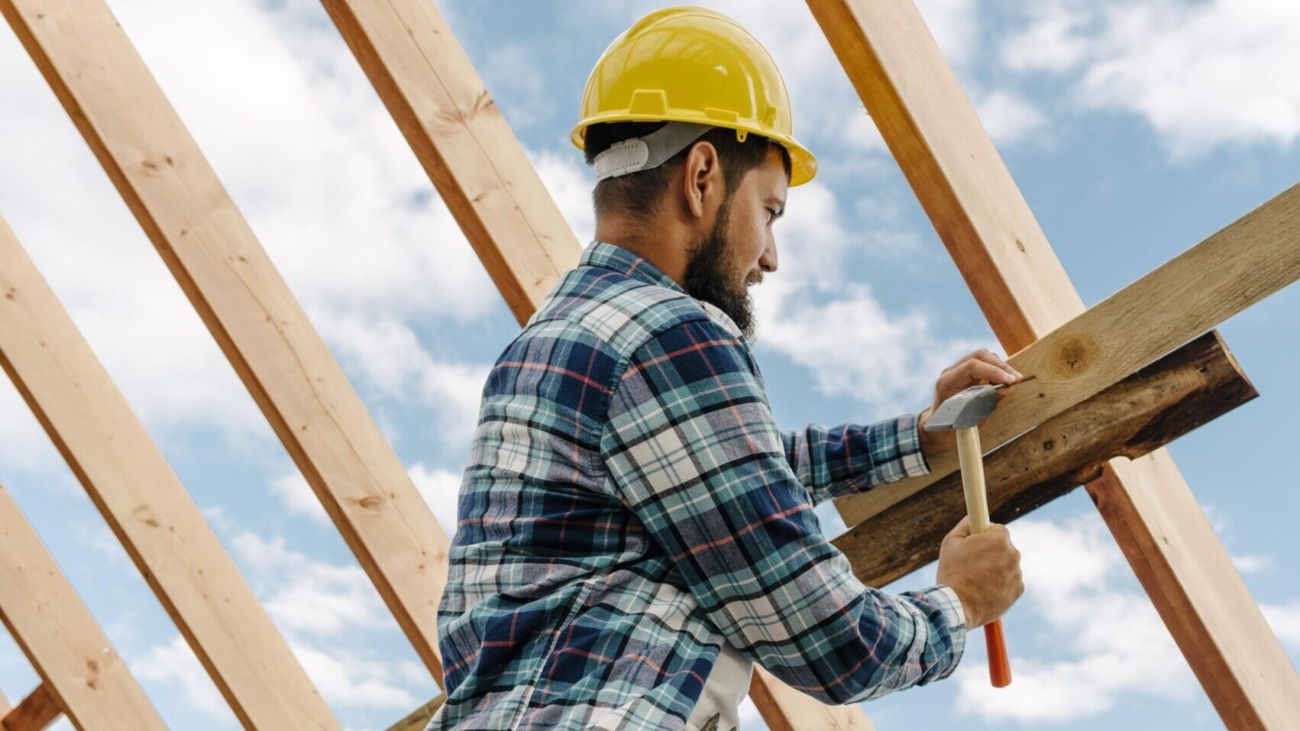
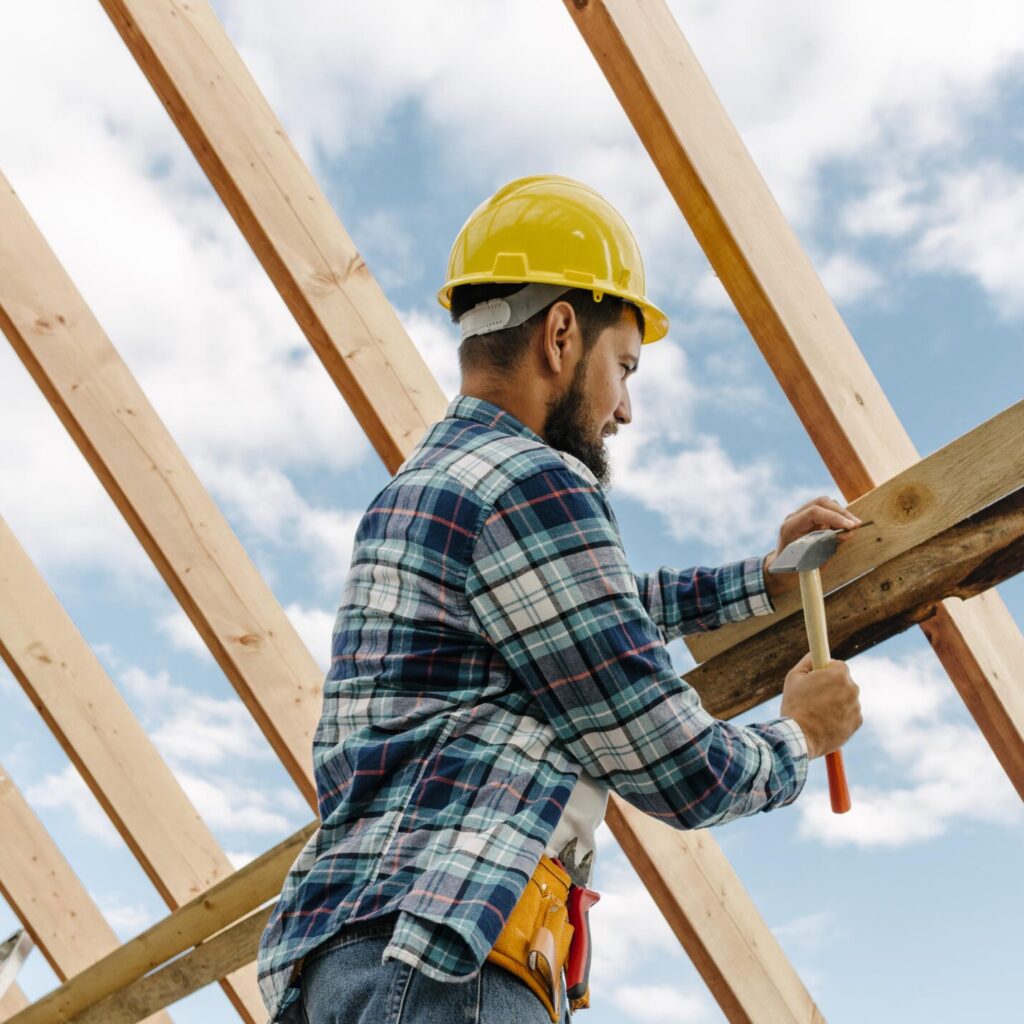
Man in yellow hard hat hammering wood on a roof frame

Swimming Pool Installation & Design | Boost Home Value in San Jose

Making a Splash: Why Adding a Pool Might Be Your Smartest Home Move Yet

Hey there, fellow backyard dreamers! Let’s chat about something juicy: adding a swimming pool to your house. Picture this—it’s 95°F in San Jose, your AC’s wheezing like it ran a marathon, and your only escape is cranking the fan up to “hurricane mode.” Wouldn’t it be chef’s kiss to just stroll outside and dive into your own cool, refreshing oasis? We’ve helped tons of folks in Santa Clara, Campbell, and beyond turn that daydream into reality, and we’re here to spill the tea on how it’s done.

Adding A Swimming Pool To Your House

Why a Pool? More Than Just Beating the Heat

Let’s be real—California summers aren’t just warm; they’re a full-blown sauna session. But beyond dodging heatstroke, a pool is a game-changer for:

  • Family fun: Weekend barbecues just leveled up.
  • Fitness: Who needs a gym when you’ve got laps?
  • Home value: While ROI varies, a stunning pool makes buyers swoon (especially in upscale spots like Saratoga or Los Gatos).
  • Pure relaxation: Ever floated under the stars after a long day? It’s magic.

We’ve seen clients in Sunnyvale and Cupertino transform their yards into staycation hubs. One even joked, “My kids forgot what a hotel pool looks like!”

Pool Types 101: From Basic Dip to Luxe Lagoon

Not all pools are created equal. Your choice? It’s like picking a car—budget, style, and how much upkeep you’re willing to handle. Here’s the lowdown:

Pool Type Cost Range Install Time Durability Maintenance Best For…
Concrete (Gunite) $50K – $100K+ 3-6 months Extremely High High Custom shapes, luxury lovers
Fiberglass $45K – $85K 2-4 weeks High Low Quick install, smooth finish
Vinyl Liner $35K – $65K 4-8 weeks Medium Medium Budget flexibility
Above Ground $5K – $20K 1-3 days Low-Moderate Medium Temporary/rental solutions

FYI

: That “cost” column isn’t just for the pool—it includes excavation, permits, and that chic waterfall feature you’re eyeing.

Planning: Where Dreams Meet Reality (and Permits)

Before you sketch a lazy river on a napkin, let’s talk logistics.

  • Size & Shape: Got a postage-stamp yard in San Jose? A sleek lap pool beats an Olympic monstrosity.
  • Zoning Laws: Yeah, permits. They’re about as fun as stepping on a LEGO, but cities like Fremont or Milpitas have rules (setbacks, fencing) we navigate daily.
  • Extras: Heating, lighting, saltwater systems? Totally doable. Pro tip: Automated cleaners save future-you from weekend scrubbing.

We helped a family in Milpitas maximize their narrow yard with a stunning 30-ft lap pool. Their review? “Worth every penny and paperwork headache!”

The Price Tag: Let’s Talk Numbers (Without the Tears)

“What’s the damage?” is everyone’s first question. Price hinges on:

  • Materials (see table above).
  • Site prep: Sloped yard in Los Gatos? More excavation = more $$$.
  • Features: Infinity edges? Fire bowls? Cha-ching.
  • Landscaping: That palm tree grove isn’t free, folks.

Ballpark figures?

In-ground starts around $35K for basic vinyl, but averages $60K-$80K in our area. And here’s the kicker: projects are abortable if surprises pop up (like hitting bedrock). We’ve never had a client bail mid-project, but flexibility matters!

Why sweat the details? At D&D Home Remodeling, we offer free, no-pressure quotes so you know exactly what you’re investing in—no sticker-shock ambushes.

Construction: What Actually Happens in Your Yard

Ever wonder why pool builds feel like they take forever? Here’s the play-by-play:

  1. Design & Permits: We handle city paperwork (you sip coffee).
  2. Dig Day: Heavy machinery invades. Your dog will lose its mind.
  3. Structure & Plumbing: Steel, concrete, pipes—the “guts.”
  4. Finishing: Tile, coping, and that gorgeous plaster.
  5. Fill ‘er Up: The magical moment. Cue the champagne!

Timeline? 3-6 months, depending on complexity. Rain delays? Unfortunately, yes. We’re good, but we can’t control the skies 🙂

Maintenance: Keepin’ It Blue (Without Losing Your Mind)

Pools aren’t “set and forget.” But with smart choices, upkeep’s a breeze:

  • Weekly: Skim debris, test water chemistry.
  • Monthly: Filter checks, shock treatments.
  • Seasonal: Professional servicing (we know the best local pros!).

Saltwater vs. Chlorine?

Salt is gentler on skin but pricier upfront. Chlorine’s classic but needs more monitoring. Your call!

Why Partner With a Pro? (Spoiler: It’s Not Just the Shovels)

Sure, you could DIY. But would you perform your own root canal? Exactly. A seasoned general contractor (like us!) handles:

  • Engineering headaches: Soil tests, drainage plans.
  • Subcontractor wrangling: Electricians, plumbers, inspectors.
  • Problem-solving: That random boulder under your lawn? We’ve seen it all.

As a full-service home remodeling company, we don’t just do pools. Kitchen gut job next year? Bathroom remodel? We’ve got you. One client in Morgan Hill put it perfectly: “They did our pool, then our kitchen—saved us 10 migraines.”

Why D&D Home Remodeling? More Than Just a Pretty Pool

Look, we’re not the only reno contractor in the South Bay. But here’s what sets us apart:

  • Local Know-How: Permits in Saratoga? Zoning in Cupertino? We speak bureaucrat.
  • Transparency: No hidden fees. Ever.
  • Full-Scale Vision: Pools affect drainage, landscaping, even your home’s foundation. We see the big picture.

Whether you’re in San Jose, Santa Clara, or Sunnyvale, we treat your yard like our own. And hey, we’ve been voted best remodeling company in the South Bay three years running—not to brag or anything 😉

Pool FAQs: Burning Questions, Real Answers

Q: Will a pool increase my property value?A:

In hot markets like Silicon Valley? Absolutely. But it’s about lifestyle appeal. A well-integrated pool with exterior remodeling (think decks, fire pits) wows buyers.

Q: How long until I’m swimming?
A: From permit to plunge, plan for 4-6 months. Delays happen (thanks, rain!), but we keep you updated weekly.

Q: Can I finance this without selling a kidney?
A: Yep! Loans, HELOCs, even pool-specific financing. We’ll break down options during your consult.

Q: What if I change my mind mid-project?
A: While uncommon, projects are abortable. We document costs phase-by-phase, so you only pay for completed work.

Ready to Dive In? Let’s Make Waves Together

Adding a pool isn’t just a renovation—it’s a lifestyle revolution. Morning laps, sunset floats, kids’ laughter echoing off the water… that’s the good stuff. And with a seasoned partner like D&D Home Remodeling, it’s smoother than a saltwater glide.

So, what’s next?
👉 Dream: Sketch your vision (Pinterest boards welcome!).
👉 Discuss: Call us for a free, no-BS consultation. We’ll talk cost, design, and how to dodge common pitfalls.
👉 Dive In: We handle the heavy lifting—you grab the floaties.

Serving San Jose, Fremont, Campbell, Milpitas, Saratoga, Sunnyvale, Los Gatos, Cupertino, Santa Clara, Morgan Hill, and beyond. Let’s turn your backyard into the neighborhood envy.

Your oasis is waiting. Reach out to D&D Home Remodeling today—where we don’t just build pools, we build memories.
📞 (408) POOL-LUV | 📍 San Jose, CA | 🌐 danddhomremodeling.com

P.S. Still debating? Ask us about our pool + patio combo packages. Because margaritas taste better by water, IMO.

Overhead view of a modern living room with people relaxing on sofas

What is a Butler’s Pantry? | Kitchen & Home Remodeling San Jose

So, What’s the Deal with Butler’s Pantries? (And Why You Might Secretly Want One)

Okay, let’s chat about something that sounds incredibly fancy but is actually way more practical than you might think: the butler’s pantry. Ever been elbow-deep in dishes during a dinner party, wishing you could just hide the chaos from your guests? Or maybe you’ve maxed out every cabinet in your kitchen and dream of a dedicated spot for that fancy espresso machine or grandma’s china? Yeah, that’s where this unsung hero comes in. We see this craving for functional, beautiful space all the time at D&D Home Remodeling here in San Jose. Forget Downton Abbey imagery for a second; a modern butler’s pantry is less about Jeeves and more about brilliant organization and seamless entertaining. Think of it as your kitchen’s incredibly useful, slightly quieter wingman.

What Is A Butler's Pantry

We’ve helped folks all over the South Bay – from the bustling kitchens of Sunnyvale to the spacious homes in Saratoga – carve out these gems. And honestly? Once people have one, they wonder how they ever lived without it. No, you don’t need a tuxedoed butler (unless that’s your vibe, no judgment!). You just need smart design and a bit of space. Ready to dive into the world of transitional storage and prep zones? Let’s go!

What Exactly Is This Fancy-Sounding Pantry?

Let’s cut through the historical fog. Traditionally, a butler’s pantry was a small room between the kitchen and dining room. It was the staging ground where the butler would plate food, polish silver, store serving pieces, and basically keep the messy reality of meal prep hidden from the genteel dining experience. Fast forward to today, and a butler’s pantry is essentially a dedicated utility zone adjacent to your main kitchen. It’s not just extra shelves (that’s your walk-in pantry’s job!). It’s a functional workspace focused on:

  • Food Staging & Serving: Plating up meals before they hit the dining table.
  • Small Appliance Central: Housing the coffee maker, toaster, blender, mixer – the noisy or bulky guys cluttering your main counters.
  • Beverage Station: A perfect home for barware, glassware, wine fridges, or your cocktail setup.
  • Extra Storage: Dedicated space for fine china, serving platters, linens, party supplies, or bulk dry goods.
  • Secondary Prep Sink & Counter Space: A spot to wash veggies, mix drinks, or hide dirty dishes mid-party.
  • Hiding the Mess: The real MVP function! Keep the chaos of cooking and cleaning out of sight when guests are over.

Why You Might Actually Want One (Spoiler: It’s Not Just for Butlers!)

Seriously, who wouldn’t want a designated spot to corral kitchen chaos? Here’s why we see homeowners in Campbell, Cupertino, and Los Gatos increasingly asking for these during their home remodeling services:

  1. Entertaining Game Changer: Hosting becomes infinitely less stressful. Prep in peace, stage dishes beautifully, and whisk dirty plates away instantly. Your guests only see the polished result. Magic!
  2. Clutter Conquering: Free up your main kitchen counters! Tuck away appliances and gadgets you use daily but don’t need front-and-center. Suddenly, your kitchen feels larger and calmer.
  3. Storage Superstar: Provides specialized storage for items you don’t use every single day but need accessible. Goodbye, crammed cabinets!
  4. Increased Home Value: Well-designed functional spaces are a major selling point. It signals thoughtful, high-end design to potential buyers.
  5. Multi-Cook Harmony: Creates a secondary workspace, perfect for when multiple people are helping in the kitchen (or when you need to shoo someone out of your way!).
  6. Protects Your Good Stuff: Dedicated cabinets for heirloom china or crystal keep them safe from the daily hustle and bustle of the main kitchen.

Butler’s Pantry vs. Walk-In Pantry: What’s the Diff? (Let’s Settle This!)

People get these confused all the time. It’s understandable! Both offer storage, right? But their core purposes are different. Think of it like this:

Feature Butler’s Pantry Walk-In Pantry
Primary Focus Food Staging, Serving, Secondary Prep Bulk Food & Dry Good Storage
Key Elements Counter space, sink (often), appliance outlets Shelves, racks, deep storage
Appliances Coffee bar, wine fridge, microwave, ice maker Rarely; focused on storage
Location Adjacent to kitchen/dining room (transitional) Often off the kitchen or in a utility area
Visibility Designed to be seen/used during entertaining Designed for utility; often hidden
Best For Entertaining, decluttering main kitchen, drinks Storing groceries, small appliances, overflow

So, while your walk-in pantry is your grocery bunker, the butler’s pantry is your command center for presentation and overflow prep. You can absolutely have both if space allows – the ultimate dream team!

Key Features That Make a Butler’s Pantry Shine (It’s All in the Details!)

Not all butler’s pantries are created equal. What makes one truly sing? Based on what we’ve built as your friendly San Jose renovation contractor, here are the elements we consider essential:

  • Ample Counter Space: Non-negotiable. This is your staging ground. Stone, quartz, or durable laminate work great.
  • Generous Cabinetry: A mix of upper and lower cabinets, often featuring glass fronts on uppers to display pretty dishware. Deep drawers are fantastic too.
  • Sink (Highly Recommended): A small bar sink is a game-changer for rinsing, filling pots, or handling mid-party cleanup. Suddenly, that “abortable” plan to run back to the main sink disappears!
  • Appliance Hookups/Spaces: Dedicated spots and outlets for your coffee station, microwave, wine fridge, or ice maker. Plan this carefully!
  • Thoughtful Lighting: Combine task lighting under cabinets with ambient or even decorative lighting (a small chandelier? Why not!). You need to see what you’re doing!
  • Durable & Beautiful Materials: It might be a workhorse, but it should look good! Match or complement your main kitchen finishes.
  • Strategic Location: Proximity to the kitchen and dining room is key. Often found in a hallway connecting the two, or repurposed from an underused closet or nook.

Where Can You Squeeze One In? (Spoiler: More Places Than You Think!)

Think you need a mansion? Think again! Clever design can integrate a butler’s pantry into many existing footprints. Here’s where we often find the space during general remodeling projects in Fremont, Milpitas, or Morgan Hill:

  • Repurposing a Closet: A deep hallway or unused closet near the kitchen/dining room is prime real estate.
  • Stealing a Corner: Utilizing an underused corner of the kitchen or dining room, perhaps enclosed with beautiful doors.
  • Bumping Out: Small home additions can create the perfect spot if interior space is truly maxed out.
  • Dividing a Larger Space: If you have an oversized walk-in pantry, partitioning part of it for butler’s pantry functions.
  • Along a Pass-Through: Utilizing the space around a window or pass-through between kitchen and dining.
  • Converting a Mudroom Nook: If your mudroom has extra depth near the kitchen entrance.

Designing Your Dream Butler’s Pantry: Let’s Get Practical

Okay, you’re sold on the idea. Awesome! Now, how do you design one that works perfectly for you? As your house remodeling contractor, we start by asking: How do you live and entertain? Do you need a serious coffee bar? A wine station? Massive storage for platters? Here’s a cheat sheet:

Design Element Why It Matters Our Pro Tip
Layout Dictates workflow efficiency. Galley or L-shape are common. Ensure clear walkways! Minimum 36″ width if enclosed.
Counter Depth Needs to handle platters and appliances. 24″ depth is standard; 18″ min for very tight spots.
Cabinet Types Mix for function & display. Glass uppers for display, solid lowers/drawers for hidden storage.
Sink Choice Size & style impact function and look. Small bar sink (12×12″ min) with a sleek faucet. Go for pull-down spray!
Appliance Plan Avoids outlet chaos and ensures fit. Measure appliances first! Include dedicated circuits for fridges/coffee.
Lighting Plan Crucial for tasks and ambiance. Layer it: under-cabinet LEDs + overhead (recessed or pendant). Dimmers!
Flooring Needs to be durable and tie into adjacent spaces. Continue kitchen flooring for flow, or use durable luxury vinyl plank.
Ventilation Often overlooked! Needed if using toaster/microwave frequently. A small vent hood or even a powerful overhead fan can make a big difference.

The goal is a space that feels luxurious but works incredibly hard. And IMO, that’s where the real value lies.

The Real Talk: Cost, Timeline, and Is It Worth It?

Let’s address the elephant in the room: price. How much does adding a butler’s pantry cost? Like any home remodeling services project, it varies wildly. We wish we could give a single number, but factors like:

  • Size & Scope: Are you repurposing a closet (lower cost) or building an addition (higher cost)?
  • Materials: Cabinetry grade, countertop material, fixtures, and finishes significantly impact the bottom line.
  • Plumbing & Electrical: Adding a sink or dedicated appliance circuits adds complexity and cost.
  • Location: Labor and material cost can fluctuate slightly even within the Bay Area (think Saratoga vs. San Jose).
  • Who You Hire: Are you using a handyman, a specialty bathroom remodeler (not ideal!), or an experienced general contractor?

Generally, repurposing existing space might start in the $10k-$25k range. Creating a new space via a bump-out or more complex reconfiguration can push $30k-$60k+. The timeline? A simple conversion might take 2-4 weeks. More complex projects involving structural changes or exterior remodeling could take 6-12 weeks.

Is it worth it? For avid entertainers, families who love to cook together, or anyone drowning in kitchen clutter? Absolutely. It adds significant functional value and can be a strong selling point. Think of it as an investment in your daily sanity and your home’s future appeal. Wondering about cost specifics for your San Jose, Santa Clara, or Cupertino home? That’s exactly why we offer consultations at D&D Home Remodeling – to give you a clear picture without the guesswork. FYI 😉

Why D&D Home Remodeling is Your Go-To for This Project (Shameless Plug, But Earnest)

Look, adding a butler’s pantry isn’t just about slapping up some cabinets. It requires understanding flow, structural possibilities (or limitations!), plumbing, electrical, and seamless integration with your existing home. That’s why working with an experienced general contractor matters. As the best remodeling company serving San Jose and surrounding communities like Sunnyvale, Campbell, and Los Gatos, here’s why we’re the right fit:

  • We Speak “Space”: We see potential where others see walls. Maximizing functionality is our jam, whether it’s a butler’s pantry, bathroom remodeler project, or full home remodel.
  • Complexity? No Sweat: From rerouting plumbing to ensuring proper load-bearing walls, our team handles the nitty-gritty so you don’t have to sweat the small stuff (or the big structural stuff!).
  • Seamless Integration: We ensure your new pantry looks like it was always part of the house, matching finishes and maintaining architectural integrity.
  • Transparency: We talk cost, timeline, and challenges upfront. No nasty surprises.
  • Local Know-How: Knowing the building codes and styles prevalent in Santa Clara County (from Saratoga estates to Milpitas townhomes) makes the process smoother.
  • Beyond the Pantry: Need home additions, exterior remodeling, or other work? We handle it all cohesively. Why juggle multiple contractors?

We genuinely love transforming how people live in their homes. Seeing a client host effortlessly from their new butler’s pantry? That’s the good stuff. If you’re in San Jose or nearby (seriously, we cover from Fremont to Morgan Hill!), and dreaming of a more organized, entertaining-ready home, give us a shout. Let’s chat about making that butler’s pantry dream a reality, minus the actual butler salary! 🙂

Butler’s Pantry FAQs (You Know You Have Questions!)

  1. “What’s the average cost of adding a butler’s pantry near me?”
    As discussed, the price varies massively ($10k-$60k+), depending entirely on your home’s structure, size, materials, and location (labor/material costs in San Jose vs. Morgan Hill might differ slightly). The absolute best way to get an accurate estimate is a consultation with a reputable general remodeling contractor like us. We assess your specific space and needs to give you a realistic number.

  2. “Can I add a butler’s pantry without doing a full kitchen remodel?”
    Absolutely! This is super common. Many butler’s pantries are created by repurposing underutilized space near the kitchen (a closet, hallway, or nook) without touching the main kitchen cabinets or layout. It’s a fantastic standalone project to boost function. We do these all the time!

  3. “Do butler’s pantries actually add value to my home?”
    Yes, they generally do! While it’s hard to pinpoint an exact dollar-for-dollar return, home additions and functional upgrades like a well-designed butler’s pantry are highly attractive to buyers. They signal luxury, organization, and thoughtful design – key selling points, especially in competitive markets like Cupertino or Saratoga. It makes your home stand out.

  4. “What’s the minimum space I need?”
    You can create a functional mini butler’s pantry in as little as 18-24 inches deep and 3-4 feet wide! Think tall cabinets with counter space below, maybe a small sink. It’s tight but doable for appliance storage and staging. For something more comfortable with a sink and decent counter, aim for at least 3.5-4 feet wide and 5-6 feet deep. Every inch counts, and we excel at maximizing small spaces.

Wrapping It Up: More Than Just a Fancy Name

So, there you have it! The butler’s pantry isn’t just a relic of the past or a frivolous luxury. It’s a brilliantly practical solution for modern living – a dedicated zone to streamline entertaining, conquer kitchen clutter, and finally give your small appliances a proper home. Whether you’re a party-throwing pro in Los Gatos or just crave a coffee station that doesn’t monopolize your Sunnyvale kitchen counter, this space delivers.

We’ve seen firsthand the difference it makes for families and entertainers across San Jose and the South Bay. It’s about making your home work better for you. If the idea of hidden prep space, effortless hosting, and finally taming the kitchen chaos sounds like your dream, let’s talk. At D&D Home Remodeling, we live for smart, beautiful transformations. Don’t just dream about that perfect butler’s pantry – let’s build it together. Give us a call, and let’s turn that “what if” into “wow!” Contact us today for a consultation – your future organized, party-hosting self will thank you. 🙂

Person painting a wall with a roller and paint tray on a wooden ladder

Mother-In-Law Suite & ADU Construction | San Jose Home Remodeling

Unlock Your Home’s Secret Weapon: The Mother-In-Law Suite (And Why We’re Obsessed!)

Okay, let’s talk real life for a sec. Ever feel like your house is bursting at the seams? Maybe the kids are boomeranging back, the parents need a softer landing, or you’re just dreaming of a dedicated guest space that doesn’t involve inflatable mattresses in the living room. Or hey, maybe that passive income dream involves more than just lottery tickets? Enter the absolute game-changer: the Mother-In-Law Suite (ADU, granny flat, casita – call it whatever floats your boat!). We see these projects transform homes and lives around San Jose, Santa Clara, Campbell, and all our favorite South Bay spots, and frankly? We’re huge fans. At D&D Home Remodeling, this isn’t just another project type; it’s about crafting flexible, valuable living solutions right where you are.

Mother In Law Suite
Interior Paint

So, What Exactly Is This Magical Suite? (Beyond the Name!)

Let’s ditch the formal jargon. Think of it as your home’s bonus level – a self-contained living space. We’re talking:

  • The Essentials: A bedroom (obviously!), a small but functional kitchenette (microwave, sink, maybe a cooktop), and a bathroom. No sharing the main house bathroom at 2 AM? Yes, please!
  • Privacy is Key: Ideally, it has its own entrance. This is crucial, whether it’s for family harmony or keeping tenants happy.
  • Location, Location, Location: It could be a converted garage in Milpitas, a basement transformation in Saratoga, a bump-out addition on your Sunnyvale bungalow, or even a brand-new detached unit in your Los Gatos backyard. The options? Seriously flexible.

Why Are We (And Your Neighbors) Falling Head Over Heels For These Suites?

Seriously, why the buzz? Let us count the ways:

  1. Multigenerational Magic: Aging parents close by but independent? Check. Adult kids saving for a down payment without living on your couch? Check. This isn’t just about space; it’s about connection with healthy boundaries. D&D Home Remodeling sees the joy (and relief!) this brings families in Cupertino and Morgan Hill all the time.
  2. Rental Revenue, Baby! Let’s talk practical magic. That suite can be a legit income stream. Cover your mortgage, save for vacations, fund retirement – all thanks to your own property. Especially in high-demand areas like Fremont or Campbell, finding a good tenant usually isn’t the hard part.
  3. Skyrocket Your Home’s Value: This isn’t just our opinion; it’s market reality. Adding a legal, permitted ADU is one of the smartest home additions you can make for long-term property value. Future buyers love the flexibility.
  4. Ultimate Guest Oasis: Tired of the air mattress shuffle? Give your guests a true sanctuary. They get privacy, you get your living room back. Win-win! Plus, it makes you the undisputed “best host ever.”
  5. Home Office Nirvana (Or Hobby Heaven): Need a dedicated, quiet space away from the household chaos? A MIL suite conversion can be your productivity sanctuary or creative escape pod. Suddenly, working from home doesn’t mean working from the kitchen table.

Planning Your Perfect Pad: What Keeps You Up At Night? (We Get It!)

Jumping into a full home remodel or a major addition isn’t something you do on a whim. Smart planning is everything. Here’s the lowdown:

  • Attached, Detached, or Converted?: This is step one.
    • Converted Garage/Basement: Often the most budget-friendly starting point in places like San Jose. But does your existing structure have the right bones (plumbing access, ceiling height)?
    • Attached Addition: Bumping out the side or back of your house. Great for direct access but eats into yard space.
    • Detached Unit: Maximum privacy in your Saratoga or Los Gatos backyard. Offers the most flexibility but often comes with a higher cost due to new foundations and utilities. Worth it for the autonomy!
  • Size Matters (But Be Smart!): How much space is truly needed? A compact, efficient 400 sq ft can be incredibly comfortable. Don’t overbuild just because you can – it impacts price and permits. We focus on smart, functional design every time.
  • Designing for Real Life: Think about flow, storage (never enough!), accessibility (wide doorways, maybe a zero-threshold shower for future-proofing?), and natural light. It should feel welcoming, not cramped.
  • The Money Talk: Budget Realities Let’s be upfront. This is a significant investment. Costs vary wildly based on size, complexity, finishes, and site conditions. Finding a renovation contractor who gives transparent, detailed estimates is non-negotiable. D&D Home Remodeling believes in no surprises – we break down the cost factors clearly from day one. Wondering about average price points? Check this out:
Mother-In-Law Suite Type Typical Cost Range (Bay Area) Key Cost Factors Best For…
Garage Conversion $120,000 – $250,000 Condition of garage, plumbing/electrical runs, foundation adequacy, finishes. Maximizing existing structure; often fastest permit process.
Basement Conversion $150,000 – $300,000+ Moisture control, ceiling height, egress windows, adding full bath/kitchen. Homes with dry, usable basements; adding space without footprint.
Attached Addition $200,000 – $400,000+ Foundation work, roofing tie-in, matching exterior, complexity of tying into house systems. Seamless integration; direct access; potentially lower per-sq-ft than detached.
Detached New Construction $250,000 – $500,000+ New foundation, all utilities run (sewer, water, power), separate structure costs, site access. Ultimate privacy; highest rental potential; least disruption during build.

Table Notes: Ranges are estimates; specific price depends heavily on location (Santa Clara vs. Morgan Hill), site specifics, material choices, and current labor/material costs. Permitting fees can add 5-15%. Always get multiple detailed quotes!

Navigating the Red Tape Jungle (Permits, Zoning & Why You Need a Pro)

Okay, here’s where eyes often glaze over (or panic sets in). But ignoring this? Big mistake. California and local cities (San Jose, Campbell, Sunnyvale, etc.) have specific, and sometimes shifting, rules for ADUs. As your general contractor, this is our bread and butter:

  • Zoning is King: Can you even build one? What size? How close to the property line? Detached or attached only? Every city (heck, sometimes every neighborhood!) has nuances. “Near me” regulations matter intensely.
  • Permits are NOT Optional: Skipping permits might seem tempting to save time or cost, but it’s a ticking time bomb. Unpermitted work can lead to fines, forced removal, insurance nightmares, and tank your property value when selling. We handle the permit process soup-to-nuts. It’s part of the job.
  • Setbacks, Height Limits, Parking… Oh My! The devil is in the details. Knowing the specific requirements for your lot in Cupertino or Milpitas is critical for a smooth approval. This is where a seasoned house remodeling contractor with local ADU experience is worth their weight in gold.

Why Partnering with D&D Home Remodeling Makes This Journey Way Smoother (And Less Stressful!)

Look, adding a MIL suite is a major undertaking. You don’t want just any bathroom remodeler or handyman attempting this. You need a best remodeling company with specific expertise. Here’s why folks in San Jose and across the South Bay trust us for their general remodeling and ADU dreams:

  • ADU Specialists, Not Dabblers: We eat, sleep, and breathe ADU regulations, designs, and construction challenges specific to Santa Clara County. We know what each city planner wants to see.
  • Full-Service Peace of Mind: From the initial dream sketch through design, permits, construction, and final inspection – we’re your single point of contact. No juggling architects, engineers, and separate trades. We manage it all as your general contractor.
  • Transparency on Tap: Sticker shock? Not on our watch. We provide detailed, upfront estimates and keep you informed every step of the way. No hidden fees, no nasty surprises.
  • Local Knowledge is Power: Knowing the soil conditions in Los Gatos, the common permitting hiccups in Fremont, or the preferred materials in Saratoga? That’s local insight you can’t Google. We’ve built relationships with inspectors and suppliers across the region.
  • Design-Build Efficiency: Our team collaborates from concept to completion. This streamlines the process, avoids costly design errors, and gets you enjoying your new space faster. Thinking about exterior remodeling to match the new addition? We seamlessly integrate it.
  • “Abortable” Planning: Okay, maybe “abortable” isn’t a common term, but the concept is vital! We structure the planning phase so you have clear off-ramps before major financial commitments are locked in. If feasibility studies or initial designs show it won’t work for your budget or lot, you haven’t sunk fortunes into construction yet. Smart planning protects your investment.

Burning Questions? We’ve Got Answers (The Real Ones!)

You’ve got ’em; we answer ’em daily. Here are the top contenders:

  1. “Will adding a MIL suite REALLY increase my property value enough to justify the cost?”

    • Absolutely, and often significantly. A well-built, permitted ADU is a major asset, especially in the Bay Area. Appraisers recognize the added square footage and income potential. While exact ROI varies, it consistently ranks as one of the highest-value home remodeling services. It future-proofs your home for a variety of buyers.
  2. “How long does the whole process ACTUALLY take from idea to move-in?”

    • Buckle up, it’s a marathon, not a sprint. For a smooth project, expect 12-18 months minimum. Design and permits alone can take 6-10 months in some South Bay cities. Construction typically takes 4-8 months depending on complexity. Patience is key, but a good renovation contractor manages timelines proactively. FYI, starting the permit process early is the single biggest time-saver.
  3. “Can I rent it out on Airbnb or just long-term?”

    • This is HUGE and city-specific! California state law generally supports renting ADUs, but local ordinances vary widely. Some cities (San Jose has specific rules) restrict short-term rentals (like Airbnb) for ADUs, while others allow it. Long-term rentals (30+ days) are almost universally permitted for legal ADUs. We always clarify the rental rules for your specific location during planning – it fundamentally impacts design and investment potential. Don’t assume!
  4. “Do I need to provide parking for the suite?”

    • State law simplified this! In most cases, no, you cannot be required to add new parking for an ADU built in an existing garage or within half a mile of public transit (which covers most of the urban South Bay!). For new detached units not replacing a garage, some parking requirements might still apply depending on location. This is a major win for feasibility on standard lots! We verify this for your specific address.

Ready to Make Your Home Do Double (or Triple!) Duty?

So, there you have it. The Mother-In-Law Suite isn’t just a trendy buzzword; it’s a powerful tool to unlock your home’s hidden potential. Whether it’s bringing family closer, building financial security, or just finally having that amazing guest space, the benefits are hard to ignore. Yeah, it’s a project – we won’t sugarcoat that. Permits can be tedious, budgets need managing, and decisions pile up. But with the right team? It transforms from a daunting task into an exciting journey.

That’s where D&D Home Remodeling shines. We live and work right here in San Jose, tackling these projects daily across Santa Clara, Campbell, Milpitas, Saratoga, Sunnyvale, Los Gatos, Cupertino, Fremont, and Morgan Hill. We know the terrain, we speak the language (both construction and permit-ese!), and we genuinely love creating spaces that make our clients’ lives better.

Think your home has a bonus level waiting to be unlocked? Let’s chat! Seriously, grab a coffee, give us a call, or shoot us a message. We’ll listen to your vision, look at your space, and give you the straight scoop on what’s possible (and what it takes). No pressure, just honest expertise from your local ADU nerds. Let’s build something amazing together. 🙂

Two roofers working on a residential roof with terracotta tiles and exposed beams.

San Jose Building Permits & Remodeling Regulations | Your Guide

Navigating the San Jose Building Department: Your Not-So-Secret Weapon for Awesome Home Renovations

Alright, let’s chat about something that sounds drier than week-old toast but is actually crucial for your dream renovation: the San Jose Building Department. Yeah, we know—permits, codes, inspections… thrilling, right? But stick with us. If you’re tweaking your kitchen, adding a second story, or just fixing that “quirky” wiring, understanding this process is the difference between a smooth project and a full-blown headache. And trust us, at D&D Home Remodeling, we’ve seen it all.

San Jose Building Department

Why Should We Even Bother with Permits?

Let’s be real: skipping permits feels tempting. Less paperwork, faster start, right? Wrong. Here’s why playing by the rules matters:

  1. Safety First (Obviously): Codes exist so your bathroom remodel doesn’t turn into an indoor pool due to faulty plumbing.
  2. Resale Value: Unpermitted work? Buyers and appraisers will spot it. That gorgeous full home remodel could become a liability.
  3. Insurance Nightmares: If unpermitted electrical work causes a fire? Good luck getting coverage.

We’ve rescued clients who tried the DIY permit route and got stuck in red tape purgatory. One couple in Campbell almost aborted their project after 3 months of back-and-forth. Don’t be that couple.

Demystifying the San Jose Permit Process

So, what’s the deal? The Building Department oversees plans, issues permits, and sends inspectors to ensure work meets California’s rigorous codes. Projects like home additions, structural changes, or major electrical/plumbing work always need permits.

Here’s a cheat sheet for common projects:

Project Type Permit Usually Required? Why It Matters
Bathroom Remodel ✅ (if moving plumbing) Prevents leaks, mold, and “why’s the ceiling collapsing?”
Exterior Remodeling ✅ (siding, roofing, etc.) Ensures materials can handle our quirky Bay Area weather
Minor Kitchen Updates ❌ (cosmetic only) Swap cabinets? Go wild. Gas line moved? Permit needed.
Home Additions ✅ (always) Structural integrity isn’t optional, folks.

Pro Tip: Always check the City of San Jose’s Planning Portal. Or better yet—ask us. We handle this daily.

The “Near Me” Trap & Why Experience Wins

Ever googled “bathroom remodeler near me” or “best remodeling company San Jose“? You’ll get 50 hits. But here’s the kicker: not all contractors speak “Building Department.” At D&D Home Remodeling, we’re fluent. We know:

  • Which planners respond fastest (shout-out to the 4th-floor crew!).
  • How to phrase project descriptions to avoid “review loops.”
  • When to push back (politely!) when interpretations get fuzzy.

A general contractor without these relationships? They’ll burn your timeline—and budget.

Let’s Talk Cost (Because We Have To)

“What’s the price?” is everyone’s first question. Permit fees in San Jose range from $150 (minor electrical) to thousands (large home additions). But the real cost? Time. If your plans get rejected, you’re paying your renovation contractor to redraw them.

Our advice? Budget for permits upfront. For a typical full home remodel in Santa Clara or Cupertino, allocate 5–10% of total project costs. Yes, it stings. But losing weeks in revisions? That stings more.

Why D&D Makes This Almost Painless

Look, we won’t lie—the Building Department isn’t Disneyland. But as house remodeling contractors who’ve navigated 250+ projects in San Jose, Sunnyvale, Los Gatos, and beyond, we’ve got this down to a science.

We handle:

  • Plan Prep: Our draftsmen speak “code-ese.”
  • Submission & Tracking: We babysit your application.
  • Inspections: We meet inspectors onsite so you don’t have to take time off work.

A client in Saratoga recently told us, “You turned a 6-month permit saga into 3 weeks.” Mission accomplished 🙂

Your Escape Hatch (Because Life Happens)

Worried about committing? Smart. That’s why we make projects abortable. If permits hit a snag (e.g., zoning issues in historic Milpitas), we pivot—no guilt trips. Our contracts clarify exit points because your sanity matters.

Ready to Transform Your Space? Let’s Do This Right

Whether you’re in Morgan Hill, Fremont, or anywhere in between, D&D Home Remodeling blends creativity with compliance. We treat permits like a strategic game—and we play to win.

So why sweat the bureaucracy solo? Get a general remodeling partner who’ll handle the paperwork while you pick backsplash tiles.

👉 Contact D&D Home Remodeling today for a stress-free consult. Let’s make your vision happen—permits included.


FAQs: San Jose Building Department Edition

1. How long do permits take in San Jose?

It varies wildly. Simple electrical permits: 1–2 weeks. Major remodels: 8–12 weeks. Using an experienced renovation contractor (like us!) streamlines this.

2. Can I pull my own permits?
Technically, yes. But unless you’re fluent in Title 24 and zoning codes, it’s like doing your own root canal. Mistakes delay projects by months.

3. What happens if I skip a permit?
Worst case? Fines, forced demolition, or selling your home at a loss. Best case? An inspector flags it during a future sale. Just. Don’t. Risk. It.

4. Are permit costs public?
Yep! San Jose’s fee schedule is online. But remember—the true cost includes design revisions and contractor time. Budget accordingly!


D&D Home Remodeling – Serving San Jose & the Greater South Bay with Code-Savvy Creativity Since 2009.

Finished kitchen and house framing overlay

Modern Spanish Interior Design | San Jose Home Remodeling

Oops, We Fell in Love with Modern Spanish Design (And Your Home Might Too!)

Hey there, design adventurers! Ever walked into a room and felt instantly wrapped in warmth, like a sun-soaked afternoon in Andalusia? That’s modern Spanish interior design working its magic. It’s not your abuela’s heavy, dark-wood-everything aesthetic—nope. Today, we’re blending rustic soul with sleek simplicity. And spoiler: we’re obsessed. As the crew at D&D Home Remodeling in San Jose, we’ve turned countless Bay Area homes into Spanish-inspired havens. So grab a café con leche, and let’s geek out over arched doorways, terracotta, and why this style is chef’s kiss for California living.

Modern Spanish Interior Design
Home Addition

Wait, What Even Is Modern Spanish Design?

Picture this: traditional Spanish charm (think wrought iron, textured walls, earthy tones) gets a minimalist glow-up. Out go the fussy trinkets; in come clean lines, open spaces, and a vibe that’s cozy but uncluttered. It’s like Gaudí and a Scandinavian designer had a very stylish baby. We’ve seen clients in Sunnyvale panic—”Won’t it feel like a theme park?”—but trust us, when done right? Pure elegance.

Key ingredients? Think:

  • Natural materials: Terracotta tiles, reclaimed wood, linen fabrics.
  • Earthy palettes: Warm whites, ochres, deep blues, and olive greens.
  • Architectural drama: Vaulted ceilings, arched niches, exposed beams.
  • Strategic simplicity: Fewer items, but each piece sings (like a hand-painted tile backsplash).

FYI, it’s shockingly versatile. We once transformed a cramped Campbell bungalow using light-colored terracotta and open shelving—suddenly, it felt like a Sevilla courtyard. Magic? Nope, just smart design.

Why Modern Spanish Style is Your Home’s Bestie

Look, trends come and go (looking at you, avocado appliances). But this? It’s timeless. Here’s why we’re all-in:

It Plays Nice with California’s Vibe
Spanish architecture basically invented California cool. Those thick walls? Natural insulation for our San Jose summers. Courtyard-inspired layouts? Perfect for indoor-outdoor flow. And let’s be real: our light here in Santa Clara County? It makes terracotta floors glow like honey. IMO, it’s the ultimate “why fight it?” design choice.

Surprisingly Wallet-Friendly
“Cost” freaking you out? Breathe. Unlike some ahem over-the-top styles, modern Spanish leans into raw, affordable materials. Salvaged wood? Check. Textured plaster instead of marble? Double-check. We recently did a bathroom remodeler project in Los Gatos using handcrafted cement tiles (way cheaper than porcelain) and the client high-fived us over the price.

Low Drama, High Impact
No need for a full home remodel to dabble. Swap cabinet hardware for wrought iron. Add a geometric tile rug. Boom—instant personality. Even renters can fake it ’til they make it. 🙂

Your No-Stress Guide to Getting the Look

Ready to flirt with this style? Start here:

Walls & Floors: Texture is Everything
Skip flat paint. Go for:

  • Stucco or limewash finishes: Messy-chic and hides toddler fingerprints (parenting win!).
  • Terracotta or Saltillo tiles: Durable, warm underfoot, and screams “I vacation in Costa del Sol.”
    Pro tip: Use large-format tiles in high-traffic zones (hi, kitchens!) to avoid grout fatigue.

Furnishings: Keep It Grounded
Avoid matchy-matchy sets. Mix:

  • Organic shapes: A chunky wood dining table + sleek linen chairs.
  • Vintage gems: Hit flea markets in San Jose or Saratoga for rustic stools or iron lanterns.
  • Minimalist accents: Concrete planters, woven rugs—nothing too precious.

Lighting: Channel Sunset Hour
Wrought-iron chandeliers? Sí. But modernize them with clean bulbs or matte black finishes. In a Fremont project, we used pendant lights with cage designs—cozy but not “dungeon core.”

Why DIY Might Make You Cry (And How We Save the Day)

Okay, real talk: that YouTube tutorial won’t prep you for load-bearing walls or tile spacing nightmares. As your friendly general contractor squad, we’ve seen DIY dreams go abortable faster than you can say “crooked archway.” Here’s where D&D Home Remodeling swoops in:

  • We speak “design” and “structural engineering”: Those sexy curved walls? They need math. Lots of math.
  • Local codes? We’ve got ’em memorized: From Cupertino to Morgan Hill, permit headaches are our kryptonite.
  • Stress-free scaling: Just want a kitchen refresh? Cool. Craving home additions with courtyard vibes? We’ll bring the paella.

Seriously, why wrestle with exterior remodeling when our crew handles everything? We’re your renovation contractor, bathroom remodeler, and therapy session all in one.

Cost Breakdown: No Smoke, Just Mirrors (and Real Numbers)

Let’s demystify price. Modern Spanish isn’t inherently pricey, but skimping on craftsmanship backfires. Here’s a ballpark:

Project Type Average Cost Range Where We Save You $
Bathroom Remodel $15k–$35k Source tiles locally; reuse fixtures
Kitchen Refresh $20k–$50k Mix high-low materials (e.g., quartz + terracotta)
Full Home Remodel $100k–$300k+ Phased work to spread costs
Exterior Facelift $25k–$60k Stucco over full teardown

Prices vary based on size, materials, and if your house has “surprises” (old plumbing, we see you).

Key factors:

  • Material choices: Handmade tiles cost more but last decades.
  • Layout changes: Moving walls = $$$.
  • Location quirks: Hillside homes in Saratoga need extra engineering TLC.

We offer transparent quotes because nobody likes bill shock. FYI, we service San Jose, Santa Clara, Campbell, Milpitas, Saratoga, Sunnyvale, Los Gatos, Cupertino, Fremont, and Morgan Hill. Just search “best remodeling company near me” and we’ll pop up!

4 Burning Questions (Answered Without the Jargon)

1. Can modern Spanish work in a tiny space?
Absolutely! We use light walls, strategic arches, and multifunctional furniture. A Los Gatos studio we did felt twice its size with vaulted ceilings and floor-to-ceiling curtains.

2. How do I avoid it looking “theme-y”?
Balance is key. Pair terracotta with modern art. Use iron accents sparingly. And for the love of Gaudí, skip the plastic bull statues.

3. What’s the biggest mistake people make?
Overdoing textures. Rough walls + nubby rugs + woven chairs = sensory overload. Edit ruthlessly!

4. Why choose D&D Home Remodeling over other contractors?
We eat, sleep, and breathe Bay Area homes. Our team lives here (shoutout to Campbell coffee runs!), so we get local style and quirks. Plus, our home remodeling services include 3D designs so you see your vision before we swing a hammer. No “oops” moments.

Ready to Turn Your Pad Into a Spanish Dream Den?

So, fellow design nerds, modern Spanish isn’t just a trend—it’s a love letter to warmth, history, and livability. Whether you’re craving a subtle refresh or a gut job, it’s all about soul over stuffiness. And hey, if your DIY zeal fizzles (no shame!), D&D Home Remodeling’s got your back. We’re your house remodeling contractor BFFs in San Jose, making “abortable” projects a myth. 😉

Let’s chat! Dreaming of arched doorways or a kitchen that channels Barcelona tapas bars? Hit us up for a free consult. Because life’s too short for boring walls.