
We’ve seen a lot of artificial turf projects over the years. Some look great for a decade. Others start peeling up after one rainy season. The difference usually comes down to one thing: how the ground was prepared before the grass ever went down.
If you’re looking into artificial turf installation services in Sunnyvale, you’re probably tired of the constant watering, the brown patches, or the mud that gets tracked into the house every time it rains. We get it. We’ve worked with dozens of homeowners who came to us after trying the big box store approach or hiring a general handyman who “knew someone” who could do it cheap. Almost every single one of them ended up paying more in the long run.
So let’s talk about what actually matters when installing artificial turf in this area. Not the marketing fluff. Not the “our installers are the best” nonsense. Real, practical stuff we’ve learned from doing this work in Sunnyvale for years.
Key Takeaways
- Proper site preparation—excavation, compaction, and base material—determines 90% of the project’s long-term success.
- Drainage is non-negotiable in Sunnyvale’s clay-heavy soils; without it, water pools and turf deteriorates.
- Infill choice (silica sand vs. rubber vs. organic) directly affects heat retention, pet safety, and maintenance.
- Hiring a specialized crew often costs less over five years than a low-ball installer who cuts corners on subgrade work.
The Real Cost of Cheap Turf Installation
We’ve pulled up plenty of “bargain” installations. The pattern is almost always the same: thin base layer, no weed barrier worth mentioning, and turf that was glued down without proper seam tape. After one summer of kids and dogs, the seams start to separate. After one winter of rain, the edges curl.
The initial price tag might have been half of what we charge. But that homeowner is now looking at a full rip-out and reinstall. Suddenly, that “deal” costs more than going with a reputable crew from the start.
This isn’t about being expensive for the sake of it. It’s about understanding that the ground underneath Sunnyvale moves. We have expansive clay soils that swell when wet and shrink when dry. If you just lay turf on top of dirt, that movement will telegraph right through the surface. You’ll see ripples, dips, and uneven spots within a year.
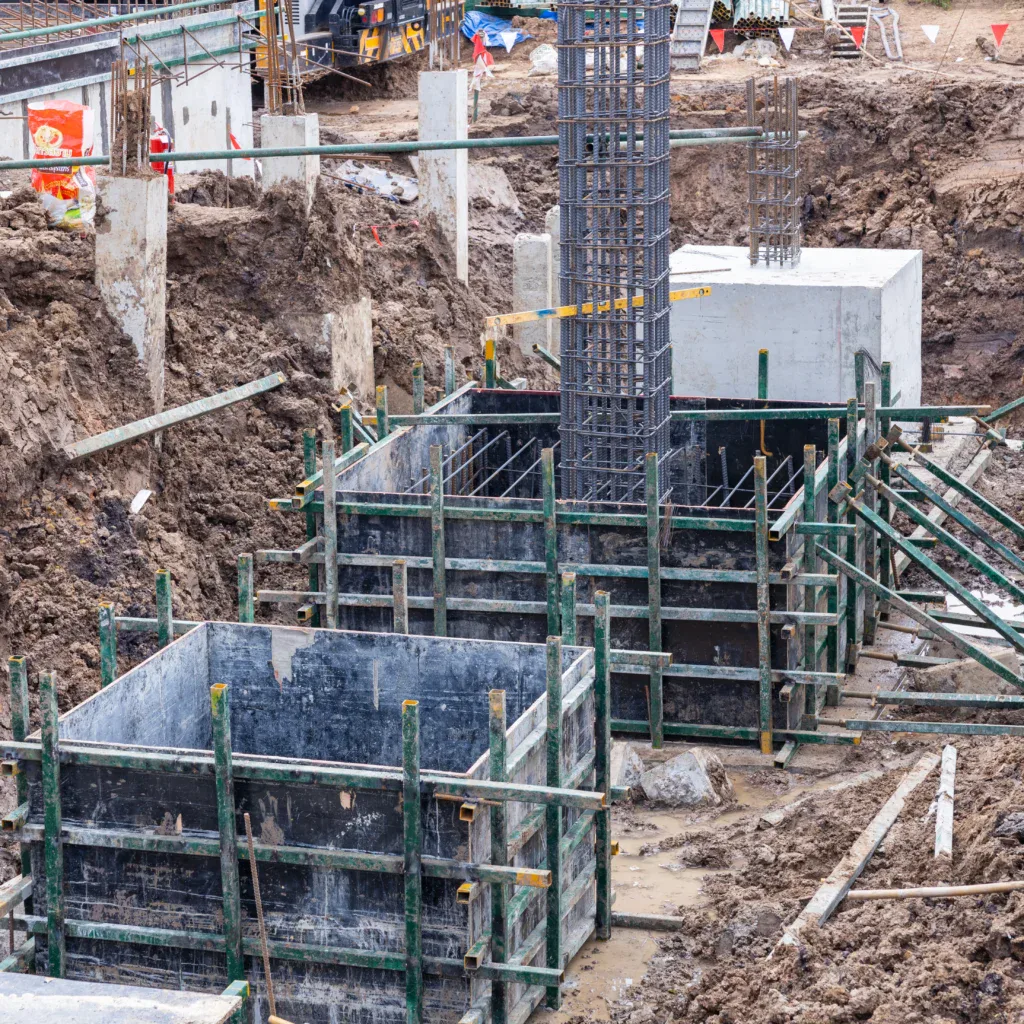
A proper installation accounts for that. We excavate four to six inches of native soil, bring in a crushed granite base, compact it in lifts, and then add a layer of decomposed granite for final grading. That base acts like a shock absorber for the soil movement. It also provides drainage, which is critical.
Why Drainage Matters More Than You Think
Sunnyvale doesn’t get as much rain as Seattle, but when it rains here, it can come down hard. And our clay soils don’t drain well. If you install turf without addressing drainage, you end up with a giant bathtub liner. Water sits on top, the backing of the turf degrades faster, and you get that musty smell that makes you regret the whole project.
We always install a perforated drainage layer or a geotextile fabric that allows water to pass through into the base rock. On larger areas, we sometimes tie in a french drain that routes water away from the house foundation. It’s an extra step, but it’s the difference between a yard that stays dry and one that stays soggy.
One customer in the Sunnyvale area near the Baylands had a backyard that was basically a swamp after every storm. They’d tried bark and pavers. Nothing worked. When we installed the turf with proper drainage, they told us it was the first time in five years they could walk in their backyard after a rain without sinking. That’s the kind of result that comes from understanding local conditions, not just following a generic installation guide.
Choosing the Right Turf for Your Lifestyle
Not all artificial grass is the same. There are hundreds of products out there, and the differences matter more than most people realize.
Pile Height and Density
Short pile turf (around 1 inch) works well for putting greens and high-traffic pathways. It doesn’t mat down as much and cleans up easily. Longer pile turf (1.5 to 2 inches) looks more realistic and feels softer underfoot, but it requires more infill to keep the blades upright. It also traps more debris.
We’ve seen families with dogs choose short pile because it’s easier to hose off. We’ve seen homeowners who want a lush, manicured look go with medium pile and a thatch layer for that natural variation. There’s no universal right answer. It depends on how you use the space.
Face Weight and Backing
Face weight is the amount of grass per square yard. Higher face weight usually means a denser, more durable product. But it also means heavier rolls that are harder to install. Backing material matters too. Polyurethane backing is more flexible and resists delamination better than latex, especially in heat. Sunnyvale summers can push 100 degrees, and cheap backing will break down under UV exposure.
We’ve tested a lot of products over the years. Our go-to is a mid-range turf with a polyurethane backing and a face weight around 60 ounces. It’s not the cheapest, but it holds up well in our climate and doesn’t fade after two summers.
Infill: The Invisible Workhorse
Infill is the material brushed into the turf after installation. It weighs down the grass, keeps the blades standing up, and provides cushioning. The type of infill you choose has real consequences.
Silica sand is the standard. It’s cheap, it works, and it doesn’t retain much heat. But it can get dusty in dry weather and can be hard on pet paws if it’s too coarse.
Rubber crumb (made from recycled tires) provides great cushioning for playgrounds and sports areas. But it holds heat like crazy. On a 90-degree day, rubber infill can make the surface temperature unbearable. We don’t recommend it for Sunnyvale unless you’re okay with that trade-off.
Organic infill (like cork or walnut shells) is growing in popularity. It’s natural, doesn’t retain as much heat, and is softer underfoot. But it breaks down over time and needs to be replenished more often. It’s also more expensive.
For most homeowners in Sunnyvale, we recommend a blend of silica sand and a small amount of acrylic-coated sand for color retention. It’s a balanced choice that performs well across all seasons.
Common Installation Mistakes We See Repeated
If you’re considering doing this yourself or hiring a low-cost crew, watch out for these mistakes:
Skipping the weed barrier. Some installers lay turf directly on dirt or a thin layer of sand. Weeds will find their way up through the drainage holes. A proper weed barrier fabric stops that.
Poor seam work. Seams should be taped and glued, not just overlapped. We use seam tape and a two-part adhesive. A good seam is invisible. A bad one is a trip hazard and an eyesore.
Inadequate compaction. The base needs to be compacted with a plate compactor, not just tamped by hand. Loose base settles over time, creating dips where water collects.
Ignoring expansion. Turf expands and contracts with temperature. If it’s installed tight on a cool day, it can buckle when the sun hits it. We always leave a small gap at the edges and let the turf relax before final fastening.
When DIY Makes Sense (and When It Doesn’t)
We’re not going to tell you that you can’t install artificial turf yourself. Plenty of people do it successfully on small areas. A 10×10 patch for a dog run or a small patio border is totally doable with some research and elbow grease.
But for anything larger than 200 square feet, or if the area has slopes, drainage issues, or existing concrete, we’d strongly recommend hiring a professional. The equipment alone—plate compactors, turf cutters, infill spreaders—is expensive to rent. And the learning curve is steep. One bad seam or a poorly graded base can ruin the whole project.
We’ve had customers come to us after a DIY attempt that looked fine for three months, then started to fail. They spent $1,000 on materials and another $2,000 to have us fix it. They would have been better off hiring us from the start.
Cost Expectations and Trade-Offs
Here’s a realistic breakdown of what you’re looking at for a typical backyard in Sunnyvale (around 400-600 square feet):
| Component | Cost Range | Notes |
|---|---|---|
| Turf material | $2.50 – $5.00 per sq ft | Higher face weight costs more but lasts longer |
| Base materials (rock, decomposed granite) | $0.50 – $1.00 per sq ft | Depends on depth needed |
| Infill | $0.30 – $0.80 per sq ft | Silica sand is cheapest; organic is priciest |
| Labor | $3.00 – $6.00 per sq ft | Varies by complexity and access |
| Drainage work (if needed) | $500 – $1,500 | French drain or dry well |
| Removal of existing lawn | $0.50 – $1.00 per sq ft | More if concrete needs demo |
Total for a 500 sq ft project: roughly $4,000 to $7,000 installed. That sounds like a lot, but compare it to the cost of maintaining a natural lawn in California’s water-restricted environment. The average homeowner saves 50,000 gallons of water per year by switching to turf. Over five years, the water savings alone can offset the installation cost.
When Artificial Turf Isn’t the Right Choice
We’ve installed turf in some great spots and some not-so-great ones. Here’s where we’d advise caution:
Shaded areas under dense tree canopy. Turf needs some airflow to stay dry. In deep shade, it can develop mold or algae, especially if leaves accumulate. If you have a heavily shaded yard, consider native ground covers or permeable pavers instead.
Areas with extreme slopes. Turf can be installed on slopes, but it requires additional anchoring and drainage. If the slope is steeper than 3:1, you’re better off with terracing or hardscaping.
Rental properties. If you don’t own the property, check with the landlord first. Some HOAs also have restrictions on artificial turf. Sunnyvale has relaxed some of those rules in recent years, but it’s worth verifying.
High-heat zones near pools or patios. Turf gets hot in direct sun. If you’re installing it right next to a concrete pool deck, the reflected heat can make it uncomfortable to walk on barefoot. We recommend a lighter color turf and an infill that doesn’t retain heat.
The Bottom Line
Artificial turf is a solid investment for many Sunnyvale homeowners. It saves water, reduces maintenance, and gives you a usable outdoor space year-round. But the quality of the installation determines whether you’ll love it or regret it.
We’ve seen too many people get burned by cheap installs or rushed DIY jobs. The right approach is to invest in proper site prep, choose a turf that fits your actual use case, and work with someone who understands how local soil and climate affect the finished product.
If you’re in Sunnyvale and thinking about making the switch, take your time. Look at a few jobs in person. Ask about drainage and base preparation. And don’t be afraid to spend a little more upfront for something that will actually last.
We’ve been doing this long enough to know that a well-installed artificial lawn can transform how you use your outdoor space. It’s one of those rare home improvements that pays for itself in peace of mind.