

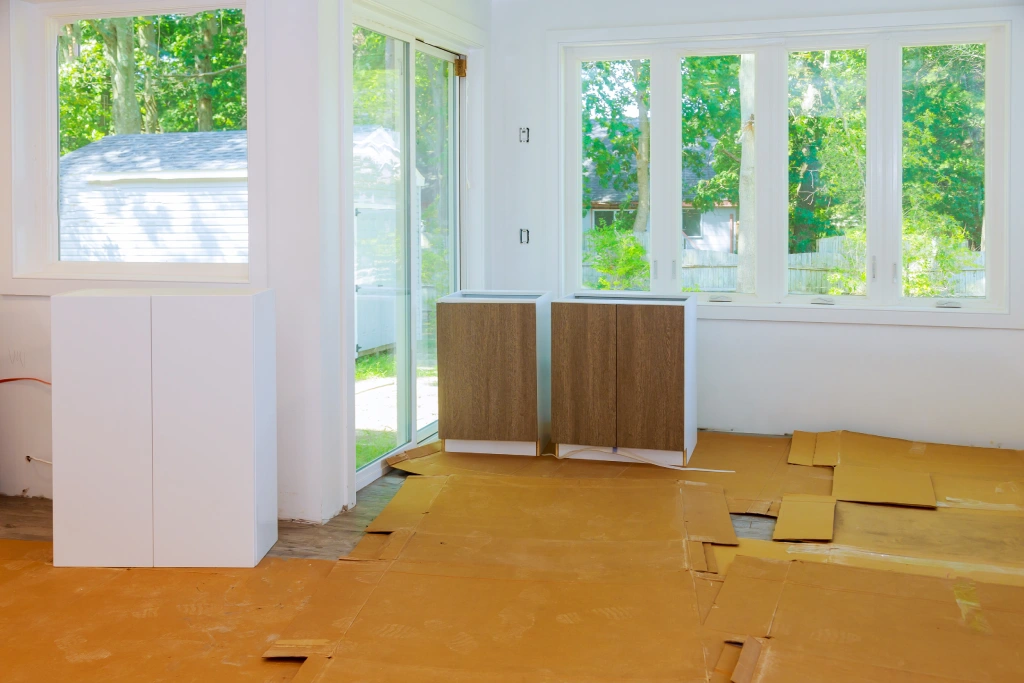


Our kitchen was stuck in the early 2000s and desperately needed a refresh. The kitchen renovator completely changed the look and feel of our space. Even during the busy season in San Jose, they kept everything on schedule. They helped us choose finishes that brighten up the room, especially during these shorter winter days. The attention to detail really impressed us. Cooking now feels enjoyable again. I would absolutely recommend them to anyone updating their kitchen.


After years of putting it off, we finally decided to renovate our older home here in San Jose. The dry summer weather made it the perfect time to get started. The renovation team listened carefully to what we wanted and brought fresh ideas we hadn’t even considered. They stayed organized and kept us updated throughout the process. The transformation is unbelievable—it feels like a brand-new house. We couldn’t be happier with the results. Highly recommend for any home renovation project.

D&D Home Remodeling Service exceeded my expectations from start to finish. Their communication was clear, pricing was fair, and the quality of work was outstanding. The crew was respectful of my home and kept the workspace clean throughout the project. I’m extremely happy with the final outcome and will definitely use their services again.
I just needed a door for my bathroom and D&D came out and suggested that we install a barn door since we aren't ready for a full remodel and gave us a reasonable quote for the install so I purchased one from Amazon and gave them a call when it came in and they came out within a few days and Terence did a fine job. He even liked my annoying little dog
I will certainly give them a call when we are ready to remodel


5 stars for the D&D employee who held his ground ! Bravo and keep up the good work


Related Articles
People Also Ask
The cost to redo flooring in a 2,000 sq ft house varies widely based on material and labor. For basic materials like laminate or vinyl plank, homeowners might spend between $6,000 and $20,000. Mid-range options such as engineered hardwood often range from $16,000 to $30,000. High-end materials like solid hardwood or natural stone tile can cost $30,000 to $60,000 or more. These estimates include professional installation, which is a significant portion of the expense. Additional costs for removing old flooring, repairing subfloors, or moving furniture can add 10-20% to the total. It is essential to obtain multiple detailed quotes from licensed contractors that outline all material, labor, and potential extra fees.
The rule of 3 in flooring is a design principle used to create visual interest and avoid a monotonous look. It involves selecting three different flooring materials, colors, or patterns to use within an interconnected space, like an open-concept home. A common application is using one primary material for most of the main living area, a second for a defined zone like a kitchen, and a third for an accent such as a border or inlay. The goal is to achieve balance without chaos; typically, one material is dominant, the second is complementary, and the third is a subtle accent. This rule helps in creating a cohesive yet dynamic flow, ensuring transitions feel intentional rather than disjointed. It is crucial to maintain a consistent color tone or element across all three to unify the design.
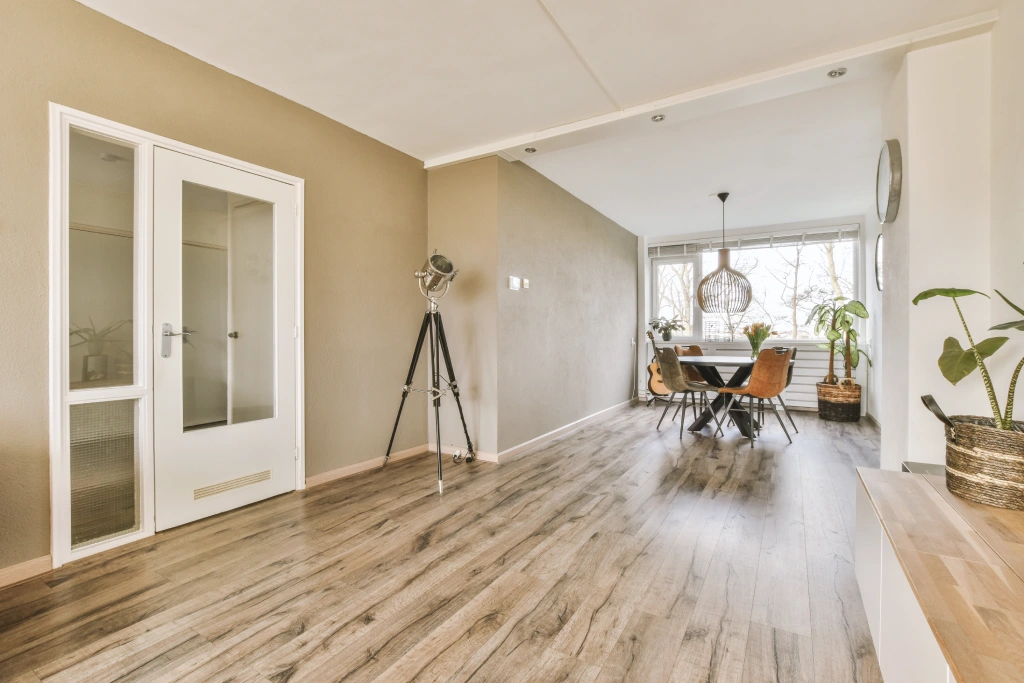
When considering flooring to increase home value, hardwood remains the top choice for its timeless appeal and durability. Engineered hardwood is a close second, offering similar aesthetics with better moisture resistance. High-quality laminate or luxury vinyl plank (LVP) are excellent, cost-effective alternatives that mimic wood convincingly and are highly durable. In kitchens and bathrooms, porcelain or ceramic tile is a strong, valuable option. Neutral colors and wide-plank styles generally have the broadest market appeal. Ultimately, the best choice depends on your home's style and local market expectations, but investing in a quality, permanent flooring material typically yields the highest return.
When deciding between using your builder's flooring subcontractor or hiring an independent flooring company, the choice hinges on control, quality, and cost. Builders often offer flooring as a package for convenience, but selections can be limited to builder-grade materials to keep their project costs down. A specialized flooring company typically provides a wider selection of higher-quality materials, more expert installation by dedicated crews, and greater attention to detail. While the builder's option might seem streamlined, an independent contractor often delivers superior craftsmanship and allows you to choose exactly what you want. For a long-term investment in your home's value and daily enjoyment, vetting and hiring a reputable, specialized flooring company is usually the superior choice.
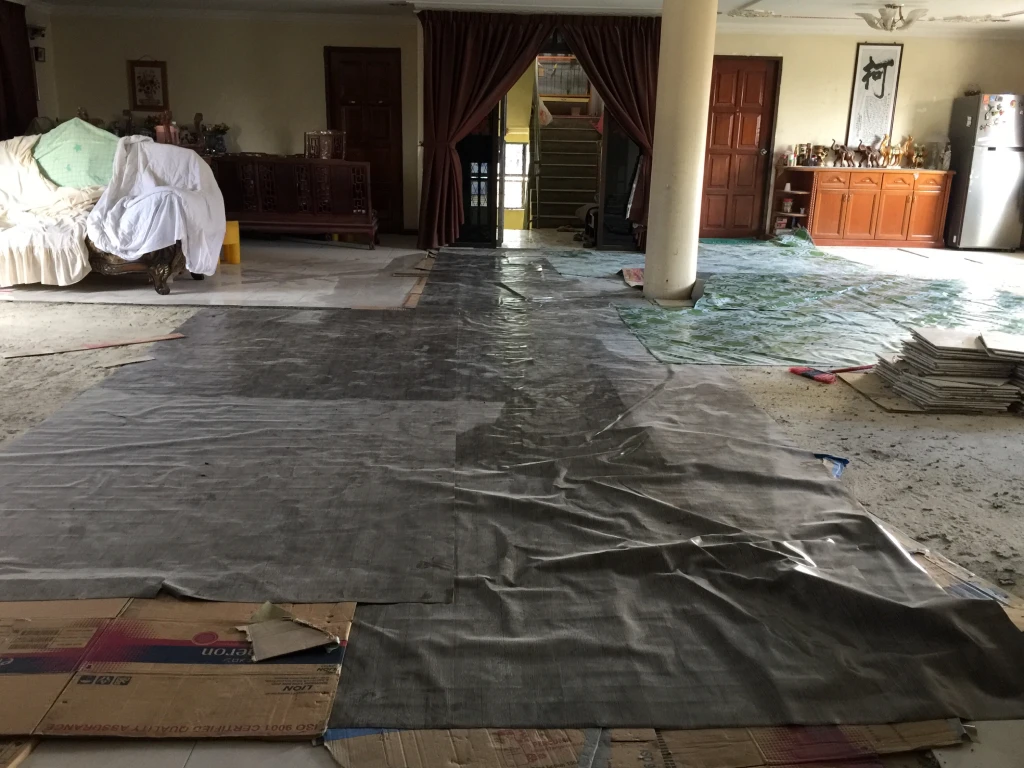
When considering wood flooring replacement, it's a significant investment that can dramatically transform your home's aesthetic and value. The process typically involves removing old flooring, preparing the subfloor, and installing new hardwood planks or engineered wood. Key decisions include choosing between solid hardwood for longevity and sanding potential or engineered wood for stability in varying humidity. Professional installation is crucial to ensure proper acclimation, precise fitting, and a flawless finish. For a comprehensive guide on material selection, cost factors, and the installation process, we recommend reading our detailed internal article, Flooring Replacement Services to Elevate Your Home. This resource provides essential insights to help you plan your project effectively and achieve beautiful, lasting results.
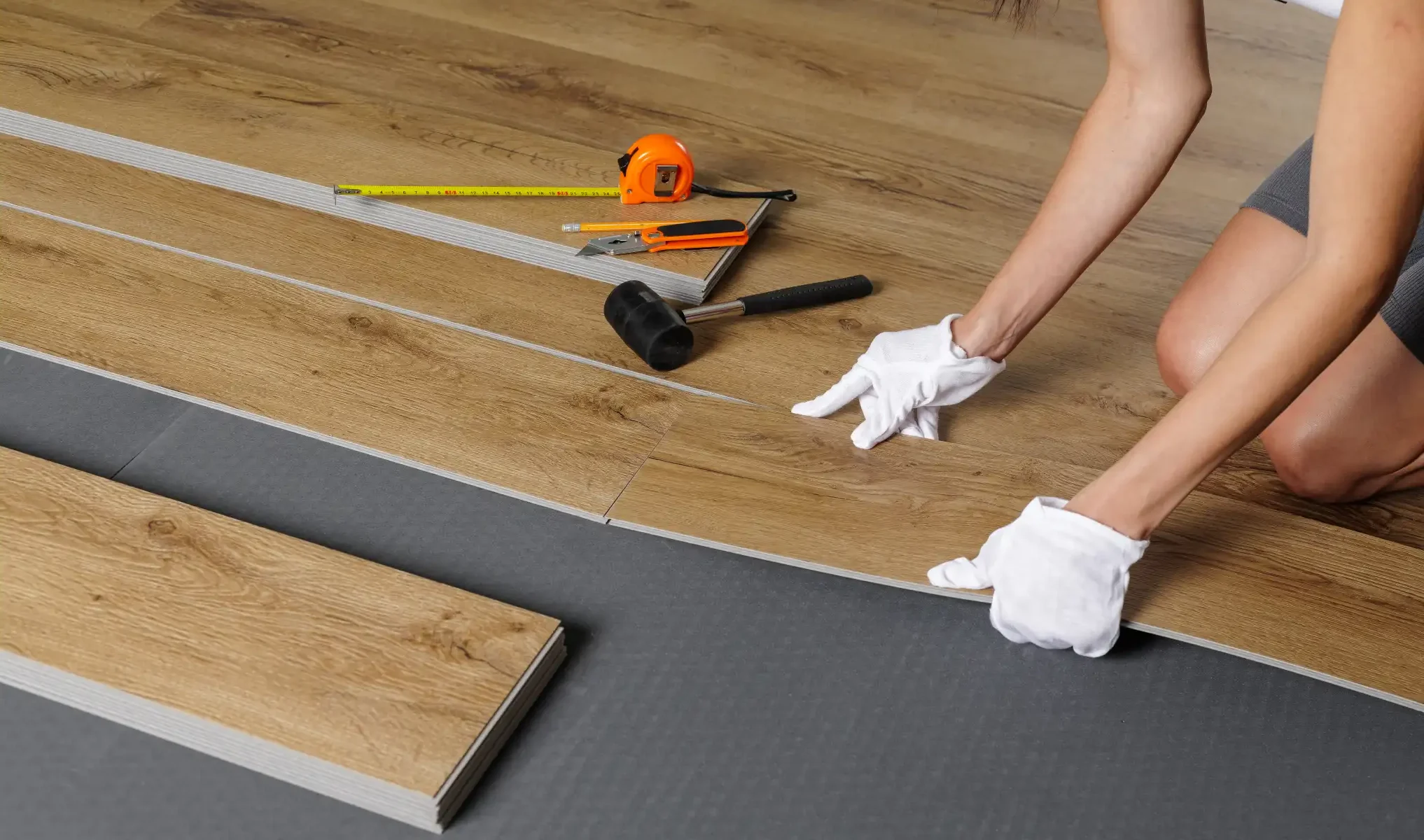
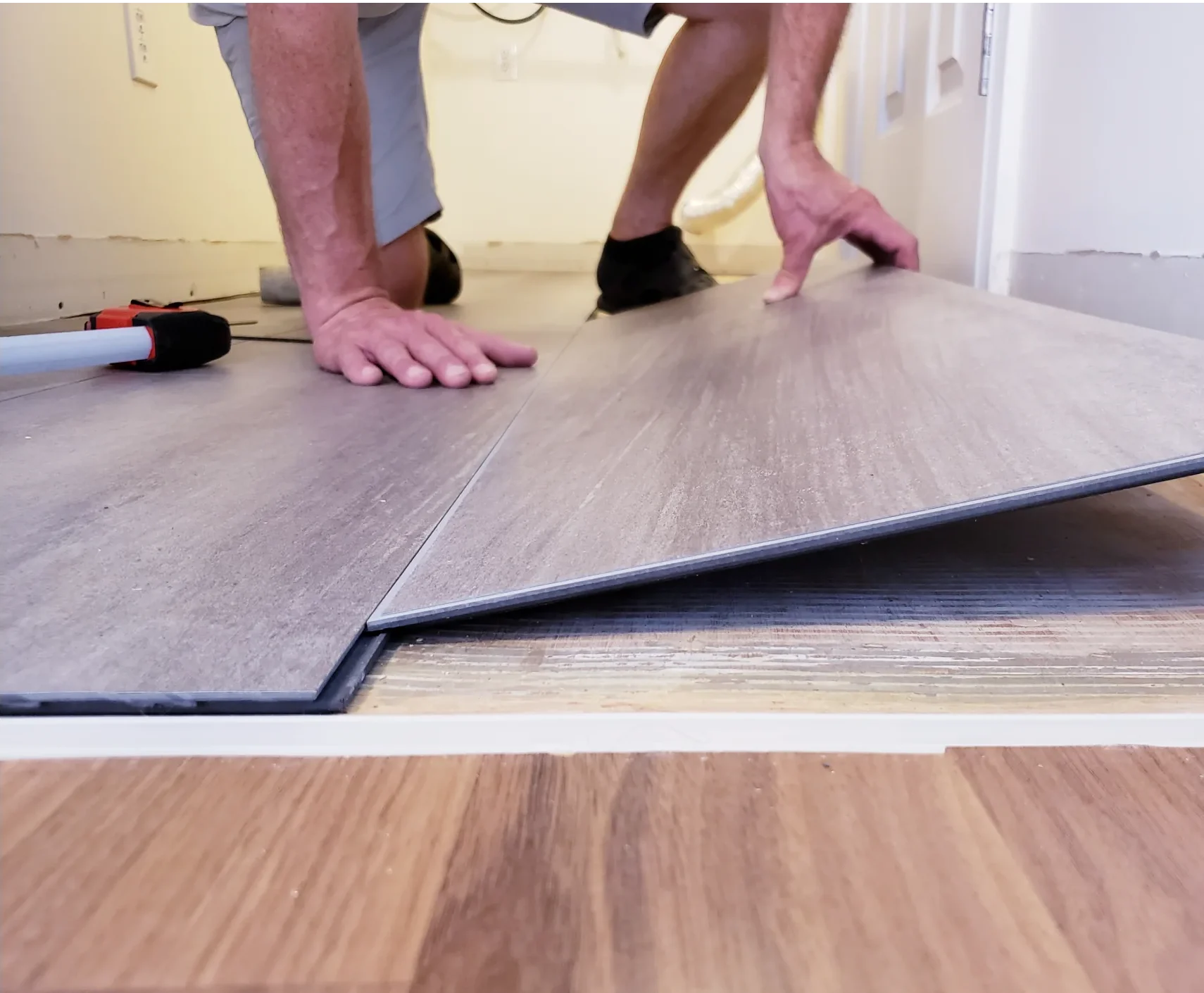
Laminate flooring replacement is a popular choice for homeowners seeking a durable and cost-effective upgrade. Modern laminate offers impressive realism, mimicking hardwood or stone with advanced photographic layers and protective wear surfaces. Professional installation is key to ensuring longevity; this includes proper subfloor preparation, moisture barriers, and precise cutting for expansion gaps. A quality installation elevates a home's aesthetic and can increase its market value. For a comprehensive guide on material selection, installation best practices, and the transformative impact of new floors, we recommend reading our internal article, Flooring Replacement Services to Elevate Your Home. This resource details how our services ensure a flawless finish that enhances your living space.