



Our kitchen was stuck in the early 2000s and desperately needed a refresh. The kitchen renovator completely changed the look and feel of our space. Even during the busy season in San Jose, they kept everything on schedule. They helped us choose finishes that brighten up the room, especially during these shorter winter days. The attention to detail really impressed us. Cooking now feels enjoyable again. I would absolutely recommend them to anyone updating their kitchen.


After years of putting it off, we finally decided to renovate our older home here in San Jose. The dry summer weather made it the perfect time to get started. The renovation team listened carefully to what we wanted and brought fresh ideas we hadn’t even considered. They stayed organized and kept us updated throughout the process. The transformation is unbelievable—it feels like a brand-new house. We couldn’t be happier with the results. Highly recommend for any home renovation project.

D&D Home Remodeling Service exceeded my expectations from start to finish. Their communication was clear, pricing was fair, and the quality of work was outstanding. The crew was respectful of my home and kept the workspace clean throughout the project. I’m extremely happy with the final outcome and will definitely use their services again.
I just needed a door for my bathroom and D&D came out and suggested that we install a barn door since we aren't ready for a full remodel and gave us a reasonable quote for the install so I purchased one from Amazon and gave them a call when it came in and they came out within a few days and Terence did a fine job. He even liked my annoying little dog
I will certainly give them a call when we are ready to remodel


5 stars for the D&D employee who held his ground ! Bravo and keep up the good work


Related Articles
People Also Ask
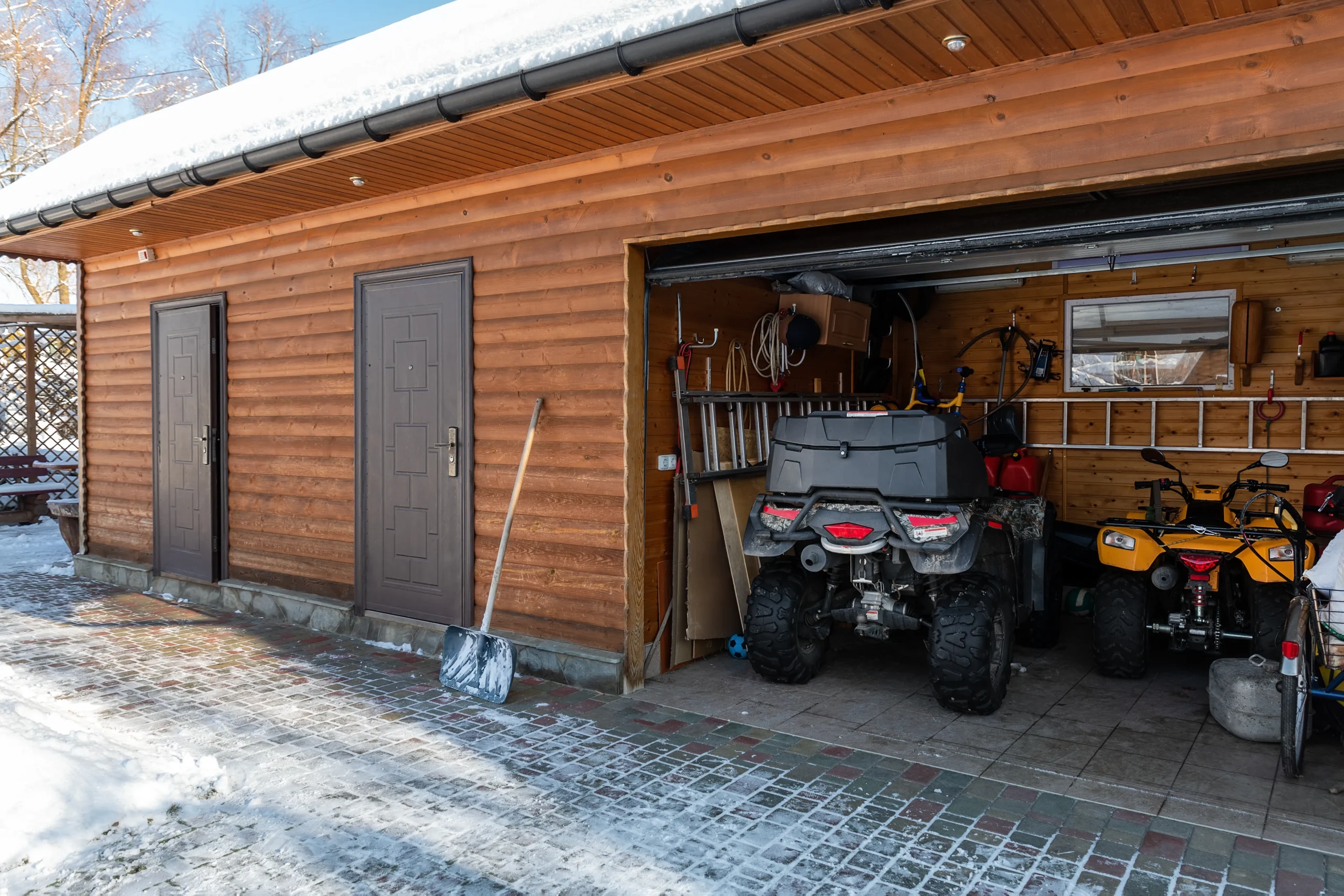
To maximize your garage space, start by implementing a systematic organization strategy. Install heavy-duty wall-mounted shelving and pegboards to get tools, sports equipment, and seasonal items off the floor. Utilize the ceiling space with overhead storage racks for bulky, rarely-used items. Clearly label all bins and containers for easy identification. Consider durable, easy-to-clean epoxy flooring to create a clean, defined workspace. For a more significant transformation, evaluate if a partial conversion could add functional square footage to your home, similar to the concepts explored in our internal article, Residential Remodeling: Basement Conversion Possibilities. A well-planned garage not only stores more but can also become a versatile workshop or hobby area.
The cost to renovate a garage varies widely based on scope, location, and materials. A basic conversion to a living space typically ranges from $20,000 to $50,000. This includes insulation, drywall, flooring, electrical, and basic finishes. For a high-end conversion with a bathroom, kitchenette, or specialized flooring, costs can easily exceed $75,000. Key factors are structural changes, permits, HVAC extension, and moisture control. It is crucial to obtain multiple detailed quotes from licensed contractors. A professional assessment will account for local building codes, which significantly impact the budget. Always plan for a contingency fund of 10-20% for unforeseen issues.
The cost to organize a garage typically ranges from $250 to $1,500, with a national average around $600. The final price depends heavily on the garage size, the volume of items, and the level of service. A basic decluttering and sorting session for a single-car garage might cost $250-$500. A full-service organization for a two-car garage, including installing shelving, pegboards, and cabinetry, can range from $800 to $1,500 or more. Professional organizers often charge $50 to $150 per hour. To control costs, homeowners can declutter before the professional arrives and decide which storage solutions are essential. Getting multiple quotes is recommended to find a service that fits both your budget and organizational goals.
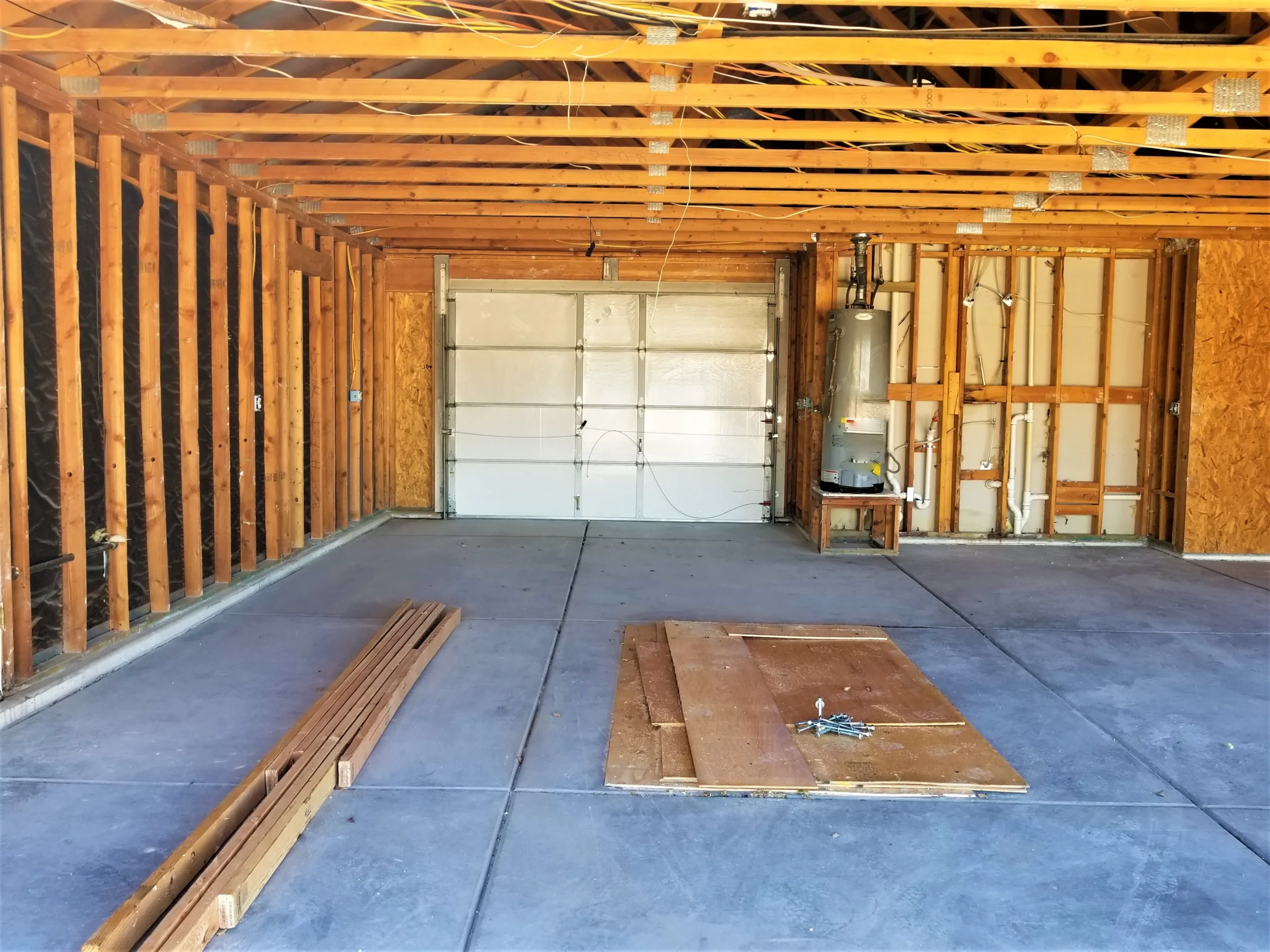
To remodel your garage into a living space, start by consulting local building codes and obtaining necessary permits, as this conversion changes your home's official square footage. Key steps include insulating walls, ceilings, and the garage door area, upgrading electrical systems to meet living space standards, and installing proper flooring over the concrete slab. You must also address climate control with adequate HVAC extension or a dedicated mini-split system and ensure there are proper egress windows for safety. Proper sealing and moisture barriers are critical to prevent dampness. For a detailed guide on planning, costs, and design ideas for this popular conversion, see our internal resource Residential Remodeling: Converting Garages Into Functional Spaces. This project significantly increases your home's functional area and value when done correctly.