



Our kitchen was stuck in the early 2000s and desperately needed a refresh. The kitchen renovator completely changed the look and feel of our space. Even during the busy season in San Jose, they kept everything on schedule. They helped us choose finishes that brighten up the room, especially during these shorter winter days. The attention to detail really impressed us. Cooking now feels enjoyable again. I would absolutely recommend them to anyone updating their kitchen.


After years of putting it off, we finally decided to renovate our older home here in San Jose. The dry summer weather made it the perfect time to get started. The renovation team listened carefully to what we wanted and brought fresh ideas we hadn’t even considered. They stayed organized and kept us updated throughout the process. The transformation is unbelievable—it feels like a brand-new house. We couldn’t be happier with the results. Highly recommend for any home renovation project.

D&D Home Remodeling Service exceeded my expectations from start to finish. Their communication was clear, pricing was fair, and the quality of work was outstanding. The crew was respectful of my home and kept the workspace clean throughout the project. I’m extremely happy with the final outcome and will definitely use their services again.
I just needed a door for my bathroom and D&D came out and suggested that we install a barn door since we aren't ready for a full remodel and gave us a reasonable quote for the install so I purchased one from Amazon and gave them a call when it came in and they came out within a few days and Terence did a fine job. He even liked my annoying little dog
I will certainly give them a call when we are ready to remodel


5 stars for the D&D employee who held his ground ! Bravo and keep up the good work


People Also Ask
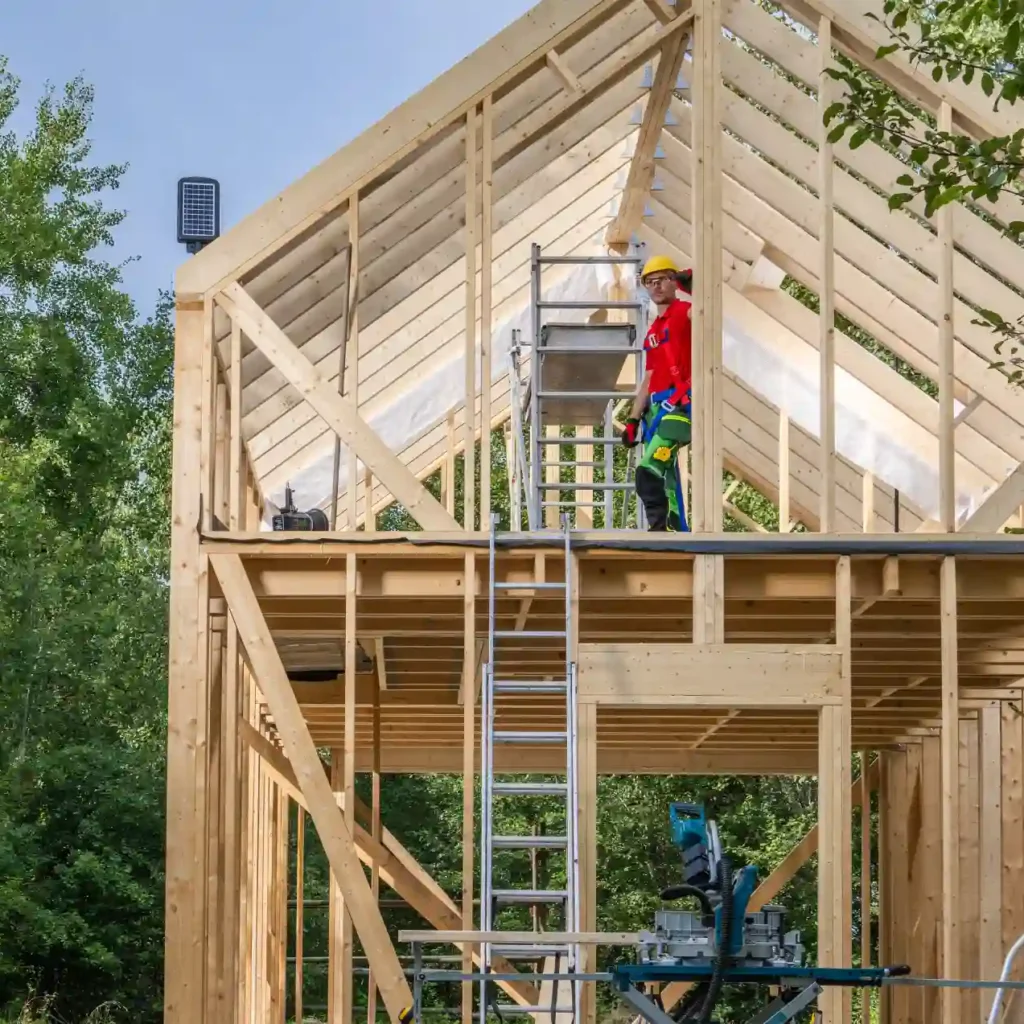
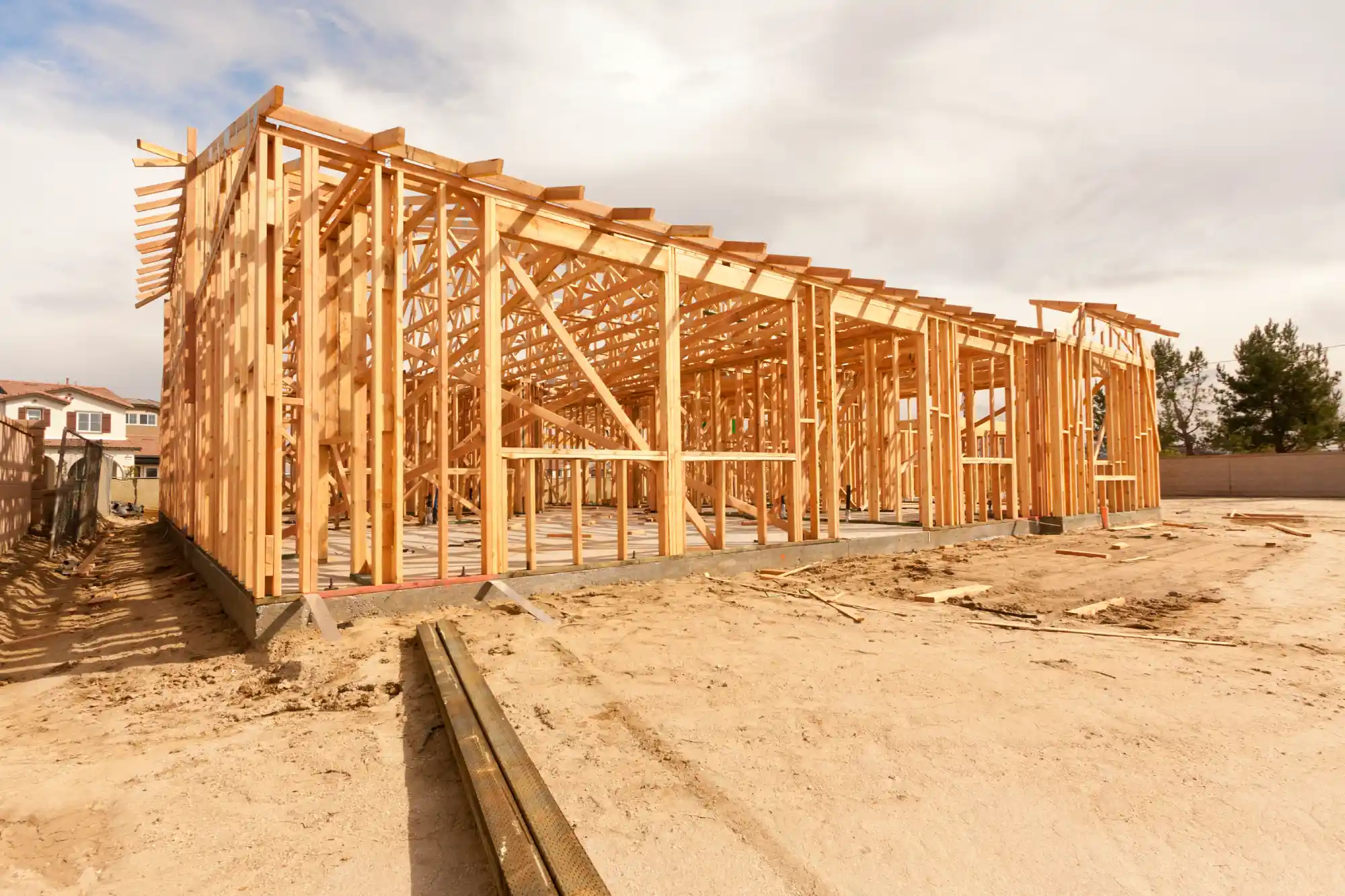
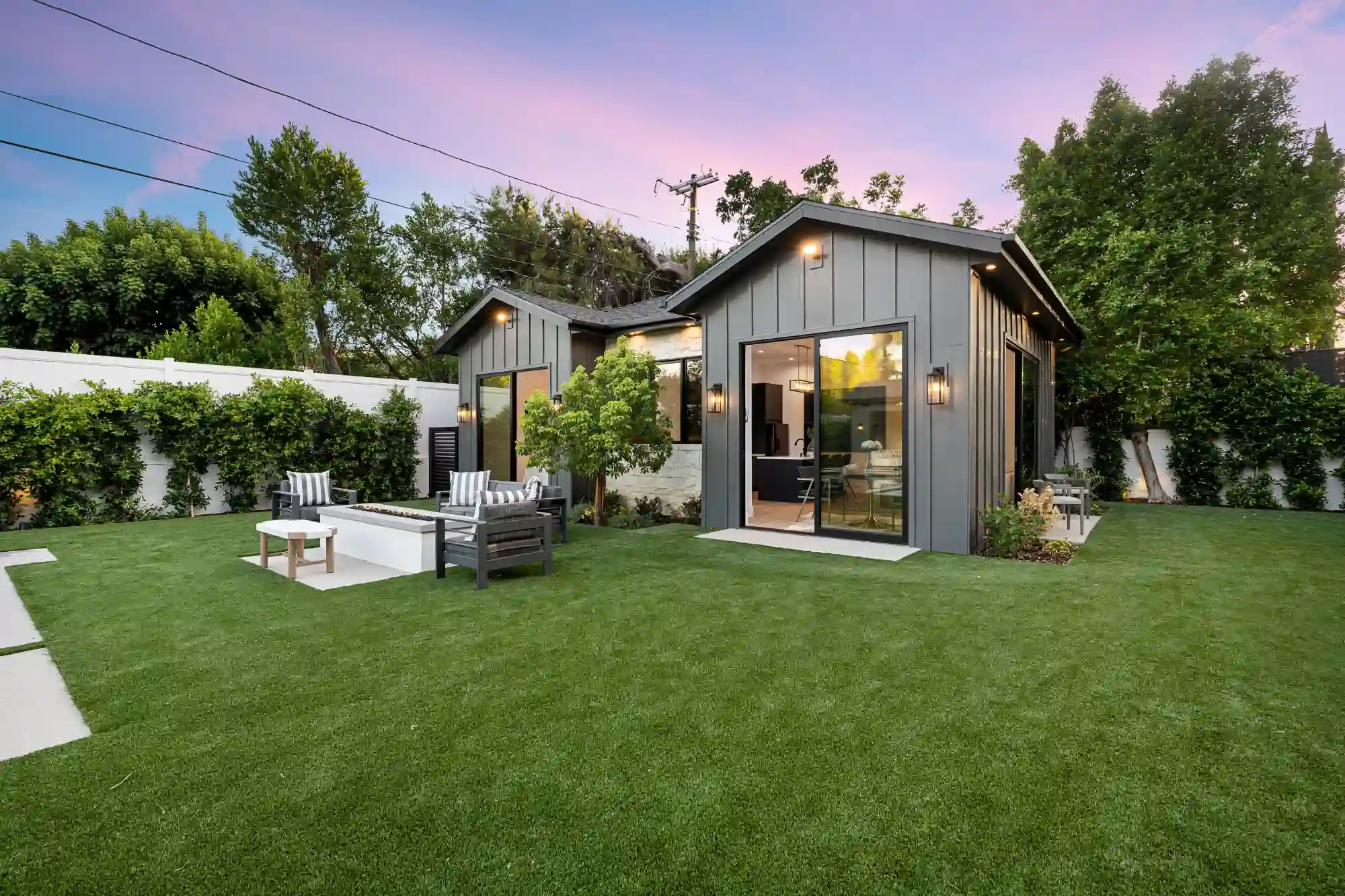
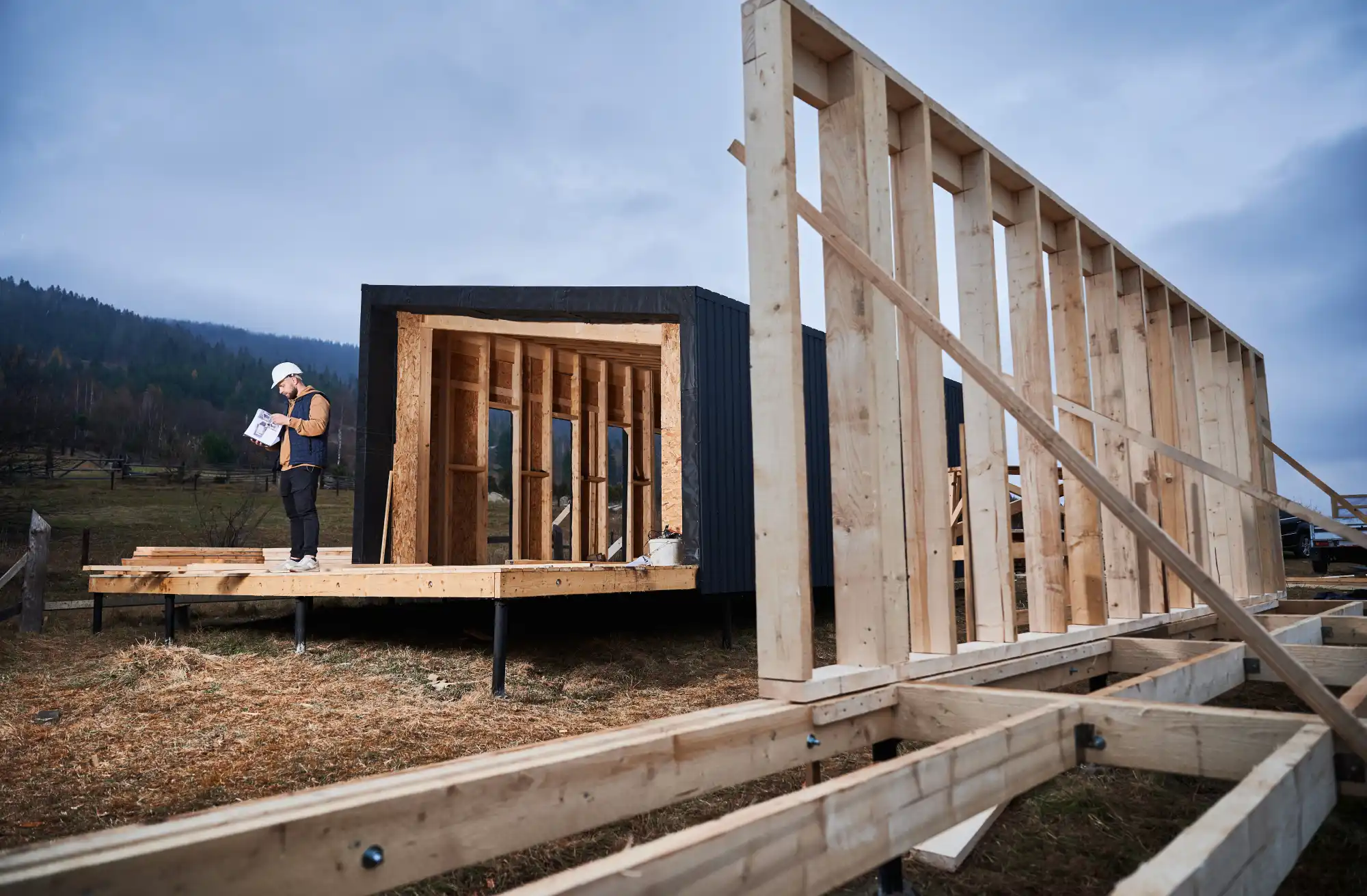
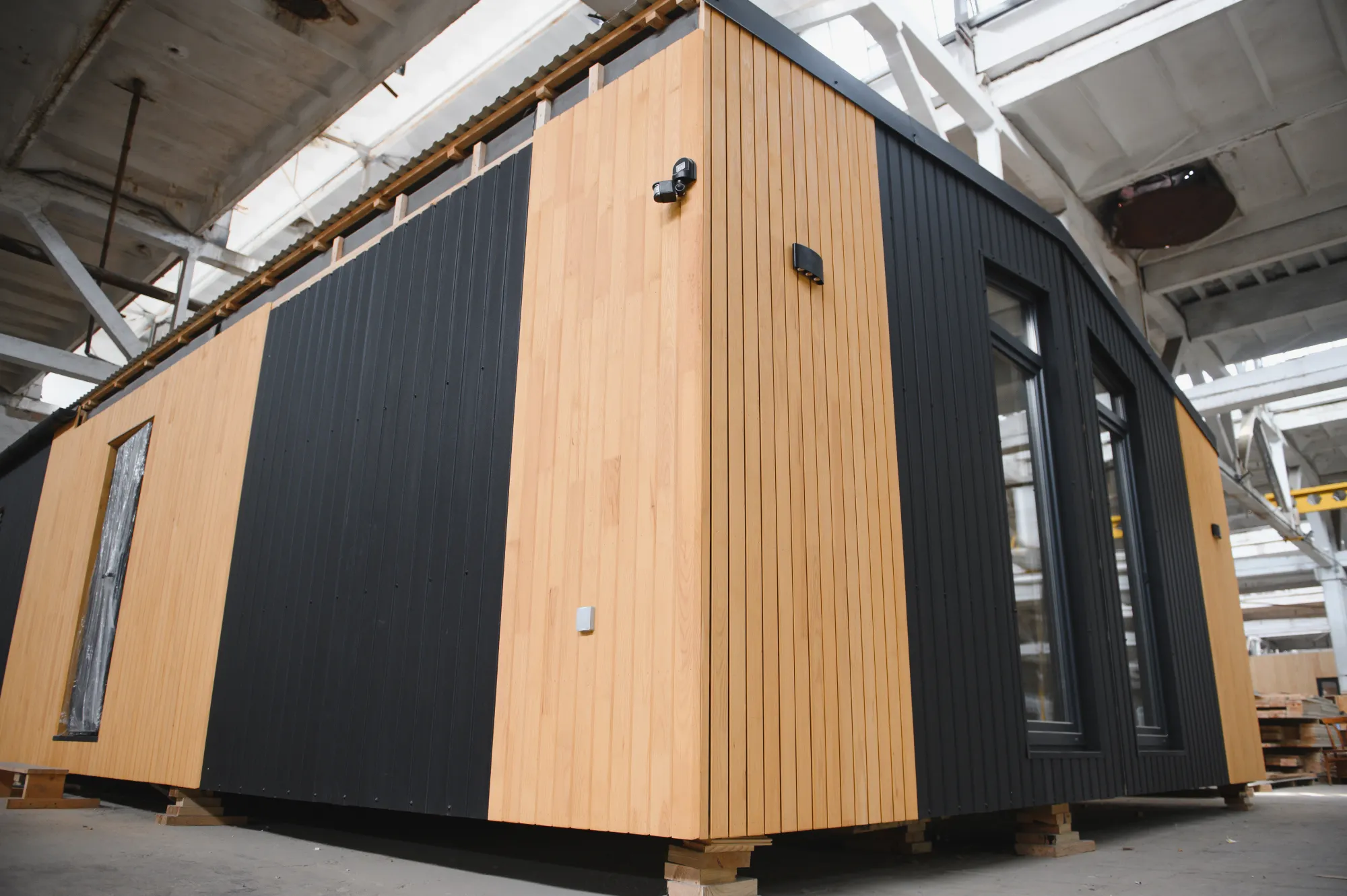
The cost comparison between building an ADU (Accessory Dwelling Unit) on-site versus buying a prefabricated model depends heavily on project specifics. Generally, a prefab ADU can be cheaper and faster, as factory construction reduces labor time, waste, and weather delays. You pay a known price for the core structure. However, site-built ADUs offer greater customization for your exact lot and needs but often incur higher and less predictable costs due to labor, materials, and extended timelines. For both, significant expenses like site work, foundation, utility connections, permits, and finishes are required. A prefab unit's total cost advantage can diminish if site access is difficult or local codes are restrictive. Obtain detailed quotes for both options, including all site and permit costs, to make an accurate comparison for your property.
The $40,000 grant in California is primarily the CalHFA ADU Grant Program. It offers forgivable loans of up to $40,000 to income-eligible homeowners to cover pre-development costs for constructing an Accessory Dwelling Unit (ADU) or Junior ADU (JADU) on their property. These costs can include fees for design, permits, soil tests, impact fees, and energy reports. The loan is forgiven if the homeowner completes the ADU and rents it to a low-income tenant for at least five years. This state initiative aims to increase affordable housing stock and help homeowners offset the significant upfront costs of ADU construction. Program details and eligibility can be confirmed through the California Housing Finance Agency (CalHFA) or local city housing departments.
In construction, ADU stands for Accessory Dwelling Unit. It is a secondary housing unit on a single-family residential lot. ADUs, which include converted garages, basement apartments, or detached backyard cottages, provide independent living facilities with their own kitchen, sleeping area, and bathroom. They are a key solution for increasing housing density, offering rental income, and accommodating multi-generational families. Construction of an ADU must comply with local zoning laws, building codes, and permit requirements, which govern size, parking, and utility connections. For professional guidance on designing and building these units, especially in our service area, refer to our detailed resource Accessory Dwelling Units Services in Sunnyvale, CA.
Yes, Michigan allows Accessory Dwelling Units (ADUs), but regulations are determined at the local municipal level. State law does not prohibit ADUs, so their permissibility, size, design standards, and permitting process vary significantly between cities, townships, and villages. For example, cities like Ann Arbor, Grand Rapids, and Detroit have adopted relatively progressive ADU ordinances to increase housing density and affordability. However, many suburban and rural municipalities may have restrictive zoning codes that limit or prohibit them. Homeowners must consult their local zoning ordinance and building department. Key considerations typically include owner-occupancy requirements, parking stipulations, maximum unit size, and adherence to building and safety codes.
Building an accessory dwelling unit (ADU) in California involves navigating specific state and local regulations designed to increase housing. Key steps include verifying your property's zoning, reviewing your city's specific ADU ordinance for size and height limits, and ensuring the design complies with state-mandated ministerial approval processes that streamline permitting. It's crucial to consider utility connections, parking requirements (which are often reduced or waived), and owner-occupancy rules. Hiring a design professional familiar with local codes is highly recommended to create plans that maximize space and functionality while ensuring a smooth permit submission. Proper planning turns an ADU into a valuable investment for rental income or multigenerational living.
The cost of constructing an Accessory Dwelling Unit (ADU) varies widely based on location, size, design, and site conditions. On average, you can expect a range from approximately $100,000 to $300,000 or more. A basic prefabricated or garage conversion might be at the lower end, while a new, custom-built detached unit with high-end finishes will reach the upper limits. Key cost factors include foundation work, utility connections (like plumbing and electrical), permits, and interior finishes. It is crucial to obtain detailed quotes from licensed contractors and thoroughly understand local zoning and building codes, as these regulations significantly impact both the feasibility and final price of the project.
The $25,000 ADU grant typically refers to financial assistance programs, often state or local, designed to encourage the construction of Accessory Dwelling Units (ADUs). These grants aim to increase affordable housing stock. Eligibility usually requires the ADU to be rented at affordable rates for a set period, often 10-15 years. The application process is competitive and involves demonstrating project feasibility, securing permits, and working with approved contractors. Homeowners should first verify if such a program exists in their specific city or county, as funding and rules vary widely. Consulting with a local architect or remodeler experienced in ADU development is crucial to navigate the complex requirements and maximize the chance of securing funds.
An ADU, or Accessory Dwelling Unit, is a secondary housing unit on a single-family residential lot. It is a self-contained living space with its own entrance, kitchen, bathroom, and sleeping area. ADUs are known by many names, including granny flats, in-law units, or backyard cottages. They serve as a versatile solution for creating rental income, housing extended family, or increasing overall property value. In markets with high housing demand, ADUs are a strategic way to add density without altering a neighborhood's character. For a detailed look at how an ADU can benefit your specific property, we recommend our internal article ADU Construction San Jose | Maximize Your Property Value | D&D Home Remodeling, which covers key considerations for local construction.