

Alright, fellow Bay Area renovators and design dreamers! Let’s talk about something that gets our hearts racing almost as much as finding a parking spot in North Beach on a Saturday: salvaged material sourcing. You know, that gorgeous old-growth redwood beam, those perfectly imperfect vintage tiles, the solid brass hardware whispering tales of another era. It’s not just about saving money (though that’s a sweet perk), it’s about injecting soul, history, and serious eco-cred into your home. And honestly, who doesn’t love a good treasure hunt? Especially when the treasure makes your kitchen backsplash the envy of the neighborhood?
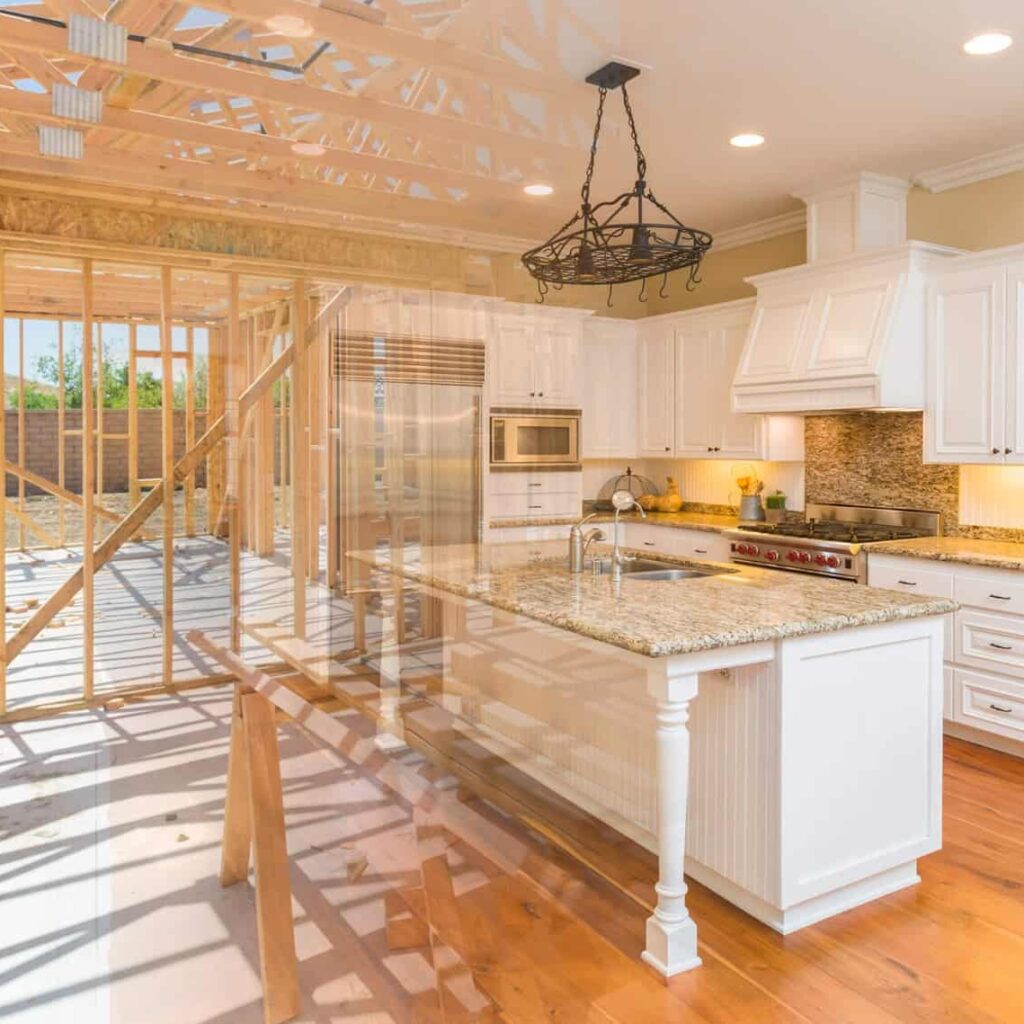
We get it. The idea of sourcing salvaged materials can feel overwhelming. Where do you even start? How do you know it’s not junk? Will it actually fit? That’s where we come in. As D&D Home Remodeling, your friendly neighborhood general contractor based right here in San Jose, we’ve navigated more salvage yards and deconstruction sites than we can count. We’ve seen the diamonds in the rough and, let’s be real, we’ve also seen the rough that’s just… rough. We live for this stuff, and we want to make your salvaged dreams a reality without the nightmare scenarios. Think of us as your salvage-savvy partners in crime for your next bathroom remodeler quest, full home remodel, or even those cool home additions you’re sketching out.
Why Salvaged Stuff Rocks Our World (And Should Rock Yours Too!)
Let’s cut to the chase: why bother with salvaged when big box stores are so… convenient? Well, IMO, it boils down to three big wins:
- Planet Power: Landfills are overflowing, folks. Choosing salvaged materials means giving perfectly good stuff a second life. It drastically cuts down on the energy and resources needed to make new products. Basically, you’re a recycling superhero without the cape (unless you’re into that, no judgment).
- Character You Can’t Buy: That slight patina on reclaimed brick? The unique grain in an old barn door? Mass-produced stuff just can’t replicate the history and charm. Salvaged materials add instant depth and a story to your space. It’s like your house gets its own unique fingerprint.
- Wallet Whisperer (Sometimes!): Okay, this one needs nuance. Sometimes, that rare antique heart pine floor will cost more than new. But, often, you can find incredible deals, especially on items like solid wood doors, vintage fixtures, bricks, or beams. Plus, you’re potentially saving on disposal costs for demolition materials if you’re doing a renovation contractor gig. The “cost” equation isn’t just the sticker price; it’s value and impact.
Where to Hunt for Bay Area Salvage Gold
The Bay Area is a fantastic place for salvage sleuthing. Forget just searching “salvage near me” and hoping for the best. Here’s the lowdown on our go-to spots:
- Dedicated Salvage Yards: These are the treasure troves! Places like Ohmega Salvage (Berkeley/Burlingame), The ReUse People (multiple locations, including Oakland), and Building Resources (SF) are packed with doors, windows, lumber, fixtures, hardware, and architectural elements. Wandering these aisles is pure inspiration. Pro tip: Go with measurements and an open mind!
- Online Marketplaces: Craigslist, Facebook Marketplace, and specialty sites like Kaiyo or even Etsy can yield gems. You might find someone just down the street in Sunnyvale or Campbell demoing their old kitchen and giving away solid maple cabinets. Be quick, be safe (meet in public!), and inspect carefully. FYI, photos can be deceiving!
- Deconstruction & Demolition Companies: More folks are opting for deconstruction (carefully taking a building apart to save materials) instead of smash-and-trash demolition. Companies like The ReUse People or Habitat for Humanity ReStores often source directly from these projects. It’s a win-win: less landfill, more good stuff available.
- Architectural Antique Shops: For those truly special, high-end finds (think stained glass, ornate mantels, vintage lighting), shops scattered around Saratoga, Los Gatos, and San Francisco are worth the splurge. Perfect for that statement piece.
Navigating the Salvage Maze Like a Pro (Or Just Call Us!)
Okay, enthusiasm is great, but let’s get practical. Sourcing salvaged materials isn’t always plug-and-play. Here’s what we’ve learned the hard way, so you don’t have to:
- Inspect Like a Hawk: That beautiful clawfoot tub might have hidden cracks. Termites love old wood. Check for rot, structural integrity, lead paint (common pre-1978), and asbestos (especially in old flooring/mastics). Don’t be shy – get hands-on! A project shouldn’t become abortable because of hidden damage.
- Measure Twice (Thrice!), Buy Once: Salvage isn’t like ordering custom. That vintage door is the size it is. Ensure it actually fits the rough opening in your exterior remodeling project. Bring detailed measurements and pictures of the space it needs to go into. Seriously, measure everything!
- Embrace the Imperfect: Salvaged often means unique variations, patina, and minor flaws. That’s the charm! If you demand factory-perfect uniformity, salvage might drive you bonkers. Decide what imperfections you can live with (or even love).
- Plan for Prep & Adaptation: Cleaning, stripping, repairing, refinishing – salvaged materials usually need TLC. Factor this into your timeline and budget. Your house remodeling contractor needs to know how to work with it properly. Will that old beam need structural reinforcement? Will those tiles need special cutting?
Why Your Contractor Matters (Hint: We’re Kinda Awesome at This)
Look, we love a DIY spirit. But integrating salvaged materials smoothly into a major project like a full home remodel or complex bathroom remodeler job? That’s where experience is non-negotiable. Here’s why partnering with a general remodeling pro like D&D Home Remodeling makes all the difference:
- We Know the Sources: We’ve built relationships with salvage yards and deconstruction crews across Santa Clara County, from Milpitas to Morgan Hill. We often get heads-ups on incoming materials perfect for your project in Cupertino or Fremont.
- We Speak “Salvage”: We understand the structural implications, the quirks of old plumbing/electrical fixtures, and the best methods for restoring and installing vintage elements. No nasty surprises halfway through.
- Logistics & Problem Solvers: Hauling a massive antique door? Storing materials securely? Figuring out how to make mismatched vintage tiles look intentionally fabulous? We handle the heavy lifting (literally and figuratively) and creative solutions.
- Seamless Integration: We ensure the salvaged pieces work with the new construction and modern systems, creating a cohesive, functional, and stunning final result. Your vision, executed flawlessly.
Wondering if we’re the best remodeling company for your salvaged vision? Give us a shout! Let’s chat about your home remodeling services needs in San Jose or anywhere in the South Bay. We geek out over this stuff.
The Real Talk on Salvage Costs
Let’s demystify the “cost” factor. Salvage pricing is its own wild beast. Here’s a quick breakdown of what influences the price:
| Factor | Impact on Cost | Pro Tip |
|---|---|---|
| Rarity & Demand | High (e.g., old-growth redwood, intricate stained glass) = $$$$ | Be flexible! A less trendy wood species might offer similar character for less. |
| Condition | Ready-to-install = Premium. Needs major repair = Potential bargain (but factor repair costs!). | Honestly assess your budget and tolerance for restoration work. |
| Quantity Needed | Finding enough matching items (like tiles) can be hard & costly. | Consider using salvaged as an accent if matching a large area is tricky/expensive. |
| Location & Source | Architectural antique shops > Salvage yards > Online/Free listings | Check multiple sources! That perfect sink might be cheaper two towns over in Campbell. |
| Labor & Prep | Cleaning, repairing, adapting salvaged materials often adds to labor costs. | Factor this in upfront! A good general contractor will provide realistic estimates. |
Sometimes salvage is a steal. Sometimes, it’s an investment in a unique, sustainable piece. The key is going in with eyes wide open and a realistic budget. We always work with our clients to source options that match their vision and their wallet.
Salvage Sourcing FAQs (We Get These All the Time!)
- “Is using salvaged materials actually cheaper?”
It can be, but not always. You might save on the material cost itself, especially compared to high-end new equivalents, but remember to factor in potential restoration, specialized labor, and the time spent sourcing. Sometimes the savings are in the unique value and environmental benefit, not just the initial price tag. We help you weigh the true total cost.
- “How do I know if salvaged wood or something is structurally sound?”
This is CRUCIAL. Look for major cracks, rot, insect damage (poke it with a screwdriver – soft spots are bad news). Check for excessive warping or twisting. If it’s for a critical structural element (like a beam), always have it assessed by a structural engineer or an experienced general contractor like us. Don’t gamble on safety.
- “What about lead paint or asbestos in old salvage?”
Very real concerns, especially in pre-1978 materials. Assume paint contains lead unless proven otherwise. Asbestos can be in old flooring, adhesives, pipe insulation, and even some tiles. If you’re unsure, get it tested by a certified professional before bringing it home or disturbing it. Safety first, folks. We handle this properly on our job sites.
- “Can I use salvaged materials for plumbing or electrical fixtures?”
Tread carefully! While vintage faucets, lights, and switches are gorgeous, they may not meet current codes or safety standards. Old plumbing fixtures might have lead components. Wiring in old lights can be degraded or unsafe. Often, the best approach is to use the salvaged fixture aesthetically but rewire it or replumb it internally with modern, safe components by a licensed pro. We specialize in making vintage look gorgeous and function safely.
Ready to Unleash Your Inner Salvage Sleuth (With Backup)?
So, there you have it – our take on the wild, wonderful world of salvaged material sourcing in the Bay Area. It’s an adventure, a sustainability win, and a way to create a home that’s truly one-of-a-kind. Yes, it takes a bit more effort and a keen eye, but the payoff in character and conscience is unbeatable.
Feeling inspired but maybe a tad intimidated? That’s totally normal! This is exactly where D&D Home Remodeling shines. Whether you’re dreaming of a bathroom featuring vintage tiles, a kitchen with reclaimed beams, or exterior remodeling with character-rich old bricks, we have the passion, the expertise, and the network to make it happen smoothly. We handle the complexities of integrating salvaged treasures into your home additions or general remodeling project across San Jose, Santa Clara, Campbell, Milpitas, Saratoga, Sunnyvale, Los Gatos, Cupertino, Fremont, and Morgan Hill.
Don’t let your salvaged dreams stay dreams. Let’s go treasure hunting together and build something incredible (and uniquely yours). Give D&D Home Remodeling a call today – your historic, eco-friendly masterpiece awaits! 🙂
People Also Ask
The legality of treasure hunting varies significantly by location and context. In many countries, searching for and recovering artifacts or valuables from public lands, such as national parks or archaeological sites, is strictly regulated or prohibited without permits to protect cultural heritage. On private property, you generally need the landowner's explicit permission. Additionally, laws like the Archaeological Resources Protection Act in the U.S. impose severe penalties for unauthorized digs. Using metal detectors can also be restricted in certain areas. Professional treasure hunters often work with archaeologists and obtain necessary licenses. It is crucial to research local, state, and national laws thoroughly before any search to avoid significant legal consequences, including fines or imprisonment.
The concept of a "most successful" treasure hunter is debated, as success can be measured in monetary value, historical impact, or sheer discovery volume. In modern times, professional marine archaeologist Mel Fisher is legendary for his 1985 discovery of the Spanish galleon Nuestra Señora de Atocha off Florida, recovering an estimated $450 million in treasure. From a historical perspective, Howard Carter, who discovered Tutankhamun's tomb in 1922, achieved perhaps the most culturally significant find. Today, success often involves sophisticated technology and partnerships with governments and institutions, shifting from solitary adventurers to structured archaeological expeditions that prioritize preservation alongside recovery, adhering to strict ethical and legal standards.
Treasure hunting can be considered a real profession, but it operates far outside the norms of a typical salaried job. It is a high-risk, often self-funded venture that blends historical research, archaeology, and advanced exploration technology. Professional treasure hunters typically work on a project basis, securing permits and investors for specific expeditions, such as shipwreck recovery. Their income is entirely contingent on success, making it highly unpredictable. Legitimate operations must navigate complex legal frameworks, including maritime law and cultural heritage protections, to claim a find. For most, it is more accurate to describe it as a specialized, entrepreneurial pursuit rather than a conventional career with a steady paycheck.
Treasure hunters are indeed real, with many operating professionally or as dedicated hobbyists. They use tools like metal detectors, historical maps, and diving equipment to search for lost artifacts, shipwrecks, and valuables. Some work under legal frameworks, obtaining permits and often collaborating with archaeologists to ensure finds are documented and preserved, rather than simply looted. Popular culture romanticizes this pursuit, but real-world treasure hunting involves significant research, investment, and adherence to laws regarding cultural heritage and property rights. While major discoveries are rare, the field attracts those passionate about history and adventure, contributing to our understanding of the past when conducted ethically.
Architectural salvage in the Bay Area offers a sustainable and unique resource for home remodeling projects. This practice involves reclaiming high-quality, often historic building materials—such as old-growth timber, vintage doors, hardware, lighting fixtures, and decorative elements—from structures slated for demolition. For a homeowner, using architectural salvage adds character, history, and a sense of craftsmanship that is difficult to replicate with new materials. It is also an environmentally responsible choice, reducing landfill waste and the demand for new resource extraction. In the Bay Area, several reputable salvage yards and non-profit organizations specialize in these materials. When sourcing salvage, it is crucial to inspect items thoroughly for structural integrity, lead paint, or asbestos, and to ensure any necessary refinishing or adaptation is factored into your project timeline and budget.
Architectural salvage in San Francisco offers a unique opportunity to incorporate historical character and sustainable materials into remodeling projects. The city is home to several reputable salvage yards, such as Ohmega Salvage and Building Resources, which specialize in reclaimed doors, windows, hardware, lighting, and period-specific fixtures. Using salvaged elements can add authenticity and charm, especially in Victorian or Craftsman-style homes common in the area. It is a form of eco-friendly remodeling that reduces waste. However, it requires careful inspection for lead paint, asbestos, or structural integrity. Always measure existing spaces precisely before purchasing, as salvaged items are often non-returnable. Integrating these pieces may need custom carpentry for proper fitting, so factor that into your project budget and timeline.
To find architectural salvage near you, start by searching online for local salvage yards, architectural antique shops, or non-profit organizations like Habitat for Humanity ReStores. These places often carry unique items like vintage doors, hardware, lighting fixtures, and reclaimed wood. Visiting in person allows you to inspect the quality and character of pieces, which is crucial for remodeling projects. When selecting salvage, consider the item's condition, dimensions, and how it integrates with your design plan. Using reclaimed materials adds history and sustainability to a home renovation. Always verify that structural elements are sound and that any electrical components are updated by a professional to meet current safety codes.