

Pop-Top Additions: Expanding Upward In San Jose
Hey there, space-starved neighbors! Ever feel like your San Jose home is shrinking faster than your weekend? We get it. Between work-from-home setups, growing families, and that Peloton you swore you’d use daily, square footage vanishes. Moving? Ugh. Why deal with bidding wars when you can literally grow your house? That’s where pop-top additions swoop in like a superhero. And guess what? We’ve been engineering these sky-high solutions for years at D&D Home Remodeling.
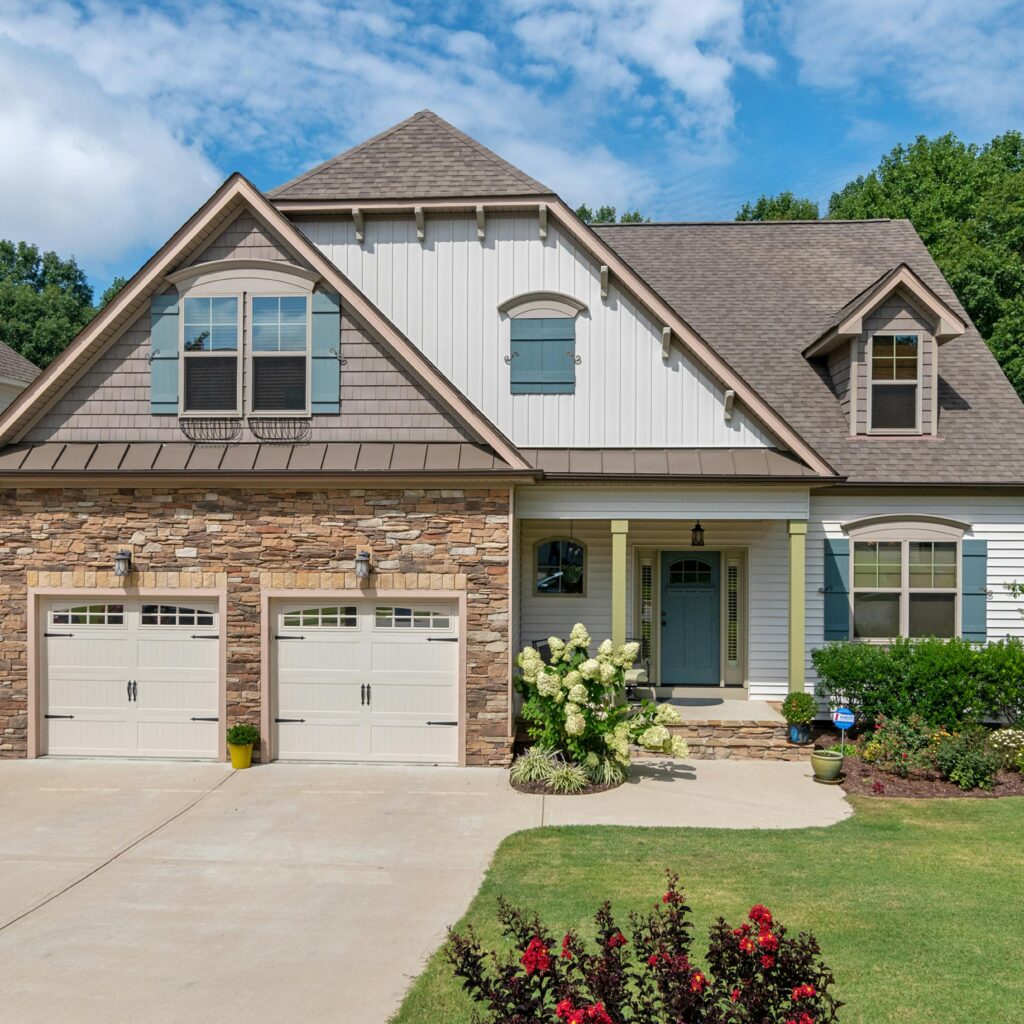
So, What’s a Pop-Top Anyway?
Imagine lifting your roof like a soda can’s tab and slotting in a whole new floor. That’s a pop-top: vertical expansion without sacrificing your garden or driveway. Unlike sprawling outward (which, let’s be real, San Jose lots rarely allow), going up maximizes your land. We’ve transformed countless single-story ranches into two-story dream homes across Santa Clara and Campbell. FYI, it’s not sci-fi—just smart structural magic.
Why Up > Out in the South Bay
Let’s play real estate Tetris. San Jose yards aren’t exactly sprawling pastures. Building out often means:
- Zoning tangles: Setback rules love killing dreams.
- Bye-bye greenery: Sacrificing that avocado tree? Tragic.
- Cost surprises: Foundation extensions = $$$.
Pop-tops sidestep this. You keep your yard and gain bedrooms, offices, or that mega-primary suite you crave. Plus, added square footage spikes your home’s value—especially in markets like Saratoga or Cupertino. Cha-ching!
The Pop-Top Process: No Hardhat Drama
Worried about living on a construction site? Relax. We plan phases so you’re not showering at Planet Fitness for months. Here’s how our home remodeling services nail it:
Phase 1: The Blueprint Tango
Our architects and engineers assess your home’s bones. Can the foundation handle another floor? (Spoiler: 90% of the time, yes.) We’ll draft designs that match your vibe—whether you’re a minimalist or want a Palm Springs-inspired lounge.
Phase 2: Roof Lift-off (Safely!)
We reinforce walls, install temporary supports, and—whoosh—off comes the roof. No, it’s not a tornado scene. We seal everything nightly because dust bunnies aren’t decor.
Phase 3: The Build-Up
New walls, stairs, windows… and voilà! Your home grows a second story. We even handle exterior remodeling to ensure the new level doesn’t look like a Lego block slapped on top.
Key Considerations Table
| Factor | Why It Matters | Our Approach |
|---|---|---|
| Timeline | Avoid endless chaos | 3-6 months, weather-permitting |
| Permits | San Jose red tape is real | We handle ALL paperwork (you’re welcome) |
| Budget Flexibility | Life happens | Abortable phases—pause if surprises arise |
| Daily Life | You live here, not us | Secured zones, minimal disruption |
Let’s Talk Cost (No Sticker Shock, Promise)
“What’s the price?!” is everyone’s first question. Pop-tops range from $300-$500K in San Jose, depending on size and finishes. Compare that to:
- Buying a bigger house: Hello, 7% interest rates + $200K over-ask bids.
- Ground-level home additions: Often pricier due to foundation work.
Is it cheap? Nope. But it’s a strategic investment. We’ve seen clients in Sunnyvale and Milpitas boost property values by 40%+. Plus, D&D Home Remodeling offers transparent quotes—no “gotcha” fees. IMO, that’s rarer than a quiet 101 commute.
Why D&D Home Remodeling? We Eat Complexity for Breakfast
Pop-tops aren’t DIY projects. You need a general contractor who breathes structural engineering. Here’s why we’re the best remodeling company for the job:
- Local Nerds: We know San Jose’s soil types, permit quirks, and microclimates. Roofing in Los Gatos? Different beast than Fremont.
- Full-Service Swagger: From design to dusting off our boots, we handle it. No juggling 10 subcontractors.
- No Nightmares Guarantee: Seriously. We’ve rescued clients from botched pop-tops by other firms. One poor soul in Morgan Hill had a staircase that led nowhere—like Narnia without the magic.
Whether you need a bathroom remodeler or a full home remodel, we treat your home like our own. Because bad reviews? We’d rather eat a saw blade. 🙂
FAQs: Your Pop-Top Press Conference
Q: Will my existing walls collapse?
A: Not on our watch. We reinforce everything before lifting. Your grandma’s china stays safe.
Q: Can I stay home during construction?
A: Yes! We seal off work zones. But fair warning: Demo days get loud. Noise-canceling headphones = worth it.
Q: How do I find a reliable “house remodeling contractor near me”?
A: Check licenses, past projects (we’ll show you ours!), and reviews. Avoid anyone who says “trust me” without data.
Q: What if we change our minds mid-project?
A: Our phased approach is abortable. Hit pause, revise plans, or pivot—no guilt trips.
Ready to Rise Above the Crowd?
Look, expanding upward isn’t just about square footage. It’s about claiming your dream space without uprooting your life. At D&D Home Remodeling, we blend precision with passion (and dad jokes). Why settle for cramped when the sky’s the limit?
So, if you’re in San Jose, Santa Clara, or anywhere in the South Bay—let’s turn your ceiling into a floor. Contact us today for a no-pressure chat. Your future second story is waiting! 😉
Related Articles
People Also Ask
The cost of a 20x20 room addition varies widely based on location, materials, and complexity, but a typical range is between $80,000 and $200,000. A basic, single-story addition with standard finishes might start around $80,000 to $120,000. For mid-range finishes or a second-story addition, expect $120,000 to $160,000. High-end custom projects with premium materials, complex foundations, or extensive plumbing/electrical work can reach $200,000 or more. Key cost factors include site preparation, foundation type, roofing, HVAC extension, interior finishes, and permit fees. Always obtain multiple detailed quotes from licensed contractors and budget an additional 10-20% for unforeseen expenses.
The cost comparison between adding an addition (building out) versus building up (adding a second story) depends heavily on your specific project and existing home. Generally, building out is often less expensive per square foot because it avoids major structural modifications to the existing home's foundation and roof. However, it requires available land and may incur costs for new foundation work. Building up can be more cost-effective if you lack yard space, but it typically involves significant engineering, potentially reinforcing the existing foundation and walls, and relocating the household during construction. A key factor is whether your current foundation can support a second story; if it requires strengthening, costs can rise sharply. Always consult with a structural engineer and obtain detailed estimates for both options.
The 30% rule in remodeling is a general budgeting guideline suggesting that the cost of a renovation project should not exceed 30% of a home's current market value. For example, if a home is worth $300,000, the recommended maximum remodel budget would be around $90,000. This rule helps homeowners avoid over-improving their property relative to the neighborhood, which can make it difficult to recoup the investment upon resale. It serves as a crucial financial safeguard. However, it is a flexible guideline, not a strict law. The appropriate budget can vary significantly based on the project's scope, local real estate trends, and your long-term plans for the home. Always consult with a professional remodeler and a real estate agent for a tailored assessment.
The cost to add a second story to a house is a significant investment, typically ranging from $100,000 to $300,000 or more, with a national average often cited between $150,000 and $200,000. This wide range depends heavily on the home's size, location, structural requirements, and finish quality. Key cost factors include the need for extensive engineering to ensure the existing foundation and walls can support the new load, which may require reinforcement. Other major expenses are new framing, roofing, siding, windows, and interior finishes like flooring, electrical, and plumbing. It is crucial to obtain detailed quotes from licensed contractors and consult with a structural engineer, as this is one of the most complex and invasive remodeling projects.
A pop-top addition in San Jose involves converting an attic or raising the roof to create a new upper floor, with costs typically ranging from $250,000 to $500,000 or more. This wide range depends on the home's existing structure, the complexity of engineering and design, the quality of finishes, and current labor and material costs. Key factors include the need for new foundations, a complete roof replacement, new staircases, and updated HVAC and electrical systems. It's a major structural project requiring detailed permits and expert planning to ensure the existing home can support the new load. For a deeper dive into planning such a project and understanding value, we recommend our internal article Home Additions San Jose | Expert Remodeling Contractor.