

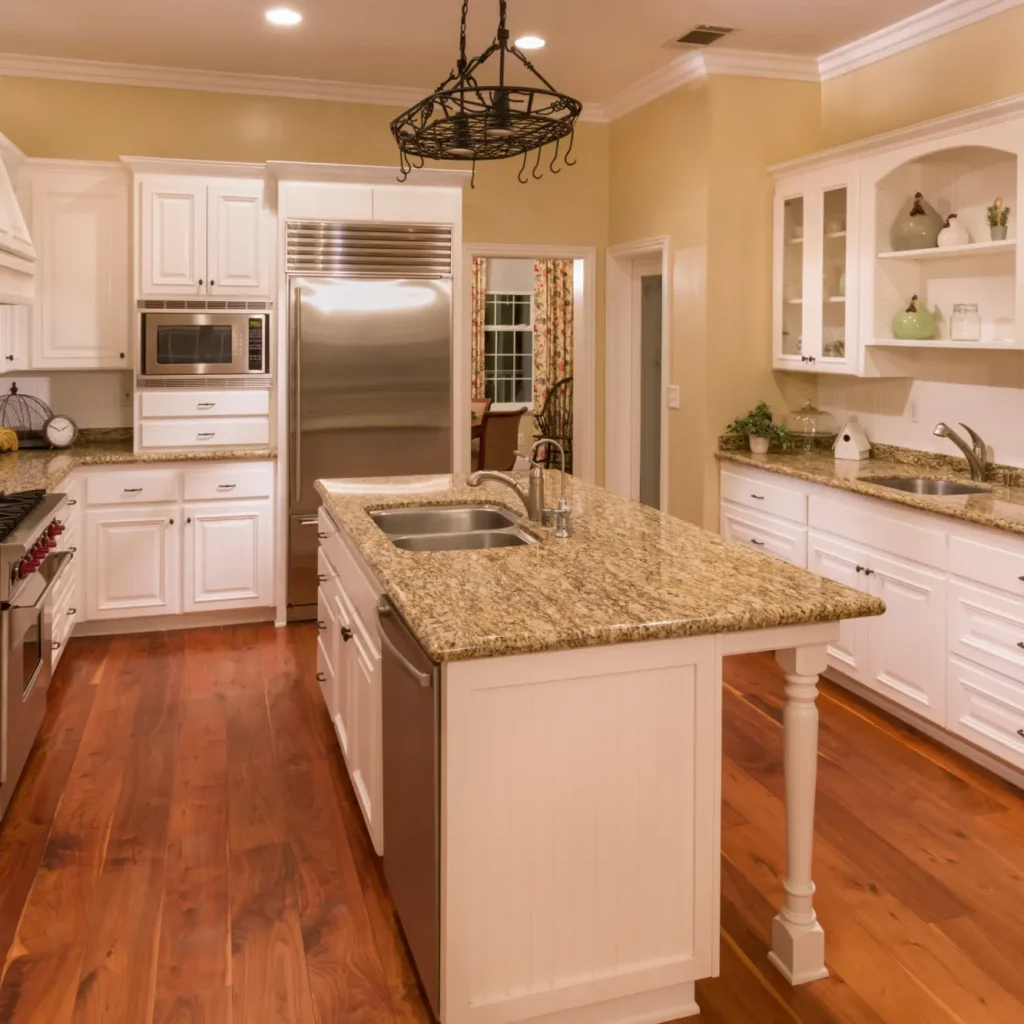
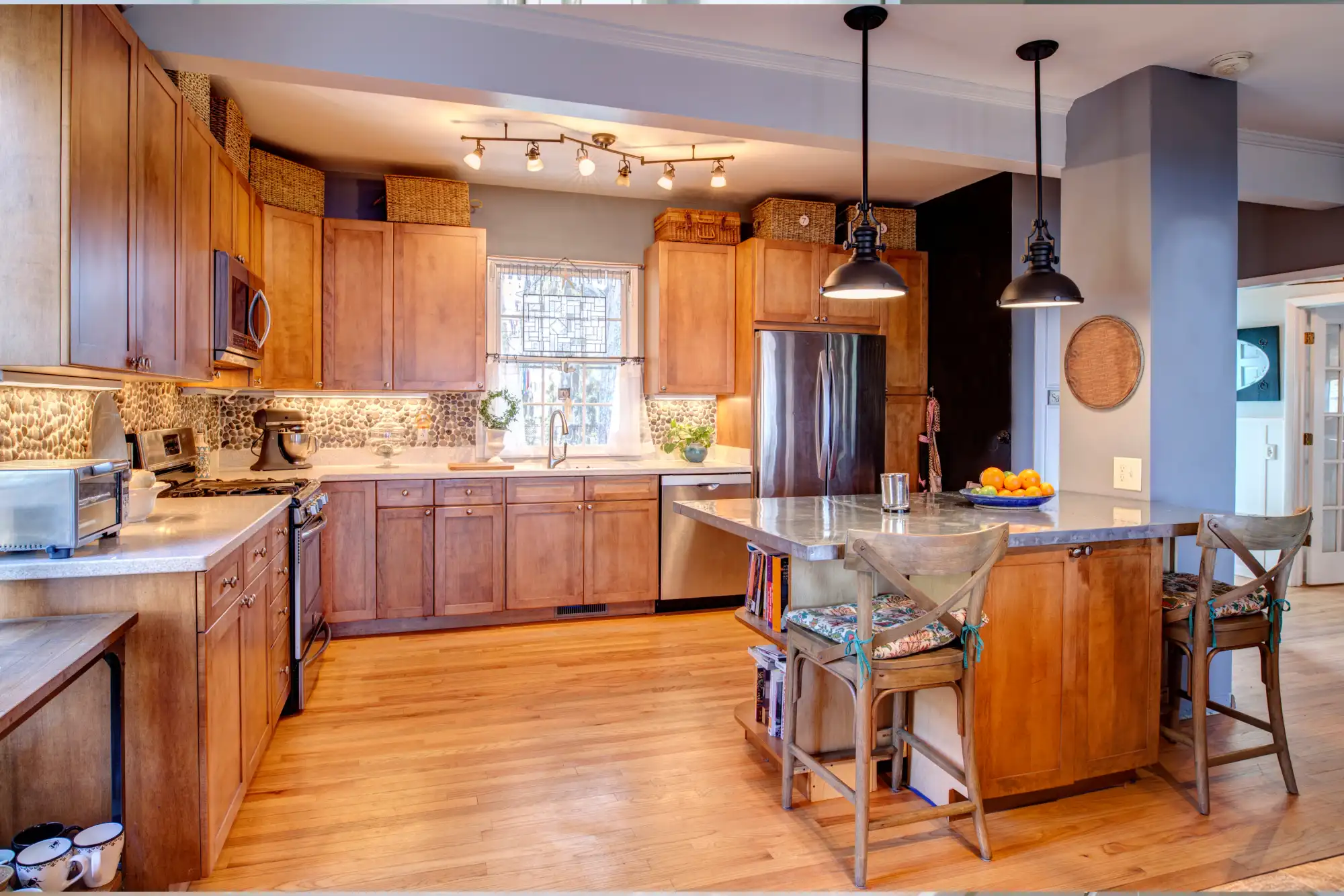
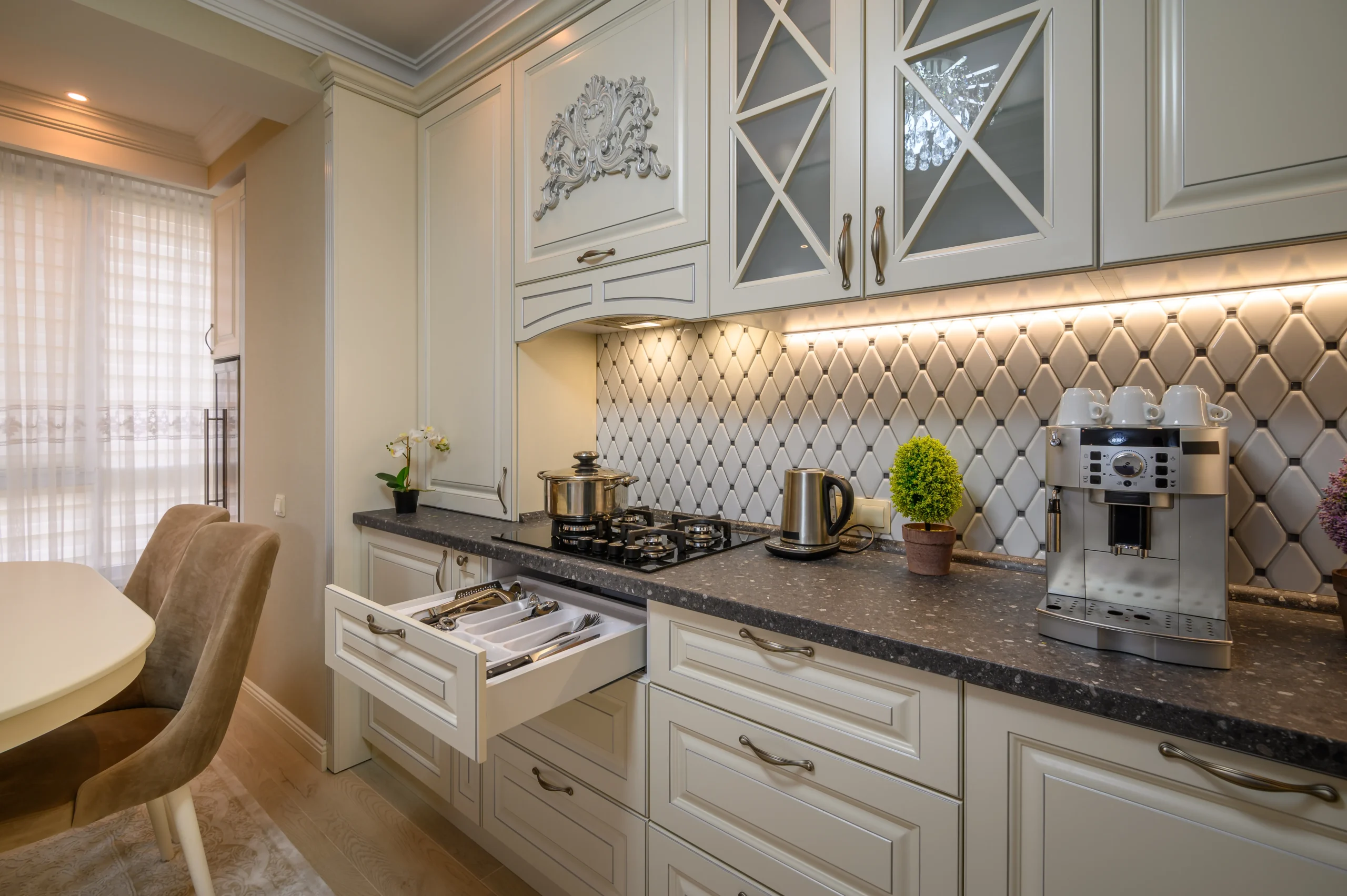
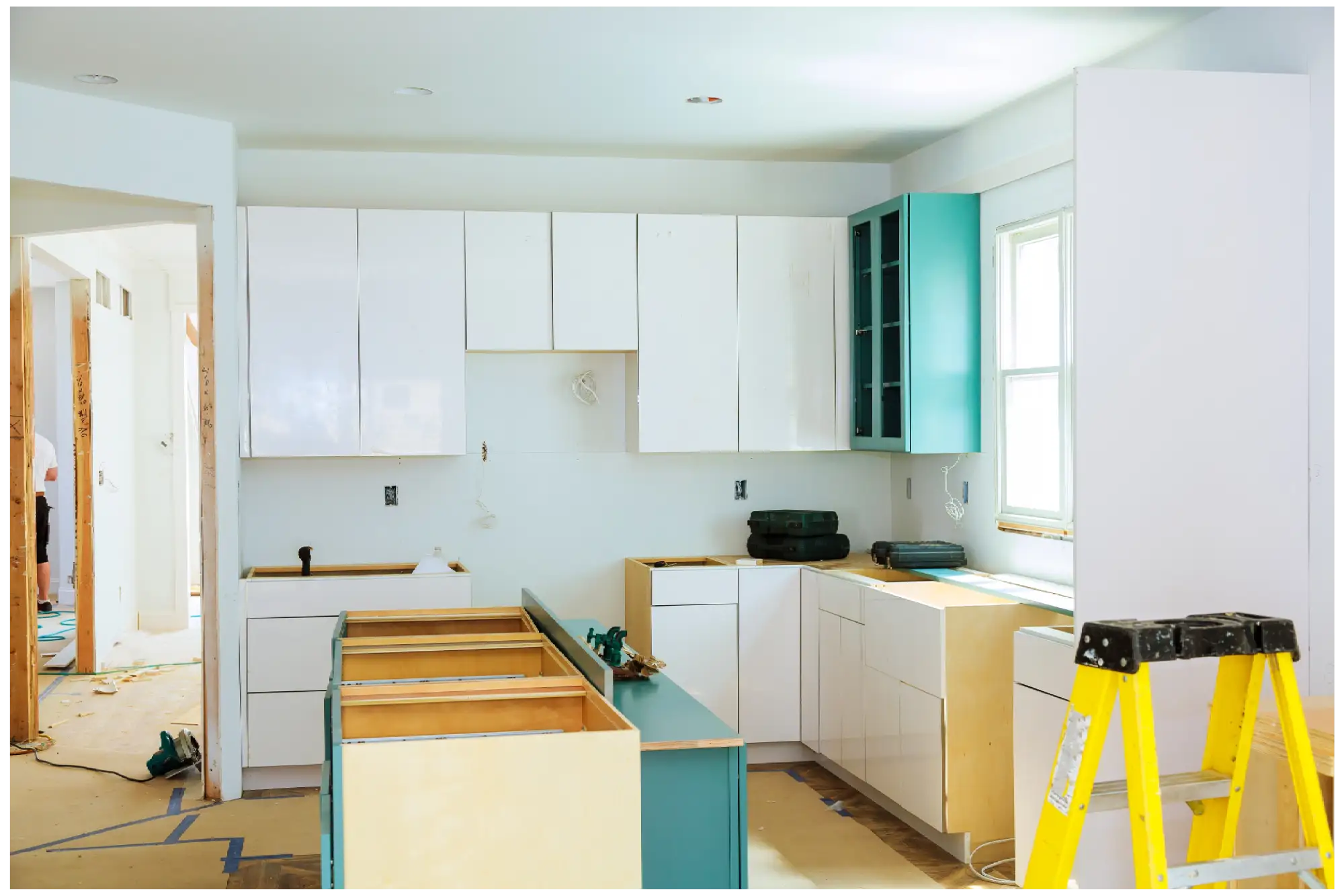


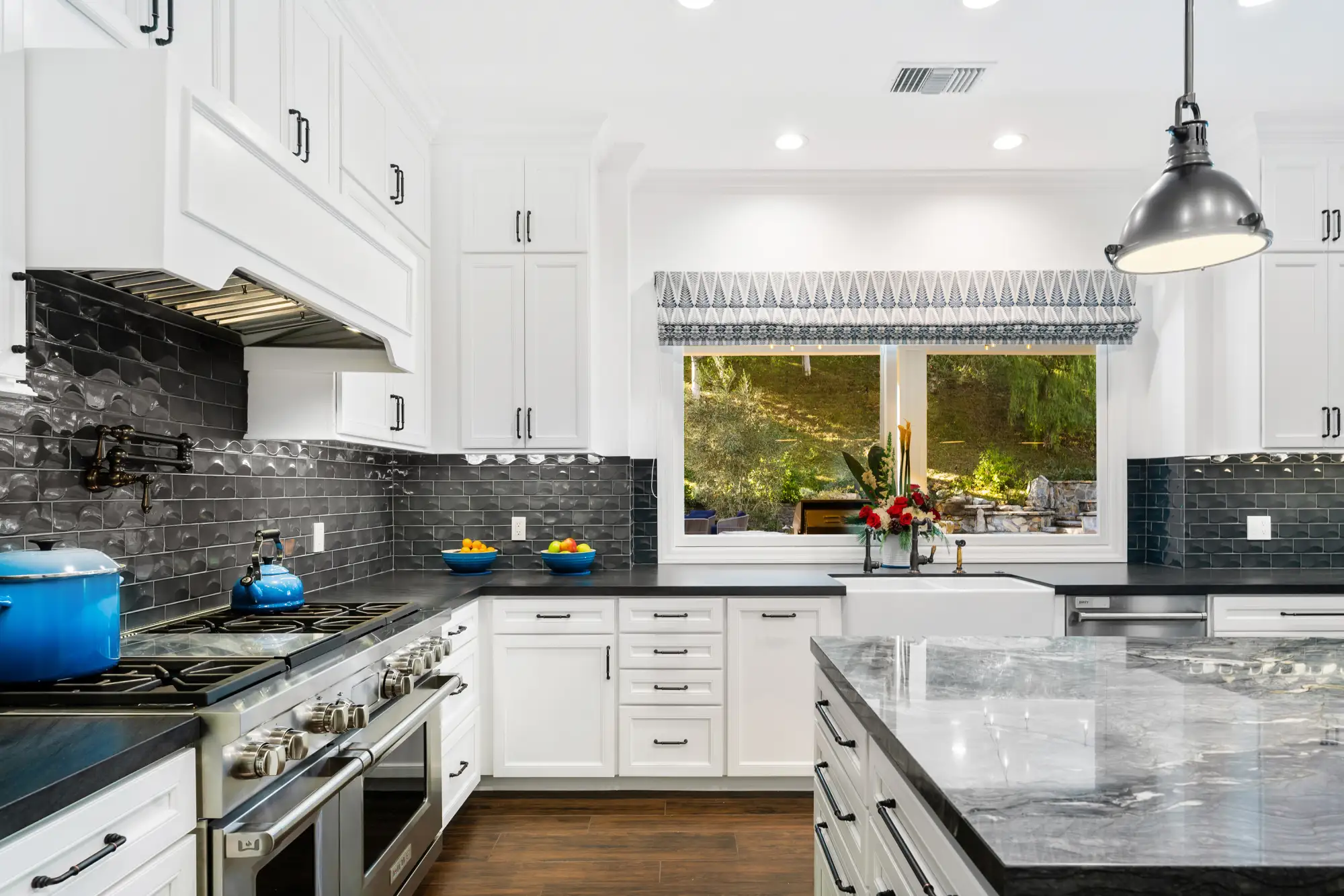
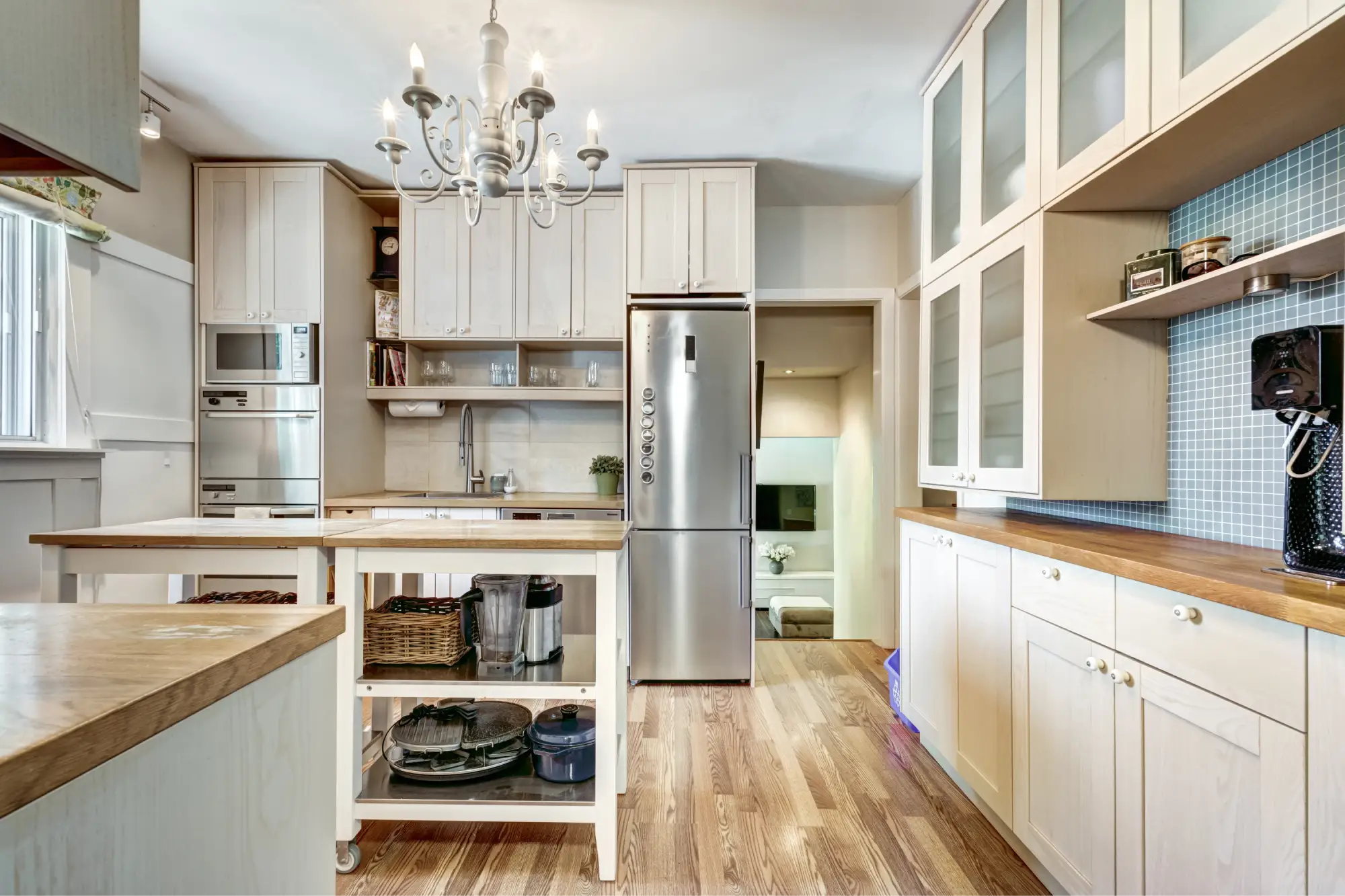
We had requested D&D do a full kitchen remodel and we couldn’t be happier with the entire process and the result! We had reached out to 5 companies all with excellent reviews and had them come out to inspect the space, explain our vision and give us a quote. All of the quotes came in within a 5% difference in price so that did not factor in to our decision to go with D&D.
The reason they stood out for us was the fact that they sent an actual kitchen designer, Shon, for our initial estimate. Although we had a partial vision of what we wanted in the space, Shon was able to make some suggestions we had not thought of and really help solidify what we wanted.
Before work began, Dan, the owner, and Eli, the project manager visited the site to ensure everything was in order and the timing would work for the least amount of disruption to our kitchen use based on the city inspection timing, which was very much appreciated!
Once demo started, Terrance, Dante and Ricky were great! They always arrived on time, left everything clean and tidy at the end of day, and the quality of their work was excellent! Terrance was a rock star! Just the sheer amount of knowledge he has in every area of construction! Eli was also great at keeping us posted on the plans for each day so we always knew what was going on.
I would highly recommend them without hesitation and I believe we received great value for our money!

We had requested D&D do a full kitchen remodel and we couldn't be happier with the entire process and the result! We had reached out to 5 companies all with excellent reviews and had them come out to inspect the space, explain our vision and give us a quote. All of the quotes came in within a 5% difference in price so that did not factor in to our decision to go with D&D.
The reason they stood out for us was the fact that they sent an actual kitchen designer, Shon, for our initial estimate. Although we had a partial vision of what we wanted in the space, Shon was able to make some suggestions we had not thought of and really help solidify what we wanted.
Before work began, Dan, the owner, and Eli, the project manager visited the site to ensure everything was in order and the timing would work for the least amount of disruption to our kitchen use based on the city inspection timing, which was very much appreciated!
Once demo started, Terrance, Dante and Ricky were great! They always arrived on time, left everything clean and tidy at the end of day, and the quality of their work was excellent! Terrance was a rock star! Just the sheer amount of knowledge he has in every area of construction! Eli was also great at keeping us posted on the plans for each day so we always knew what was going on.
I would highly recommend them without hesitation and I believe we received great value for our money!


Our kitchen was stuck in the early 2000s and desperately needed a refresh. The kitchen renovator completely changed the look and feel of our space. Even during the busy season in San Jose, they kept everything on schedule. They helped us choose finishes that brighten up the room, especially during these shorter winter days. The attention to detail really impressed us. Cooking now feels enjoyable again. I would absolutely recommend them to anyone updating their kitchen.

After years of putting it off, we finally decided to renovate our older home here in San Jose. The dry summer weather made it the perfect time to get started. The renovation team listened carefully to what we wanted and brought fresh ideas we hadn’t even considered. They stayed organized and kept us updated throughout the process. The transformation is unbelievable—it feels like a brand-new house. We couldn’t be happier with the results. Highly recommend for any home renovation project.

D&D Home Remodeling Service exceeded my expectations from start to finish. Their communication was clear, pricing was fair, and the quality of work was outstanding. The crew was respectful of my home and kept the workspace clean throughout the project. I’m extremely happy with the final outcome and will definitely use their services again.
I just needed a door for my bathroom and D&D came out and suggested that we install a barn door since we aren't ready for a full remodel and gave us a reasonable quote for the install so I purchased one from Amazon and gave them a call when it came in and they came out within a few days and Terence did a fine job. He even liked my annoying little dog
I will certainly give them a call when we are ready to remodel

5 stars for the D&D employee who held his ground ! Bravo and keep up the good work


Related Articles
Design and Build Services in Mountain View, CA
Top-Rated Home Remodeling Contractor in Mountain View, CA
People Also Ask
A reasonable budget for a kitchen remodel varies widely but a common industry standard is to invest between 5% to 15% of your home's current value. For a mid-range project, this often translates to $25,000 to $50,000, while high-end renovations can exceed $70,000. Key cost factors include the scope of work (cosmetic updates vs. full gut renovation), materials (countertops, cabinets, flooring), labor, and geographic location. It is crucial to allocate a contingency fund of 10-20% for unexpected issues. Prioritize spending on functional layouts and quality cabinetry, as these offer the best long-term value and return on investment for your home.
The 30% rule in remodeling is a general budgeting guideline suggesting that you should not spend more than 30% of your home's current market value on a major renovation project. This rule helps homeowners maintain financial prudence and protect their investment. For example, if your home is worth $400,000, your remodel budget should ideally not exceed $120,000. This cap is designed to prevent over-improvement, where the cost of renovations may not be fully recouped in the home's resale value. While a useful starting point, this rule is flexible. The appropriate budget can vary significantly based on your neighborhood's standards, the specific scope of work, and how long you plan to stay in the home. Always consult with a professional remodeler for a detailed assessment tailored to your property.
The sufficiency of a $10,000 budget for a kitchen remodel depends heavily on the project's scope and location. For a minor cosmetic update, such as painting cabinets, installing a new backsplash, updating hardware and lighting, and replacing a faucet, $10,000 can be adequate if you manage some tasks yourself. However, for a full remodel involving new custom cabinetry, high-end appliances, countertops, flooring, and layout changes, this budget is typically insufficient. Labor costs alone can consume a significant portion. To maximize a $10,000 budget, prioritize impactful, cost-effective upgrades like refacing rather than replacing cabinets, choosing mid-range materials, and keeping plumbing and electrical in their existing locations. Always obtain multiple detailed quotes from licensed contractors.
The most expensive part of redoing a kitchen is typically the cabinetry and installation. Custom or semi-custom cabinets represent a significant portion of the budget, often consuming 25-35% of total costs. This is due to the high cost of materials like solid wood, the complexity of construction, and the skilled labor required for precise installation. Following closely are major appliances and countertops, especially high-end materials like natural stone or quartz. However, the cabinetry cost is usually the largest single line item because it defines the kitchen's layout, storage, and aesthetic. Structural changes, such as moving plumbing or walls, can also become very costly if they are part of the remodel.
For homeowners in Mountain View seeking affordable kitchen remodeling, a strategic approach is key. Focus on cost-effective updates that deliver high impact, such as refinishing existing cabinets instead of full replacement, opting for durable but budget-friendly countertop materials like laminate or butcher block, and updating hardware and lighting fixtures. A clear budget and prioritized scope of work are essential to avoid scope creep. Partnering with a local, reputable contractor who understands value engineering is crucial. They can help identify where to invest and where to save. For a comprehensive approach that blends design vision with practical budgeting, consider exploring our detailed guide on Design and Build Services in Mountain View, CA, which outlines how professional design-build services can streamline your project and maximize value.