



We recently had the pleasure of working with D&D Home Remodeling for our bathroom renovation, and Carlos exceeded our expectations with his attention to detail and professionalism. He kept us informed throughout the process, making sure we were completely satisfied at every stage.


I couldn't be more pleased with the bathroom remodel done by D&D Home Remodeling. Mike took the time to understand our needs and delivered incredible results. The attention to detail and level of craftsmanship was truly impressive. Highly recommend their services!

Our residential remodel came together beautifully. The business respected our ideas and made them even better. The house feels like it finally fits us.!

We had requested D&D do a full kitchen remodel and we couldn’t be happier with the entire process and the result! We had reached out to 5 companies all with excellent reviews and had them come out to inspect the space, explain our vision and give us a quote. All of the quotes came in within a 5% difference in price so that did not factor in to our decision to go with D&D.
The reason they stood out for us was the fact that they sent an actual kitchen designer, Shon, for our initial estimate. Although we had a partial vision of what we wanted in the space, Shon was able to make some suggestions we had not thought of and really help solidify what we wanted.
Before work began, Dan, the owner, and Eli, the project manager visited the site to ensure everything was in order and the timing would work for the least amount of disruption to our kitchen use based on the city inspection timing, which was very much appreciated!
Once demo started, Terrance, Dante and Ricky were great! They always arrived on time, left everything clean and tidy at the end of day, and the quality of their work was excellent! Terrance was a rock star! Just the sheer amount of knowledge he has in every area of construction! Eli was also great at keeping us posted on the plans for each day so we always knew what was going on.
I would highly recommend them without hesitation and I believe we received great value for our money!
We had requested D&D do a full kitchen remodel and we couldn't be happier with the entire process and the result! We had reached out to 5 companies all with excellent reviews and had them come out to inspect the space, explain our vision and give us a quote. All of the quotes came in within a 5% difference in price so that did not factor in to our decision to go with D&D.
The reason they stood out for us was the fact that they sent an actual kitchen designer, Shon, for our initial estimate. Although we had a partial vision of what we wanted in the space, Shon was able to make some suggestions we had not thought of and really help solidify what we wanted.
Before work began, Dan, the owner, and Eli, the project manager visited the site to ensure everything was in order and the timing would work for the least amount of disruption to our kitchen use based on the city inspection timing, which was very much appreciated!
Once demo started, Terrance, Dante and Ricky were great! They always arrived on time, left everything clean and tidy at the end of day, and the quality of their work was excellent! Terrance was a rock star! Just the sheer amount of knowledge he has in every area of construction! Eli was also great at keeping us posted on the plans for each day so we always knew what was going on.
I would highly recommend them without hesitation and I believe we received great value for our money!


Our kitchen was stuck in the early 2000s and desperately needed a refresh. The kitchen renovator completely changed the look and feel of our space. Even during the busy season in San Jose, they kept everything on schedule. They helped us choose finishes that brighten up the room, especially during these shorter winter days. The attention to detail really impressed us. Cooking now feels enjoyable again. I would absolutely recommend them to anyone updating their kitchen.

After years of putting it off, we finally decided to renovate our older home here in San Jose. The dry summer weather made it the perfect time to get started. The renovation team listened carefully to what we wanted and brought fresh ideas we hadn’t even considered. They stayed organized and kept us updated throughout the process. The transformation is unbelievable—it feels like a brand-new house. We couldn’t be happier with the results. Highly recommend for any home renovation project.

D&D Home Remodeling Service exceeded my expectations from start to finish. Their communication was clear, pricing was fair, and the quality of work was outstanding. The crew was respectful of my home and kept the workspace clean throughout the project. I’m extremely happy with the final outcome and will definitely use their services again.
I just needed a door for my bathroom and D&D came out and suggested that we install a barn door since we aren't ready for a full remodel and gave us a reasonable quote for the install so I purchased one from Amazon and gave them a call when it came in and they came out within a few days and Terence did a fine job. He even liked my annoying little dog
I will certainly give them a call when we are ready to remodel

5 stars for the D&D employee who held his ground ! Bravo and keep up the good work
People Also Ask
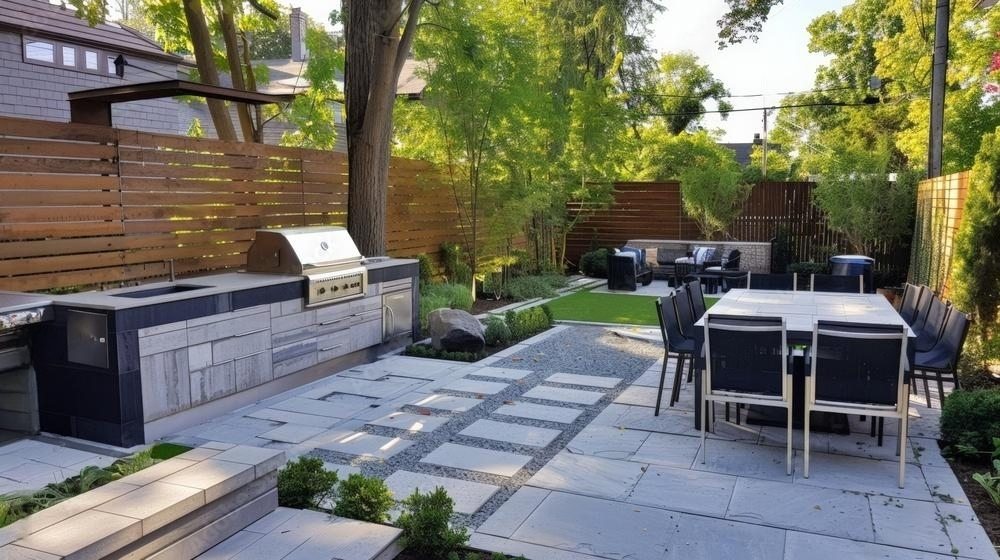
The cost of a 20x20 paver patio typically ranges from $4,000 to $10,000 or more, with a national average around $7,000. This 400-square-foot project's final price depends heavily on material and labor. Basic concrete pavers might cost $8-$15 per square foot installed, while higher-end natural stone, brick, or intricate designs can reach $25+ per square foot. Key cost factors include site preparation (grading, excavation), the type of base material (gravel, sand), the paver material itself, complex patterns or borders, and local labor rates. Additional expenses for features like steps, walls, or lighting are extra. Always obtain detailed, written estimates from licensed contractors that include all site work and materials.
The cost to install a 12x12 (144 sq ft) paver patio typically ranges from $2,500 to $7,200, with a national average around $4,800. This wide range depends heavily on material and labor choices. Basic concrete pavers might cost $10-$20 per square foot installed, while high-end natural stone or intricate designs can reach $25-$50 per square foot. The final price includes site preparation (excavation, grading, compacting a gravel base), the pavers themselves, polymeric sand for joints, and labor. Key cost factors include regional labor rates, patio accessibility, soil conditions requiring extra base material, and complex patterns or borders. Always obtain multiple detailed quotes that break down material, base preparation, and labor costs separately.
The cost comparison between concrete and pavers depends on initial installation versus long-term value. Generally, poured concrete has a lower initial material and installation cost per square foot. Pavers, being individual units, are more expensive upfront due to higher material costs and more labor-intensive installation requiring a precise base and manual placement. However, pavers offer significant long-term advantages. They are easier and far cheaper to repair, as only damaged sections need replacement, whereas cracked concrete often requires a full slab tear-out and re-pour. Pavers also typically have a higher perceived aesthetic value, which can increase property resale value. For a permanent, low-maintenance surface, concrete is the budget choice, but for durability and repair flexibility, pavers are often the better investment.
The cost for 1,000 square feet of pavers typically ranges from $8,500 to $20,000 or more, with a national average often between $12,000 and $17,000. This wide range depends heavily on material choice, labor, and site preparation. Basic concrete pavers may start around $8-$15 per square foot installed, while higher-end natural stone, brick, or intricate designs can cost $20-$30+ per square foot. The total includes expenses for the pavers themselves, base materials like gravel and sand, excavation, grading, compaction, cutting, and sealing. Always obtain multiple detailed quotes, as factors like existing ground conditions, accessibility, pattern complexity, and regional labor rates significantly impact the final price. Proper site preparation is crucial for longevity.
Patio pavers services in Loyola involve professional installation of durable, aesthetically pleasing outdoor surfaces using materials like concrete, brick, or natural stone. A reputable service begins with a consultation to assess your space, discuss design preferences, and establish a budget. Proper installation is critical and includes site preparation, ensuring adequate drainage, and using the correct base materials like compacted gravel and sand to prevent shifting and settling over time. Sealing the pavers after installation is often recommended to protect against stains and weathering. For homeowners in Loyola, it's essential to choose a licensed and insured contractor with local experience, as soil conditions and climate can impact the project's longevity. Always review a detailed written contract outlining the scope, materials, timeline, and warranty before work begins.
Concrete pavers are a durable and versatile option for enhancing outdoor spaces in the Loyola area. Professional installation services typically include site preparation, ensuring proper base compaction and drainage to prevent shifting or sinking. The selection of paver styles, colors, and patterns (like herringbone or running bond) allows for customization to complement your home's architecture. A key industry standard is the use of edge restraints and polymeric sand for joint stabilization, which inhibits weed growth and insect infiltration. For Chicago's climate, proper sealing is also recommended to protect against freeze-thaw cycles and de-icing salts, ensuring your patio, walkway, or driveway maintains its aesthetic appeal and structural integrity for years.