

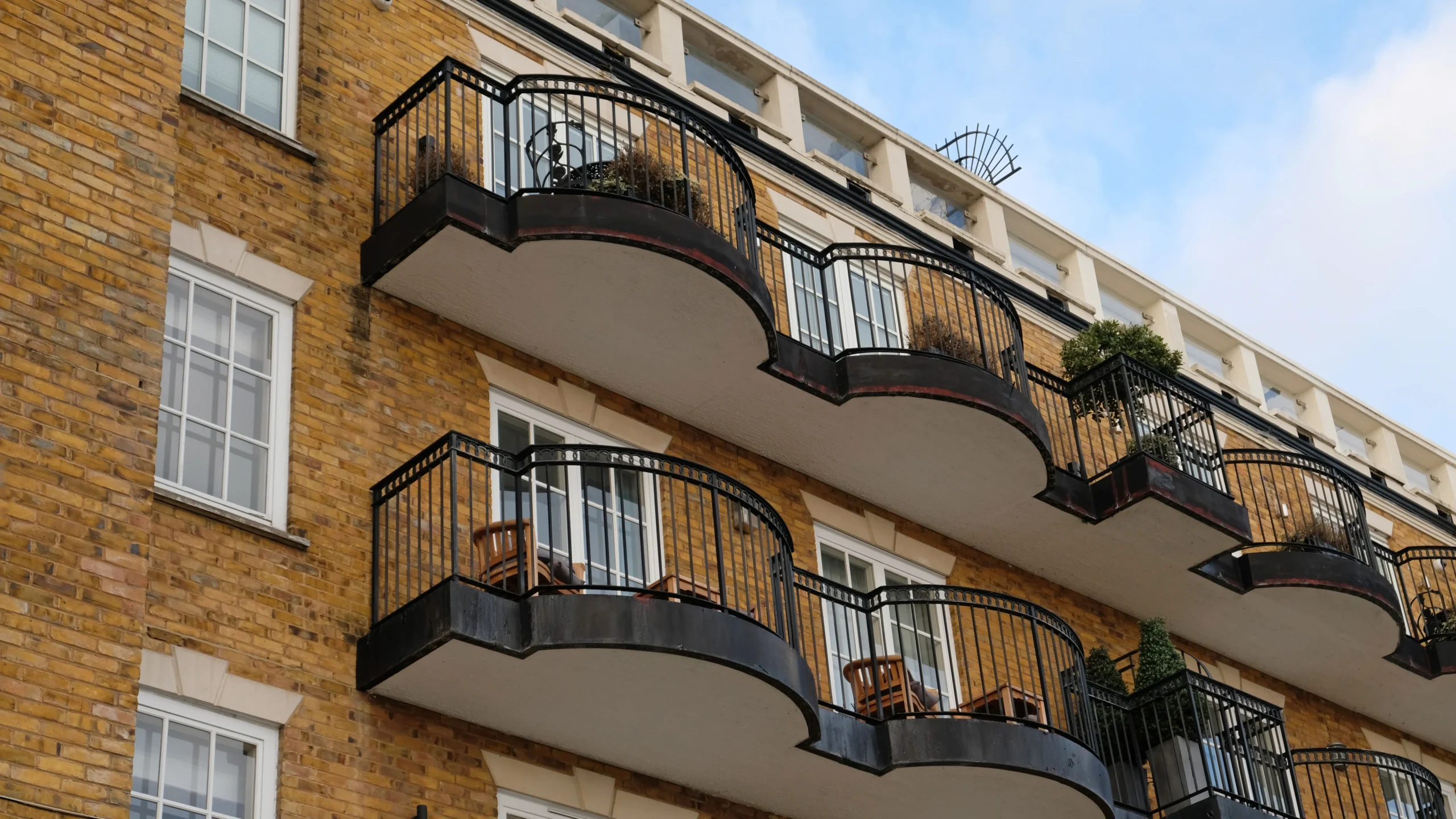
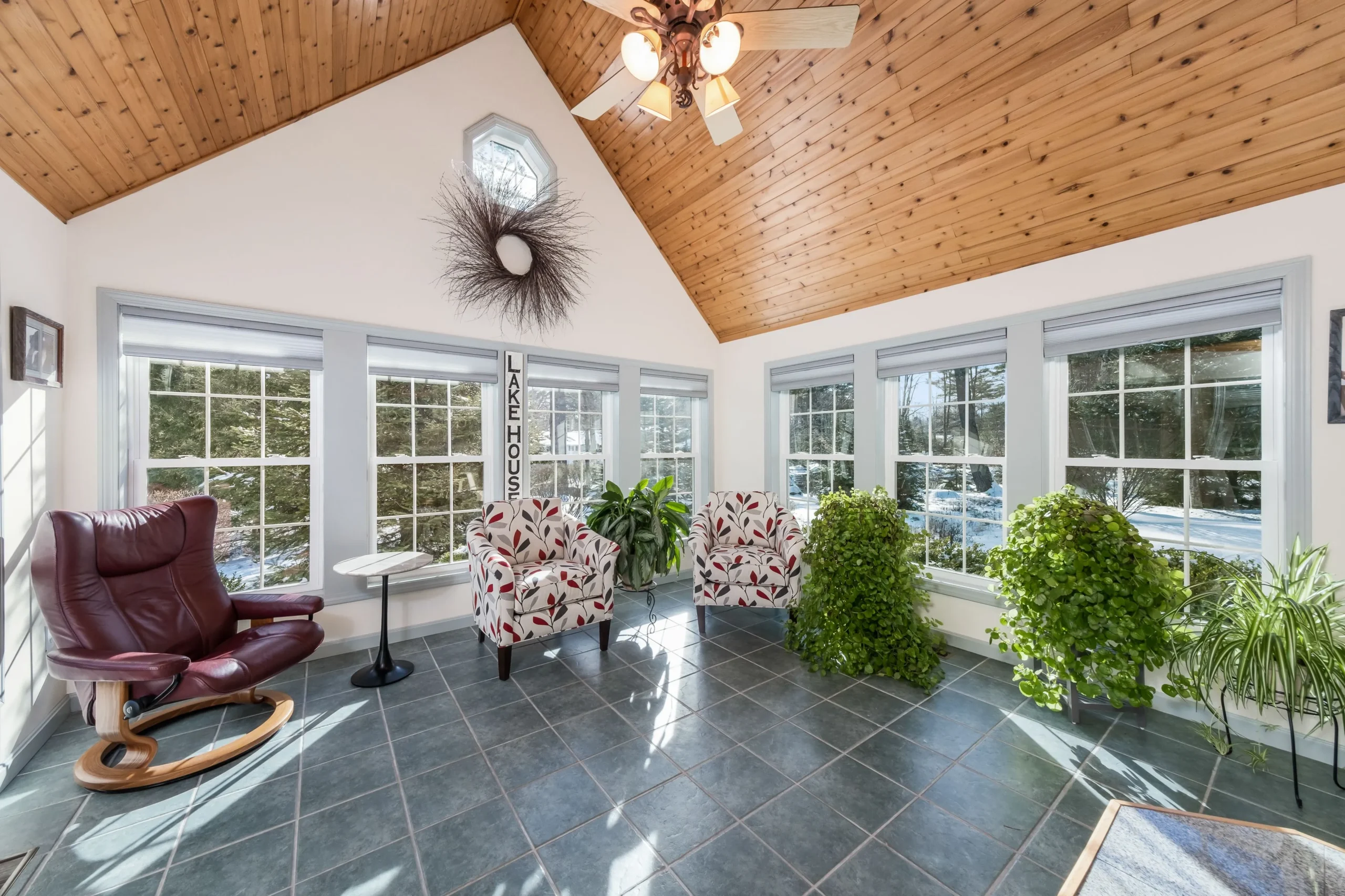


Our residential remodel came together beautifully. The business respected our ideas and made them even better. The house feels like it finally fits us.!


We had requested D&D do a full kitchen remodel and we couldn’t be happier with the entire process and the result! We had reached out to 5 companies all with excellent reviews and had them come out to inspect the space, explain our vision and give us a quote. All of the quotes came in within a 5% difference in price so that did not factor in to our decision to go with D&D.
The reason they stood out for us was the fact that they sent an actual kitchen designer, Shon, for our initial estimate. Although we had a partial vision of what we wanted in the space, Shon was able to make some suggestions we had not thought of and really help solidify what we wanted.
Before work began, Dan, the owner, and Eli, the project manager visited the site to ensure everything was in order and the timing would work for the least amount of disruption to our kitchen use based on the city inspection timing, which was very much appreciated!
Once demo started, Terrance, Dante and Ricky were great! They always arrived on time, left everything clean and tidy at the end of day, and the quality of their work was excellent! Terrance was a rock star! Just the sheer amount of knowledge he has in every area of construction! Eli was also great at keeping us posted on the plans for each day so we always knew what was going on.
I would highly recommend them without hesitation and I believe we received great value for our money!
We had requested D&D do a full kitchen remodel and we couldn't be happier with the entire process and the result! We had reached out to 5 companies all with excellent reviews and had them come out to inspect the space, explain our vision and give us a quote. All of the quotes came in within a 5% difference in price so that did not factor in to our decision to go with D&D.
The reason they stood out for us was the fact that they sent an actual kitchen designer, Shon, for our initial estimate. Although we had a partial vision of what we wanted in the space, Shon was able to make some suggestions we had not thought of and really help solidify what we wanted.
Before work began, Dan, the owner, and Eli, the project manager visited the site to ensure everything was in order and the timing would work for the least amount of disruption to our kitchen use based on the city inspection timing, which was very much appreciated!
Once demo started, Terrance, Dante and Ricky were great! They always arrived on time, left everything clean and tidy at the end of day, and the quality of their work was excellent! Terrance was a rock star! Just the sheer amount of knowledge he has in every area of construction! Eli was also great at keeping us posted on the plans for each day so we always knew what was going on.
I would highly recommend them without hesitation and I believe we received great value for our money!


Our kitchen was stuck in the early 2000s and desperately needed a refresh. The kitchen renovator completely changed the look and feel of our space. Even during the busy season in San Jose, they kept everything on schedule. They helped us choose finishes that brighten up the room, especially during these shorter winter days. The attention to detail really impressed us. Cooking now feels enjoyable again. I would absolutely recommend them to anyone updating their kitchen.

After years of putting it off, we finally decided to renovate our older home here in San Jose. The dry summer weather made it the perfect time to get started. The renovation team listened carefully to what we wanted and brought fresh ideas we hadn’t even considered. They stayed organized and kept us updated throughout the process. The transformation is unbelievable—it feels like a brand-new house. We couldn’t be happier with the results. Highly recommend for any home renovation project.

D&D Home Remodeling Service exceeded my expectations from start to finish. Their communication was clear, pricing was fair, and the quality of work was outstanding. The crew was respectful of my home and kept the workspace clean throughout the project. I’m extremely happy with the final outcome and will definitely use their services again.
I just needed a door for my bathroom and D&D came out and suggested that we install a barn door since we aren't ready for a full remodel and gave us a reasonable quote for the install so I purchased one from Amazon and gave them a call when it came in and they came out within a few days and Terence did a fine job. He even liked my annoying little dog
I will certainly give them a call when we are ready to remodel

5 stars for the D&D employee who held his ground ! Bravo and keep up the good work



Related Articles
People Also Ask
The cost of a landscape designer varies significantly by region, experience, and project scope. On average, hourly rates range from $50 to $150 per hour. For a preliminary consultation, some designers charge a flat fee, while others apply their hourly rate. More established designers or those in high-cost metropolitan areas may charge $200 or more per hour. It's crucial to understand that many designers prefer to work on a project-based or percentage-of-construction-cost fee structure, which can be more economical for larger, complex projects. Always request a detailed written proposal outlining the fee structure, services included, and estimated total hours before work begins.
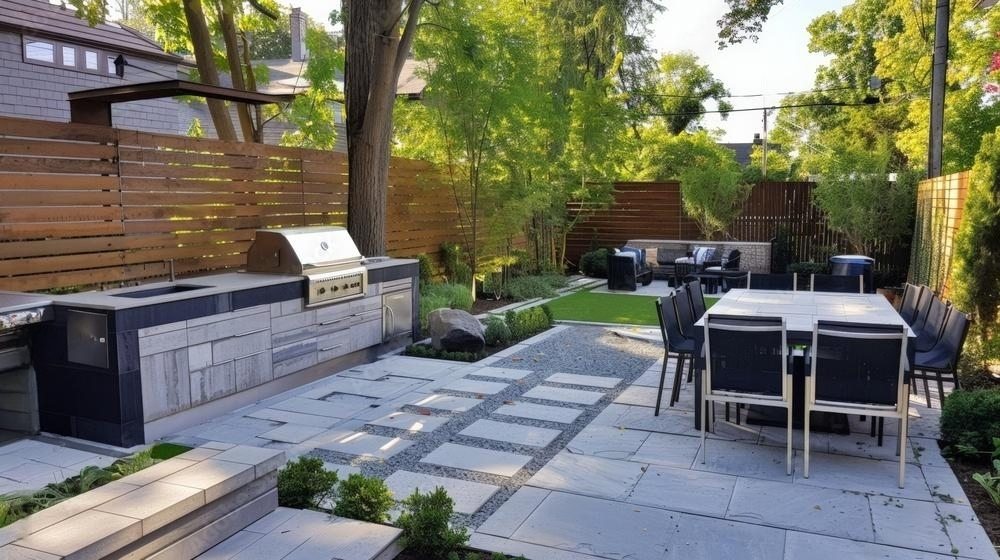
A landscaper is a professional who implements the physical work of outdoor construction and maintenance. This includes tasks like grading, planting, sodding, installing hardscapes (patios, walkways), and ongoing lawn care. Their expertise is in the execution and horticultural upkeep of an outdoor space. A landscape designer, conversely, is focused on the planning and conceptual design phase. They create detailed plans and visual concepts that address aesthetics, functionality, and plant selection to meet a client's specific needs and site conditions. While some professionals offer both services, the key distinction is that a designer creates the blueprint, and the landscaper (or landscape contractor) builds and maintains it based on that plan.
The four primary types of landscape are natural, cultural, urban, and industrial. A natural landscape is one essentially untouched by human activity, such as wilderness areas, forests, and mountains. A cultural landscape is shaped by human interaction with the environment, including agricultural lands, parks, and historic sites. An urban landscape encompasses the built environment of cities and towns, focusing on infrastructure, public spaces, and architectural elements. Finally, an industrial landscape includes areas dominated by manufacturing, energy production, and transportation facilities. Understanding these categories is crucial for planning, whether for environmental conservation, urban design, or integrating outdoor living spaces with a home's architecture.
The six fundamental rules of landscape design are principles used to create harmonious, functional, and aesthetically pleasing outdoor spaces. Unity ensures all elements work together cohesively. Balance creates visual stability, which can be symmetrical or asymmetrical. Proportion refers to the size relationship between all features. Transition is the gradual change achieved with elements like plant size or color for a natural flow. Rhythm is created by repeating elements to guide the eye through the landscape. Finally, Focalization uses a point of interest, like a tree or sculpture, to draw attention. These principles guide the arrangement of plants, hardscapes, and structures for a successful design.
For top-tier landscape design in Cupertino, look for firms that offer a full-service approach, integrating hardscaping, irrigation, and sustainable planting. The best services begin with a detailed consultation to understand your vision, followed by a master plan that addresses functionality, aesthetics, and long-term maintenance. Key considerations include drought-tolerant native plants, efficient lighting, and durable materials suited to the local climate. A truly comprehensive remodel often involves coordinating outdoor living spaces with the home's overall architecture. For projects that seamlessly blend interior and exterior upgrades, our detailed guide on Design and Build Services in Cupertino, CA provides valuable insights into creating a cohesive property transformation.
For homeowners in Cupertino seeking affordable landscape design, the key is to focus on phased projects and native plant selections. Start with a master plan created by a professional designer, which allows you to implement the work in budget-friendly stages over time. Prioritizing drought-tolerant, California-native plants reduces long-term water and maintenance costs. Consider hardscaping elements like gravel paths or decomposed granite patios, which are often more economical than poured concrete. For a comprehensive approach that integrates outdoor living spaces with your home's overall aesthetic and function, our team's expertise is detailed in our internal article, Design and Build Services in Cupertino, CA. This resource explains how strategic planning from the outset can maximize value and control costs.