

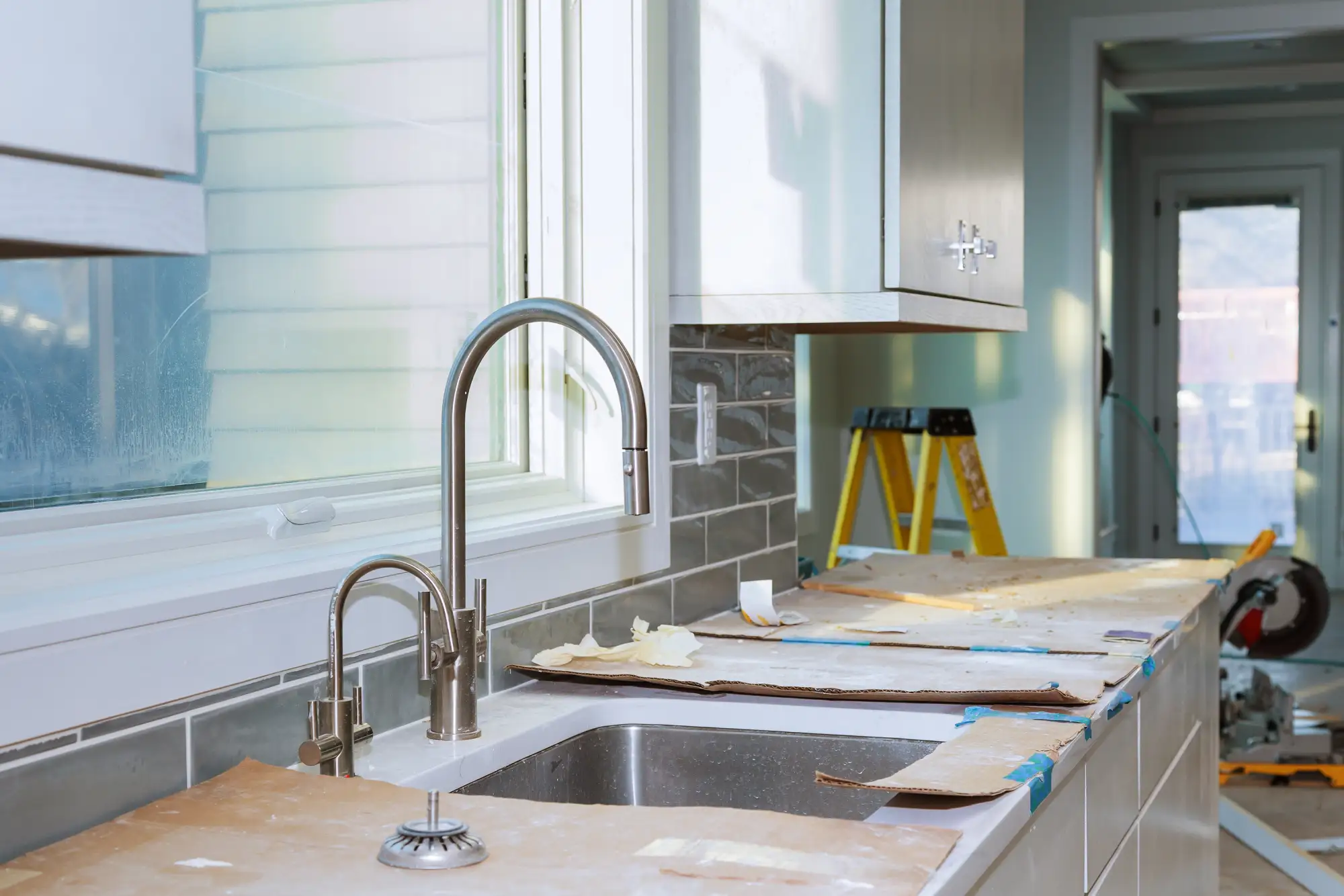


Our kitchen was stuck in the early 2000s and desperately needed a refresh. The kitchen renovator completely changed the look and feel of our space. Even during the busy season in San Jose, they kept everything on schedule. They helped us choose finishes that brighten up the room, especially during these shorter winter days. The attention to detail really impressed us. Cooking now feels enjoyable again. I would absolutely recommend them to anyone updating their kitchen.


After years of putting it off, we finally decided to renovate our older home here in San Jose. The dry summer weather made it the perfect time to get started. The renovation team listened carefully to what we wanted and brought fresh ideas we hadn’t even considered. They stayed organized and kept us updated throughout the process. The transformation is unbelievable—it feels like a brand-new house. We couldn’t be happier with the results. Highly recommend for any home renovation project.

D&D Home Remodeling Service exceeded my expectations from start to finish. Their communication was clear, pricing was fair, and the quality of work was outstanding. The crew was respectful of my home and kept the workspace clean throughout the project. I’m extremely happy with the final outcome and will definitely use their services again.
I just needed a door for my bathroom and D&D came out and suggested that we install a barn door since we aren't ready for a full remodel and gave us a reasonable quote for the install so I purchased one from Amazon and gave them a call when it came in and they came out within a few days and Terence did a fine job. He even liked my annoying little dog
I will certainly give them a call when we are ready to remodel


5 stars for the D&D employee who held his ground ! Bravo and keep up the good work


People Also Ask
The 30% rule for renovations is a common budgeting guideline suggesting that you should not spend more than 30% of your home's current market value on a major remodel. For example, if your home is worth $400,000, your renovation budget should ideally not exceed $120,000. This rule helps homeowners avoid over-improving their property relative to the neighborhood, which can make it difficult to recoup the investment upon resale. It is a starting point for financial planning, but actual budgets must also consider the scope of work, local construction costs, and your long-term goals for the home. Always consult with a professional remodeler for a detailed estimate.
The answer depends on the scope of the project and your location. For a full, high-end renovation of a large home, $100,000 may be insufficient. However, for a focused remodel of key areas like a kitchen and bathrooms, or for a comprehensive update of a smaller home, it can be a substantial and effective budget. The key is detailed planning. Obtain multiple, itemized quotes from licensed contractors. Prioritize structural and mechanical systems (roof, electrical, plumbing) first. Allocate a contingency of 15-20% for unforeseen issues. With strategic choices on materials and by phasing the project, $100,000 can significantly transform a house, but it requires careful management to avoid cost overruns.
A reasonable budget for remodeling depends heavily on the project's scope, location, and quality of materials. As a general industry standard, homeowners should plan to spend between 5% to 15% of their home's current value on a full-room remodel, such as a kitchen or bathroom. For a mid-range kitchen update, budgets often range from $25,000 to $50,000, while a bathroom can range from $10,000 to $25,000. It is crucial to allocate an additional 10-20% as a contingency fund for unexpected issues. Prioritizing needs over wants and obtaining multiple detailed quotes from licensed contractors are essential steps to establish a realistic and manageable financial plan for your renovation.
A full renovation, often called a gut renovation, involves completely stripping a space back to its structural framework and rebuilding it. This process goes beyond cosmetic updates like paint or flooring. It typically includes removing walls, replacing all major systems (electrical, plumbing, HVAC), installing new windows, and reconfiguring the layout. Essentially, every non-structural element is replaced or significantly upgraded. This level of project transforms the home's functionality and aesthetics, addressing underlying issues while modernizing the entire space. It requires extensive planning, permits, and professional management, as it is comparable to building anew within an existing shell, ensuring everything meets current building codes and standards.