

Hey there, renovation rebels! Ever walk into a freshly remodeled room and feel… off? Like the energy’s doing the cha-cha when you just want a slow waltz? We’ve been there. At D&D Home Remodeling in San Jose, we’ve seen how blending ancient Feng Shui principles with modern home remodeling services can turn “meh” spaces into zen masterpieces. And no, we won’t make you bury crystals under your floorboards (unless you ask nicely).
Wait, Feng Shui Isn’t Just About Fancy Rock Gardens?
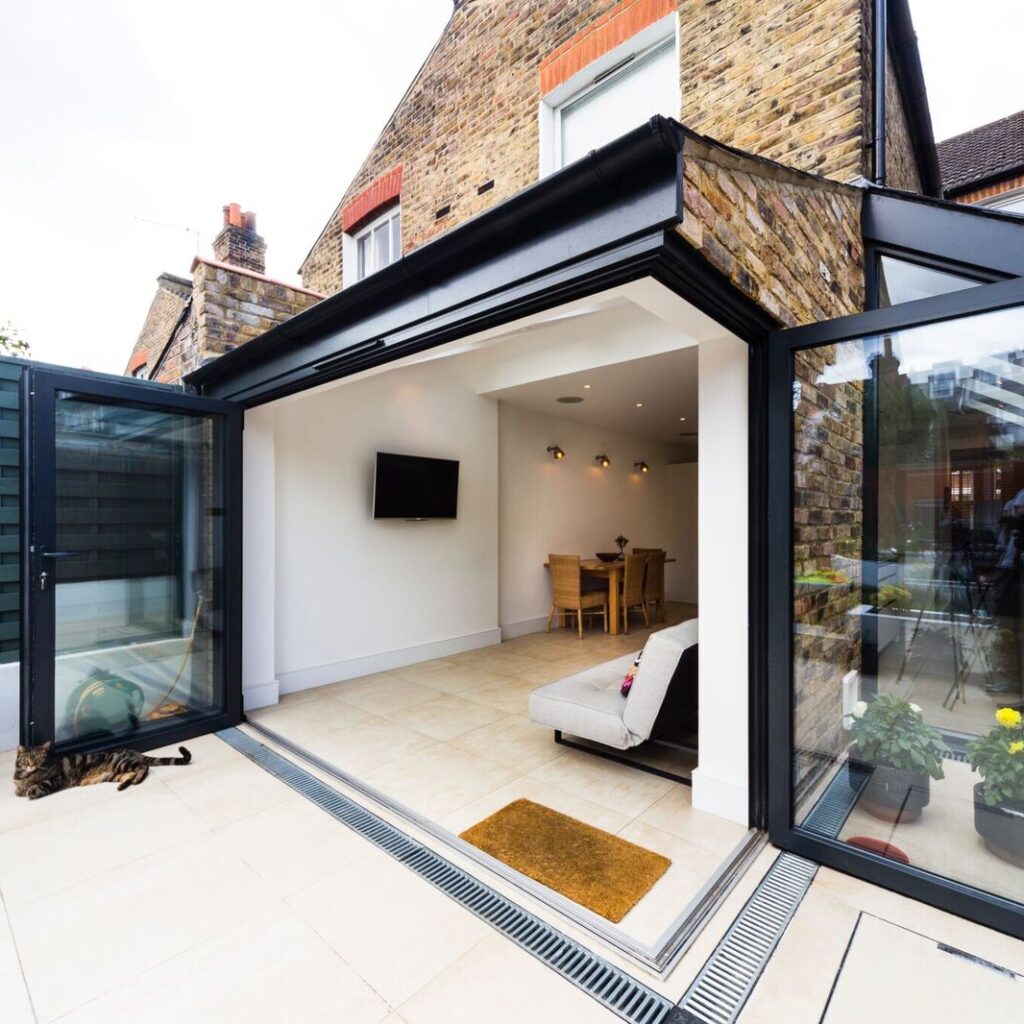
Nope! It’s about harmonizing energy flow (or chi, if we’re being fancy) in your space. Think of it as interior design meets physics. When you’re knee-deep in a full home remodel, it’s the perfect time to embed these principles. Why? Because moving walls is easier than convincing your cat to vacate your favorite chair. We’ve used Feng Shui in home additions across San Jose to boost everything from natural light to that elusive “good vibes” factor.
The Big 3 Feng Shui Rules We Swear By
Let’s cut through the mystique. Here’s what actually matters when you’re renovating:
Commanding Position: Your Room’s MVP
The “commanding position” means placing key items (bed, desk, stove) so you face the door without being directly in line with it. Translation: No more startling surprises when someone barges in during your yoga session. In kitchens, we position stoves to symbolize wealth—nobody wants their cash flow blocked by a rogue refrigerator. Pro tip: If your bedroom layout feels like a Tetris fail, it’s time to call a house remodeling contractor who gets it. Ahem.
The Five Elements: Not a Boy Band
Balance wood, fire, earth, metal, and water through colors, textures, and materials. For example:
- Kitchen (Fire): Add earthy tones (think terracotta tiles) to avoid “burnout” vibes.
- Bathroom (Water): Use metal fixtures (sinks, frames) to prevent energy from draining away.
We once saw a client’s bathroom remodeler install all-black everything. It looked slick but felt like a cave. A few metallic accents fixed it!
Clutter: The Chi Killer
Feng Shui’s obsession with decluttering isn’t just for minimalism snobs. Blocked pathways = blocked energy. During general remodeling, we prioritize storage solutions under stairs or in dead corners. FYI, that “junk drawer” in your kitchen? It’s basically a chi prison.
Feng Shui Quick-Reference Table
| Principle | What It Fixes | Renovation Hack |
|——————–|—————————————-|————————————————–|
| Commanding Position | Anxiety, poor sleep | Position bed diagonally from the door |
| Five Elements | Imbalance, low energy | Use water features (fountains) near entryways |
| Bagua Map | Underused rooms | Mirror placement to “activate” stagnant zones |
| Clutter Control | Stagnation, stress | Built-in cabinets during exterior remodeling |
Room-by-Room Feng Shui Wins (and Face-Palms)
Kitchen: Where Wealth Simmers
Your stove = wealth magnet. Avoid placing it next to sinks (water extinguishes fire 🔥). We redesigned a Campbell kitchen where the stove faced a wall—client called it her “money backache.” After relocating it? She landed a promotion. Coincidence? Maybe. But we’ll take credit!
Bathrooms: The Energy Drains
Bathrooms flush chi faster than… well, you know. Keep toilet lids down and add living plants. If you’re hiring a bathroom remodeler near me, ask about sealing drains when not in use (yes, really).
Bedrooms: Romance & Zzz’s HQ
Beds should have solid headboards (no floating!) and never face mirrors. One Saratoga client wondered why her sleep was awful—turns out her mirrored closet doors were bouncing energy like a disco ball.
Oops! Classic Feng Shui Fails We’ve Fixed
We’ve seen it all:
- Toilets facing front doors (bye-bye prosperity).
- Home additions in the “relationship zone” with no cozy corners (awkward first dates, guaranteed).
- Sharp corners (“poison arrows”) aimed at beds. Ouch.
Our favorite? A Sunnyvale renovation contractor put a fish tank in the wealth corner… with fake plants. It’s like hanging a “broken” neon sign in your prosperity zone. Don’t be that guy.
Why Your Contractor Needs Feng Shui 101
Look, not every general contractor will appreciate “invisible energy.” But at D&D, we blend practicality with flow. Need proof? Our abortable project phases mean we pause if layouts feel off—no bulldozing your zen on a whim.
We serve San Jose, Santa Clara, Campbell, Milpitas, Saratoga, Sunnyvale, Los Gatos, Cupertino, Fremont, and Morgan Hill. Whether it’s exterior remodeling or a gut job, we’ve got your chi. IMO, choosing the best remodeling company means picking one that respects both your budget and your aura.
Keywords we love:
- Cost-effective Feng Shui? Absolutely. Repositioning furniture > rebuilding.
- Price transparency? We’ll break it down—no aura-reading fees.
- Local perks: As your San Jose-based house remodeling contractor, we’re always near me for urgent chi emergencies.
FAQs: Your Feng Shui Speed Round
1. “Will Feng Shui jack up my renovation cost?”
Not if done right! Simple tweaks (door placements, color choices) cost zip. Major shifts (moving plumbing) add expense—but we optimize early to avoid surprises.
2. “Can I DIY Feng Shui mid-renovation?”
Sure, but it’s like doing brain surgery after a YouTube tutorial. Consult a pro before knocking down walls. We offer Feng Shui consults (even if you’re not our client).
3. “What if my space has ‘bad energy’?”
90% of “bad” Feng Shui is fixable with mirrors, plants, or decluttering. No exorcism needed.
4. “Do you work with Feng Shui experts?”
Yep! We partner with masters for complex layouts. Your sanity > our ego.
Ready to Renovate Like a Chi Whisperer?
Feng Shui isn’t about superstition—it’s about designing spaces that feel right. And hey, if your home’s energy flows better? Maybe your mother-in-law visits less. Just saying.
At D&D Home Remodeling, we turn layouts into good-vibe generators. Serving San Jose and the whole South Bay, we’re your go-to for Feng Shui-savvy general remodeling. Drop the stress, not the hammer. Let’s chat!
P.S. Still Googling “bathroom remodeler near me”? We’re right here. And yes, we fix poison arrows. 😉
People Also Ask
In feng shui, the placement of the sofa is crucial for promoting comfort, stability, and positive energy flow. The ideal position is against a solid wall, which provides a sense of security and support, known as having a "mountain" at your back. Avoid placing the sofa directly in line with the main door, as this can create a disruptive energy flow. Position it so that occupants have a clear, unobstructed view of the room's entrance without being directly in its path. This is called the "commanding position." Arrange seating in a welcoming, conversational grouping, typically a U-shape or L-shape, to encourage harmony and social interaction. Ensure there is ample space for chi to circulate freely around the furniture.
Placing a couch directly against the wall is a common practice, but interior design professionals often advise against it for several reasons. Creating a small gap, even a few inches, can make a room feel more intentional and spacious. This technique, known as "floating" furniture, adds depth and improves traffic flow, making the space more conversational and inviting. It also allows for easier cleaning and protects walls from scuffs. In larger rooms, pulling furniture away from walls helps define specific areas, like a seating group, which creates a cozier atmosphere than having all furniture perimeter-lined. This approach follows the principle of designing for human interaction and scale, not just filling empty floor space.
The biggest mistake in furniture placement is ignoring the room's natural focal point and traffic flow. Placing furniture without considering the primary function of the space, like a television, fireplace, or a stunning view, creates a disjointed and awkward environment. Equally critical is blocking the natural pathways people use to move through the room; this disrupts the flow and makes the space feel cramped and inconvenient. Furniture should be arranged to facilitate conversation and activity, not hinder it. Always start by identifying the focal point, then arrange key pieces to face it, ensuring at least 36 inches of clear walkway around seating areas and major pathways for comfortable circulation.
In feng shui, having a couch with its back directly facing the main entrance door is generally considered poor placement. This position, known as having your back to the "mouth of chi," is believed to create a sense of vulnerability and instability for those seated, as you cannot see who is entering. The principle is that you should be in a commanding position—able to see the door without being directly in line with it. This fosters a feeling of security and control. If unavoidable, mitigate this by placing a console table, tall plant, or screen behind the sofa to act as a symbolic barrier and anchor the energy. Always prioritize practical furniture arrangement for comfort and flow first.
Proper Feng Shui sofa placement is essential for creating a harmonious and supportive living room. The primary rule is to position the sofa against a solid wall, which provides a sense of security and backing, known as having a "mountain" behind you. Ideally, place it in the command position—diagonally opposite and facing the main entrance without being directly in line with the door, allowing you to see who enters while feeling protected. Avoid placing sofas under exposed beams or in direct paths of energetic "sha chi" from sharp corners. A sturdy, high-backed sofa is preferred, arranged in a welcoming U-shape or L-shape to encourage conversation and the smooth flow of positive qi, with a coffee table in front to gather energy.
Placing a couch in front of a window is a common layout challenge in Feng Shui. The primary concern is that it can disrupt the flow of Qi, or vital energy, as the couch's solid back may block the incoming light and view, symbolically cutting occupants off from opportunities and support. In Feng Shui, a sofa should ideally have a solid wall behind it to provide a sense of security and stability, known as having a "mountain" at your back. If placing the couch before a window is unavoidable, you can mitigate the effects. Ensure the window treatments are substantial, like using full curtains or blinds, to create a symbolic solid barrier. Positioning a console table behind the couch with sturdy decor, such as a pair of lamps or healthy plants, can also help anchor the space and provide a sense of protection. Regularly keep the window very clean to allow maximum light, maintaining a connection to the outside world.
In Feng Shui, having the back of a sofa facing the main entry is generally considered unfavorable. This arrangement leaves occupants energetically vulnerable, as the entry is a primary point for chi (energy) flow. It can create a subconscious feeling of being unsupported or startled when someone enters. The ideal placement is with the sofa against a solid wall, offering a commanding view of the door without being directly in line with it. If this is unavoidable, mitigate the effect by placing a substantial piece of furniture, like a console table or a tall bookcase, behind the sofa. This acts as a symbolic barrier and provides a sense of security and stability in the room's layout.
Floating sofa placement in Feng Shui involves positioning the sofa away from walls to promote better energy flow, or chi, in a room. This arrangement encourages a commanding position, allowing occupants to see the entrance without being directly in line with it, which fosters a sense of security and control. It is crucial to ensure the sofa remains stable and is backed by a substantial piece, like a console table or low bookshelf, to provide symbolic support and prevent a feeling of vulnerability. Avoid placing the sofa under exposed beams or in cluttered pathways. The goal is to create an open, inviting space that balances aesthetic appeal with harmonious energy, supporting relaxation and positive social interactions.