



Our kitchen was stuck in the early 2000s and desperately needed a refresh. The kitchen renovator completely changed the look and feel of our space. Even during the busy season in San Jose, they kept everything on schedule. They helped us choose finishes that brighten up the room, especially during these shorter winter days. The attention to detail really impressed us. Cooking now feels enjoyable again. I would absolutely recommend them to anyone updating their kitchen.


After years of putting it off, we finally decided to renovate our older home here in San Jose. The dry summer weather made it the perfect time to get started. The renovation team listened carefully to what we wanted and brought fresh ideas we hadn’t even considered. They stayed organized and kept us updated throughout the process. The transformation is unbelievable—it feels like a brand-new house. We couldn’t be happier with the results. Highly recommend for any home renovation project.

D&D Home Remodeling Service exceeded my expectations from start to finish. Their communication was clear, pricing was fair, and the quality of work was outstanding. The crew was respectful of my home and kept the workspace clean throughout the project. I’m extremely happy with the final outcome and will definitely use their services again.
I just needed a door for my bathroom and D&D came out and suggested that we install a barn door since we aren't ready for a full remodel and gave us a reasonable quote for the install so I purchased one from Amazon and gave them a call when it came in and they came out within a few days and Terence did a fine job. He even liked my annoying little dog
I will certainly give them a call when we are ready to remodel


5 stars for the D&D employee who held his ground ! Bravo and keep up the good work



People Also Ask
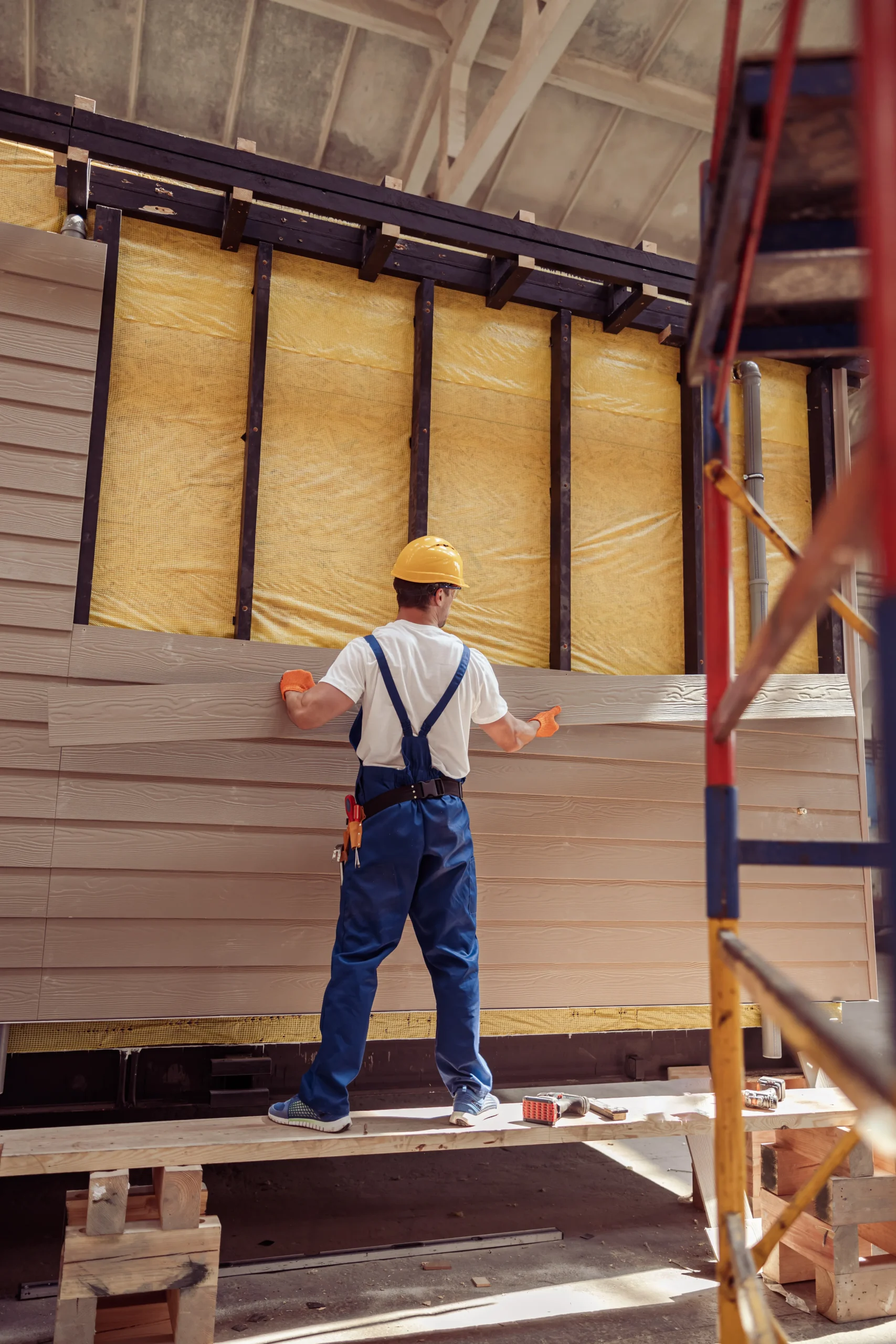
The cost to side a 2000 sq ft house typically ranges from $10,000 to $30,000, with a national average around $15,000. This wide range is due to material choice, labor rates, and regional factors. Vinyl siding is the most economical, often costing $4 to $8 per square foot installed, putting a 2000 sq ft project in the $8,000 to $16,000 range. Fiber cement, like James Hardie, runs $7 to $13 per square foot, totaling $14,000 to $26,000. Engineered wood or metal siding can fall in between. Key cost factors include the removal of old siding, repair of underlying sheathing, the complexity of the home's architecture (with many corners, gables, and trim increasing labor), and the quality of insulation or weather barriers used. Always obtain multiple detailed quotes from licensed, insured contractors that break down material and labor costs.
The cost to side a 1,000 sq ft house typically ranges from $5,000 to $15,000, with a national average around $10,000. This wide range is due to material choice and labor. Vinyl siding is the most economical, often costing $3 to $7 per square foot installed. Fiber cement, like James Hardie, is a popular mid-range option at $6 to $12 per sq ft, offering excellent durability. Engineered wood or natural wood siding can range from $8 to $15+ per sq ft. The final price is heavily influenced by your home's specific architecture, the condition of the existing walls, local labor rates, and the cost to remove old siding. Always obtain multiple detailed quotes from licensed contractors, as they should include all preparation, materials, trim, and disposal.
When selecting siding for your home, it is crucial to avoid materials known for poor durability or high maintenance. Vinyl siding from low-quality manufacturers can become brittle, fade, and crack over time, especially in extreme climates. Fiber cement siding is generally excellent, but improper installation can lead to moisture issues. Wood siding, while beautiful, requires consistent sealing and painting to prevent rot, insect damage, and warping, making it a high-maintenance choice. Aluminum siding is prone to denting and can show scratches easily. Always prioritize materials with strong warranties, proper installation by certified professionals, and suitability for your local weather conditions to ensure long-term performance and curb appeal.
The cost to install siding on a 1200 sq ft home typically ranges from $6,000 to $22,800, with a national average around $14,400. This wide range is due to material choice. Vinyl siding is the most economical, often costing $3 to $12 per sq ft installed. Fiber cement (like Hardie board) is a mid-range, popular option at $6 to $15 per sq ft. Engineered wood falls in a similar range, while natural wood or metal siding can be $8 to $20+ per sq ft. The final price heavily depends on labor costs in your area, the complexity of your home's architecture (with many corners, peaks, and trim increasing cost), the condition of the existing wall sheathing, and whether old siding needs removal. Always obtain multiple detailed quotes from licensed, insured contractors that include all material, labor, and disposal costs.
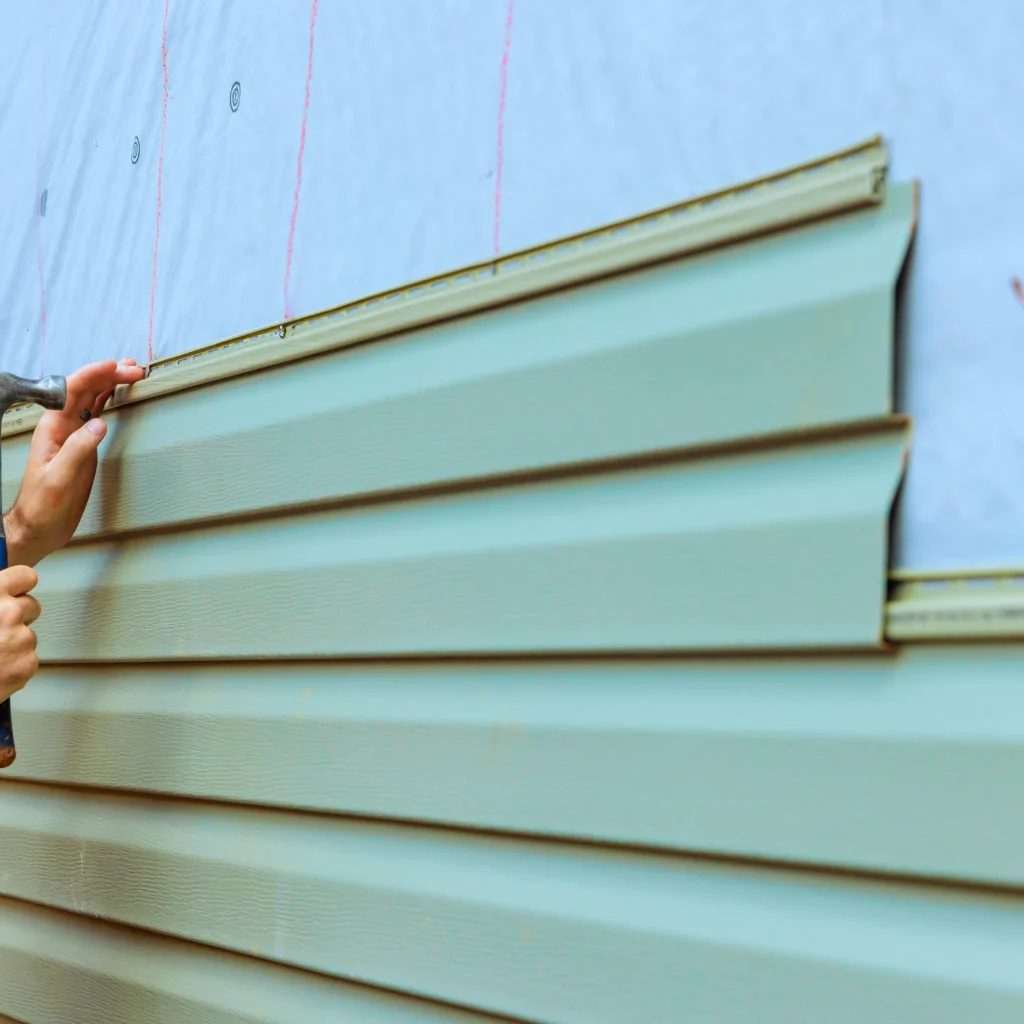
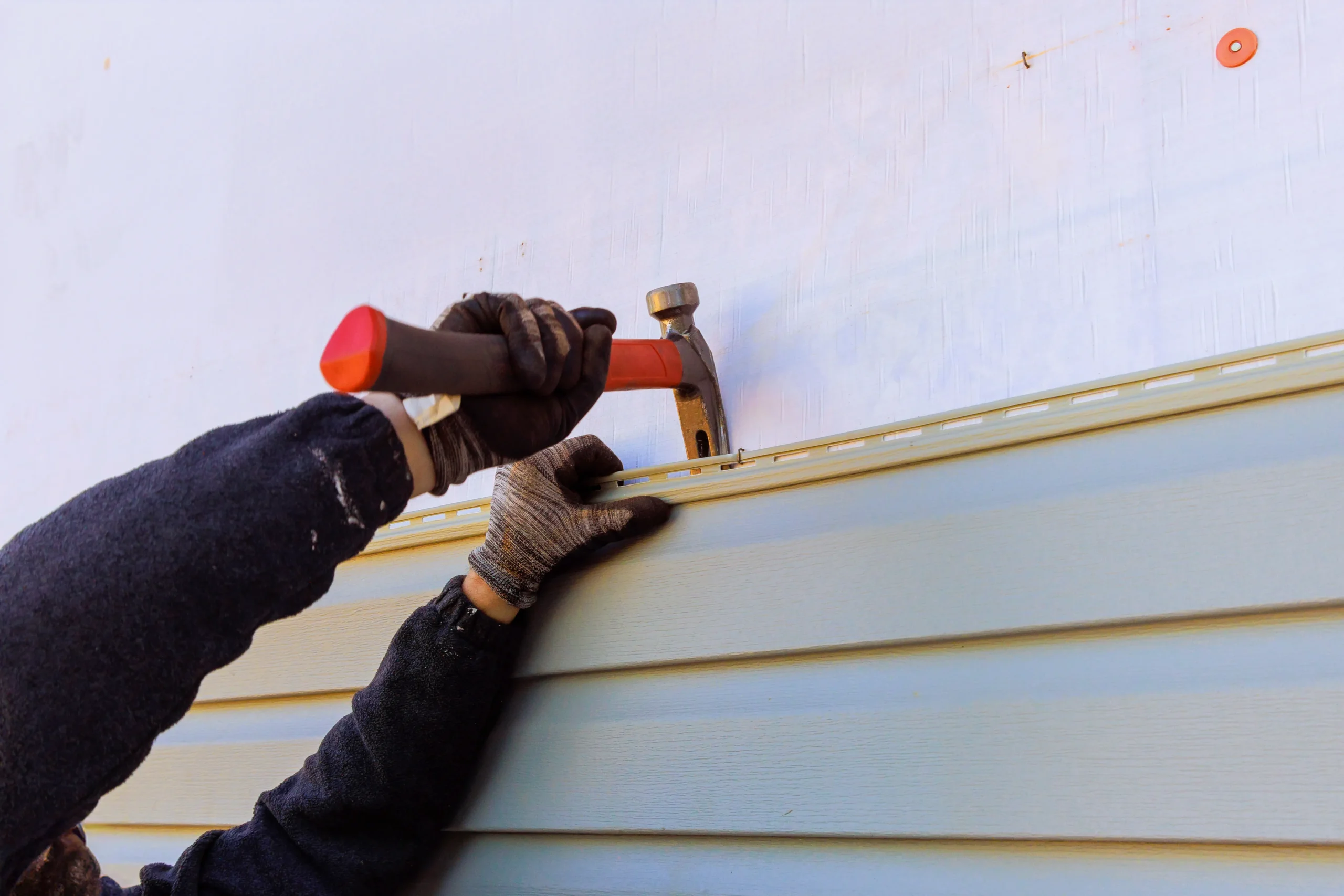
Vinyl siding services in Sunnyvale offer homeowners a durable and low-maintenance exterior solution that withstands the local climate. Professional installation is crucial for ensuring proper weatherproofing and longevity. A reputable service will begin with a thorough inspection of your home's sheathing, followed by expert installation of moisture barriers and the siding itself, ensuring correct alignment and secure fastening to prevent warping or buckling. Key considerations include selecting high-quality, UV-resistant vinyl to combat sun exposure, proper insulation integration for energy efficiency, and seamless integration with trim and architectural details. Always verify that the contractor is licensed, insured, and provides a strong warranty on both materials and labor.
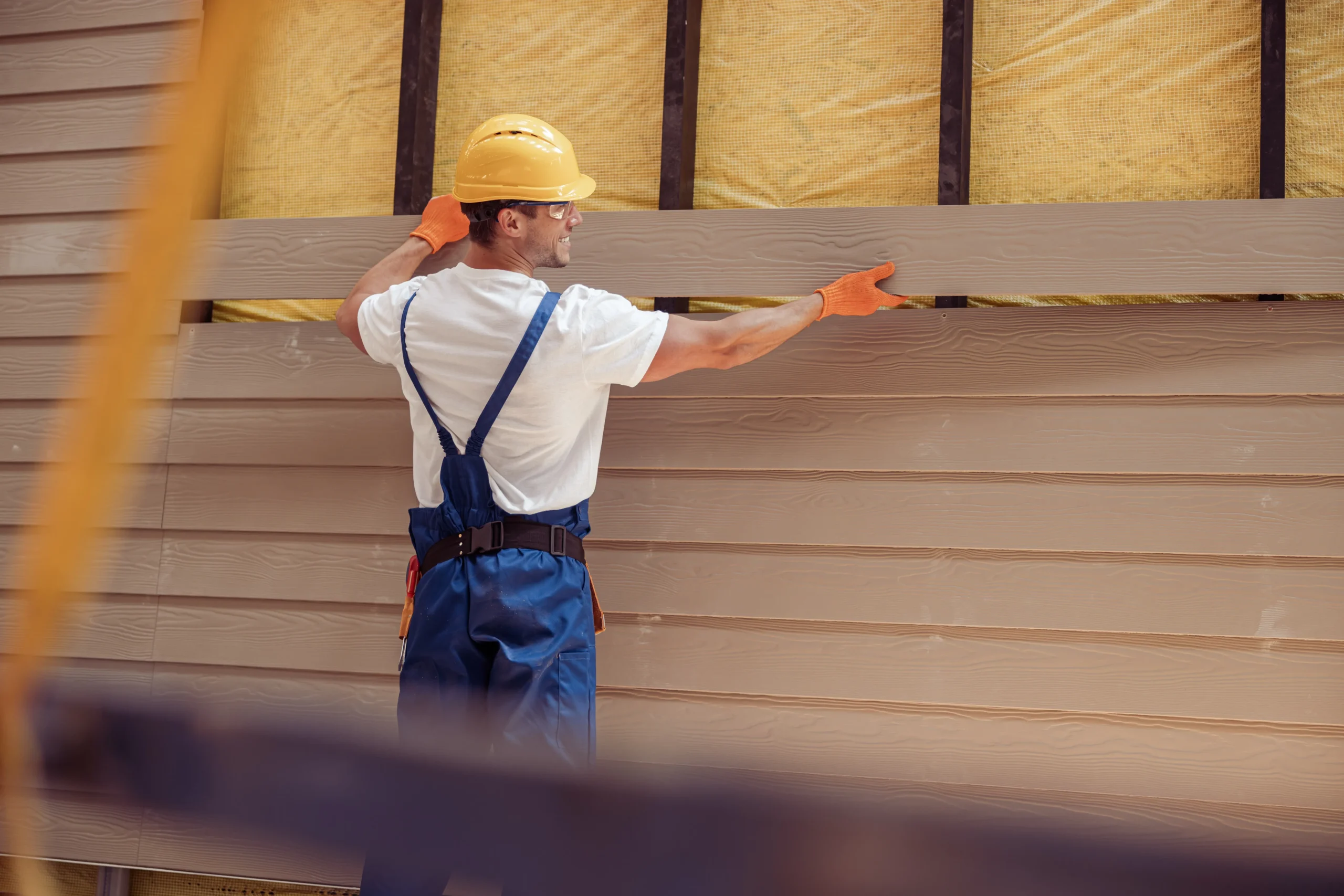
Residential siding services in Sunnyvale involve installing, repairing, or replacing the exterior cladding of a home to enhance its protection, energy efficiency, and curb appeal. Key materials include fiber cement, vinyl, wood, and engineered wood, each offering distinct benefits for durability and maintenance in the local climate. A professional contractor will assess your home's structure, provide material recommendations, and ensure proper installation to prevent moisture intrusion and improve insulation. It is crucial to choose a licensed and insured service provider familiar with Sunnyvale's building codes. Proper siding installation not only safeguards your home from weather elements but also significantly increases its market value and aesthetic charm.
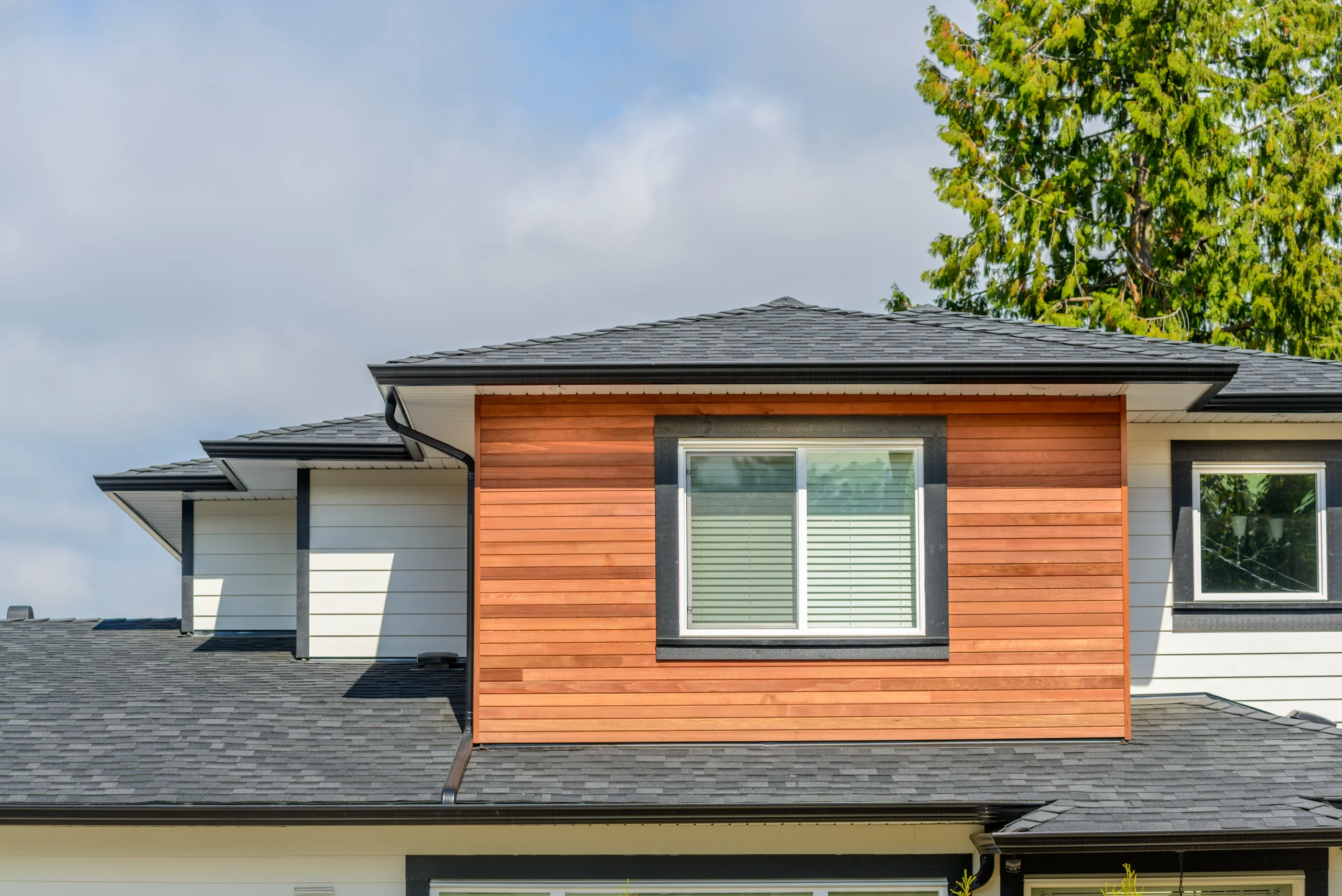
Wood siding services in Sunnyvale involve installing, repairing, or maintaining wood cladding on residential exteriors. Professional contractors assess your home's needs, considering the local climate, which features ample sun and mild temperatures. They typically offer services like installing cedar or redwood siding, which are durable and aesthetically pleasing, along with essential staining, sealing, and painting to protect against UV damage and moisture. Regular maintenance, including inspections for warping or insect damage, is crucial for longevity. It's important to hire licensed, insured professionals familiar with Sunnyvale's building codes to ensure quality work that enhances curb appeal and provides lasting protection for your home.
Mobile siding services in Sunnyvale offer the convenience of on-site fabrication and installation for your home's exterior cladding. These specialized contractors bring their equipment and materials directly to your property, allowing for precise custom fitting and often faster project completion compared to traditional methods. A reputable service will provide a thorough consultation to discuss material options—such as vinyl, fiber cement, or engineered wood—considering Sunnyvale's climate for optimal durability and energy efficiency. Ensure any contractor is properly licensed, insured, and provides detailed written estimates. The key advantage is minimized disruption, as much of the work is completed off-site on the mobile unit, leading to a cleaner jobsite and a high-quality, seamless finish that enhances curb appeal and protection.