8_b

Home Remodeling ROI: Which Upgrades Pay Off Most In San Jose?

Title: Home Remodeling ROI: Where Your Renovation Dollars Actually Work in San Jose

Alright, let’s have a real talk about home remodeling. We’ve all been there, staring at our kitchen cabinets from the 1980s and wondering if a sledgehammer is the best solution. Or maybe you’re dreaming of a spa-like bathroom but your wallet is giving you the side-eye. The big question we all face in Silicon Valley is this: when you pour money into your house, what pours back into your pocket?

Here at D&D Home Remodeling, we have these conversations daily with homeowners in San Jose, Campbell, and Saratoga. It’s not just about making your home more beautiful; it’s about making smart financial moves. So, grab a coffee, and let’s break down which upgrades pay off the most in our competitive market.

The Silicon Valley Mindset: Investment vs. Expense

Before we get into the nitty-gritty, let’s set the stage. We live in a unique real estate ecosystem. What works in other parts of the country might not fly here in Santa Clara County. Our market is hyper-aware of value, quality, and modern functionality. A poorly executed remodel isn’t just an eyesore; it’s a financial misstep.

That’s why choosing the right general contractor matters. You don’t just need someone to swing a hammer; you need a strategic partner. A good renovation contractor in the South Bay understands the local comps and what buyers are actually looking for. IMO, that’s the foundation of a great ROI.

The All-Stars: Remodeling Projects with the Best Payback

These are the projects that consistently make both homeowners and their bank accounts happy. They’re the safe bets in the sometimes-uncertain world of general remodeling.

The Kitchen: The Undisputed Champion of ROI

Want to know a secret? The kitchen is still the heart of the home. It’s where we cook, congregate, and, let’s be honest, where we scroll through our phones. A kitchen refresh offers one of the highest returns on investment you can find.

But hold on—this doesn’t mean you need to take out a second mortgage for a full home remodel just to get a new kitchen. Smart, strategic updates often yield a better return than a complete gut job.

  • Cabinet Facelifts are Your Best Friend
    Are your cabinets structurally sound but just ugly? Don’t abortable the whole project thinking you need to start from scratch. Refacing or even just replacing the doors and hardware can transform the space for a fraction of the cost. We’ve seen dated oak cabinets become sleek, modern masterpieces without the shocking price of all-new custom boxes.

  • Countertops and Appliances: The “Wow” Factor
    Upgrading to quartz countertops and energy-efficient stainless steel appliances is a no-brainer. They’re the features buyers notice immediately. Think about it: Ever walked into an open house and not checked out the counters and stove? Exactly.

A well-executed kitchen remodel by a reputable team offering home remodeling services can often recoup a significant portion of its value. It’s the upgrade that keeps on giving.

The Bathroom: Your Personal Spa (That Also Sells)

Coming in a close second is the bathroom. A tired, pink-tiled bathroom from the ‘60s can be a major red flag for potential buyers. But a clean, modern, and functional bathroom? That’s pure gold.

Working with a specialized bathroom remodeler pays dividends here. They know how to maximize a small space and select materials that are both beautiful and durable. We often advise clients in Milpitas and Sunnyvale to focus on the master bath first.

Key moves that boost value:

  • Curbless Walk-in Showers: They look luxurious and are practical for aging in place.
  • Double Vanities: Because nobody wants to fight over sink space in the morning.
  • Water-Efficient Fixtures: They save money on utilities and appeal to the eco-conscious Silicon Valley buyer.

FYI, adding a second bathroom if you only have one is arguably the single best investment you can make. The ROI is often through the roof.

The Surprising Contenders (And The Projects That Flop)

Not every dream project is a financial winner. Let’s get real about where your money might not work as hard for you.

Boosting Curb Appeal: First Impressions are Everything

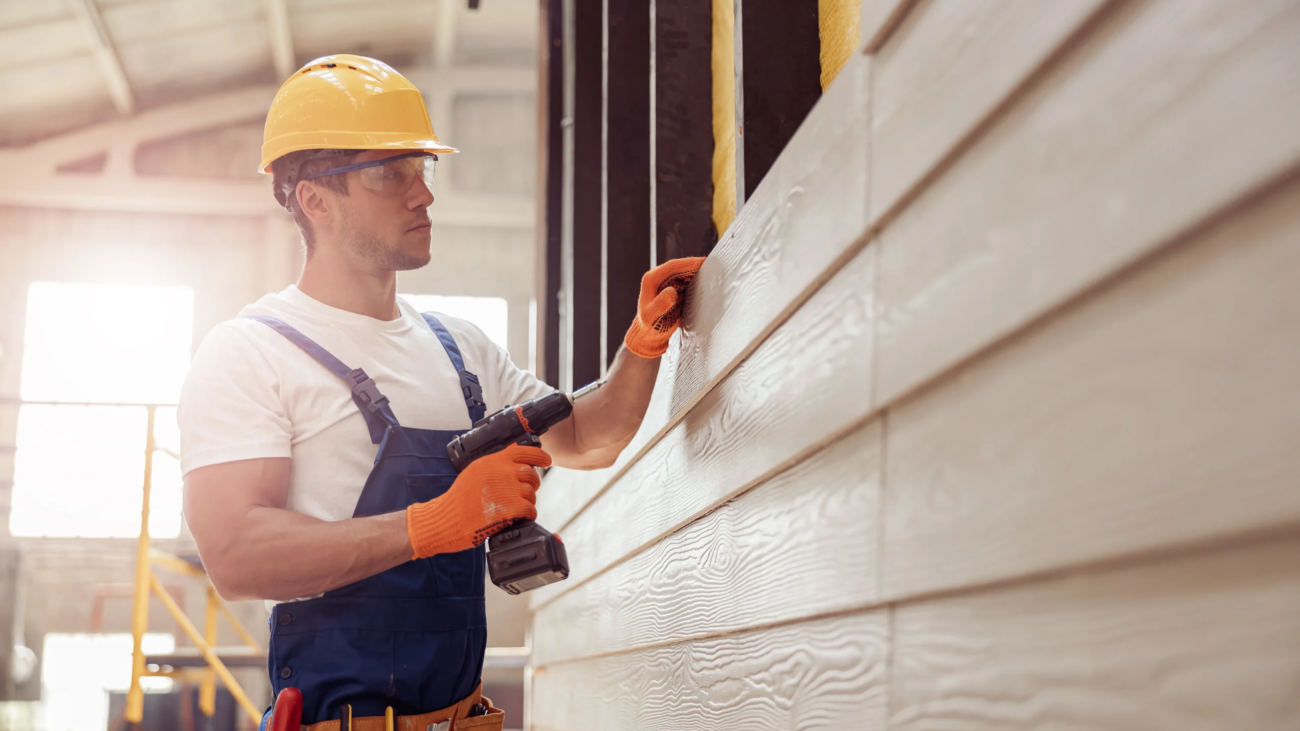
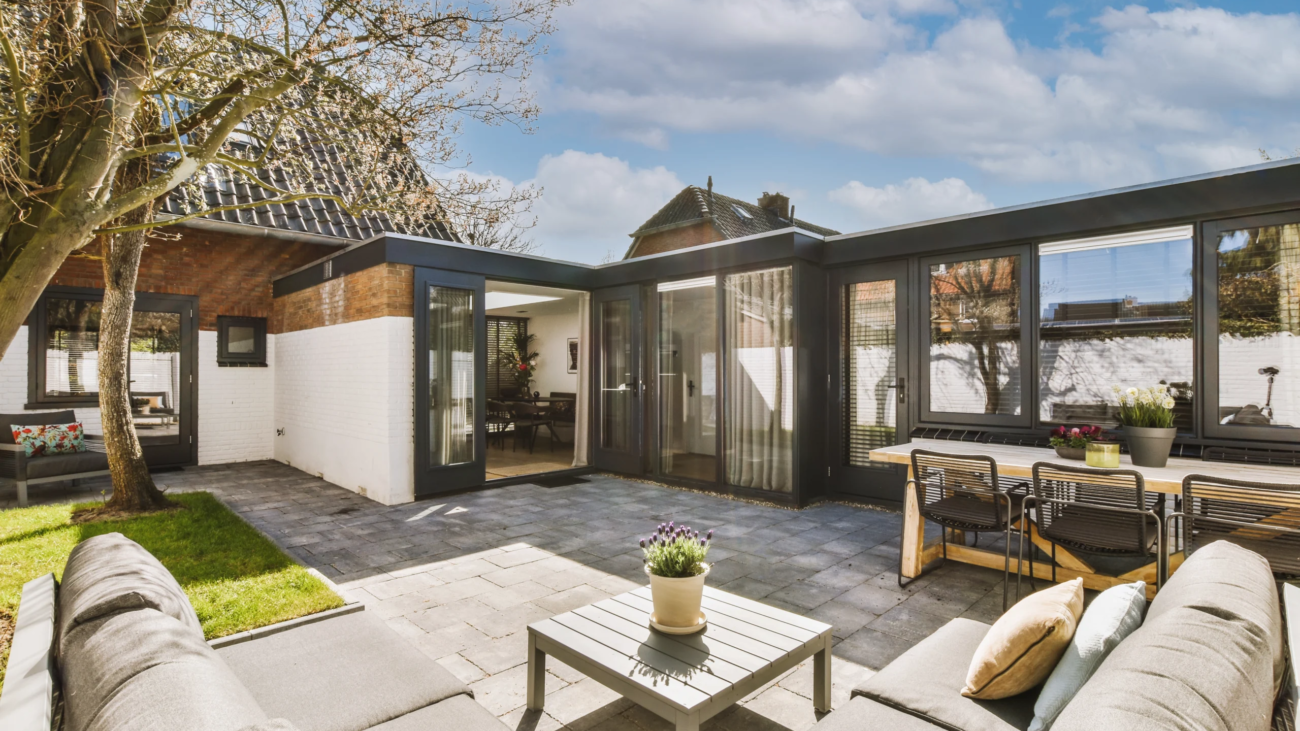
Exterior remodeling might not be as sexy as a new kitchen, but boy, does it pay off. This is all about that critical first impression. A fresh coat of paint, modern siding, or a new garage door can dramatically change how your home is perceived. And the best part? The cost is often lower than big interior projects, but the impact is massive.

The “Why Bother?” Zone: Projects with Lower ROI

We have to be honest with you—it’s what sets a great house remodeling contractor apart. Some projects are more about personal enjoyment than financial gain.

  • Swimming Pools: In our temperate Silicon Valley climate, a pool can be a luxury that some buyers see as a liability and a maintenance nightmare. The ROI is often low.
  • High-End Customizations: That $20,000 wine cellar or dedicated movie-screening room? It might be your dream, but it won’t appeal to the masses. You’re unlikely to get that money back.
  • Over-improving for the Neighborhood: If every other home in your Cupertino neighborhood has a mid-range kitchen, installing a super high-end, six-figure version might not pay off. Context is key.

The ROI Breakdown: A Handy Table for San Jose Homeowners

Let’s put some hypothetical numbers to it. Remember, these are estimates based on local market trends and can vary based on the quality of work and your specific location in Silicon Valley.

Project Type Average Cost in San Jose Estimated Resale Value Added Potential ROI Why It Works Here
Minor Kitchen Remodel $25,000 – $40,000 $20,000 – $35,000 80% – 95% Modernizes the most important room without over-investing.
Bathroom Remodel $18,000 – $30,000 $15,000 – $27,000 85% – 95% High impact for a relatively moderate cost; essential for older homes.
New Garage Door $4,000 – $6,000 $3,500 – $5,500 95%+ Instant curb appeal boost with a surprisingly high return.
Fiber-Cement Siding $15,000 – $25,000 $12,000 – $20,000 75% – 85% Protects the home and drastically improves exterior look.
Master Suite Addition $100,000 – $150,000+ $75,000 – $110,000 60% – 75% Adds significant livable space, but cost is high.
Swimming Pool $50,000 – $100,000+ $25,000 – $40,000 40% – 50% Seen as a personal luxury, not a value-add, by many buyers.

So, How Do We Make Sure Your Project Isn’t “Abortable”?

We’ve all heard the horror stories. A project starts, then grinds to a halt due to bad planning, shoddy work, or budget overruns. This is where hiring the best remodeling company for your needs is non-negotiable.

At D&D Home Remodeling, we prevent “abortable” projects by:

  • Providing Clear, Detailed Estimates: No mystery price tags. We break down the cost so you know exactly what you’re paying for.
  • Strategic Planning: We help you prioritize. Maybe you don’t need that full home remodel right now. Perhaps starting with the kitchen and a bathroom makes more sense.
  • Local Expertise: We know what flies in Los Gatos versus what works in Fremont. This local knowledge is priceless when planning home additions or exterior updates.

You wouldn’t just search for a “bathroom remodeler near me” and pick the first name, right? You’d want a team with a proven track record and a portfolio of happy clients from Morgan Hill to Milpitas.

Your Burning Remodeling ROI Questions, Answered

Q1: Is it better to do one big project or several smaller ones?
A: From a financial and sanity perspective, we often recommend phasing. Tackle the kitchen one year, a bathroom the next. This spreads out the cost and disruption. It also allows you to reassess your needs and the market over time.

Q2: How much should I spend on a remodel?
A: A good rule of thumb is to not invest more than 10-15% of your home’s current value into a single room. For a major project like home additions, a conversation with a trusted general contractor and a local real estate agent is crucial to avoid over-improving.

Q3: Will a remodel actually help me sell my house faster?
A: Absolutely. A move-in ready home is far more attractive to the majority of buyers. A modern kitchen and updated bathrooms can be the difference between a bidding war and your house sitting on the market. It’s about eliminating reasons for buyers to say “no.”

Q4: How long does a typical kitchen or bathroom remodel take?
A: With a professional team, a minor kitchen remodel might take 3-5 weeks. A primary bathroom remodel is often 2-4 weeks. Home additions or a full home remodel are, of course, a much longer commitment. The key is having a realistic timeline from the start from your renovation contractor.

Let’s Build Your Home’s Value Together

At the end of the day, your home is your biggest investment. Making smart, informed decisions about home remodeling services ensures it stays that way. It’s not about following every trend; it’s about enhancing your life now while building equity for the future.

We built D&D Home Remodeling to be the kind of general contractor we’d want to hire ourselves—honest, skilled, and invested in our clients’ success across San Jose and the entire South Bay.

So, what’s your remodeling dream? Let’s map out a plan that makes your heart and your financial advisor happy. Give us a call at D&D Home Remodeling, and let’s get started.

Bathroom remodel

Exterior Home Remodel: Drought-Tolerant Landscaping Integration

Title: Your Thirsty Lawn Called. It Wants an Intervention.

Let’s be real. Staring at a sad, sun-scorched patch of grass that guzzles water and your hard-earned cash isn’t exactly a rewarding part of homeownership here in the Bay Area. We get it. You want a beautiful exterior, but you also don’t want your landscaping to feel like a part-time job or a moral dilemma every time a drought warning pops up.

What if we told you that you could have a stunning, vibrant, and yes, even lush-looking yard that actually thrives on our local climate’s quirks? This isn’t about just ripping everything out and covering it in gravel. We’re talking about a full-scale exterior remodeling philosophy that blends beauty with serious brainpower. It’s about creating an outdoor space that works with nature, not against it.

At D&D Home Remodeling, this is the kind of project that gets us genuinely excited. We love transforming a water-hogging yard into a resilient, gorgeous extension of your home. So, let’s chat about how to make it happen.

Rethinking “Green”: It’s More Than Just Cacti

The first hurdle is ditching the outdated idea that drought-tolerant means a barren, desert-like landscape. IMO, that’s a major misconception. The modern approach is about creating a living tapestry of texture, color, and fragrance.

Think about it. Why fight nature when we can celebrate what already grows well here?

A thoughtful design incorporates layers:

  • Structural plants like ornamental grasses that provide movement and height.
  • Flowering perennials that offer bursts of color throughout the year.
  • Groundcovers that knit the soil together, suppressing weeds.
  • Native shrubs that provide habitat for local pollinators like bees and butterflies.

The goal is a dynamic, ever-changing landscape that feels alive and intentional. And the best part? Once established, these plants demand significantly less water and maintenance. It’s a win-win.

The Blueprint: Where Exterior Remodeling Meets the Earth

This isn’t just a gardening project. Integrating drought-tolerant landscaping often goes hand-in-hand with a broader exterior remodeling vision. You can’t just plop new plants into an old, inefficient system. A true transformation requires a plan.

Start with a Vision
What do you want your yard to be? An entertainment hub with a new patio? A serene, private retreat? A kid- and dog-friendly zone? Your landscaping choices will flow from this core vision. This is where working with a seasoned general contractor pays off. We help you see the big picture, ensuring the hardscape (the non-living parts) and softscape (the plants) work in perfect harmony.

The Soil is the Soul
We can’t skip this part. California soil can be tough—literally. It’s often heavy clay that repels water or compacted earth that suffocates roots. Amending the soil is the unglamorous but absolutely critical first step to giving your new plants a fighting chance. Skimp here, and you’re setting your investment up for failure. It’s the foundation of the whole operation.

Hardscaping: The Bones of Your Design
This is where the magic of a general remodeling approach truly shines. Hardscaping defines your space and drastically reduces the area that needs irrigation. Think beyond the basic concrete slab.

  • A permeable patio made of pavers allows rainwater to seep back into the aquifer instead of racing into the storm drain.
  • A dry creek bed of river rock isn’t just beautiful; it’s a functional way to manage rainwater runoff.
  • Retaining walls can create level planting areas, preventing water from just washing away down a slope.

When we handle a project like this at D&D Home Remodeling, we look at the entire property. Maybe that exterior remodeling project includes home additions or a new outdoor kitchen. By planning the landscaping integration from the start, we create a cohesive and stunning final product.

Planting for the Future (Without the Constant Watering)

Alright, let’s get to the fun part: the plants. Choosing the right plants for our specific microclimates in San Jose, Campbell, and Cupertino is key. You need plants that can handle the summer heat but also don’t mind a cooler, wet winter.

Here’s a quick look at some of our go-to categories:

Plant Category Why We Love It A Few Local Favorites
California Natives They’re adapted to our exact climate and are superheroes for local wildlife. Manzanita (for structure), California Fuchsia (for late-summer color), Ceanothus (for breathtaking blue flowers).
Mediterranean Marvels These plants from similar climates worldwide are drought-champs with serious style. Lavender (for fragrance and pollinators), Rosemary (culinary and tough), Olive Trees (for that timeless, silvery look).
Ornamental Grasses They add movement, sound, and a modern, soft texture to the garden. Deer Grass (a native clump-former), Mexican Feather Grass (elegant and flowing).
Succulents & Alcoves Architectural interest in spades. They’re like living sculptures for your garden. Agaves (bold statement pieces), various Sedums (great groundcovers).

See? Not a single tumbleweed in sight. The variety is incredible.

The Smart Stuff: Irrigation That Doesn’t Waste Your Money

What’s the point of planting smart if you’re watering with a dumb system? An old, leaky sprinkler system is like trying to fill a modern EV with a gas can—it’s inefficient, messy, and a huge waste.

Upgrading to a drip irrigation system with a smart controller is a non-negotiable part of the process. This isn’t just a suggestion; it’s what makes the whole system work.

  • Drip Irrigation: This system delivers water slowly and directly to the root zone of each plant. There’s zero runoff, minimal evaporation, and no water wasted on pathways or weeds. It’s the most efficient method, period.
  • Smart Controllers: These genius devices are like a thermostat for your yard. They automatically adjust watering schedules based on local weather data. Rain in the forecast? The system shuts off. A heatwave? It might water a bit more. FYI, many local water districts offer rebates for installing these, which helps with the overall project cost.

Your Landscaping Questions, Answered

We hear a lot of the same great questions from homeowners in Santa Clara and Sunnyvale. Let’s tackle a few.

1. Is drought-tolerant landscaping really more expensive upfront?
It can be. The price is often higher initially due to soil amendment, new irrigation systems, and sometimes more expensive plants. However, you have to view it as a long-term investment. The water savings alone will pay you back month after month, year after year. Plus, you’re saving on maintenance cost—less mowing, less fertilizing, less fuss.

2. Will it increase my property value?
Absolutely. A well-designed, low-maintenance, and beautiful exterior is a huge selling point in Silicon Valley. It signals to potential buyers that the home is modern, efficient, and thoughtfully cared for. It’s curb appeal that keeps on giving.

3. What if I change my mind? Is this design “abortable”?
We love this question because it gets to the heart of flexible design. While you can’t “un-plant” a tree, a good design is absolutely modular. You can always add new plants, rearrange certain elements, or even expand patios and walkways later. A great house remodeling contractor plans with future flexibility in mind, making the design adaptable, or as you put it, abortable, if your needs evolve.

4. Can you help with the design and the construction?
This is our sweet spot. As a general contractor offering home remodeling services, we don’t just build from a plan someone else drew. We collaborate with you and talented designers to create a comprehensive vision and then we execute it. This means you have a single point of contact from the first sketch to the final plant being in the ground. No finger-pointing, no confusion. It’s one of the reasons we strive to be considered the best remodeling company for seamless projects.

Beyond the Backyard: A Cohesive Home Vision

When you embark on a full home remodel, it’s the perfect time to address the exterior. It ensures your home’s style flows from the inside out. Maybe you’re also working with a bathroom remodeler to update your ensuite. Imagine that new, serene interior aesthetic continuing right into a peaceful, drought-tolerant garden you can see from your window.

This holistic approach is what defines quality general remodeling. It’s all connected. Whether you’re in Los Gatos, Milpitas, or Morgan Hill, your home is an ecosystem.

Let’s Build a Yard That’s Actually on Your Side

So, there you have it. Drought-tolerant landscaping isn’t a sacrifice; it’s an upgrade. It’s a smarter, more beautiful, and more responsible way to live in our beautiful part of California. You get a stunning outdoor living space, lower bills, and more time to actually enjoy it instead of working on it.

If you’re tired of searching for “exterior remodeling near me” and want to work with a renovation contractor who gets genuinely excited about this stuff, give us a call at D&D Home Remodeling. Let’s have a coffee, look at your space, and start dreaming up a yard that doesn’t just look good, but does good, too.

Better_Business_Bureau

Bathroom Remodeling Ventilation Solutions For Mold Prevention

Title: Don’t Let Your Bathroom Become a Science Experiment: A Mold Prevention Chat

Alright, let’s talk about something we’ve all faced. You finish a hot, steamy shower, wipe the fog off the mirror, and get on with your day. It seems harmless, right? But behind those pretty tiles and that new grout, a silent, fuzzy war is brewing. We’re talking about mold, and if we ignore it, our beautiful bathroom remodels become a petri dish.

Here at D&D Home Remodeling in San Jose, we see it all the time. A homeowner invests in stunning new fixtures but skimps on the ventilation. A few months later, they’re calling us back, not for a fun new project, but for damage control. So, let’s have a real conversation about how to design a bathroom that breathes, preventing mold before it ever gets a chance to move in. Think of this as your friendly guide from a local bathroom remodeler who’s been in the trenches.

Why Are We Even Talking About Ventilation?

Seriously, why is this such a big deal? It’s not just about a clear mirror. It’s about protecting your investment and your health.

Mold needs three things to throw a party: a food source (like organic dust or, sadly, your drywall), the right temperature, and moisture. We can’t do much about the first two in a bathroom, but we can absolutely control the moisture. Without proper ventilation, that shower steam has nowhere to go. It seeps into your walls, your ceiling, and under your flooring.

Suddenly, that paint is peeling, your wood trim is warping, and you’ve got a lovely black speckled pattern growing in the corners. Not exactly the aesthetic we’re going for. Proper ventilation actively removes that moisture-laden air, shutting down the mold party before the first guest arrives. It’s the single most important, and often most overlooked, aspect of a healthy bathroom.

Your MVP: The Exhaust Fan (It’s Not Just a “Fart Fan”)

Let’s give this humble hero the respect it deserves. IMO, calling it just a “fart fan” does it a major disservice. This is your primary moisture extraction machine.

But not all fans are created equal. Picking one based solely on the lowest cost is a classic mistake. You need to think about power, noise, and features. A weak, loud fan is basically just a noisy decoration; you’ll never turn it on, making its entire existence abortable.

So, what should you look for? Here’s a quick breakdown:

  • CFM (Cubic Feet per Minute): This is the power rating. For a standard bathroom, you need at least 1 CFM per square foot. So, a 100 sq. ft. bathroom needs a 100 CFM fan. For larger bathrooms or those with extra high ceilings, you’ll need more.
  • Sones: This is the noise rating. The lower the sone, the quieter the fan. We’re fans of models under 1.0 sone—so quiet you can barely tell they’re on.
  • Features: Modern fans are brilliant. We love models with built-in humidity sensors that turn on automatically when things get steamy and shut off when the air is dry. It’s a set-it-and-forget-it solution.

Pro Tip from Your Local General Contractor: The fan’s job isn’t just to move air around the bathroom; it’s to move it out of your house. Always, and we mean always, vent the fan through the roof or a side wall to the exterior. Venting it into an attic or crawlspace is just asking for a whole new set of structural problems. It’s a common error we fix during exterior remodeling and home additions projects.

Choosing the Right Fan for Your Battle Against Moisture

Let’s make this even easier. Here’s a handy table to compare the main options you’ll encounter. This is the kind of detail we walk through with every client in Santa Clara, Campbell, and Milpitas.

Feature The Basic Builder’s Grade The Smart & Silent Upgrade The All-in-One Powerhouse
Best For Tight budgets, secondary bathrooms Primary bathrooms, peace and quiet Luxury remodels, maximizing functionality
CFM Range 50-80 CFM 80-110 CFM 110+ CFM
Noise Level (Sones) 3.0+ (You’ll know it’s on) 0.5 – 1.5 (A gentle hum) 0.3 – 1.0 (Whisper quiet)
Key Features On/off switch. That’s it. Low sone rating, energy-efficient motor Humidity sensor, heater, LED light
Our Take It’s… fine. But you’ll likely hate the noise and end up not using it. Our go-to recommendation. The perfect balance of performance and quiet operation. The ultimate solution. It solves multiple problems at once, saving space and adding comfort.
The Real Cost Lower upfront price, higher long-term risk if unused. Moderate investment for guaranteed performance. Higher initial cost, but immense value in features and effectiveness.

As you can see, the “best” fan isn’t about the highest price tag; it’s about the right tool for your specific bathroom and habits. A great bathroom remodeler will help you navigate this choice, not just upsell you to the most expensive model.

Installation: Where the Magic (or Mayhem) Happens

You can buy the best fan on the market, but if it’s installed poorly, it’s a very expensive paperweight. Proper installation is non-negotiable.

First, location is key. Where do we put the thing? The absolute best place is directly over the shower or tub area. This is the epicenter of steam production, so you want to capture the moisture right at the source. The next best spot is in the center of the bathroom ceiling.

And let’s talk about the ductwork. We insist on using rigid metal ducting, not the flimsy, accordion-style plastic stuff. Why? Rigid ducting has a smooth interior that allows air to flow freely and efficiently. The flexible stuff creates resistance with its ridges, trapping lint and reducing airflow dramatically. It’s like trying to breathe through a pinched straw.

This is where hiring an experienced general contractor really pays off. We know how to route the ducting properly, ensure there’s a back-draft damper to prevent outside air from coming in, and seal every connection so that all that moist air is guaranteed to leave the building. It’s one of those behind-the-scenes details that separates a professional job from a DIY disaster.

Beyond the Fan: Your Support Squad for a Dry Bathroom

Your exhaust fan is the star player, but it needs a good supporting cast. Ever wondered what else can help?

Let There Be (A Little) Light
If you have a window, use it! Cracking a window during and after a shower provides fantastic supplemental ventilation. It’s free and effective. Just be mindful of privacy and security.

Squeegee: The Unlikely Hero
Making a quick squeegee of your shower walls part of your routine does wonders. It removes a huge amount of surface water before it can evaporate and add to the room’s humidity. It takes 30 seconds and is wildly effective.

The Dehumidifier Option
For bathrooms with zero ventilation—like some older homes or interior powder rooms—a small, good-looking dehumidifier can be a temporary band-aid. But FYI, it’s not a long-term substitute for a properly vented fan.

Design Choices Matter
During the planning phase of your general remodeling project, think about materials. Moisture-resistant drywall (green board or purple board) behind your tiles is a must. Using mold-resistant paint on the ceiling and non-tiled walls adds an extra layer of defense. For a full home remodel, we integrate these considerations into every bathroom, from Saratoga to Sunnyvale.

Your Bathroom Ventilation Questions, Answered

We get a lot of the same questions from folks in Los Gatos, Cupertino, and all over Silicon Valley. Here are the big ones.

1. How long should I run the bathroom fan after a shower?
A good rule of thumb is to let it run for at least 20 minutes after you’re done. If you have a humidity-sensing model, it will figure this out for you. The goal is to run it until the room feels and smells completely dry.

2. My fan is on, but it doesn’t seem to be powerful. What’s wrong?
Nine times out of ten, this is an installation issue. The most common culprits are a clogged exterior vent cap (go outside and check if the flapper opens when the fan is on), ductwork that is too long or has too many bends, or the use of that restrictive flex duct we talked about. Sometimes, the motor is just worn out.

3. Can I install a bathroom fan myself?
We’ll be honest: this is a job that involves electrical work, precise cutting in your ceiling, and potentially navigating your attic and roof. If you’re highly experienced, maybe. But for most people, the risk of causing a leak, an electrical fault, or an ineffective installation is high. This is a prime example of when calling a professional renovation contractor is worth the investment.

4. What’s the average cost to install or replace a bathroom fan?
The price can vary wildly based on the fan unit you select and the complexity of the installation. Is there easy attic access? Does new ductwork need to be run to the roof? A straightforward replacement might be a few hundred dollars, while a new installation in a finished ceiling with complex duct routing will be more. The team at D&D Home Remodeling provides clear, upfront quotes so you know exactly what you’re investing in.

Breathe Easy in Your Beautiful, Mold-Free Bathroom

Look, we all want a bathroom that looks like it belongs in a magazine. But the true mark of a successful remodel isn’t just how it looks on day one; it’s how it holds up for years to come. Investing in a robust, properly installed ventilation system is the insurance policy for your beautiful new tiles, your custom vanity, and your family’s health.

It’s the difference between a space that slowly self-destructs and one that remains fresh, clean, and healthy for the long haul. Don’t just search for a “bathroom remodeler near me” – look for a best remodeling company that prioritizes these critical, behind-the-walls details.

If you’re planning a bathroom update in San Jose, Santa Clara, or anywhere in the South Bay from Fremont to Morgan Hill, we’d love to help you design a space that’s as smart as it is beautiful. Give D&D Home Remodeling a call, and let’s make sure your next project is one you can enjoy for decades, not just until the mold shows up 🙂

Construction

Kitchen Remodeler Case Study: Expanding Without Adding Square Feet

The Square Footage Trap: How We Liberate Kitchens Without Stealing from the Yard

Let’s be real for a second. We’ve all been there, standing in the middle of our kitchen, doing that slow-motion pan while we mentally knock down walls into the dining room or dream of a massive addition out back. We want a kitchen that breathes, one that doesn’t feel like a game of human bumper cars when more than two people are trying to make a snack.

But then reality hits. The sheer cost and complexity of home additions can be enough to make you want to abort the whole mission before it even begins. Permits, construction crews in your yard for months, and a price tag that could fund a small spaceship? No, thank you.

What if we told you the kitchen of your dreams isn’t hiding in your backyard? It’s right there, in your existing footprint, just waiting to be discovered. This isn’t just a theory; it’s our specialty here at D&D Home Remodeling in San Jose. We’re experts at finding space you didn’t know you had.

Rethinking Your Blueprint: It’s Not About Size, It’s About Smarts

The first step in this journey is a mental one. We have to stop thinking about square footage and start thinking about volume, flow, and function. A well-designed small kitchen can feel infinitely more spacious and luxurious than a poorly planned large one. It’s about working smarter, not harder.

Think of us as spatial therapists. Our goal is to understand how you live in your kitchen. Are you a busy family of five where the microwave is the most used appliance? Or are you an aspiring gourmet chef who needs room for a pasta maker and a dedicated herb station? This initial chat is the most critical part of the entire general remodeling process.

So, how do we actually do it?

We get this question all the time from folks in Campbell to Sunnyvale. The magic isn’t in a wand; it’s in a strategic set of design principles and construction techniques that we’ve perfected over the years.

The Great Wall Debate: To Knock Down or Not to Knock Down?

This is often our first move. Many older homes in Silicon Valley were built with a, let’s say, enthusiastic number of small, boxed-in rooms. That wall between your kitchen and living room might be doing nothing but holding up your dreams.

  • Open Concept Conversion: Removing a non-load-bearing wall can instantly transform two claustrophobic rooms into one bright, airy, and social great room. Suddenly, the person cooking isn’t exiled from the conversation.
  • Peninsulas Over Islands: We love a good kitchen island, but sometimes a peninsula is the smarter play. It offers similar prep and seating benefits but with a smaller footprint, often tucking perfectly into an existing layout without demanding a massive central space.
  • Pass-Through Windows: If a wall is load-bearing and can’t be fully removed, creating a pass-through is a brilliant compromise. It maintains some separation but allows light and sightlines to flow, making both spaces feel larger.

Ever wondered why some kitchens just feel right? It’s often because the walls are in the right place—which sometimes means they’re not there at all.

The Vertical Frontier: Your Most Underutilized Asset

We spend so much time looking at the floor that we forget about an entire dimension: up. Going vertical is one of the most powerful, and frankly, abortable-fearing-client-approved, tricks in our book.

  • Take Your Cabinets to the Ceiling: Those few inches of dust-gathering space above your standard cabinets are a waste. Floor-to-ceiling cabinetry provides massive amounts of additional storage for lesser-used items. Plus, it draws the eye upward, creating a sense of height and grandeur.
  • Open Shelving: IMO, a strategic mix of closed cabinets and open shelving can make a kitchen feel less heavy and more expansive. It breaks up the visual monotony of solid cabinet fronts. Just use it for your prettier dishware—nobody needs to see your mismatched Tupperware collection.
  • Strategic Wall Hooks and Rails: Pots, pans, spatulas, and mugs can all take up valuable drawer and cabinet space. Mounting a sturdy rail system gets them off the counters and into easy reach, turning wall space into functional storage art.

The Illusion of Space: A Little Design Sleight of Hand

Sometimes, creating space is about perception. As a top-tier renovation contractor, we have a few visual tricks that make a world of difference. It’s like wearing vertical stripes; it just makes things look longer.

  • Consistent Flooring: If you’re opening up to an adjacent room, continue the same flooring throughout. This creates a seamless visual flow that makes the entire area feel like one large, continuous space.
  • Light Color Palettes: This is Remodeling 101, but it works. Light colors reflect light, making a room feel brighter and more open. We’re not saying you have to live in a white box, but leaning into lighter tones for cabinets and walls is a game-changer.
  • Strategic Lighting: A single, sad ceiling light casts shadows and makes a room feel like a cave. We layer lighting: recessed lights for overall ambience, under-cabinet task lighting for countertops, and a statement pendant or two for style. A well-lit room is a happy, spacious-feeling room.

Appliance Acrobatics: Finding the Right Fit

Let’s talk about the elephants in the room: your refrigerator, range, and dishwasher. Older appliances are often deeper and bulkier, jutting out and breaking up clean lines. Modern technology is our best friend here.

  • Counter-Depth Refrigerators: These are a revelation. They slide in flush with your countertops, eliminating that bulky protrusion that eats up visual and physical space.
  • Downdraft Ventilation: Dreaming of a central island with a cooktop but have no overhead ducting? Downdraft systems solve this by sucking smoke and smells down and out through the base. No bulky hood required.
  • Integrated Appliances: Want a nearly seamless look? We can integrate dishwashers and refrigerators behind cabinet panels that match the rest of your kitchen. It creates a clean, uniform appearance that feels incredibly spacious.

Here’s a quick comparison we often walk our clients in Cupertino and Saratoga through:

Feature The “Space Hog” Traditional Choice The “Space Saver” Smart Choice Why It Wins
Refrigerator Standard Depth (Sticks out 6-8″ past counters) Counter-Depth (Sits flush with counters) Creates a streamlined, built-in look and improves traffic flow.
Ventilation Large Overhead Hood Downdraft or Low-Profile Hood Eliminates visual clutter, perfect for open-plan kitchens and islands.
Cabinetry Standard Height with Gap on Top Floor-to-Ceiling Cabinetry Maximizes storage capacity and draws the eye upward for height.
Layout Closed-Off Galley Open-Plan with Peninsula Improves social flow and connection to other rooms, feels far more expansive.

The D&D Difference: Why We’re the Best Partner for This Project

Okay, we’ve thrown a lot of ideas at you. But executing them requires a specific skillset. This isn’t just about swinging a hammer; it’s about precision planning, creative problem-solving, and a deep understanding of how a home functions. This is where finding the best remodeling company for the job is non-negotiable.

As a general contractor with a focus on intelligent house remodeling, we see the whole picture. We manage the entire process, from the initial sketches to the final coat of paint, ensuring that every decision—from the cost of materials to the placement of an outlet—serves the ultimate goal: giving you a kitchen you love, without the nightmare of an addition.

We’re not just a bathroom remodeler or a kitchen specialist; our expertise in general remodeling means we understand how every part of your San Jose home works together. Whether you’re in Los Gatos, Milpitas, or Morgan Hill, our process is the same: we listen, we design, and we build with a level of craft that makes the entire journey, dare we say, enjoyable.

Your Kitchen Expansion Questions, Answered

We hear a lot of the same great questions from our neighbors in Santa Clara and Fremont. Let’s tackle a few.

1. Is reconfiguring my existing kitchen really more cost-effective than an addition?

In almost every case, yes. You are saving a massive amount of money on foundation work, new roofing, structural engineering, and exterior siding. The price of an addition is significantly higher per square foot than reimagining your interior space. By focusing your budget on a redesign within your walls, you can invest in higher-quality finishes, smarter appliances, and custom details.

2. Will this process be just as disruptive as an addition?

It will be disruptive, let’s be honest—any full home remodel or major kitchen project is. However, the timeline for an interior reconfiguration is often shorter than building an addition from the ground up. We work hard to contain the chaos, set clear expectations, and keep the process moving efficiently so you can get back to normal life faster.

3. Can you really create enough new storage this way?

Absolutely. This is where custom cabinetry and smart design come into play. We can often increase your total storage capacity by using every inch intelligently—deep drawers, vertical dividers, corner pull-outs, and those glorious ceiling-height cabinets. You might end up with more usable storage than you had in your larger, but poorly laid-out, old kitchen.

4. My layout is truly terrible. Can you still help without an addition?

We’ve yet to find a kitchen we couldn’t improve. Short of a home being held up by nothing but hope and a central kitchen column, there is almost always a solution. The most “terrible” layouts often present the most rewarding transformations. This is our sweet spot. It’s why families from Campbell to Sunnyvale search for a trusted “kitchen remodeler near me” and find their way to us at D&D Home Remodeling.

Ready to Discover the Kitchen Hiding in Your Home?

So, there you have it. The secret to a bigger, better kitchen isn’t always about adding on. It’s about working with a house remodeling contractor who sees the potential in what’s already there. It’s about clever design, smart solutions, and a team that knows how to execute the vision.

If you’re tired of the square footage conversation and ready to explore what’s truly possible within your own four walls, let’s talk. At D&D Home Remodeling, we’re passionate about delivering home remodeling services that are as smart as they are beautiful. Give us a call; your dream kitchen is closer than you think.

Whole Home Remodeling: Smart HVAC Solutions For Bay Area Homes

Title: Your Home’s Brain: Upgrading to a Smart HVAC System During a Whole Home Remodel

Hey there! So, you’re thinking about a whole home remodel. That’s awesome. We know the drill. You’ve probably been pinching paint colors, debating countertops, and dreaming about that perfect open-concept floor plan. But let’s talk about the thing you’re probably not dreaming about: your HVAC system.

We get it. It’s not as sexy as a new kitchen. But what if we told you that upgrading your heating and cooling could be the single smartest decision you make in your entire full home remodel? It’s like giving your house a brain. A comfortable, money-saving, eco-friendly brain. And for those of us living in the Bay Area, where the weather can’t decide if it wants to be cool, hot, or smoky all in the same afternoon, a smart HVAC system isn’t a luxury; it’s a necessity.

Let’s dive into why this should be at the top of your list.

Why Your Old HVAC is Costing You More Than Just Comfort

Think about your current system for a second. Is it from the 90s? Does it make sounds that would fit right in a haunted house? If you’re dealing with hot and cold spots that make one room a sauna and another an icebox, you’re familiar with the struggle.

Older systems are, frankly, energy hogs. They work hard, not smart. They blast your entire house with conditioned air, regardless of whether anyone is in a room. That’s a huge waste of energy and, let’s be honest, money. You’re literally throwing cash out of your poorly sealed, single-pane windows. When you’re already investing in home remodeling services, ignoring the HVAC is like buying a sports car and putting bicycle tires on it. It just doesn’t make sense.

Upgrading during a general remodeling project is the perfect time because our team at D&D Home Remodeling can integrate everything seamlessly. We’re already opening up walls and planning new layouts, so installing new ductwork or a high-efficiency system becomes a much smoother process. The alternative? Trying to retrofit it later and having to patch up your beautiful new walls. No thank you.

The Smart HVAC Starter Pack: What Are We Even Talking About?

Okay, so “smart HVAC” sounds techie, but it’s pretty straightforward. It’s not just one magic box. It’s a team of components working together. At its core, a modern system includes:

  • A High-Efficiency Heat Pump: This is the MVP for our Bay Area climate. It provides both heating and cooling in one unit and is incredibly efficient. It’s the workhorse.
  • A Smart Thermostat: This is the brain’s command center. You know the one. It learns your schedule, lets you adjust temps from your phone, and gives you those satisfying monthly energy reports.
  • Zoning Systems: This is the secret weapon. Using motorized dampers in your ducts, you can create different climate zones in your house. Goodbye, sauna-bedroom.
  • Air Purification & Filtration: Especially important with our wildfire seasons. We’re talking about systems that actively scrub pollutants, allergens, and viruses from your air.

The best part? When you bundle this with a full home remodel, the cost of integrating these systems becomes far more abortable. You’re already managing the project, so adding this in is a logical and efficient step.

The “Why Bother?” Factor: Benefits You’ll Actually Notice

Ever wondered why your neighbor’s energy bill is half of yours? It’s probably not because they enjoy sitting in the dark. It’s likely their home’s systems are just better.

So, what’s in it for you? A lot.

Slash Your Energy Bills
This is the big one. Modern heat pumps and air handlers are dramatically more efficient than systems from even ten years ago. Pair that with a zoning system that only conditions the rooms you’re using, and you’ll see the savings on your very next utility bill. It’s one of the few home upgrades that literally pays you back over time.

Customized Comfort in Every Room
Zoning is a game-changer. You can set the upstairs to be cooler at night for sleeping while keeping the main living area comfortable. No more family arguments over the thermostat. It becomes the boss of your home’s climate, not a negotiator.

Breathe Easier, Literally
We live in Silicon Valley, where innovation is king, but our air quality can be… variable. Integrating a high-grade air purification system during your remodel means you’re creating a sanctuary. It’s a huge win for anyone with allergies or asthma.

It’s Just Smarter
Going on vacation and forget to adjust the thermostat? No problem. Your smart system has you covered. Feeling a heatwave coming in while you’re at work? Crank up the AC from your office so you come home to a perfectly cool house. It’s the kind of convenience you quickly can’t live without.

Choosing Your Weapon: A Quick Comparison

This isn’t a one-size-fits-all situation. Your home in Campbell might have different needs than a house in Morgan Hill. Here’s a basic breakdown to get you thinking.

System Type Best For… The Vibe Our IMO
Standard Split System (AC & Furnace) Homes with existing ductwork that just needs an update. A reliable, straightforward choice. The dependable sedan. It gets you from A to B comfortably. A solid choice if your budget is tight, but you’re missing out on the efficiency of a heat pump.
Ducted Heat Pump System Almost any San Jose home undergoing a major remodel. The all-in-one heating & cooling solution. The sleek, all-electric SUV. Versatile, efficient, and modern. Our top pick for most Bay Area homes. The efficiency is unbeatable for our climate.
Ductless Mini-Split System Home additions (like a new office), homes with no ductwork, or targeting specific zones. The nimble electric scooter. Perfect for specific trips, but not for the whole family road trip. Incredibly efficient and great for solving spot problems, but not always ideal for whole-home comfort.

The Installation Lowdown: Why This Isn’t a DIY Project

Look, we’ve all watched a DIY video and thought, “How hard can it be?” When it comes to integrating a complex HVAC system with electrical, refrigerant lines, and ductwork design during a major renovation, the answer is: very.

Sizing is everything. An oversized unit will short-cycle, wasting energy and not dehumidifying properly. An undersized unit will run constantly and never keep up. A general contractor like us doesn’t just swap out boxes. We perform a Manual J calculation to determine the exact heating and cooling load your home needs based on its size, windows, insulation, and orientation. This is where the magic happens and where you get the performance you’re paying for.

Trying to find a great renovation contractor for a job like this? You don’t just need someone who can install an AC unit. You need a team that understands how the HVAC system integrates with the entire remodel—the new insulation, the window placements, the whole nine yards. That’s the holistic approach we take at D&D Home Remodeling. We see the big picture so you don’t have to.

Your Smart HVAC Questions, Answered

We hear these all the time from folks in Santa Clara, Sunnyvale, and Cupertino. Let’s clear a few things up.

1. What’s the ballpark cost for a new system during a remodel?
Ah, the million-dollar question (we wish it were cheaper!). For a full high-efficiency heat pump system with smart zoning and a top-tier air filter installed in a typical Silicon Valley home, you’re generally looking at a range. FYI, giving a single number is tough because it depends on the size of your home and the equipment you choose. The best way to get an accurate price is to have a detailed consultation. The silver lining? Doing it during a remodel often saves on labor costs, as access is easier for our team.

2. Will this add value to my home in the Bay Area?
Absolutely. In a market like ours, an efficient, modern smart HVAC system is a huge selling point. It’s an upgrade that appeals to buyers’ desire for lower bills, better comfort, and modern tech. It’s right up there with a kitchen or bathroom remodeler‘s work in terms of perceived value.

3. How disruptive is the installation if we’re already remodeling?
Minimally! And that’s the best part. Since your house is already a construction zone, we can coordinate the HVAC installation within the overall project timeline. The drywall is already down, the attic is accessible… it’s the perfect time. It’s far more disruptive to do it after your beautiful new walls are up. :/

4. Can you really help with the wildfire smoke?
Yes, and this is a big one. A standard filter catches dust. A high-efficiency particulate air (HEPA) filter or an advanced electronic air purifier can capture a significant amount of the fine particulate matter from smoke. When we design your system, we can specify the right filtration to turn your home into a clean air haven during Spare the Air days.

Wrapping It Up: Don’t Let This Be Your “I Wish I Had…” Moment

We’ve been doing this a long time as a house remodeling contractor serving Fremont to Los Gatos, and we’ve seen it all. The most common regret we hear from homeowners after a massive, beautiful remodel? “I wish we had put in a better HVAC system.”

Don’t let that be you. Think of your HVAC as the central nervous system of your newly remodeled home. It’s what brings the entire space to life with comfort and clean air. It’s the upgrade you’ll feel every single day, in your comfort, your health, and your wallet.

If you’re planning a remodel in Saratoga, Milpitas, or anywhere in the South Bay, and you’re tired of searching for a “home remodeling services near me” that truly gets the big picture, give us a call at D&D Home Remodeling. Let’s have a real conversation about making your home not just beautiful, but brilliantly comfortable and efficient. We’re here to help you build smarter.

San Jose’s Top Home Remodeling Contractor Qualities To Demand

Title: So, You Need a Home Remodel? Let’s Talk About Finding “The One” in San Jose

Hey there, fellow home enthusiast! Are we staring at the same outdated kitchen, dreaming of a spa-like bathroom, or just desperately needing more space? We feel you. Embarking on a home remodel in San Jose is equal parts thrilling and, let’s be honest, a little terrifying. You’re not just picking out paint colors; you’re inviting a team into your sanctuary and making a significant investment.

The biggest question isn’t what you want to change—it’s who you trust to bring that vision to life without the classic horror stories. How do you separate the truly exceptional contractors from the, well, not-so-great ones? After years in the trenches with D&D Home Remodeling, we’ve got a pretty good idea of the non-negotiable qualities you should demand. Let’s break it down together.

The Foundation: What Truly Makes a Top-Tier Contractor

Think of this section as your pre-remodel checklist. These are the bedrock qualities that any general contractor in Silicon Valley must have before you even think about signing a contract.

Crystal-Clear Communication (No Mind Readers Required)

Ever played phone tag with a contractor and felt your blood pressure rise? Yeah, us too. A great renovation contractor doesn’t make you chase them. They set expectations from day one.

  • Responsiveness: You deserve timely replies, even if it’s just a “Got your message, I’ll get back to you with details tomorrow.”
  • Active Listening: The best contractors listen more than they talk. They need to understand your lifestyle, your frustrations, and your vision—not just impose their own.
  • A Single Point of Contact: Wondering who to call about the plumbing versus the electrical? A top-tier house remodeling contractor provides a dedicated project manager so you’re never lost in a sea of subcontractors. This is a core part of our process at D&D Home Remodeling—we believe you should always know exactly who is in charge of your project.

A Stellar Reputation You Can Actually Verify

In the age of online reviews, a contractor’s reputation is their most valuable asset. But don’t just look at the star rating. Dig deeper.

  • Portfolio Power: Does their gallery of completed projects make you say, “Wow!”? A strong portfolio for a bathroom remodeler or for home additions shows consistency and skill.
  • Testimonials with Details: Look for reviews that mention specific strengths, like problem-solving, cleanliness, or sticking to a timeline. Generic “great job!” reviews are nice, but detailed stories are gold.
  • Local Knowledge: A contractor who primarily works in Campbell or Saratoga will have a different set of insights than one based farther away. They understand the nuances of our area.

The Holy Trinity: Licensed, Insured, and Bonded

This isn’t the most exciting topic, but it’s the most critical. This is your safety net. IMO, hiring someone without these is simply not a risk worth taking.

  • License: This proves the state of California recognizes them as a legitimate professional.
  • Insurance: This protects you from liability if a worker gets injured on your property. Seriously, do not skip this.
  • Bonded: This provides you with financial recourse if the job isn’t completed.

Beyond the Basics: The Hallmarks of an Exceptional Experience

Okay, so they can communicate and they’re legit. Now, what separates the good from the truly great best remodeling company? These are the qualities that turn a stressful project into a enjoyable collaboration.

Transparent Pricing: No Sticker Shock Allowed

Let’s talk about the big one: cost. Nothing derails a project faster than hidden fees and surprise charges. You should demand a detailed, itemized proposal.

A great contractor will explain the why behind the price. Why does that custom cabinetry cost more? Why is the foundation work for your home additions in Santa Clara a significant line item? Transparency builds trust. We make it a point at D&D Home Remodeling to walk you through every number, so there are no mysteries. After all, you’re investing in your San Jose home; you have a right to know where your money is going.

Here’s a quick comparison of what you might find when searching for “home remodeling services near me”:

Proposal Feature The “Red Flag” Contractor The Top-Tier Contractor
Detail Level One lump sum price. “We’ll figure it out as we go.” Itemized breakdown for materials, labor, permits, and profit.
Change Orders Vague or overly expensive. A source of conflict. Clear, documented process for any changes, with pricing agreed upon upfront.
Payment Schedule Demands a huge deposit upfront (like 50% or more). Reasonable, milestone-based payments tied to completed work.

Meticulous Project Management

A remodel is a symphony of different trades—carpenters, electricians, plumbers. The general contractor is the conductor. Without a great conductor, it’s just noise.

  • A Realistic Timeline: They provide a schedule and stick to it as closely as possible, communicating proactively about any delays (which, in general remodeling, do happen occasionally).
  • Cleanliness: Is the worksite left safe and tidy at the end of each day? Your home shouldn’t feel like a war zone for the project’s duration.
  • Quality Control: The contractor should be your first line of defense, ensuring every piece of work from their team meets a high standard before you ever see it.

A Problem-Solving Mindset

Here’s a little secret: every single remodel will have an unexpected issue. A pipe where it shouldn’t be, a delay in a material shipment. The mark of a fantastic contractor isn’t a problem-free project—it’s how they handle the problems that inevitably arise.

They come to you with solutions, not just problems. This proactive approach is what makes a project feel abortable—not in the sense that you’ll cancel, but in the sense that you feel confident and in control, knowing any challenge can be navigated smoothly.

Making It Personal: Your Project, Your Vision

Whether you’re planning a full home remodel or a targeted exterior remodeling project, the contractor’s ability to adapt to your needs is paramount.

For Our Neighbors in the South Bay

A great local contractor understands the specific character of our communities. They know the architectural styles of Los Gatos, the permitting processes in Sunnyvale, and the value of integrating Silicon Valley smart home tech seamlessly. They serve Cupertino, Milpitas, Fremont, and even Morgan Hill with an understanding of what makes each area unique. When you search for a “contractor near me,” you’re ideally finding a partner embedded in our local landscape.

The Partnership Mentality

This is the most important quality of all. The best contractors see themselves as your partner. They are invested in your satisfaction because your happy referral is their lifeblood. They are proud to put their name on your project, whether it’s a sleek bathroom remodel or a expansive second-story addition.

That’s the culture we’ve built at D&D Home Remodeling. We don’t just want to complete a project; we want you to be so thrilled with the result that you can’t imagine having worked with anyone else. We want to be the last contractor you ever have to search for.

Your Remodeling Questions, Answered

We get asked these all the time. FYI, here are some quick answers.

1. How long does a typical kitchen or bathroom remodel take?
This varies wildly, but a good rule of thumb is 4-8 weeks for a bathroom and 8-16 weeks for a kitchen. A general contractor will give you a precise timeline based on the scope of your specific project. Complexity, material availability, and permit approvals all play a huge role.

2. How much should I budget beyond the initial quote?
It’s smart to set aside a cost contingency of 10-20% of the total project price for unforeseen issues. A great contractor will work to minimize dipping into this, but it’s your financial safety net for those “surprises” old homes love to hide.

3. What’s the best time of year to start a remodel?
While interior projects can happen year-round, spring and summer are ideal for exterior remodeling. However, scheduling can be more flexible during the fall and winter, potentially getting your project started sooner.

4. Why can’t I just act as my own general contractor?
You absolutely can, but it’s a massive undertaking. You become responsible for hiring, scheduling, and managing all the individual trades (plumbers, electricians, etc.), pulling permits, and ensuring code compliance. For most people, hiring a professional general remodeling company saves significant time, stress, and often even money by avoiding costly mistakes.

Ready to Start Your Journey?

Finding the right home remodeling services partner is the first and most crucial step in your renovation adventure. It’s about finding a team that sees your vision, communicates openly, and has the skill to execute it flawlessly.

Your San Jose home is your biggest investment and your personal haven. You deserve a contractor who treats it with the same care and respect that you do. If you’re looking for a team that embodies all these qualities, well, we know a good one. 🙂

Why not start the conversation? Give us a call at D&D Home Remodeling today for a no-obligation consultation. Let’s talk about your dreams and build a plan to make them a reality.

Building interior Air Duct, Air Condition pipe line system Air flow in store

Bathroom Remodeling Accessibility Features For Future-Proofing

Future-Proof Your Bathroom: A Smart Remodel for Every Stage of Life

Let’s be honest. When we think about a bathroom remodel, our minds usually jump to stunning tile, a luxurious freestanding tub, and maybe one of those rainfall showerheads that makes you feel like you’re in a five-star spa. We’re not often thinking about grab bars and shower seats. But what if your dream bathroom could be both beautiful and brilliantly practical for the long haul?

That’s the magic of future-proofing. It’s about making smart, subtle choices today that will keep your bathroom safe, accessible, and comfortable for you, your family, and your guests for decades to come. Think of it as the ultimate home upgrade—one that adds value and peace of mind. As your friendly local experts at D&D Home Remodeling in San Jose, we’ve helped countless homeowners across Santa Clara County create spaces that are as smart as they are beautiful. So, grab a coffee, and let’s chat about how to build a bathroom that truly loves you back.

Why Bother Future-Proofing? It’s Not Just About “Aging”

We get it. Planning for a time when you might need a little extra support can feel, well, a bit premature. But here’s the thing: future-proofing is about so much more than just aging in place.

Have you ever twisted an ankle? Thrown out your back moving furniture (we’ve all been there)? Or had a houseguest with limited mobility? Accessible features suddenly become everyone’s best friend. A bathroom designed with universal principles is simply easier and safer for everyone to use, from your toddler learning to brush their teeth to your buddy recovering from knee surgery.

Plus, from a pure investment standpoint, these features are a huge selling point. You’re not just updating a bathroom; you’re expanding its appeal to the widest possible audience when it comes time to sell. It’s a win-win. You get to enjoy a supremely functional space now, and your home’s value gets a serious boost later.

The Core Components of an Accessible Oasis

Okay, let’s move beyond the theory and into the good stuff. What does a future-proof bathroom actually look like? It’s a combination of layout, features, and fixtures that work together seamlessly.

The Foundation: Layout and Doorways

Before we even talk about tile, we need to talk about space. The golden rule of accessible design is clear floor space. We’re aiming for a layout that allows for a 5-foot turning radius, which is essential for a wheelchair to maneuver comfortably.

  • Wider Doorways: Standard interior doors are often 24 inches wide. For true accessibility, we recommend a minimum 32-inch clear opening. This might sound like a big change, but it makes the entire room feel more open and welcoming.
  • Curbless Showers: This is the superstar of accessible design. By eliminating the shower curb, we create a seamless, flush transition from the bathroom floor into the shower. It’s not only a sleek, modern look that screams “spa retreat,” but it also completely removes the tripping hazard. It’s a must-have for anyone searching for a bathroom remodeler who thinks ahead.

The Shower: Where Safety Meets Serenity

The shower is where most slips and falls happen, so it deserves special attention. The goal is to make it a place of relaxation, not anxiety.

  • Grab Bars are the New Towel Bars: Forget the clinical, institutional-looking grab bars of the past. Today, we have gorgeous, stylish options that can double as towel bars or shelves. We install them strategically in the shower and near the toilet. Proper installation is non-negotiable—they need to be anchored into wall studs or with specialized reinforcement to support real weight. This is where hiring an experienced renovation contractor really pays off.
  • Built-In Shower Seats: A fold-down seat or a sleek, tiled bench is the ultimate in shower luxury. It’s perfect for shaving your legs, taking a relaxing steam, or just for those days when you want to sit and let the hot water work its magic. It’s a feature you’ll use long before you “need” it.
  • Handheld Showerheads: These are a game-changer. They make rinsing the shower clean a breeze, are fantastic for bathing kids or pets, and provide the flexibility everyone appreciates. Pair it with a slide bar so you can adjust the height easily.

The Throne Zone: toilet Talk

The toilet area is another key spot for thoughtful upgrades.

  • Comfort Height Toilets: Also known as chair-height toilets, these are slightly taller than standard models, making it easier to sit down and stand up. It’s a simple swap that makes a world of difference for people of all ages and abilities.
  • Reinforced Walls: Even if you don’t install grab bars next to the toilet today, we always recommend reinforcing the walls during a remodel. This “blocking” makes it simple and abortable—meaning easy and cost-effective—to add bars later if your needs change. It’s a small detail during the construction phase that saves a huge headache down the road.

The Sink and Vanity: Knee Space and Lever Handles

Vanities are often designed for looks alone, but we can make them highly functional without sacrificing style.

  • Open Vanity Design: Consider a vanity that is open underneath or has a fold-away door to provide knee space for someone who uses a wheelchair. Alternatively, a wall-mounted vanity creates that same clear space and makes cleaning the floor infinitely easier. Win-win.
  • Lever Faucets: Faucets with lever handles are easier for everyone to use, especially for those with arthritis or limited hand strength. It’s a small change with a big impact on daily comfort.

Let’s Talk specifics: A Quick-Reference Table

To make it easy, here’s a handy table breaking down the key features, their benefits, and why they’re a smart choice.

Feature What It Is Why It’s a Smart Move
Curbless Shower A shower with no lip or curb at the entrance. Eliminates tripping, allows wheelchair access, creates a sleek, open look.
Grab Bars Strategically placed bars, anchored securely into wall studs. Provides stability and support in the shower and near the toilet; modern styles are very stylish.
Comfort-Height Toilet A toilet that is 2-3 inches taller than a standard model. Reduces strain on knees and back when sitting and standing.
Wider Doorways Doorways expanded to a minimum 32-inch clear width. Improves accessibility for wheelchairs and walkers; makes the room feel larger.
Lever-Handle Faucets Faucets controlled by a lever instead of knobs. Easier to operate for people with arthritis or limited grip strength.
Reinforced Walls (Blocking) Wood blocks placed between studs in key areas during construction. Allows for safe and easy installation of grab bars anytime in the future at a low cost.
Handheld Showerhead A showerhead on a hose that can be removed from its mount. Offers flexibility for users of all heights and abilities; makes cleaning the shower easy.

How to Weave This Into Your Remodel (Without Blowing the Budget)

“This all sounds great,” you might be thinking, “but what’s the price for this kind of peace of mind?” IMO, future-proofing is more about smart planning than about spending a fortune.

The single most important thing you can do is work with a design-build firm that gets it. A knowledgeable general contractor will know how to incorporate reinforced blocking, plan for wider doorways, and rough-in plumbing for a curbless shower during the initial phase. Trying to retrofit these features later is where the cost skyrockets.

For example, when you hire a team like D&D Home Remodeling for your bathroom remodeler needs, we build the reinforcement into the walls as a standard practice. It adds very little to the initial project cost but saves you thousands and a major headache later. It’s all about designing with the future in mind from day one. This philosophy applies whether you’re doing a single bathroom update or a full home remodel.

Your Future-Proofing Questions, Answered

We hear a lot of the same great questions from homeowners in Campbell, Milpitas, and Saratoga. Let’s tackle a few of the most common ones.

1. Will an accessible bathroom look like a hospital room?
Absolutely not! This is the biggest misconception. Today’s accessibility products are designed with aesthetics in mind. You can find beautiful, contemporary grab bars that look like elegant towel bars, sleek curbless showers that are the height of modern design, and stylish comfort-height toilets. A skilled designer can integrate these features so seamlessly that your guests will only notice how amazing your bathroom looks.

2. I’m not sure I need these features yet. Should I still include them?
Think of it this way: it’s easier and far more abortable to install the necessary structural support (like blocking in the walls) during a remodel than it is to open up walls later. You can always add the grab bars themselves in five, ten, or twenty years with a simple weekend project. The hard part is already done. It’s the ultimate in low-commitment, high-reward planning.

3. How much more does future-proofing cost?
If you plan for it from the beginning, the additional cost can be surprisingly minimal. The key expenses are usually the curbless shower (which requires careful sloping of the floor) and wider doorways. However, when these are part of the initial plan, the incremental increase is much smaller than if you tried to add them later. It’s an investment that pays for itself in safety, convenience, and increased home value.

4. Can I add these features to a small bathroom?
You sure can. In fact, smart space planning becomes even more critical in a smaller bathroom. A bathroom remodeler with experience in universal design can suggest space-saving solutions like wall-mounted vanities and corner showers to maximize maneuverability without making the room feel cramped.

Ready to Build a Bathroom That Grows With You?

Future-proofing your bathroom isn’t about giving up on style; it’s about investing in a smarter, more resilient home. It’s about choosing a design that will welcome you, your family, and your friends with grace and safety for years to come.

If you’re in San Jose, Sunnyvale, Los Gatos, or anywhere else in the Silicon Valley area and you’re starting to plan your project, we’d love to help. At D&D Home Remodeling, we believe your home should adapt to your life, not the other way around. Whether you’re focused on the bathroom, considering home additions, or thinking about exterior remodeling, our team brings the same forward-thinking approach to all our home remodeling services.

Why not give us a call? Let’s have a real conversation about how to make your home the best, most versatile version of itself. After all, shouldn’t your home be designed for your future?

Roofing Company - Roof Repair

Kitchen Remodeler Advice: Professional-Grade Vs. Home Appliances

The Great Kitchen Debate: Are Pro-Grade Appliances Worth the Hype?

Let’s be honest. We’ve all been there, scrolling through stunning kitchen remodels online, and we see it: that sleek, commercial-range beast that looks like it belongs in a five-star restaurant. Then we glance at the price tag. Suddenly, our trusty home-grade appliance lineup doesn’t seem so bad. But what’s the real deal? Is upgrading to professional-grade kitchen gear a smart investment or just an expensive flex?

Here at D&D Home Remodeling, we’ve guided countless homeowners in San Jose and across Silicon Valley through this exact decision. It’s a conversation we love having because the answer isn’t a simple yes or no. It’s a “it depends” that hinges on how you actually live in your kitchen. So, let’s break it down together, no chef’s hat required.

What Exactly Are We Talking About?

First, let’s clear up the terminology. This isn’t just about brands; it’s about a category of appliances built to a different standard.

Professional-Grade Appliances: These are the heavy-duty workhorses. Think of brands like Wolf, Sub-Zero, Viking, and Thermador. They’re designed to perform under the constant, demanding use of a commercial kitchen but are engineered (and beautifully styled) for a home environment. The key words here are power, durability, and precision.

Home Appliance Lines: This encompasses everything from reliable budget-friendly options to the premium lines from brands like KitchenAid, Bosch, GE Profile, and Samsung. They are designed for the rhythms of daily family life, balancing performance with features, convenience, and, let’s be real, a more accessible cost.

The Heavy-Hitter: Durability and Construction

When you open the door of a pro-grade refrigerator, you feel the weight. It’s substantial. This isn’t a marketing gimmick; it’s a testament to the materials and construction.

  • Commercial Ranges: The grates are thick, cast iron. The burners pump out a staggering 15,000 to 25,000 BTUs, bringing a large pot of water to a boil in what feels like seconds. The ovens are often lined with heavy-gauge stainless steel and are built to maintain temperature with incredible accuracy.
  • Pro-Style Refrigerators: These often feature thicker insulation for better temperature stability and are built with more metal and less plastic in their internal components.

The home appliance counterpart? It’s built for efficiency and cost-effectiveness. You’ll find more high-quality plastics, lighter materials, and burners that typically top out around 12,000 BTUs—which is still plenty powerful for 99% of home cooking tasks. The question is, are you searing scallops every night or boiling pasta twice a week? IMO, for most families, the durability of a high-end home appliance is more than sufficient for a decade or more of use.

Performance: Where the Rubber Meets the Road

This is where the professional-grade appliances truly shine. It’s all about control and power.

Cooking with Fire (and Steam):
A pro-range gives you immediate, intense heat and incredibly fine control over simmering. Want to whip up a delicate sauce without it scorching? A pro-range can do that. But here’s a little secret from our years as a general contractor: that incredible power can be a curse if you’re not used to it. You can go from perfectly sautéed to completely incinerated in a heartbeat. It’s a learning curve.

The Chill Factor:
Pro-style refrigerators, like those from Sub-Zero, are masters of preservation. Their dual-compressor systems and precise humidity controls can make your groceries last noticeably longer. Is that worth the premium price? If you regularly throw away spoiled food, it might just be.

High-end home models have caught up significantly. Many Bosch and KitchenAid models offer excellent temperature consistency and fantastic features like dual evaporators to prevent odor transfer between the fridge and freezer. For the average household, the performance gap has narrowed.

The Look: The Undeniable “Wow” Factor

Let’s not kid ourselves. A big part of the appeal is the aesthetic. A 48-inch pro-range is a statement piece. It becomes the centerpiece of your kitchen. Integrated panel-ready refrigerators that blend seamlessly with your cabinetry offer a sleek, minimalist look that is hard to beat.

This is where the value of working with a best remodeling company like ours comes in. A full home remodel or even a significant kitchen project needs to consider the entire design. That pro-range you love might need a larger gas line and a heavier electrical circuit. That built-in fridge requires precise dimensions. A general remodeling expert ensures the infrastructure supports the dream, making the entire process abortable and stress-free. Because what’s worse than finding your dream appliance doesn’t fit? Yeah, we’ve seen it, and it’s not pretty.

The Real Talk: Price, Value, and Your Reality

Alright, let’s talk numbers. This is often the deciding factor.

Feature Professional-Grade High-End Home Appliance
48-inch Dual Fuel Range $10,000 – $15,000+ $5,000 – $9,000
36-inch French Door Refrigerator $12,000 – $16,000+ $3,500 – $7,000
Dishwasher (Panel Ready) $1,800 – $2,500+ $1,000 – $1,800
Ventilation Hood $2,000 – $4,000+ (high CFM critical) $800 – $2,000
Common Warranty Often longer on key parts (e.g., 10 yrs on sealed refrigeration) Typically 1 year full, 5-10 years on sealed system
Service Network Specialized technicians, potentially higher service cost Wider network of technicians

See the difference? The investment is significant. So, when does it make sense?

  • You are a serious, daily cook: You understand the tools and will genuinely utilize the precision and power.
  • Resale Value is a key consideration: In markets like Saratoga or Los Gatos, high-end appliances can be a significant selling point.
  • You value long-term ownership: You’re not planning to upgrade again in 10 years. You want a “buy it for life” product.

When might a high-end home appliance be the smarter choice?

  • Budget-conscious quality: You want excellent performance and reliability without the pro-grade premium.
  • Feature-focused: You love the latest tech—smartphone connectivity, fancy ice makers, air frying modes.
  • You’re not a gourmet chef: Your cooking style doesn’t demand industrial-level power.

FYI, a mix-and-match approach is totally valid. Maybe you splurge on the range but choose a premium home model for the fridge. We help clients in Campbell and Sunnyvale make these strategic decisions all the time.

Beyond the Kitchen: How D&D Home Remodeling Fits In

Whether you’re tackling a bathroom remodeler project or a full home remodel, the principles are the same. It’s about aligning your choices with your lifestyle, budget, and long-term goals. As a house remodeling contractor serving Santa Clara to Morgan Hill, we see our role as your guide.

Thinking about home additions or exterior remodeling? The same logic applies. The best materials and techniques aren’t always the most expensive ones; they’re the ones that are right for your home. When you search for a “renovation contractor near me,” you’re looking for a partner who listens. You don’t want a salesman; you want an expert who will tell you when a pro-range is a fantastic investment and when it’s overkill for your needs.

Your Questions, Answered

We hear these all the time, so let’s tackle them head-on.

1. Will professional appliances increase my home’s resale value?
They can, especially in higher-end markets within Silicon Valley. However, it’s not a dollar-for-dollar return. They act as a powerful marketing tool that can make your home more attractive to a specific buyer, potentially leading to a quicker sale. But if you’re in a neighborhood where it’s an outlier, the value add may be minimal.

2. Are they more expensive to repair?
Generally, yes. Parts can be more specialized, and you may need to rely on a smaller network of certified technicians, which can sometimes mean a higher service cost and longer wait times. This is a crucial factor to weigh against their renowned durability.

3. I love the look but not the price. Are there alternatives?
Absolutely! Many brands offer “pro-style” models that capture the aesthetic—like a large range with knobs and a grates—but are built on a home-appliance platform with a more moderate price point. Brands like Café, KitchenAid, and even GE have beautiful lines that give you the look without the commercial-grade investment.

4. How important is the ventilation hood with a professional range?
Extremely. This is non-negotiable. A powerful range needs a powerful hood with a high CFM (cubic feet per minute) rating to effectively remove smoke, grease, and heat. Installing a pro-range with an underpowered hood is like buying a sports car and putting bicycle tires on it. It’s a safety and comfort must. As your general contractor, we insist on getting this right.

The Final Verdict

So, where do we land on the great debate? It’s not about which is objectively better. It’s about which is better for you.

If you live to cook, you entertain constantly, and the kitchen is the undeniable heart of your home, then the investment in professional-grade appliances can be profoundly satisfying. You’ll appreciate the performance every single day.

But if you’re a fantastic home cook who values a smart balance of performance, features, and budget, today’s high-end home appliances are absolutely brilliant. They’re reliable, powerful, and stylish enough to make any kitchen look amazing.

The most important step is to think it through. Go to a showroom. Touch the knobs. Open the doors. And then, talk to an expert who can help you see the big picture. That’s where we come in.

At D&D Home Remodeling, we’re not just a general remodeling company; we’re your neighbors in San Jose. We’re here to help you navigate these choices, ensuring your new kitchen isn’t just beautiful, but perfectly suited to the life you live in it. So, when you’re ready to stop dreaming and start planning, give us a call. Let’s build a kitchen you’ll love cooking in for years to come.

Whole Home Remodeling: Integrating Solar Solutions Seamlessly

Title: So You’re Remodeling Your Entire Home? Let’s Talk About Powering It With The Sun

Hey there! If you’re like us, the idea of a full home remodel is equal parts thrilling and utterly terrifying. It’s a chance to finally create the space you’ve always dreamed of, but it also comes with a million decisions. Flooring, cabinets, lighting… it’s enough to make your head spin. But what if we told you that the most exciting decision—and arguably the most important one for your future—isn’t about what’s inside your walls, but what’s on top of your roof?

We’re talking about integrating solar energy into your whole home remodeling project. And no, we’re not just talking about bolting some panels on as an afterthought. We mean weaving it into the very fabric of your renovation from day one. It’s smarter, it’s sleeker, and it saves you a ton of hassle (and money) down the line. Let’s get into it.

Why Your Remodel is the Perfect Time to Go Solar

Think about it. You’re already in the mindset of major home improvement. Your team is on-site, permits are being pulled, and you’re making decisions that will impact your life for decades. Why stop at just the aesthetics?

Seamless Integration, Not a Clunky Addition
Adding solar to an existing home can sometimes feel like fitting a square peg in a round hole. You have to work around the current roof, the existing electrical panel, and it often involves a separate, disruptive process. But when you bundle solar with your general remodeling plans, we can design the system to be a native part of your home. We’re talking about:

  • Optimal Roof Design: If your project includes exterior remodeling or a new roof, we can orient everything perfectly for maximum sun exposure. It’s a game-changer for efficiency.
  • Electrical Synergy: A full home remodel often involves a full electrical upgrade. This is the ideal time to install the robust panel and wiring a modern solar system needs, avoiding costly retrofits later.
  • Aesthetic Harmony: We can plan for low-profile, integrated solar tiles or position standard panels in a way that complements your new home’s look, not detracts from it.

The Financial Double-Whammy
Let’s talk about the cost. I know, it’s the word everyone hesitates on. But consider this: bundling services with a single renovation contractor like us at D&D Home Remodeling can lead to significant savings. You’re dealing with one project manager, one crew, and one timeline. Plus, the financial benefits of solar are very, very real. You’re literally locking in a lower, predictable energy price for the next 25+ years. That’s a powerful thing, especially when paired with the increased property value from your remodel.

Beyond the Panels: The Tech That Makes It All Sing

Solar panels are the headline act, but the backing band is what makes the symphony. A true whole-home energy system involves more than just panels on the roof.

The Brain: The Inverter
This little box is the genius of the operation. It converts the sun’s DC power into AC power your home can use. We’re big fans of modern microinverters—they optimize each panel individually, so a little shade on one doesn’t tank your whole system’s production. IMO, it’s the only way to fly for residential setups here in shady-sunny Silicon Valley.

The Battery: Your Energy Safety Net
This is where the magic happens for real. Adding a battery backup system like a Tesla Powerwall or similar turns your solar array from a money-saver into a resilience powerhouse.

  • Power Through Outages: A common question we get in San Jose, Campbell, and Milpitas is about grid reliability. With a battery, your lights stay on when the neighborhood goes dark.
  • Use Your Own Power at Night: Store the sunshine you make during the day and use it in the evening when utility rates are highest. It’s the ultimate power move (pun intended).

The Whole-Home Integration
This is our favorite part. During a full home remodel, we can ensure your new high-efficiency appliances, that fancy induction stove you want, and your HVAC system are all chosen with your new solar-powered lifestyle in mind. It’s about creating a holistic, efficient ecosystem.

Navigating the Process Without Losing Your Mind

Okay, so you’re sold on the idea. How do we actually make it happen without the project becoming a nightmare? It’s all about planning and the right team.

Your Dream Team: One Contractor to Rule Them All
This is our biggest piece of advice: hire a general contractor who gets it. You don’t want a bathroom remodeler trying to manage a solar install, and you don’t want a solar company trying to understand the intricacies of a structural load for your home additions.

This is exactly why at D&D Home Remodeling, we act as your single point of contact. We manage the entire process—from the exterior remodeling to the interior finishes and the solar installation with our trusted partners. We speak both languages: construction and energy. This ensures everything is up to code, perfectly sequenced, and, most importantly, that the left hand knows what the right hand is doing. Trying to coordinate two separate contractors for a job this intertwined is… well, let’s just call it abortable and leave it at that 🙂

The Nuts and Bolts: What to Expect

Phase What Happens Why It’s Better During a Remodel
Consultation & Design We assess your energy needs, roof design, and goals. We model your home’s sun exposure. We can design the roof for solar. No compromises.
Engineering & Permitting Structural plans are drawn, and permits are pulled from the city. We handle all permits for the entire project at once. One fee, one timeline.
Installation Mounting, electrical work, and inverter/battery setup. Our crews are already there. The site is prepared. It’s dramatically faster and less disruptive.
Inspection & Activation The city inspector and utility company give the final okay. We coordinate all inspections seamlessly as part of the larger project final sign-off.

Your Top Solar Remodel Questions, Answered

We hear these all the time from folks in Santa Clara, Saratoga, and Sunnyvale. Let’s demystify it.

1. Will solar really save me money?
In a word, yes. The initial investment is offset by federal tax credits (30%!), local incentives, and those ever-growing monthly savings on your electricity bill. You’re essentially pre-paying for 25+ years of energy at a fraction of the cost. For a detailed quote tailored to your new home design, just give us a call.

2. What if my roof needs work later?
A great question! If your solar system is installed correctly on a solid, new roof during your remodel, this shouldn’t be an issue for decades. But if needed, a qualified crew can easily remove and reinstall the panels. It’s a straightforward process for professionals.

3. How do I know if my home is a good candidate?
Most homes in Cupertino, Los Gatos, and Fremont are excellent candidates. The key factors are roof orientation (south-facing is best), shading (minimal tree cover), and the roof’s condition. This is why doing it during a remodel is ideal—we can perfect all of those factors.

4. This sounds expensive. How do I budget for it?
This is where a great house remodeling contractor earns their keep. We help you view it not as an added cost, but as a core part of your home’s new infrastructure—just like plumbing or electrical. We can help you prioritize and phase the project to fit your goals. FYI, financing options for projects that include energy efficiency are often fantastic.

Let’s Build a Home That Pays You Back

A whole home renovation is a journey. It’s a chance to build not just a house, but a haven that reflects your lifestyle and values. Integrating solar and smart energy solutions is the ultimate way to future-proof that investment. You get a home that’s more comfortable, more resilient, and less costly to operate.

You don’t need to search for the “best remodeling company” and a “solar installer near me” separately. You just need one team that sees the whole picture. From Morgan Hill to Milpitas, that’s what we do at D&D Home Remodeling. We’re not just builders; we’re partners in creating a home that’s as smart as it is beautiful.

So, what do you say? Ready to build a home that literally soaks up the sun? Let’s chat

images-1

Residential Remodeling: Creating Your Backyard Oasis In San Jose

Title: Your San Jose Backyard Oasis: More Than Just a Patch of Grass

Let’s be honest. How many of us have looked out at our backyard and seen… well, a yard? A patch of grass, a fence, maybe a sad-looking patio set that’s seen better days. It’s functional, I guess, but is it the personal retreat you dream of? We think your outdoor space should be an extension of your home—a place for making memories, not just mowing. And here in San Jose, with our incredible weather, not taking full advantage of that is almost a crime. So, let’s chat about transforming that underutilized space into your own personal backyard oasis.

Why Your Backyard is Your Home’s Next Great Room

We spend so much time and money perfecting the inside of our homes. The kitchen gets a gorgeous island, the living room gets a state-of-the-art entertainment system, and the bathroom becomes a spa-like escape. But then we step outside and it’s an afterthought. Why is that?

Your backyard represents a huge opportunity to add serious square footage to your living area without the daunting cost and permits often associated with home additions. Think of it as exterior remodeling that boosts your home’s value and your quality of life. It’s about creating a seamless flow from inside to out, designing a space that’s perfect for both lively Saturday gatherings with friends from Campbell to Morgan Hill and quiet Tuesday evenings under the stars.

Dreaming Up Your Perfect Space: It’s Not One-Size-Fits-All

The beauty of a backyard transformation is that it’s uniquely yours. What does your perfect oasis look like? Do you imagine the sizzle of a grill and the laughter of friends? Or is it a zen garden where the only sound is a trickling water feature? Maybe it’s a safe, fun playground for the kids and the dog. Whatever your vision, defining it is the first and most exciting step.

For the Ultimate Host:

  • A built-in outdoor kitchen and bar
  • Ample, comfortable seating areas with weather-resistant furniture
  • A fire pit as the natural gathering spot (we’re convinced s’mores taste better outdoors)
  • Strategic lighting for those long Silicon Valley summer nights

For the Peace Seeker:

  • A calming water feature, like a fountain or small pond
  • Lush, layered landscaping for privacy and serenity
  • A cozy hammock or daybed for reading and napping
  • A dedicated yoga or meditation deck

For the Family-Focused:

  • Durable, kid-friendly artificial turf (goodbye, muddy paws!)
  • A playset or sport court
  • A shaded dining area for family meals al fresco
  • A designated garden box for growing your own veggies or flowers

The Nitty-Gritty: What Goes Into a Backyard Remodel?

Okay, so we’ve done the fun part—dreaming. Now let’s talk about the how. This is where a good plan and the right team make all the difference between a stressful ordeal and an exciting journey. A full backyard transformation is a significant project, often involving multiple trades like landscaping, hardscaping, electrical, and plumbing.

This is precisely why you need a seasoned general contractor who can orchestrate the entire symphony. A house remodeling contractor like us at D&D Home Remodeling doesn’t just build rooms; we create environments. We handle the logistics, manage the various specialists, and ensure the project stays on track and within budget. Trying to coordinate a landscaper, an electrician for low-voltage lighting, and a concrete crew yourself? That’s a fast track to a headache. Trust us, we’ve seen it.

Here’s a quick breakdown of potential elements and considerations:

Element What It Is Why You Might Want It Things to Consider
Hardscaping The non-living elements: patios, walkways, retaining walls. Defines spaces, adds functionality, reduces maintenance. Material choice (pavers vs. concrete), drainage, and scale.
Softscaping The living elements: plants, trees, grass, soil. Adds beauty, privacy, shade, and improves air quality. Climate appropriateness, water needs (drought-tolerant is key here!), and maintenance level.
Structures Pergolas, gazebos, decks, outdoor kitchens. Creates shade, defines areas, and adds major entertainment value. Permits may be required. Durability of materials is crucial.
Lighting Pathway lights, uplighting, string lights, etc. Extends the use of the space into the evening and adds ambiance. Low-voltage LED is energy-efficient. Placement is key for both safety and mood.
Water Features Fountains, ponds, waterfalls. Creates a serene, relaxing atmosphere with soothing sounds. Requires a power source and regular maintenance to prevent algae.
Fire Features Fire pits, fire tables, outdoor fireplaces. Provides heat, light, and a quintessential gathering spot. Check local San Jose ordinances regarding open flames. Gas vs. wood-burning.

Why a Pro Makes All the Difference (And It’s Not Just Us Saying That)

We get it. The DIY route is tempting. There are a million tutorials online. How hard could it be to lay a patio, right? Well, we’ve been the renovation contractor called in to fix the “not-so-abortable” DIY projects that went sideways. What seems simple often has complex layers—like proper ground preparation, drainage solutions, and electrical work that’s actually to code.

Hiring a professional general remodeling company like ours means you’re investing in peace of mind. We bring:

  • Expertise: We know what works in the Santa Clara climate and on our local soil.
  • Project Management: We handle the scheduling, the permits, and the mess.
  • Quality Assurance: We use the right materials and techniques to ensure your oasis lasts for years, not just one season.
  • Vision: We can see potential in a space you might miss and offer solutions you haven’t even thought of.

Finding the best remodeling company near me isn’t just about a Google search; it’s about finding a partner you trust to bring your vision to life. And while we’re based in San Jose and serve surrounding areas like Cupertino, Saratoga, Los Gatos, Sunnyvale, Milpitas, and Fremont, our goal is the same for every client: flawless execution and a stunning final product.

Let’s Talk Budget: Investing in Your Slice of Paradise

“What’s the price?” It’s the question everyone wants answered, and for good reason. The cost of a backyard remodel can vary wildly based on the scope and materials. A simple refresh with new plants and mulch is a different universe than a full home remodel that includes an elaborate outdoor kitchen and a new deck.

The key is to be upfront with your general contractor about your budget from the get-go. A good contractor will help you prioritize your wish list and find smart alternatives to achieve the look and function you want without compromising on quality. A project is only abortable in the planning stages; clear communication about finances from the start prevents tough decisions later. FYI, the best investment is often in the foundational elements—good hardscaping and lighting—as they set the stage for everything else.

Your Backyard Oasis Questions, Answered

We hear a lot of the same great questions from homeowners. Here are a few of the most common:

1. Do I need a permit for my backyard remodel?
It depends. While planting a garden typically doesn’t require one, most structural elements like decks, pergolas, extensive electrical work, or plumbing for an outdoor kitchen definitely do. A reputable general contractor will handle all permitting for you, ensuring everything is up to code. This is not a step you want to skip—it’s for your safety and protects your home’s value.

2. I already have a bathroom remodeler lined up. Can they do my backyard too?
Probably not. While some skills overlap, a backyard project requires a very specific set of expertise in hardscaping, exterior materials, and landscaping. A bathroom remodeler is an expert in interior, wet environments. This is where a general contractor shines—we have a network of trusted specialists for every single aspect of your project and know how to manage them all seamlessly.

3. How long will a typical project take?
This is like asking how long a piece of string is. A simple patio might take a week or two. A complete overhaul with multiple structures could take several months. Weather can also play a factor. The best way to get a realistic timeline is to have a detailed plan in place before a single shovel hits the dirt.

4. How do we maintain our new oasis once it’s finished?
We always build with maintenance in mind. We’ll talk you through the care requirements for every element we install and can even recommend great local services for upkeep. IMO, choosing low-maintenance, native plants and durable materials means you spend more time enjoying your space and less time working on it.

Ready to Make Your Backyard Dreams a Reality?

Your backyard has the potential to be so much more than just grass. It can be your favorite room in the house. It’s where you’ll unwind after a long day, celebrate birthdays, and make memories that last a lifetime.

If you’re in San Jose or anywhere in the South Bay and you’re ready to stop dreaming and start building, we’d love to help. At D&D Home Remodeling, we live for this stuff. We’re not just builders; we’re your partners in creating a space that perfectly fits your life. Let’s have a conversation about what’s possible. Give us a call today, and let’s turn that patch of grass into your personal paradise.