Okay, let’s be real—San Jose winters might not rival the Arctic, but when that fog rolls in or those surprise 40-degree nights hit? Suddenly, your sad, outdated fireplace feels like a betrayal. We’ve all been there: huddled under blankets, side-eyeing a dusty hearth that’s more “1990s relic” than “cozy sanctuary.” At D&D Home Remodeling, we’ve transformed enough fireplaces across San Jose to know: a killer remodel isn’t just luxury; it’s winter survival. So grab a coffee, and let’s chat about turning that underperforming eyesore into the heart of your home.
Home Addition
Why Bother With a Fireplace Remodel?
Picture this: It’s drizzling outside (classic San Jose winter, right?), and instead of cranking the thermostat and wincing at your PG&E bill, you’re curled up by a warm, efficient fire. Pure magic. But beyond the hygge factor, a fireplace upgrade slashes energy costs and boosts your home’s resale value—big time. We’ve seen clients in Campbell and Saratoga get 10-15% ROI just by modernizing their hearth. Plus, let’s be honest, nobody wants to explain why their fireplace looks like it belongs in a haunted B&B.
Fireplace Types: Let’s Break It Down
Not all fireplaces are created equal. Your great-aunt’s wood-burning behemoth might smell nostalgic, but today’s options? Smarter, cleaner, and way less hassle. Here’s the scoop:
Wood-Burning
Pros: Authentic crackle, unbeatable ambiance.
Cons: High maintenance (ash cleanup, chimney sweeps), not eco-friendly, banned in some Bay Area spots during Spare the Air days.
Gas Inserts
Pros: Instant flame with a switch, 70-90% efficient, zero cleanup. Our top pick for San Jose folks who want cozy now.
Cons: Requires gas line access (we can handle that, FYI).
Electric
Pros: Cheap install, apartment-friendly, and some models even mimic realistic flames (no, really!).
Cons: Heat output’s meh—better for vibes than warmth.
Ethanol
Pros: Sleek, modern, no venting needed. Perfect for Los Gatos lofts.
Cons: Fuel costs add up, and it’s more “decorative” than “toasty.”
Comparison Table: Which Fireplace Fits Your Life?
Type
Avg. Cost
Best For
Heat Efficiency
Maintenance
Wood-Burning
$3K – $7K
Traditionalists
Medium
High
Gas Insert
$2K – $5K
Practical warmth seekers
High
Low
Electric
$500 – $3K
Renters/apartments
Low
Minimal
Ethanol
$1K – $4K
Design-forward spaces
Low-Medium
Medium
Note: Costs vary based on materials, labor, and whether your chimney needs CPR.
The Remodel Process: No Headaches, We Promise
Worried this turns into a 6-month saga? Relax—we design our projects to be abortable at key phases. Translation: if life throws a curveball (hey, it happens), you’re not locked into a financial horror show. Here’s how we roll at D&D:
Consultation & Design
We swing by your place in Sunnyvale or Cupertino, measure your space, and geek out over your vision. Want a stone surround? A minimalist linear gas fire? We’ll mock it up in 3D so you see it first.
Demo & Prep
Out with the old (bye-bye, ugly tile!). We handle asbestos testing, structural checks, and venting logistics.
Installation
Our crew’s in and out fast—usually 3-5 days for most inserts. We tidy up daily because nobody wants to trip over debris chasing their morning coffee :/.
Reveal & Refine
We test everything twice, hand you the remote (or poker), and show you how to use it. Yes, even your tech-averse uncle could figure it out.
What’s This Gonna Cost Me?
Alright, the elephant in the room. Price depends on:
Fireplace type (gas = more upfront but saves $$ long-term).
Materials (marble vs. tile? Big swing).
Structural tweaks (e.g., relining a chimney).
Ballpark? Most remodels in Santa Clara County run $2,500 to $10K. But here’s the kicker: skimping on a cheap renovation contractor often means redoing it in 2 years. We’ve fixed enough “handyman specials” in Fremont to know—invest in quality.
Why D&D Home Remodeling? (Hint: We’re Not Newbies)
Look, anyone can slap “best remodeling company” on a truck. But when you’ve been doing general remodeling in San Jose for 15+ years (from bathroom remodels to full home remodels), you learn a thing or ten. Here’s why locals in Milpitas to Morgan Hill pick us:
Hyper-Local Know-How: We get San Jose’s permits, climate quirks, and architecture. No generic solutions.
Transparent Pricing: No hidden fees. Quote includes everything—even disposal.
One-Stop Shop: Need exterior remodeling or home additions later? We do it all. No juggling 5 contractors.
Emergency Fix Guarantee: If your pilot light fizzles in January? We’ll be there within 24 hours.
Fun story: Last winter, a client in Saratoga insisted on DIY-ing their gas line. Let’s just say… we got a panicked call at 8 PM. Lesson? Some things need pros.
FAQs: Your Burning Questions, Answered
1. “Can I convert my wood fireplace to gas?”
Absolutely! It’s our #1 request. We install inserts, venting, and gas lines—usually in 2-4 days.
2. “Will this raise my insurance?”
Gas/electric units often lower premiums (less fire risk than wood). We’ll give you docs for your provider.
3. “How long until I recoup costs?”
With energy savings + home value bumps? 3-5 years typically. Plus, priceless cozy nights.
4. “Do you service [my city]?”
Yep! We cover San Jose, Santa Clara, Campbell, Milpitas—even Los Gatos and Fremont. Just search “fireplace remodel near me” and we’ll pop up.
Ready to Ditch the Drafts?
Let’s face it: winter’s coming (cue Game of Thrones music). Why shiver through another season? Whether you crave a statement stone hearth or a low-profile electric unit, D&D Home Remodeling makes it painless. We’re your house remodeling contractor who actually answers the phone—no robots, no runaround.
So… still staring at that sad brick cavity? Let’s transform it into your favorite spot in the house. Contact D&D Home Remodeling today for a free, no-pressure design consult. Winter’s shorter when you’re warm 🙂
D&D Home Remodeling — San Jose’s Fireplace Whisperers Since 2008. Serving the entire South Bay with award-winning craftsmanship and zero drama.
Okay, let’s be real: ever stare at a room and feel like it’s just… missing something? Like it’s one espresso shot short of greatness? We’ve all been there. And honestly? An accent wall might be your secret weapon. At D&D Home Remodeling in San Jose, we’ve transformed countless “blah” spaces with this single design trick. No need for a full home remodel—just one bold wall can rewrite the whole story. Buckle up; we’re sharing the juiciest ideas (and a few hard-earned pro tips).
So, What’s the Big Deal About Accent Walls?
Think of an accent wall as that friend who shows up in a sequined jacket to a jeans-and-tee party. It’s the instant focal point that distracts from awkward room proportions, outdated floors, or that one weird corner where dust bunnies multiply. Plus, it’s way cheaper than redoing the entire room. Want to test-drive a daring color? Experiment with texture? This is your low-commitment playground.
Choosing Your Wall: Don’t Just Pick Randomly!
First rule: Stop closing your eyes and pointing. The “right” wall usually chooses you. Look for:
The wall behind your bed or sofa (natural focal points, folks).
Spaces with cool architectural features (hello, fireplace or built-ins!).
Walls opposite the entryway (first impressions matter, right?).
Pro tip from our general remodeling team: Avoid walls cluttered with doors/windows. You want the drama to shine, not fight for attention.
Steal-Worthy Accent Wall Ideas (Go Ahead, We Dare You)
Paint: The OG Game-Changer
Never underestimate a gallon of courage. Paint is abortable (change your mind tomorrow? No guilt!), budget-friendly, and ridiculously versatile. Try:
Moody Hues: Deep emerald, navy, or charcoal in a living room. Instant sophistication, zero construction.
Geometric Patterns: Tape off triangles, arches, or color blocks. FYI—this is where D&D Home Remodeling’s precision magic comes in handy for crisp lines.
Ombré Effects: Blend shades vertically or horizontally. Perfect for zen bedrooms.
Why we love it? Total cost control. Want luxury for less? This is it.
Wallpaper: Your New Bestie
Gone are the days of floral nightmares and glue disasters. Modern peel-and-stick options are DIY-friendly and renter-approved. Ideas:
Botanical Murals: Transform a bland bedroom into a jungle oasis.
Metallic Textures: Subtle sheen for dining rooms (dinner parties just got classier).
Bold Graphics: Think oversized stripes or abstract art vibes.
Shiplap: Farmhouse flair (RIP, overdone trends—this still works if you balance it).
Reclaimed Barn Wood: Eco-friendly texture with rustic charm.
Vertical Slats: Sleek, modern, and elongates low ceilings.
Our take? This screams “custom,” but installation is fiddly. Best remodeling company tip: Hire a pro unless you’re a table-saw ninja.
Stone & Brick: The Drama Kings
Want instant “wow”? Stone veneers or exposed brick add unbeatable texture. Use it to:
Ground a minimalist living room.
Create a luxe fireplace surround (we see you, Saratoga mansions).
Fake “historic charm” in newer builds.
Budget note: Real stone costs more than faux, but both rock (pun intended).
3D Panels & Textured Plaster: Touchable Art
For tactile souls. Options like gypsum or MDF panels add depth without clutter. Perfect for:
Modern entryways in Sunnyvale tech pads.
Feature walls behind TVs (distract from the black screen void).
Why it’s cool? Shadows play across textures differently all day. Free art!
Gallery Walls: Because More Is More
Not into paint or texture? Curate a wall of frames, shelves, and objects. Keys to nailing it:
Mix frame sizes but stick to 2-3 finishes (black, gold, wood).
Include non-frame items: clocks, woven baskets, or that weird ceramic squid you love.
Lay it all out on the floor first. Trust us.
Accent Wall Material Comparison: Cost, DIY Level & Impact
Here’s the scoop to help you choose:
Material
Avg. Cost (Per Sq Ft)
DIY-Friendly?
Visual Impact
Best For
Paint
$1 – $5
✅ Yes!
Medium-High
Renters, quick refresh
Wallpaper
$2 – $30
⚠️ Some types
High
Statement patterns
Wood Paneling
$5 – $20
❌ Not really
High
Warm, organic spaces
Stone/Brick Veneer
$10 – $40
❌ Heck no
High
Luxe focal points
3D Panels
$4 – $15
⚠️ Moderate
Medium-High
Modern textures
Gallery Wall
$0 – $100+
✅ Yes
Medium
Personalization
Note: Costs vary by material quality and labor. Source: D&D Home Remodeling projects across San Jose, Campbell, and Cupertino.
DIY vs. Pro: When to Call Reinforcements
Look, we get it—DIY feels empowering. Slapping on paint? Go for it. But when you’re dealing with uneven stone veneers, electrical outlets in your gallery layout, or ceiling-height wood slats… maybe don’t risk the “Pinterest fail.” As a general contractor team, we’ve rescued too many “I can handle it” disasters.
Hire a pro if:
The wall requires structural tweaks.
You’re using heavy materials (stone, thick wood).
Perfectionism is your love language.
Shameless plug:D&D Home Remodeling serves San Jose, Santa Clara, Milpitas, Los Gatos, Fremont, Morgan Hill, and beyond. We make “oops” walls vanish 🙂
Avoid These Facepalm-Worthy Mistakes
Ignoring Lighting: That moody charcoal wall? It’ll feel like a cave without lamps.
Mismatching Styles: Don’t force industrial brick into a French country kitchen.
Going Too Bold Next Door: Your neon accent wall shouldn’t glow into the serene Zen bathroom you paid a bathroom remodeler to create.
Let’s Talk Numbers (Because Adulting)
“How much does this cost?” is the #1 question we get. Truth bomb: Accent walls range from $100 (DIY paint) to $3,000+ (custom stone). Factors include:
Material costs (see table above).
Wall size (math is unavoidable, sorry).
Labor if you hire a renovation contractor.
Need a ballpark? Contact us at D&D Home Remodeling for a free quote. No robots, just humans who speak “design” and “budget.”
Why Stop at Interiors?
Exterior remodeling can use accent walls too! Think:
Stone veneer on a porch column.
Painted front door wall.
Vertical garden on a bland patio.
FAQs: Your Burning Questions, Answered
1. Can an accent wall make a small room look bigger?
Absolutely! Vertical stripes or light-reflecting materials (like mirrors) trick the eye upward. Avoid dark colors in cramped spaces—they absorb light.
2. What’s the most timeless accent wall material?
IMO, textured neutrals (like white-washed wood or subtle linen wallpaper). Trends fade; elegance doesn’t.
3. How do I choose a color that won’t feel “dated” in a year?
Stick to hues found in nature (forest greens, ocean blues, warm terracottas). Or—go bold but keep everything else neutral so you can easily repaint.
4. Should every room have an accent wall? Oh god no. That’s like putting hot sauce on every dish. Use it sparingly: living rooms, bedrooms, or entries. Not bathrooms or kitchens (unless it’s backsplash-specific).
Ready to Ditch the Dull?
Accent walls are the ultimate “quick win” in home remodeling services. They inject personality without the chaos of a house remodeling contractor tearing up your whole place. Whether you’re in San Jose, Saratoga, or Fremont, our team at D&D Home Remodeling lives for these transformations.
So—what’ll it be? Moody paint? Textured wood? Or maybe you’re ready to go full gallery-wall-guerilla? Reach out to us for a chat. Let’s turn your “meh” wall into a masterpiece. Because life’s too short for boring rooms 🙂
D&D Home Remodeling Serving San Jose & Surrounding Cities Since 2012
Got a wall that needs a glow-up? Call us—we’ve got the paint swatches (and power tools).
Hey there, fellow home warriors! Ever stared at your stucco and felt that sinking feeling? Maybe it’s cracking like a dry lakebed, or perhaps it’s sporting a lovely shade of “1970s beige.” We get it. Stucco’s tough, but time (and Silicon Valley weather) throws curveballs. Forget dry textbooks—let’s geek out on stucco repair and modernization like buddies over coffee. We’ve patched more walls than we’ve had hot dinners, and trust us, it’s an art and a science.
Why Stucco Still Rules the Roost (Mostly)
Stucco’s like that reliable friend who shows up rain or shine. It’s fire-resistant, energy-efficient, and laughs at pests. But when it fails? Oh boy. Water sneaks in, cracks spread like gossip, and suddenly your cozy castle feels… sketchy. We’ve seen it all across San Jose, Sunnyvale, and Los Gatos—homes crying for TLC.
H3: The Usual Suspects Behind Stucco Meltdowns
Hairline Cracks: Tiny but mighty. Ignore them, and they’ll throw a pool party for moisture.
Bulges or Bubbles: Hidden water damage screaming, “Fix me before I explode!”
Staining: Mold, dirt, or worse—evidence your stucco’s playing sponge.
Crumbling Edges: Usually means the base coat’s waving the white flag.
Pro tip? Don’t wait. Small stucco issues balloon into wallet-emptying disasters faster than you can say “home remodeling services.”
Stucco Repair 101: No Magic Wands, Just Skill
Alright, let’s roll up sleeves. Repairing stucco isn’t slapping Spackle on drywall. It’s surgery. Here’s our playbook:
H3: Diagnosis First, Panic Later
We start CSI-style: Is it cosmetic? Structural? Water-related? We’ve rescued abortable DIY nightmares in Campbell where well-meaning owners turned hairline cracks into craters. Yikes.
H3: The Fix-It Arsenal
Patching: For small cracks. Clean, mesh tape, then layers of fresh stucco. Easy? Not if you want it invisible.
Section Replacement: When chunks are loose or soggy. We cut out damaged areas, re-lath, and re-apply. Messy but necessary.
Reanchoring: If stucco’s pulling away from framing (common in older Santa Clara homes), we drill and secure it with corrosion-resistant screws.
“But can’t I just caulk it?” (We hear this weekly.) Caulk’s a band-aid. For real fixes, you need the right materials—and muscle memory.
Modernization: Making Your Stucco Smarter (and Prettier)
Repair’s half the battle. Modernizing stucco? That’s where the fun begins. Think energy savings, curb appeal, and colors that aren’t “institutional beige.”
H3: Texture & Color Upgrades
Smooth Finishes: Sleek, modern, and hiding flaws like a pro. Popular in Cupertino’s chic remodels.
Integrated Pigments: Tint the stucco itself—no more chipping paint every 5 years. Hello, deep terracottas and cool grays!
Acrylic Coatings: Flexible, waterproof, and UV-resistant. Like a raincoat for your house.
H3: Insulation Integration
Why stop at looks? Adding insulation behind new stucco (EIFS systems) slashes energy bills. We did this for a drafty Milpitas bungalow—owner said her HVAC finally stopped sobbing.
The Cost Conundrum: What’s Fair?
Let’s address the elephant: price. “Will this require a second mortgage?” Depends. Small patches? Maybe $500. Full re-stucco? $10K+. Factors include:
Damage Severity: Hidden rot = 💸.
Access: Two-story wall? Scaffolding costs add up.
Upgrades: Insulation or acrylic finishes bump cost but pay off long-term.
We’re D&D Home Remodeling, and we get it—no one likes surprise invoices. That’s why we offer transparent quotes. No “gotchas.” Just honest numbers for San Jose homes.
DIY vs. Pro: Know Your Limits
Look, we love ambition. But stucco repair’s like baking soufflé—tempting until it collapses. We’ve mopped up DIY floods in Saratoga where a “simple patch” became an indoor waterfall. Facepalm.
When to call a pro (like us):
Cracks wider than a credit card
Bulging or soft spots
You’re prepping for a full home remodel or exterior remodeling project
FYI, a top-tier general contractor ensures repairs align with your home’s bones. Skipping this? Risk settling cracks or worse.
Why D&D Home Remodeling? Your Stucco’s New BFF
Shameless plug time! We’re D&D Home Remodeling, your San Jose-based stucco nerds. Why pick us?
No Half-Baked Fixes: We warranty work because we’d cringe at callbacks.
Context Matters: We know Fremont’s wind patterns vs. Morgan Hill’s heat. Location changes tactics.
Full-Service Muscle: Stucco tying into a bathroom remodeler project? Or home additions? We sync teams so your Reno isn’t a Frankenstein project.
Seriously, if you’re Googling “best remodeling company near me,” stop scrolling. Let’s chat. We promise zero sales robots.
Traditional vs. Modern Stucco Techniques: A Quick Compare
Aspect
Traditional Repair
Modern Approach
Crack Repair
Cement patching; prone to re-cracking
Flexible acrylic sealants; moves with seasons
Waterproofing
Basic tar paper
Self-adhering membranes + drainage systems
Finish Options
Limited textures; requires painting
Integral colors + diverse textures (skip trowel, lace, etc.)
Insulation
Rarely added
EIFS systems for 30%+ energy savings
Cost Efficiency
Lower upfront, higher long-term upkeep
Higher initial price, lower lifetime cost
Stucco FAQs: Quick Fire Round
Q: Can stucco be repaired in winter?
A: Yes, but cautiously. Cold or rain delays curing. We use accelerants and tenting in Campbell’s drizzle season.
Q: How long does repaired stucco last?
A: Properly done? 15-20 years. Slapdash jobs? Maybe 3. You get what you pay for.
Q: Will new stucco raise my home value?
A: Absolutely. Updated stucco boosts curb appeal and signals a maintained home—key for resale in Sunnyvale’s market.
Q: Can you match my existing stucco texture?
A: IMO, texture-matching is our superpower. Bring it on, 1980s “cat fur” finish!
Wrapping Up: Don’t Let Your Stucco Cramp Your Style
Stucco shouldn’t be a headache. Whether it’s a patch job or a full glow-up, smart fixes blend durability with dazzle. At D&D Home Remodeling, we treat your home like our own—no cut corners, no horror stories.
So… spotted a crack? Dreaming of a dusky blue exterior? Don’t haunt YouTube tutorials. Call your friendly house remodeling contractor squad. Let’s make your stucco the envy of Santa Clara County. 😉
Reach out at D&D Home Remodeling—where we fix walls and save sanity, one stucco patch at a time.
Mudroom Mayhem? Let’s Tame Your Entryway Chaos Together
Okay, let’s be real for a sec. How many times have you tripped over backpacks, dodged flying shoes, or faced a mountain of coats avalanching off a single hook? If your entryway looks like a tornado swept through REI, you’re not alone. We’ve seen it all at D&D Home Remodeling in San Jose—homes where the “drop zone” became a “disaster zone.” But guess what? A killer mudroom isn’t just for Pinterest mansions. It’s your secret weapon against clutter, lost keys, and that one muddy paw print trailing through the house. And trust us, we’ve turned enough chaotic hallways into organized oases to know exactly what works. So, grab a coffee (or wine—no judgment), and let’s geek out over mudroom magic.
Why Your Entryway is a War Zone (And How a Mudroom Fixes It)
Ever feel like your front door is a portal to chaos? Shoes multiply like gremlins, sports gear breeds in corners, and don’t get us started on wet umbrellas. We get it—life’s messy. But here’s the thing: a mudroom isn’t just “extra storage.” It’s a peace treaty between your busy life and your sanity. Think of it as mission control for comings and goings.
At D&D, we’ve noticed San Jose families juggling tech jobs, kids’ soccer, and Bay Area hikes need a strategic entry. A well-designed mudroom:
Stops dirt at the door (goodbye, floor-mopping marathons).
Hides clutter (so guests don’t see your dog’s 37 leashes).
Saves time (“Where are my keys?!” → solved).
Seriously, why wrestle with coat piles when you could start your day stress-free?
Mudroom Must-Haves: The “Duh” Essentials You’ll Kick Yourself For Skipping
Skip the flimsy dollar-store hooks and let’s talk real solutions. We’ve built enough mudrooms in Santa Clara and Sunnyvale to know what holds up against kids, pets, and rogue hockey bags.
Storage That Doesn’t Suck
Open cubbies = visual chaos. Closed cabinets = mystery moldy sandwiches. The sweet spot? A mix of both. Here’s our battle-tested formula:
Lockers or cubbies per person (assign a bin for each kid—no more “it’s not mine!” fights).
Deep drawers for hats, gloves, and that odd sock collection.
Overhead cabinets for seasonal stuff (ski goggles, beach towels—stuff you grab twice a year).
Pro tip: Bench storage is clutch. Lift the seat? Boom, hidden space for shoes.
Seating: Because Balancing on One Leg is for Flamingos
A bench isn’t just for sitting—it’s a shield against shoe-tying acrobatics. Go for:
Waterproof upholstery (mud + suede = regret).
Kickboard underneath (stops scuffs from dirty soles).
18–20″ height (comfy for kids and adults).
Seen one too many wobbly IKEA stools? Yeah, us too. Invest in anchored benches.
Flooring: Mud’s in the Name, After All
Tile in a mudroom? Groundbreaking. But heated tile floors? Chef’s kiss. Wet boots dry fast, and cold toes stay happy. Other winners:
Luxury vinyl plank (LVP)—tough, waterproof, and looks like wood.
Sealed concrete—industrial chic, zero f*cks given about dirt.
Avoid carpet unless you enjoy the scent of wet dog 24/7.
Designing Your Dream Mudroom: No, It Won’t Look Like a Locker Room
“Functional” doesn’t mean “ugly.” Your mudroom can slay and organize. We blend style with smarts in all our San Jose projects—whether you’re in a Saratoga mansion or a Campbell bungalow.
Layout Hacks for Small Spaces:
Got a closet-sized entry? Steal space! Convert under-stair areas, flank a garage entry, or even carve out a wall niche. One Los Gatos client repurposed a broom closet into a mini mudroom with pull-out drawers. Genius, right?
Style Sync: Match your home’s vibe. Farmhouse? Try shiplap and black hooks. Modern? Sleek built-ins and matte finishes. We once did a Cupertino remodel where the mudroom mirrored the kitchen’s quartz counters. Fancy? Maybe. Worth it? Absolutely.
Tech Tweaks:
USB charging stations in drawers (so phones aren’t “charging” on the floor).
Motion-sensor lights—hands full? No problem.
The Practical Stuff: Budgets, Sizes, and When to Call Reinforcements
Alright, let’s talk cost. Because “how much?” is the elephant in the room (and no, we won’t dodge it).
DIY vs. Pro:
DIY works for simple hooks or prefab lockers. Total price: $200–$1,000.
Pro build (like us!) ensures plumbing, electrical, or structural tweaks don’t go sideways. Cost: $3,000–$15,000+ for custom builds.
Why hire a general contractor? Picture this: you tear into a wall and find 1970s wiring. Surprise! We handle that nonsense so you don’t have to. Plus, our designs maximize every inch—no wasted space.
Size Matters, But Not How You Think:
Even a 4×5’ nook works! Prioritize:
Vertical space (floor-to-ceiling storage).
Multi-use spots (bench + storage + hooks).
Budget-Friendly Swaps:
Custom cabinets blowing your budget? Use IKEA SEKTION frames with custom doors.
Stone benches too pricey? Butcher block is chic and cheaper.
FYI, we offer free estimates because guessing games are for casinos.
Mudroom Cost Breakdown: Let’s Get Real
Here’s what you’ll pay in the San Jose area (we see this daily in Fremont to Morgan Hill):
Element
Cost Range
Why It Varies
Built-in Cubbies
$1,200 – $4,500
Materials (plywood vs. hardwood), size
Bench + Storage
$500 – $2,000
Upholstery, hinges, integrated drawers
Flooring
$800 – $3,000
Tile vs. LVP; heated floors add 30%
Hooks & Hardware
$100 – $600
Basic hooks vs. designer pulls
Lighting
$200 – $1,000
Fixture style; electrician fees
Professional Install
$1,500 – $5,000+
Complexity; general contractor markup
Note: Prices reflect labor + materials in the Bay Area. A Milpitas client’s project cost less than a Saratoga one due to space size!
Pro Tricks We’ve Learned the Hard Way (So You Don’t Have To)
After 100+ mudrooms, we’ve got hacks you’ll high-five us for:
“Abortable” phases: Break projects into chunks. Do flooring now, built-ins later. No need to bankrupt your savings.
Pet stations: Tuck a wash basin, towel hooks, and food bins under the bench. Your Lab will thank you.
Message centers: Chalkboard paint or a bulletin board stops sticky-note avalanches.
And IMO, outdoor access is non-negotiable. Mudrooms off garages or side entries keep dirt out of your living room.
Your Mudroom Questions—Answered!
1. “What’s the average cost for a small mudroom in San Jose?”
For a 5×6’ space with basic built-ins and tile? $4,000–$8,000. But factors like electrical work or heated floors can push it higher. We always provide fixed bids—no surprise invoices.
2. “Can I add a mudroom without a full remodel?”
Totally! We often convert underused closets or corners. One Sunnyvale client turned a laundry room wall into a mud zone for under $3K.
3. “What if I need to pause the project?”
Life happens! Our contracts are abortable—you can stop after any phase with no penalties. Just pay for work done.
4. “How long does installation take?”
Simple setups: 1–3 days. Full builds with plumbing (like pet sinks): 1–2 weeks. We’re hyper-focused on timelines—because nobody wants contractors camping in their entryway 🙂
Wrapping This Up (Before You Lose Another Shoe)
So, there you have it: mudrooms aren’t just pretty storage—they’re sanity-savers. Whether you’re drowning in soccer cleats in Cupertino or battling sandy flip-flops in Fremont, a smart entryway makes daily life smoother. And hey, if DIY feels overwhelming, that’s why we exist. At D&D Home Remodeling, we live for transforming chaotic spaces into functional masterpieces. We’re not just a renovation contractor; we’re your clutter-busting allies.
Ready to ditch the entryway angst? Hit us up for a consult. We serve all over San Jose, Santa Clara, and the South Bay—and we’ll even help you pick bench fabric that doesn’t clash with your Lab’s fur. Let’s build something awesome together!
P.S. Lost a shoe in the abyss during this read? Told ya we need to talk mudrooms 😉
Hey there, fellow home enthusiasts! Let’s cut to the chase: if your windows rattle like a maraca in a hurricane or your heating bill feels like a ransom note, we’ve got your back. At D&D Home Remodeling in San Jose, we’ve seen it all—from frosty Victorian-era panes in Campbell to foggy 70s specials in Sunnyvale. And trust us, swapping those energy vampires for modern windows? It’s a game-changer.
Why Your Windows Are Secretly Robbing You Blind
Ever feel a mysterious draft while binge-watching your favorite show? That’s not a ghost—it’s your wallet screaming for help. Old windows leak air like a sieve, forcing your HVAC system into overtime. We’re talking:
30% of your heating/cooling costs vanishing through inefficient windows.
Hot/cold spots turning your living room into a climate roulette wheel.
Condensation battles that leave you scrubbing mold instead of relaxing.
FYI, if your windows predate the first iPhone, it’s time for an upgrade.
Decoding Window Tech (Without the Engineering Degree)
You don’t need a PhD to pick energy-efficient windows. Just focus on two key terms:
SHGC: Solar heat gain. Lower = less summer baking. Ideal for sunny spots like San Jose: 0.25–0.40.
Pro Tip: Double-pane Low-E argon-filled windows? The MVP for Bay Area homes. Triple-pane? Overkill unless you live on Mount Hamilton.
The Energy Efficiency Showdown: Window Types Compared
Material
Energy Efficiency
Average Cost (per window)
Best For
Vinyl
★★★★☆
$300–$800
Budget-friendly, low maintenance
Fiberglass
★★★★★
$500–$1,200
Durability & max efficiency
Wood-Clad
★★★★☆
$700–$1,500
Historic charm (Saratoga/Los Gatos)
Aluminum
★★☆☆☆
$400–$900
Modern looks (but avoid in hot climates!)
Costs vary based on size, style, and installation complexity. Always get a custom quote!
The Price Tag Talk: Investing vs. Burning Cash
“How much will this actually cost?” We get it. Window replacement isn’t impulse-buy territory. But consider this:
Mid-range vinyl windows run $600–$1,000 per window installed.
High-end fiberglass might hit $1,500 each.
Full-home jobs (10–15 windows) often land at $10K–$25K.
But here’s the kicker: Energy-efficient windows slash bills by 12%–15% annually. In Sunnyvale’s sweltering summers? That’s AC savings you’ll feel immediately. Plus, ROI hovers at 70%–80% at resale. Cha-ching!
Picking Your Perfect Window: No Guesswork Needed
Climate matters! In foggy Cupertino vs. toasty Morgan Hill, your needs differ. Here’s our cheat sheet:
South/West-facing windows: Low SHGC to block brutal sun.
North-facing: Prioritize U-factor (less sun = more heat loss).
Noise-heavy areas (looking at you, Fremont near 880): Laminated glass for peace.
And style? Casement windows seal tighter than double-hungs. Sliders? Great for views but leakier. We help you balance looks and brains.
Installation: Where “Good Enough” Goes to Die
Want to void your warranty in record time? Botch the install. We’ve rescued too many DIY disasters (shoutout to the Los Gatos client who accidentally created an indoor waterfall). Professional install ensures:
Perfect air sealing (goodbye, drafts!).
Structural integrity (no wonky frames or water intrusion).
Warranty protection (because manufacturers love denying claims for amateur work).
Our secret sauce: We don’t just slap in windows. As a full-service general contractor, we check walls, sills, and insulation. Abortable project? Nope—we plan meticulously so surprises don’t blow your budget.
Beyond Energy Savings: The Sneaky Perks
New windows aren’t just about efficiency. They’re the Swiss Army knife of home remodeling services:
Noise reduction: Finally, silence that leaf blower symphony at 7 AM.
UV protection: Save your rug from becoming a faded relic.
Security upgrades: Modern locks > rusty latches.
Curb appeal: Your neighbors in Milpitas will be jealous.
Why Roll With D&D Home Remodeling?
Look, we’re not just another renovation contractor. As a house remodeling contractor serving San Jose, Santa Clara, Campbell, and beyond since 2007, we eat, sleep, and breathe windows. Why us?
No subcontractor shuffle: Our crew handles everything start-to-finish.
Transparent pricing: No hidden fees or “oops” surprises.
One-stop shop: Need exterior remodeling, home additions, or a bathroom remodeler later? We’ve got you covered.
Fun story: Last summer, a client in Saratoga replaced 12 windows with us. Her energy bill dropped $200/month. She literally sent us a thank-you note with a pizza coupon. Priorities, right?
FAQs: Your Burning Questions, Answered
1. How long does window replacement take?
Most homes take 1–3 days. We work room-by-room to avoid turning your life upside down.
2. Can I replace windows in stages?
Absolutely! We phase projects to fit budgets. Start with the sunniest side or leakiest rooms.
3. Do I need permits?
In San Jose and most Santa Clara County cities? Yes. We handle all paperwork—you sip coffee.
4. Will new windows disrupt my daily life?
Minimally. We seal off work areas, clean up daily, and avoid your grandma’s antique vase collection.
Ready to Stop Throwing Money Out the Window?
Let’s be real: Window replacement isn’t sexy. But neither is flushing cash on energy bills or shivering through Netflix marathons. At D&D Home Remodeling, we make it painless, personalized, and yes—even a little fun.
So… what’s next?
👉 Get a free assessment: We’ll show you exact savings numbers for your home.
👉 Ask about financing: Because who wouldn’t want 0% interest?
👉 Join the efficiency revolution: Homes in San Jose to Morgan Hill are already cashing in.
Don’t overthink it. Contact us today—let’s turn your house into the cozy, cost-saving sanctuary you deserve. Mic drop.
D&D Home Remodeling
Serving San Jose & Surrounding Cities
📞 (408) YOUR-SAVINGS
🌐 d-dhomremodeling.com Energy savings without the runaround. Finally.
Paws, Claws, and Floors: Your Ultimate Guide to a Pet-Friendly Pad
Alright, fellow pet lovers, let’s chat about something near and dear to our hearts (and our floors): creating a home that survives—and even thrives—with our furry tornadoes. We’ve seen it all at D&D Home Remodeling: the scratched hardwoods, the “surprise” puddles, and the frantic “Help, my Lab redecorated my carpet!” calls. So, grab a coffee (or a dog treat), and let’s dive into pet-proofing your palace.
Why “Pet-Friendly” Isn’t Just a Buzzword (Trust Us, We’ve Seen the Carnage)
Ever watched your cat mistake your brand-new rug for a claw gym? Or your puppy turn your entryway into a mud wrestling arena? Yeah, us too. Pets aren’t just roommates; they’re tiny, adorable wrecking balls. That’s why choosing the right flooring isn’t just about style—it’s survival. We’ve been the go-to general contractor in San Jose for 12 years, and we’ll tell you straight: Skip pet-proofing, and you’re basically donating your security deposit to the chaos gods.
The Flooring Face-Off: What Actually Survives Fido’s Zoomies
Not all floors are created equal when facing claws, accidents, and the occasional kibble avalanche. Let’s break it down like we’re gossiping at the dog park:
Luxury Vinyl Plank (LVP): The Reigning Champ
Why we’re obsessed: Scratch-proof? Check. Waterproof? Double-check. Feels like wood? Absolutely. It’s like armor disguised as flooring.
Pro tip: Get a thick wear layer (20mil+). Thin LVP is like bringing a napkin to a paintball fight.
Cost: Mid-range ($3–$7/sq ft). Worth every penny when you’re mopping up a spilled water bowl at 3 a.m.
Tile: The Spill-Slayer
Perks: Impervious to… well, everything. Pee, drool, muddy paws—bring it on.
Watchouts: Hard on joints (yours and your pet’s). Add radiant heating for cozy naps. Pro move: Textured tiles > slippery ones.
Price: Varies wildly ($2–$20/sq ft). Porcelain > ceramic for durability.
Engineered Hardwood: For the “But I Love Real Wood!” Crowd
Reality check: Solid hardwood? Cute, but no. Engineered gives you the wood look with a scratch-resistant top layer. Still, avoid softwoods (pine, we’re side-eyeing you).
Life hack: Matte finishes hide scratches better than glossy. Trust us, your German Shepherd’s nails will thank you.
Budget: Higher ($5–$15/sq ft). Not cheap, but less tragic than replacing solid oak every 3 years.
The “Nope” List
Carpet: A.k.a. the odor sponge. Unless you enjoy steam-cleaning biweekly, skip it.
Laminate: Water = swollen, warped disaster. One accident and it’s game over.
Bamboo: Scratches easier than a lottery ticket. Looks great until your cat discovers it.
Floors are just the start. Here’s how to level up:
Furniture That Fights Back
Microfiber or leather: Slobber wipes off; velvet is a fur magnet (unless you enjoy lint-rolling daily).
Washable slipcovers: Because sometimes Fido mistakes the couch for a towel.
Mudrooms: Your Secret Weapon
A built-in pet station with a wash basin? Game-changer. We’ve added these in home additions across Santa Clara and Campbell. Slap down some tile or LVP, add storage for leashes, and thank us later.
Rugs: The Damage Control Squad
Ruggable: Machine-washable rugs. Genius.
Low-pile & synthetic: Wool rugs? Cute, but they’re basically a $1,000 scratching post.
Budgeting Like a Pro: Where to Splurge and Where to Save
Let’s talk cost. Pet-friendly renos don’t have to break the bank:
Splurge: Waterproof flooring (LVP/tile). Save $10k in replacements later.
Save: Skip custom-built pet beds. A $40 crate pad works just fine.
Pro tip: D&D Home Remodeling offers free estimates. We’ll help you avoid “oops” expenses (like that time a client chose white carpet… with three Huskies).
FYI, we service San Jose, Milpitas, Saratoga, Sunnyvale, Los Gatos, Cupertino, Fremont, and Morgan Hill. Searching for “pet-friendly home remodeling services near me“? We’ve got you.
Why D&D Gets Your Pet’s Stamp of Approval (Besides Our Office Dog)
We’re not just another renovation contractor. We’re pet people. Our projects include:
Bathroom remodels with pet showers (no more wrestling wet dogs in your tub).
Exterior remodeling for secure yards (escape-artist cats, we see you).
Full home remodels where Fido’s needs are baked into the blueprint.
One client in Campbell even asked for “abortable” flooring—easy to replace tiles if accidents happen. Smart, right? We made it happen.
FAQs: The Stuff You’re Secretly Googling
1. “Is LVP really scratch-proof?”
Mostly! Thick wear layers laugh at claws. But no floor is bulletproof against a determined Rottweiler. Opt for textured finishes—scratches blend right in.
2. “How much extra does pet-friendly flooring cost?”
LVP costs about the same as mid-tier carpet. Engineered wood runs higher. But compare that to replacing ruined floors every 5 years? IMO, it’s a steal.
3. “Can I keep my rug-loving cat happy with hard floors?”
Absolutely. Layer machine-washable rugs in their favorite nap zones. They get coziness; you get sanity.
4. “Help! My pet has accidents. What’s the real cleanup MVP?”
LVP or tile + enzyme cleaner. Skip steam mops on LVP—heat can damage it. And please, no vinegar (unless you enjoy that “pickled pee” scent).
Ready to Ditch the Stress? Let’s Chat.
Look, life with pets is messy. But your floors don’t have to be a casualty. Whether you’re in San Jose eyeing a bathroom remodeler or planning home additions in Los Gatos, D&D Home Remodeling gets it. We’re the best remodeling company for pet parents because we live this chaos too.
So, if you’re tired of playing “find the stain” on your carpet, hit us up. Let’s build a home where muddy paws and designer floors coexist peacefully. (Or at least, where cleanup takes 30 seconds :).
D&D Home Remodeling: Where your golden retriever’s opinion counts. Contact us today for a free, no-obligation consult! Let’s make your home the envy of every dog park in Silicon Valley. 🐾
Alright, let’s talk faucets, folks. And sinks. And tubs that look like they belong in a spa, not your Aunt Mildred’s 1980s guest bathroom. If you’re deep in the trenches of a remodel here in San Jose – whether it’s a quick bathroom refresh or a full home remodel – you know the fixture showroom hunt is real. It’s not just about grabbing the shiniest knob; it’s about finding the right fit, the right feel, and yes, the right price without wanting to abortable the whole project midway through a confusing sales pitch. Been there? Yeah, we have too. As your friendly neighborhood general contractor crew at D&D Home Remodeling, we spend more time in these places than we do in our own break room. Seriously. So, grab a coffee (or something stronger, we won’t judge), and let’s dive into the wonderful, sometimes overwhelming, world of San Jose’s favorite fixture showrooms.
Why Bother with a Showroom When You Can Click “Buy Now”?
Honestly? Because online pictures lie. Like, really lie. That brushed nickel finish you fell in love with online might look cheap and plasticky in person. That sleek faucet handle might feel like flimsy junk when you actually turn it. Seeing and touching fixtures is non-negotiable for a quality remodel. You wouldn’t buy a car solely based on a website photo, right? Same principle applies here, especially when you’re investing in your San Jose home. Plus, showrooms let you:
Feel the weight: Quality fixtures have heft. Cheap ones? Not so much.
Test the action: How smoothly does that drawer pull glide? Does the faucet lever feel solid?
See the true finish: Lighting in your home vs. studio lighting makes a massive difference.
Get expert advice (sometimes): Good showroom staff know their products inside and out. IMO, that’s worth its weight in gold when navigating endless options.
Walking into a showroom saves you the hassle (and potential cost!) of returns because something looked or felt totally different than expected. Trust us on this one.
Hitting the Streets: San Jose’s Fixture Showroom Hotspots
We’ve scoured the valley, from Santa Clara to Campbell, Milpitas down to Morgan Hill, and everywhere in between. Here’s the lowdown on some local favorites, each with its own vibe:
Downtown & The Trendsetters
The Big Box Guys (You Know Who): Okay, let’s be real. Places like Ferguson and Pacific Sales are fixtures giants. They have everything. Need 47 different showerhead options? They got ’em. Pros: Massive selection, competitive prices, brand names galore. Cons: Can feel overwhelming, sometimes impersonal. Best for: When you need sheer volume and specific brand access. Pro Tip: Go mid-week if you hate crowds.
The Boutique Beauties: Tucked away in spots like Willow Glen or near Saratoga, you’ll find smaller, design-focused showrooms. Think curated collections, high-end European brands you’ve never heard of (but will instantly covet), and staff who live and breathe design. Best for: Unique finds, personalized service, inspiration for luxury bathroom remodeler projects or high-end kitchen remodels. Just maybe bring your wallet. Or a rich uncle.
North San Jose & The Practical Pros
The Plumbing Specialists: Up near Milpitas and Fremont, you often find showrooms attached to long-standing plumbing supply houses. These places are the workhorses. They might not be flashy, but they know their specs, their products are built to last, and they often cater heavily to general contractors and serious DIYers. Best for: Durable, functional fixtures, technical advice, potentially better cost on pro-grade lines. If you need a commercial-grade faucet for your busy mudroom, start here.
South Bay & The Suburban Stars
The Design-Forward Chains: Head towards Los Gatos, Cupertino, or Sunnyvale, and you’ll encounter showrooms from national design chains (think Kohler Signature Store, Brizo, etc.). They offer a fantastic blend: beautiful vignettes showcasing the latest trends, brand-specific expertise, and a more accessible feel than the ultra-boutiques. Best for: Seeing complete bathroom or kitchen looks, getting the latest on smart fixtures, solid mid-to-high range options. Great if you’re working with a renovation contractor who needs cohesive style.
The Tile & Stone Combos: Don’t forget showrooms specializing in tile and stone! Many, especially in areas like Campbell, also feature stunning fixture displays. Seeing that gorgeous faucet against your potential countertop or backsplash tile? Priceless. Best for: Coordinating all your surfaces and fixtures seamlessly.
Okay, Let’s Break It Down (Literally): Comparing the Showroom Scene
Here’s a quick cheat sheet we often wish we had before hitting the road:
Feature
The Big Box Guys
Boutique Beauties
Plumbing Specialists
Design-Forward Chains
Tile & Stone Combos
Selection Breadth
⭐⭐⭐⭐⭐ (Massive!)
⭐⭐ (Curated)
⭐⭐⭐ (Functional Focus)
⭐⭐⭐⭐ (Brand Focus)
⭐⭐ (Fixtures + Surfaces)
Price Range
$-$$$$ (Wide Spectrum)
$$$-$$$$$ (Premium)
$-$$$ (Value & Pro Grade)
$$-$$$$ (Mid to High)
$$-$$$$ (Depends)
Atmosphere
Warehouse / Busy
Intimate / Inspiring
Functional / No-Frills
Stylish / Brand Showcase
Coordinated / Visual
Staff Expertise
Varies (Often Product-Specific)
High (Design Focus)
High (Technical/Plumbing)
High (Brand Specific)
Good (Surface Integration)
Best For
Specific Brands, Budget Options
Unique Finds, Luxury Design
Durability, Technical Needs
Complete Looks, Trends
Coordinating Fixtures & Tile
The Price Tag Tango: Navigating Cost Without Aborting Mission
Let’s address the elephant in the showroom: cost. Fixtures range from “surprisingly affordable” to “did that faucet just cost more than my first car?”. Price depends heavily on brand, material, finish complexity, and tech features (smart faucets, we see you). Here’s the real talk:
Setting a Budget is CRUCIAL: Before stepping foot in a showroom, know your ballpark. Tell the salesperson upfront. A good one will steer you appropriately, not just push the priciest option.
“Near Me” Isn’t Always Cheapest: Don’t just search “fixture showrooms near me” and pick the closest. Cost can vary significantly between showrooms for the exact same item. Get quotes! Especially important for larger projects like a full home remodel.
Factor in Professional Installation: That fancy $2000 shower system might need a $500 valve and expert plumbing work. D&D Home Remodeling always factors fixture complexity into our home remodeling services quotes. A cheap fixture that costs a fortune to install isn’t a bargain. We help you avoid that pitfall.
The “Abortable” Factor: This is key! One huge advantage of showrooms? You can change your mind relatively easily before things are ordered or installed. Once fixtures are in your house and the plumbing is roughed-in, changing becomes messy and expensive. Showrooms let you see, touch, compare, and make confident choices upfront, making that decision far less abortable later. Phew!
Where D&D Home Remodeling Fits Into Your Fixture Journey
Okay, okay, we might be a little biased, but hear us out. As your local best remodeling company covering San Jose, Santa Clara, Campbell, Milpitas, Saratoga, Sunnyvale, Los Gatos, Cupertino, Fremont, and Morgan Hill, we don’t just swing hammers. We’re your project partners. Think of us as your fixture sherpas.
Pre-Shop Guidance: Planning a bathroom remodel or kitchen overhaul? We help you create a realistic fixture budget and specifications before you get dazzled (or overwhelmed) in the showroom. Need a specific valve type for that dream shower? We’ll tell you.
Showroom Savvy: Honestly? We know the salespeople. We know which showrooms have the best service for general remodeling projects. Sometimes, tagging along with your house remodeling contractor (that’s us!) can get you access to trade pricing or faster service.
Logistics & Installation: Found the perfect fixtures? Awesome! We handle the ordering, delivery coordination (no more giant boxes on your doorstep for weeks), and, most importantly, the correct, leak-free installation by our licensed plumbers. Because what good is that stunning faucet if it drips? 🙂
Beyond the Fixture: Fixtures are just one piece of the puzzle. Whether you need home additions, exterior remodeling, or a comprehensive full home remodel, D&D Home Remodeling is your single point of contact. We manage the entire process, ensuring your beautiful new fixtures integrate seamlessly into the bigger picture. Less stress for you? That’s the goal.
Fixtures Are Just the Beginning: Thinking Bigger Picture
Finding the perfect faucet is thrilling, but let’s be honest, it’s usually part of a larger vision. Maybe that bathroom remodeler itch started with a leaky faucet and bloomed into a full spa retreat. Perhaps updating fixtures is step one in a larger exterior remodeling plan to boost curb appeal. Or maybe selecting new kitchen fixtures made you realize you really need that home addition after all.
That’s the beauty (and sometimes chaos!) of remodeling. One thing leads to another. As your general contractor, we help you see the connections and plan strategically. We ensure the fixtures you fall in love with today will still make sense with the home additions you dream about tomorrow. It’s about creating a cohesive, functional, and beautiful home, one well-chosen fixture at a time.
Your Burning Fixture Showroom Questions, Answered (By People Who Actually Know)
We hear these all the time. Let’s clear the air:
“Do showrooms offer design services?”
Often, yes! Especially the boutiques and design-focused chains. Many have in-house designers who can help you create cohesive plans, often for a fee (sometimes waived with large purchases). It’s a great resource, especially if you’re feeling stuck. D&D Home Remodeling also offers comprehensive design-build services, so we can handle everything from concept to completion, including fixture selection.
“Can I get contractor pricing at showrooms?”
Sometimes, but usually only if you’re working with a licensed general contractor and the purchase is billed through their account. Showrooms have trade programs. This is a definite perk of hiring a pro like us – we can often access better pricing than the general public. Ask us how we can leverage this for your project!
“How far in advance should I shop for fixtures?” WAY earlier than you think! Seriously. Supply chain issues aren’t totally gone. For a smooth remodel, finalize your fixture selections before demolition starts. Lead times for popular or custom items can be 8-12 weeks or more. We typically guide our clients to start looking 3-4 months before their project start date. Don’t be the reason your project stalls!
“What’s the biggest mistake people make in fixture showrooms?”
Easy: Not considering the entire picture. They fall in love with a standalone faucet but don’t think about how it fits with their sink, countertop, cabinet style, or overall bathroom/kitchen aesthetic. Or, they forget to check installation requirements and compatibility. Bring your measurements, your design plans (even rough sketches!), and photos of your space. Context is everything.
Ready to Find Your Fixture Bliss? Let’s Chat!
Phew! That was a whirlwind tour of San Jose’s fixture scene, wasn’t it? From navigating the cost labyrinth to avoiding abortable decisions and appreciating the sheer necessity of touching that perfect pull before you buy, we’ve covered the bases. Remember, fixture shopping should be fun (mostly!), not a chore. It’s about bringing your vision to life, one shiny, functional piece at a time.
Whether you’re just starting to dream about a new bathroom, knee-deep in kitchen plans, or contemplating a full home remodel, D&D Home Remodeling is here to make the journey smoother, smarter, and way less stressful. We know the local showrooms, we understand the price/quality balance, and we’ve got the expertise to install everything flawlessly.
So, found a fixture you love but unsure if it works? Planning a project and need expert guidance? Just have a random plumbing question keeping you up at night? Give D&D Home Remodeling a shout! Let’s turn your San Jose home dreams into reality, starting with the perfect faucet. Contact us today for a consultation – your future, fixture-filled, fabulous home awaits!
Okay, let’s be brutally honest for a second. That Pinterest board overflowing with stunning kitchens and dreamy bathrooms? It’s dangerously exciting. But jumping straight into demolition without a plan? That’s like trying to assemble IKEA furniture without the instructions – pure chaos, potential tears, and maybe a stray curse word or ten. We’ve seen it all at D&D Home Remodeling here in San Jose, and trust us, the homeowners who breeze through their projects are the ones who started with a killer checklist. So, grab a coffee (maybe make it strong), and let’s walk through this pre-remodeling prep together, step-by-step. Think of us as your friendly neighborhood remodeling sherpas.
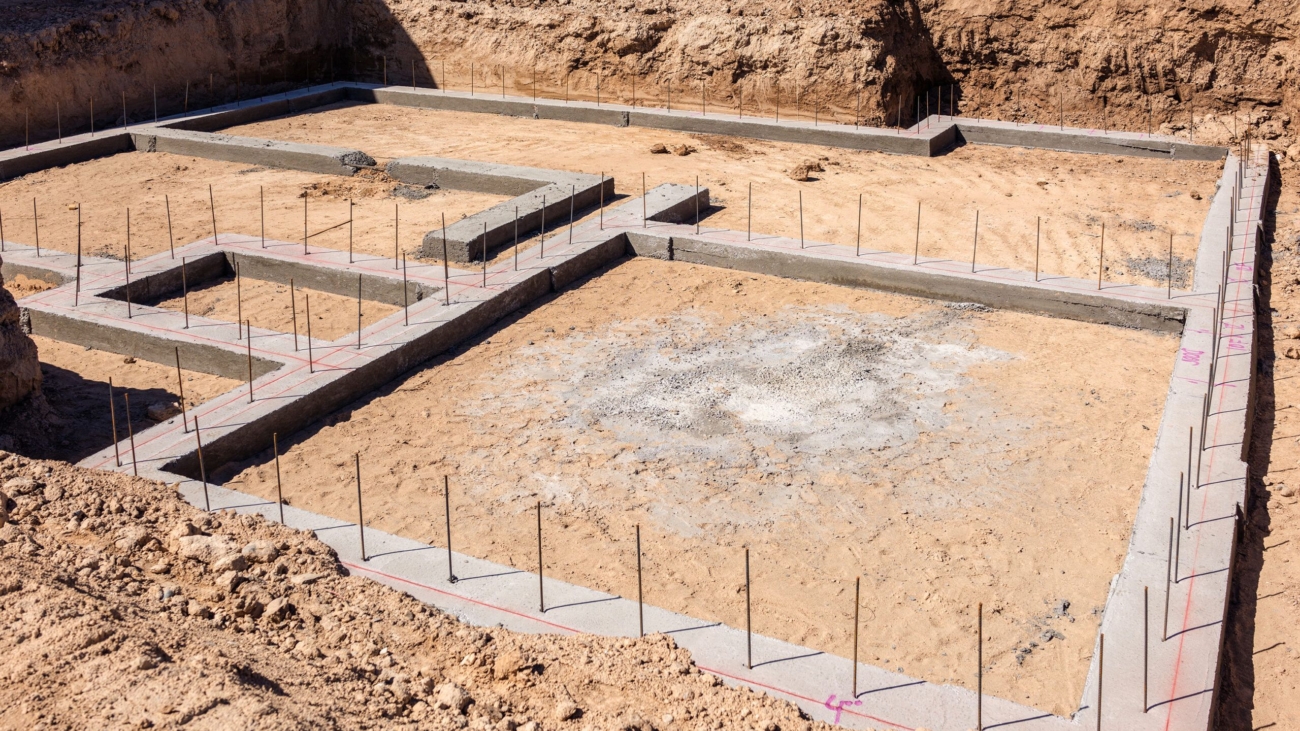
Foundation
Why Bother With a Checklist? (Spoiler: It’s Not Just Busywork)
Seriously, why add more steps before the fun part? Simple. A solid pre-remodeling checklist is your project’s insurance policy against budget blowouts, timeline nightmares, and contractor-induced headaches. It forces clarity, sets expectations, and honestly, saves you a ton of stress (and potentially cash). Ever heard a horror story about a project going off the rails? Nine times out of ten, it started with a skipped planning step. We’re not about that life, and neither should you be.
Step 1: Define Your “Why” (Beyond Just “It’s Ugly”)
Before you pick up a single paint swatch or browse faucets, get crystal clear on the purpose of this remodel. Are we talking:
Full Home Remodel Glow-Up? Giving the whole place a modern vibe?
Kitchen Command Center Creation? Need more space for your inner Gordon Ramsay?
Bathroom Spa Sanctuary? Turning your tiny water closet into a retreat?
Essential Home Additions? Bursting at the seams and need more room?
Curb Appeal Boost via Exterior Remodeling? Making the neighbors jealous?
Knowing your core goals shapes EVERYTHING else – budget, scope, contractor choice. Vague goals lead to scope creep, which leads to… well, you get the picture. Be specific! “Make the kitchen better” is weak sauce. “Create an open-concept kitchen with an island, seating for four, and professional-grade appliances” – now that’s a target.
Step 2: Budget Time: Facing the Financial Music (Gulp)
Let’s rip the band-aid off. The single biggest stressor in any remodel is the cost. Ignoring it won’t make it disappear. Here’s how to tackle it head-on:
Get Real About Your Numbers: How much can you comfortably spend? Be honest. Include a solid 10-20% contingency fund because surprise issues love to pop up (old plumbing, anyone?).
Research Rough Costs: Get ballpark figures for the work you want. What’s the average price for a bathroom remodeler in Campbell? What does a kitchen renovation contractor typically charge in Sunnyvale? Knowing ranges helps you set realistic expectations. FYI, a quick call to a reputable company like ours, D&D Home Remodeling, can give you a much clearer idea than generic online estimates.
Prioritize Ruthlessly: Your wishlist will likely exceed your wallet. Decide what’s non-negotiable (maybe those heated bathroom floors!) and what’s nice-to-have (the gold-plated towel warmer can wait). This list makes your project way more “abortable” if bids come in way too high – you know exactly what to cut first.
Step 3: Assembling Your A-Team (No, Not Just Your Handy Uncle Bob)
Choosing your general contractor or specialist (bathroom remodeler, exterior remodeling pro) is arguably the most critical decision. This isn’t the time to just Google “best remodeling company near me” and pick the first ad. Do the legwork:
Seek Specific Recommendations: Ask friends, neighbors (especially in Santa Clara, Cupertino, Los Gatos, Saratoga – we know the South Bay vibe!), local Facebook groups. Who had a great experience?
Check Credentials RELIGIOUSLY: Valid license? Insured? Bonded? Check the CSLB (Contractors State License Board) website – non-negotiable!
Interview Multiple Contractors: At least 3. D&D Home Remodeling always encourages this! It’s not just about price; it’s about communication style, understanding your vision, and feeling comfortable. Ask:
“Have you done projects exactly like mine in Milpitas/Fremont/Morgan Hill?”
“Who will be my daily point of contact?”
“Can you walk me through your process for handling unexpected issues or changes?”
Check References & Past Work: Don’t just take their word for it. See their work in person if possible.
Step 4: Design & Details – Getting It On Paper (Or Screen)
Now the fun(ish) part starts taking shape! This is where your vision meets reality:
Work With a Pro: Whether it’s an architect, designer, or your chosen house remodeling contractor‘s design team (like ours at D&D Home Remodeling), get professional drawings. Sketches on napkins lead to confusion and change orders (= $$$).
Make Material Selections (Mostly): Pick your finishes before construction starts! Tile, countertops, fixtures, flooring, paint colors. Delays happen when you’re still deciding between two shades of white in week 3. Get samples!
Define the Scope Precisely: Your contract should detail exactly what’s included (demo, framing, electrical, plumbing, specific materials, cleanup) and crucially, what’s not. Ambiguity is the enemy.
Step 5: Permits & Paperwork (The “Thrilling” Bit)
Yawn? Maybe. Essential? Absolutely. Permits ensure the work is safe and meets local building codes (which vary across San Jose, Cupertino, Saratoga, etc.). Skipping them is risky business (insurance issues, fines, problems selling later). Your general remodeling contractor should handle pulling permits, but you need to:
Understand what permits are required for your specific project (additions, structural changes, electrical, plumbing).
Factor in the time – permit approval isn’t instant, especially in busy cities. This impacts your timeline.
Keep copies of everything. Seriously, file it all.
Step 6: Prep Your Castle (& Your Life) For Invasion
Construction is disruptive. Period. Minimize the pain:
Clear the Work Zone Completely: Furniture, rugs, grandma’s antique vase… get it all out. Protect what stays with heavy-duty covers.
Create Safe Pathways: Define how crews will enter/exit. Protect your floors (even hallways leading to the bathroom).
Set Up a Temporary Kitchen/Bath: If redoing your kitchen, where will you microwave your sad frozen dinners? If it’s the only bathroom… yikes. Plan alternatives.
Communicate with Housemates/Neighbors: Warn the family about noise/dust/mess. Give neighbors a heads-up about contractor parking and dumpster placement – good karma points!
Pet & Kid Plan: Dust, noise, and open worksites are hazardous. Arrange for them to be elsewhere during the noisiest/dirtiest phases if possible.
Step 7: Lock Down the Timeline (Embrace Flexibility)
Your contractor will provide a schedule. Understand it, but also understand that remodeling timelines are more like guidelines, especially for complex projects or full home remodels. Why?
Unforeseen Surprises: Rotting subfloor? Outdated wiring that needs a full redo? It happens.
Material Delays: Supply chains are still kinda funky.
Weather (For Exterior Work): Rain stops play.
Permit Holds: Sometimes the city needs more info.
The key is communication. A good contractor (like, ahem, a certain best remodeling company in San Jose) will keep you updated on progress and any delays ASAP. Build in buffer time mentally.
Step 8: Communication: Your Secret Weapon
This deserves its own spotlight. Establish HOW and HOW OFTEN you’ll communicate with your project manager/contractor from day one. IMO, this makes or breaks the experience.
Weekly on-site walk-throughs? Daily text updates? A shared online portal?
Who makes decisions? (Hint: It should be ONE point person on your side).
How are change orders handled? Get any changes in writing, with clear costs and impacts on the schedule before the work is done. This prevents “Oh, by the way…” invoices.
Your Essential Pre-Remodeling Checklist Summary (Table Format!)
Phase
Key Actions
Why It Matters
Vision & Goals
Define project type (kitchen, bath, addition, full home), list must-haves vs. nice-to-haves.
Prevents scope creep, ensures project aligns with your core needs. Focuses budget & design.
Budget & Finance
Determine total spend limit, research local costs (get 3+ bids), secure financing if needed, set 10-20% contingency.
Avoids financial shock, allows for prioritization, makes project “abortable” if bids exceed funds.
Team Assembly
Research & interview licensed/insured contractors (GC or specialists), check references, verify local experience (e.g., San Jose, Cupertino).
Right team = quality work, smoother process, fewer headaches. Avoids costly mistakes.
Design & Scope
Finalize professional plans/drawings, select ALL materials, define EXACT scope of work for contract.
Eliminates ambiguity, prevents delays from indecision, ensures everyone is on the same page.
Pre-Remodeling FAQs: Your Burning Questions, Answered
Q: How much does a typical remodel actually cost in the South Bay? A: I wish there was a magic number! Costs vary wildly based on size, scope, materials, and location (San Jose vs. Saratoga can differ). A minor bathroom refresh might start around $25k, while a major kitchen renovation or full home remodel easily hits $100k+. The best approach? Get detailed bids based on YOUR specific plans. Companies like D&D Home Remodeling provide transparent quotes outlining exactly where your money goes.
Q: How long will my kitchen/bathroom remodel really take? A: Simpler projects (like a powder room) might take 3-4 weeks. A full kitchen gut job? Easily 8-12 weeks or more, especially with custom elements or permit delays. The key is your contractor’s initial timeline plus that built-in flexibility we mentioned. A good general contractor will give you a realistic range upfront and communicate proactively if things shift.
Q: Do I really need a permit for this? It seems small… A: When in doubt, check! Structural changes, electrical, plumbing, additions – almost always require permits. Even some window replacements or deck builds do. Skipping permits is a gamble with your safety, insurance, and home value. Your renovation contractor should know the rules for Santa Clara County and handle it. If they suggest skipping, consider it a red flag.
Q: How do I choose between a general contractor and a specialist (like a bathroom remodeler)? A: For single-room projects (bath, kitchen), a reputable specialist can be great. For whole-house remodels, home additions, or projects involving multiple trades (moving walls, electrical, plumbing), a seasoned general contractor is essential to coordinate the symphony. They manage the subs, the schedule, and the overall vision. Companies like D&D Home Remodeling offer both specialized expertise and full general remodeling coordination.
Wrapping It Up: Ready, Set, Remodel! (Without Losing Your Mind)
Phew! That might feel like a lot, but tackling this pre-remodeling checklist methodically is the absolute best way to transform excitement into a successful, (mostly) stress-free project. You’ve defined your dream, faced the budget beast, found your rockstar team, dotted the i’s and crossed the t’s, and prepped your space and sanity.
Remember, the goal isn’t just a beautiful new space; it’s a positive experience getting there. By investing time upfront, you minimize the chaos and maximize the joy of watching your vision come to life. You’ve got this!
And hey, if navigating this process feels overwhelming or you just want a trusted partner who handles the details (and the dust) for you – from bathroom remodels in Campbell to full home transformations in Los Gatos or exterior makeovers in Fremont – that’s exactly why we’re here at D&D Home Remodeling. We eat, sleep, and breathe South Bay home remodeling services, and we love helping homeowners just like you avoid the pitfalls and achieve stunning results. Why not give us a shout for a no-pressure chat about your project? Let’s make your remodeling dream a (well-organized) reality.
Alright, let’s chat about something that’s pure architectural sorcery: turning your cramped, flat-ceilinged room into a soaring, light-filled sanctuary. We’re talking vaulted ceilings, folks. If you’ve ever stood in a space with one, you get it. That sudden rush of air, the way light dances… it’s like your house took a deep breath and finally exhaled. And guess what? It’s not just for grand cathedrals or Pinterest fantasies. At D&D Home Remodeling in San Jose, we’ve turned more “meh” ceilings into “WOW” moments than we can count. Seriously, it’s our happy place.
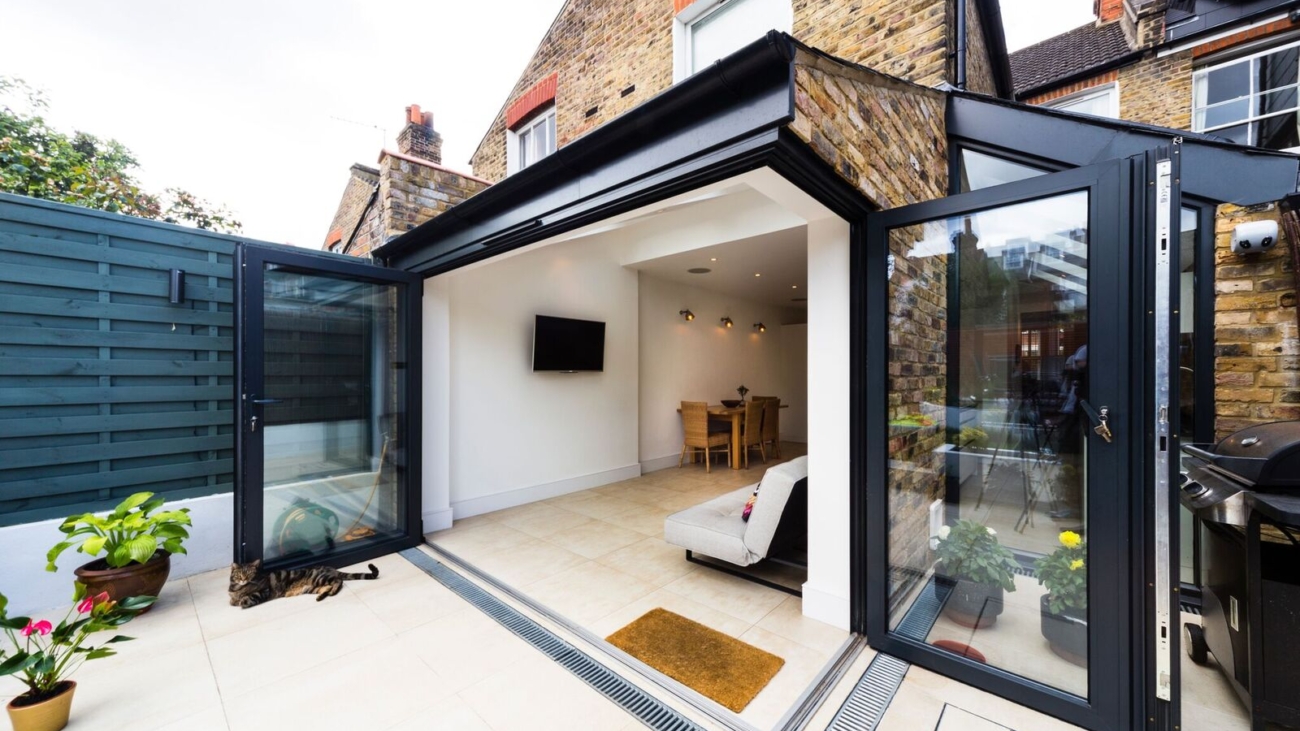
Home Extension
So, What’s the Big Deal With Vaulted Ceilings Anyway?
Picture this: You rip off the lid of a shoebox. Suddenly, everything inside feels bigger, freer, right? That’s a vaulted ceiling in a nutshell. Unlike your standard 8-foot flat ceiling, vaulted designs angle upward, creating dramatic height and volume. They’re not just pretty—they’re functional. More natural light? Check. Better air circulation? You bet. That elusive “luxe” factor without adding a single square foot? Oh yeah.
Why Bother Transforming Your Ceiling? (Spoiler: It’s Not Just Vanity)
Let’s be real—we all want our homes to feel special. But beyond the ✨aesthetic✨, vaulted ceilings deliver:
Light, Glorious Light: Windows get taller, light spills deeper. Say goodbye to dark corners (and hello to lower electricity bills).
Resale Rocket Fuel: Buyers in competitive markets like San Jose, Saratoga, or Cupertinosalivate over this feature.
Personality Injection: Farmhouse? Modern? Gothic? Your ceiling can set the whole vibe.
But—and here’s the kicker—this isn’t DIY territory. Unless you’re cool with your roof collapsing (we’re not), call a pro.
The Vaulted Ceiling Transformation: No Magic Wands, Just Smart Planning
Okay, let’s pull back the curtain. How do we actually do this without turning your home into a disaster zone?
Step 1: The “Can We Even Do This?” Phase
First, we peek into your attic (or lack thereof). Not every home is a candidate. Key questions:
Is there existing roof structure to work with?
Any HVAC ducts, wires, or plumbing in the way?
What’s hiding behind those walls?
This is where “abortable” comes in. If we hit a deal-breaker (like a load-bearing beam that can’t move), we pivot before demo starts. No nasty surprises.
Step 2: Playing Structural Jenga
This is BIG. Removing ceiling joists means redirecting weight. We might add:
Steel beams
Engineered trusses
Collars ties
Skip this step, and your ceiling becomes a skylight. Permanently. This is why you hire a reliable renovation contractor—not your cousin with a hammer.
Step 3: The Fun Part (aka Controlled Chaos)
Demo day! We remove drywall, reconfigure framing, and—here’s the real artistry—design the pitch. Too steep? Feels like a church. Too shallow? Wasted opportunity. We’ve nailed this balance in Sunnyvale bungalows and Los Gatos estates alike.
Step 4: Dress to Impress
Now we choose finishes:
Wood beams for rustic warmth
Smooth drywall for sleek modernity
Skylights because… chef’s kiss
Let’s Talk Cost: Investing in Your Vertical Real Estate
“Okay, but what’s the price tag?” Fair question. Vaulting a ceiling isn’t cheap popcorn money. But think of it as value per cubic foot. Here’s a ballpark breakdown:
Factor
Impact on Cost
Why It Matters
Room Size
High
Bigger room = more materials, labor, engineering
Structural Changes
Very High
Steel beams? Engineer stamps? Adds up fast
Roof Complexity
Medium-High
Hip roofs cost more than gables
Finishes
Variable
Beams vs. drywall? Basic vs. premium?
Location
Medium
Santa Clara vs. Morgan Hill? Labor rates vary
Rough estimates? For a standard 20×15 ft room in the San Jose area:
Basic vault (no structural changes): $15k–$25k
Full structural rework + premium finishes: $30k–$60k+
FYI: This is why getting a site-specific quote from a house remodeling contractor (like us cough) is non-negotiable.
Why You’ll Want a Pro (and Why We’re Your Best Bet in the Bay)
Look, we’ve seen DIY-gone-wrong vaults. Shudder. This is general remodeling on hard mode. You need:
Permit navigation (cities like Campbell or Milpitas have opinions)
Problem-solving ninjas (what’s behind that wall?)
That’s where D&D Home Remodeling shines. We’re not just bathroom remodelers or exterior remodeling dabblers—we handle full home remodel projects where precision is everything. Serving San Jose, Fremont, Saratoga, and all points between, we’ve tackled vaults in 1920s cottages and 2000s McMansions. Our secret? We geek out on structural poetry.
Got a low ceiling haunting you? [Contact D&D Home Remodeling] for a vaulted vision—no hard hats required for the first call 🙂
Your Top Vaulted Ceiling Questions (Answered Without Jargon)
Q: Can any room be vaulted?
A: Not always. Kitchens with upper cabinets? Tricky. Rooms under bedrooms? Noise issues. Atticless ranches? Usually yes! We assess it case-by-case.
Q: Will this mess up my HVAC?
A: Possibly. Ducts often live in attic spaces. We reroute them or opt for mini-splits. Pro tip: Do this during the vault project to save cost.
Q: How long does it take?
A: For a single room? 3–6 weeks. Structural changes add time. Permitting in Cupertino or Sunnyvale? Factor in 4–8 weeks for approvals.
Q: Can I vault just part of a ceiling?
A: Absolutely! “Tray” or “cove” ceilings create drama without going full Grand Canyon. We love these for living rooms.
Ready to Reach for the (Ceiling) Stars?
So… worth it? IMO, 100%. A vaulted ceiling isn’t just a renovation—it’s a revelation. It changes how you live in a room, how light moves, even how you feel coming home. And with a seasoned general contractor handling the heavy lifting (literally), it’s smoother than you’d think.
At D&D Home Remodeling, we live for these transformations. Whether you’re in San Jose, Los Gatos, or Morgan Hill, if you’re dreaming of a space that breathes, let’s chat. No flat-ceilinged room is doomed forever. Sometimes, all it takes is looking up.
Curious what YOUR ceiling could become? [Reach out to D&D Home Remodeling] today—let’s elevate your home, literally. 😉
Okay, let’s be real for a sec. Walking into a kitchen and seeing gleaming, concrete countertops used to feel a bit… unexpected, right? Like finding a forklift in a ballroom. But folks, times have changed, and here in San Jose, we’re seeing a massive surge in homeowners absolutely loving that raw, industrial chic vibe. And honestly? We totally get it. There’s something undeniably cool about concrete – it’s bold, unique, and screams personality in a way granite sometimes just whispers.
At D&D Home Remodeling, we’ve been crafting these beauties right here in San Jose for years, and the buzz just keeps getting louder. Forget cold and institutional; modern concrete countertops are sophisticated, warm (in feel, not temperature!), and incredibly versatile. So, grab a coffee (maybe not on a fresh pour, though), and let’s chat about why concrete might just be the perfect statement piece for your next kitchen or bathroom remodel.
Why Concrete? It’s Not Just for Sidewalks Anymore
Seriously, what’s the big deal? Why are folks trading in their predictable stone for poured perfection?
Unmatched Customization: This is the biggie. Want a waterfall edge that flows seamlessly to the floor? Done. Dreaming of an integrated sink that looks like it grew there? Easy. Crazy about a specific color, aggregate (think bits of glass or stone), or texture? We can make it happen. Unlike slabs you pick from a yard, concrete is made for your space. It’s like having a bespoke suit for your kitchen.
Serious Durability: Properly sealed (and we mean properly – more on that later), concrete is incredibly tough. It laughs at hot pans (use a trivet anyway, because we’re not savages), resists scratches pretty well, and generally holds up to the chaos of family life. Think of it as the armored truck of countertop materials.
That Industrial Chic Aesthetic: This is where the magic happens. Concrete brings an urban, modern, slightly raw edge that granite or quartz just can’t replicate. It pairs amazingly with reclaimed wood, exposed brick (if you’re lucky enough to have it!), matte black fixtures, and sleek stainless steel. It instantly elevates a space from “nice kitchen” to “design magazine feature.”
Heat Resistance: Ever plonked a scorching pot down and held your breath? With concrete, that panic is significantly reduced. It handles heat like a champ. (Though, again, trivets are still your friend for longevity and avoiding potential thermal shock).
So, How Do We Actually Make These Masterpieces? (Hint: It’s Not Magic, Just Skill)
Alright, let’s pull back the curtain a bit. How does a pile of sand, cement, and water become your stunning new focal point?
The Perfect Mold: It all starts with incredibly precise templates of your existing cabinets or the new layout. One tiny mistake here, and the whole thing is… well, let’s just say it becomes a very expensive abstract sculpture. Precision is non-negotiable.
Mixing & Pouring: This is where the artistry begins. We mix the concrete with any integral colors or special aggregates you’ve chosen. Then, it’s carefully poured into the mold on-site (in your garage or driveway) or in our controlled shop environment. Watching it flow is weirdly satisfying.
Curing & Patience: Concrete needs time to gain its strength – usually about a week. This isn’t a microwave meal; good things take time! Rushing this stage is a recipe for cracks and disappointment. We treat it like a fine wine… sort of.
Demolding & Refining: Once cured, we carefully remove the mold. What emerges is rough around the edges (literally). Then comes the meticulous grinding, polishing, and honing to achieve your desired finish – from matte to a high-gloss sheen. This is where the true beauty emerges.
Sealing: The Make-or-Break Step: This is crucial. A high-quality, penetrating sealer is applied multiple times to protect against stains, water, and wear. The type and number of coats directly impact longevity. Skimp here, and you’ll regret it faster than you can say “red wine spill.” We use only the best sealers and apply them with obsessive care.
The D&D Difference: We don’t just pour concrete; we engineer it. We use specialized mixes, reinforcement (like fiberglass or rebar), and proven techniques to minimize the risk of cracking – the biggest concern most folks have. And if something does go sideways early on? The process is abortable before the concrete sets, allowing adjustments without massive waste. Phew!
Okay, let’s address the elephant in the room. How much does this industrial chic dream actually cost? Concrete countertops aren’t usually the budget option, but they offer incredible value for the uniqueness and customization you get.
What Influences the Price?
Size & Complexity: Obviously, a massive kitchen island costs more than a small bathroom vanity. Integrated sinks, complex edges, and thickness variations add to the price.
Finishes & Details: Heavy polishing, special aggregates, integral coloring, and unique textures require more labor and materials.
Location & Installation: Are we working in a high-rise loft downtown San Jose or a sprawling home in Saratoga? Access and logistics play a role.
The Sealer: Top-tier sealers cost more but offer far better protection.
Cost Comparison: Concrete vs. The World
Here’s a rough idea of how concrete stacks up against other popular options in our area (San Jose and Santa Clara County averages):
Feature
Concrete Countertops
Granite
Quartz
Laminate
Price Range (per sq. ft. installed)
$100 – $200+
$50 – $150+
$60 – $150+
$20 – $50
Customization
★★★★★ (Unlimited shapes, colors, textures)
★★☆☆☆ (Limited to slab selection)
★★☆☆☆ (Limited patterns/colors)
★☆☆☆☆ (Prefab)
Durability
★★★★☆ (Very strong, heat resistant)
★★★★☆ (Strong, heat resistant)
★★★★☆ (Very strong, non-porous)
★★☆☆☆ (Scratches, burns easily)
Maintenance
★★★☆☆ (Requires periodic resealing)
★★★☆☆ (Requires sealing)
★★★★★ (Very low, no sealing)
★★★★★ (Very low)
Unique Aesthetic
★★★★★ (Industrial, modern, bespoke)
★★★☆☆ (Natural beauty, classic)
★★★☆☆ (Consistent, modern)
★☆☆☆☆ (Basic)
Is it Worth It? IMO, absolutely – if you value a one-of-a-kind look and total design freedom. You’re not just buying a surface; you’re buying a functional piece of art. Think of it as an investment in your home’s unique personality and long-term value.
Why D&D Home Remodeling is Your San Jose Concrete Guru
Look, pouring concrete countertops isn’t something you want to trust to just anyone who says “sure, I can do that.” It’s a specialized craft requiring skill, experience, and the right materials. Here’s why folks from Campbell to Cupertino, and Milpitas to Morgan Hill, keep calling us:
Local Masters: We’re based right here in San Jose. We know the local styles, the building nuances, and where to get the best materials. No flying in crews who don’t get our vibe.
Decades of Combined Experience: We’ve seen it all, fixed other people’s mistakes, and perfected our process. We know how to handle tricky layouts, prevent cracks, and achieve that flawless finish.
Quality is Non-Negotiable: From the concrete mix design to the final sealer coat, we use top-tier products and techniques. No cutting corners. Ever.
We Stand Behind Our Work: Our reputation as a trusted renovation contractor in Santa Clara County is everything. We guarantee our craftsmanship because we’re confident in it.
Full-Service Peace of Mind: While concrete countertops are our passion, D&D Home Remodeling is also your go-to general contractor for the bigger picture. Need new cabinets, flooring, lighting, or even home additions to go with those killer counters? We handle it all seamlessly. No juggling multiple house remodeling contractors. One team, one point of contact, less stress for you. From bathroom remodeler services to exterior remodeling and full home remodel projects, we’ve got the expertise.
Seriously, trying to coordinate a countertop installer who isn’t part of the main general remodeling team can be a nightmare. Why not work with the best remodeling company in the South Bay that does it all?
Beyond the Counter: Your Whole Home Vision
Concrete countertops might be the spark, but maybe you’re dreaming bigger. That stunning kitchen might flow into a dining room that needs opening up. Or perhaps that bathroom vanity inspires a whole bathroom remodel. At D&D Home Remodeling, we don’t just do countertops; we create cohesive, beautiful living spaces.
We’re your local experts for home remodeling services across San Jose and the entire South Bay – think Sunnyvale, Los Gatos, Fremont, Saratoga… you name it! Whether it’s a kitchen refresh, a full home remodel, adding square footage with home additions, or boosting curb appeal with exterior remodeling, we approach every project with the same passion and precision we pour into our concrete creations.
Your Burning Concrete Countertop Questions, Answered (No Fluff!)
We hear these all the time. Let’s cut to the chase:
“Will my concrete countertop crack?”
This is the #1 concern. While concrete can develop hairline cracks (it’s a characteristic of the material), proper engineering during fabrication minimizes this risk significantly. We use reinforcement, control joints where appropriate, and high-quality mixes. Most tiny cracks are superficial and add to the character (seriously!), but major structural cracks due to poor workmanship? That shouldn’t happen. Choosing an experienced fabricator like us is key.
“How often do I need to reseal them, and is maintenance hard?”
Think of the sealer as the countertop’s armor. Depending on the sealer used and how heavily you use the surface, you’ll typically need to reseal every 1-3 years. Daily maintenance is easy: wipe spills promptly (especially acidic ones like lemon juice or vinegar), clean with a pH-neutral cleaner, and avoid harsh abrasives. It’s not high-maintenance, but it’s not zero-maintenance like quartz. A small trade-off for that unique look!
“Are concrete countertops sanitary?”
Absolutely! Once properly sealed, the surface is non-porous and resistant to bacteria, just like granite or quartz. A good sealer creates an impenetrable barrier. Keeping them clean is straightforward.
“Can I use them in my bathroom too?”
Heck yes! Concrete vanities are incredibly popular and look amazing. The same durability and customization benefits apply. Just ensure they are properly sealed for the humid environment – which we always do. Bathrooms are a fantastic place to showcase this material.
Ready to Ditch the Ordinary?
So, are you feeling the pull of raw, industrial elegance? Does the idea of a countertop that’s truly yours, crafted with care right here in San Jose, sound appealing? Concrete countertops offer a unique blend of toughness, beauty, and personality that’s hard to beat. They transform a kitchen or bathroom from standard to standout.
If you’re in San Jose, Santa Clara, Campbell, Milpitas, Saratoga, Sunnyvale, Los Gatos, Cupertino, Fremont, Morgan Hill, or anywhere nearby and you’re dreaming of concrete countertops (or any home remodeling services!), skip the frantic “concrete countertops near me” search. Talk to the local experts who eat, sleep, and breathe this stuff.
Give D&D Home Remodeling a call today. Let’s chat about your vision over coffee (we promise not to judge your current counters). We’ll give you the straight talk on cost, design options, and how we can make your industrial chic dreams a concrete reality. Let’s build something amazing together! 🙂