

Lighting Up Your Life: The Drama-Filled Magic of accent lighting
Picture this: you’re chilling in your living room after a long day, but instead of cozy vibes, it feels like an interrogation scene from a bad cop show. Harsh overhead light, zero atmosphere, and your favorite artwork? Lost in the shadows. We’ve all been there—and honestly, it’s a crime against interior design. But what if we told you a few strategic lights could turn that snoozefest into a cinematic masterpiece? At D&D Home Remodeling in San Jose, we’ve spent years transforming “meh” spaces into jaw-dropping dramas using Accent lighting. No magic wands needed, just smart techniques. Ready to ditch the dreary? Let’s geek out together.
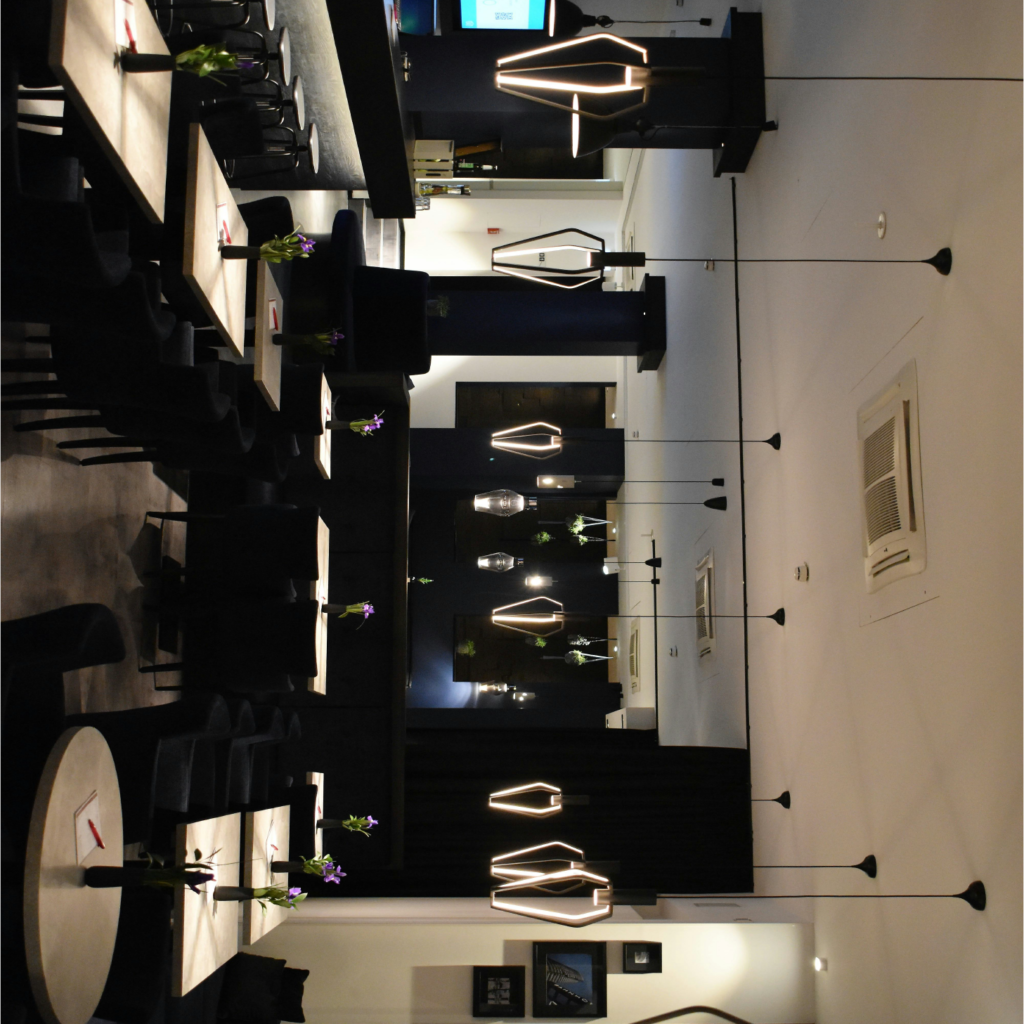
What Exactly Is accent lighting—And Why Should We Care?
Accent Lighting isn’t just about adding more bulbs; it’s storytelling with light. Think of it as the spotlight for your home’s best features—that killer bookshelf, a textured wall, or Grandma’s vintage vase. While ambient lighting sets the stage and task lighting keeps you functional (yawn), Accent lighting? That’s the diva. It creates depth, mood, and yes—drama. IMO, skipping it is like baking a cake and forgetting the frosting. Sure, it’s edible, but why settle?
We’ve seen homes in San Jose and Santa Clara go from flat to fabulous overnight. One client’s bland hallway became a gallery-worthy space just by uplighting their art collection. Another in Campbell used it to highlight architectural columns, making their living room feel palatial. The secret? It’s all about contrast and focus. Dark corners recede, bright pops draw the eye, and suddenly your space has layers. Plus, it’s surprisingly abortable—start small with one wall, and if life gets chaotic (no judgment), you can pause without rewiring the whole house.
The Coolest Techniques to Make Your Home Shine—Literally
Alright, let’s get tactical. Here’s how we play with light to create show-stopping moments. FYI, these aren’t one-size-fits-all—pick what vibes with your space.
Uplighting: Because Shadows Need Drama Too
Uplighting shoots beams upward, grazing walls or objects to cast long, sexy shadows. It’s perfect for:
- Textured surfaces (think brick or stone walls).
- Tall features like fireplaces or plants.
- Creating a “lofty” illusion in rooms with low ceilings.
Pro Tip: Use adjustable LED strips for flexibility. Angle them slightly to avoid that “haunted house” effect. We once rescued a Sunnyvale client from cave-like vibes by uplighting their living room beams—instant cozy lodge feels.
Downlighting: Subtle Sophistication, No Sunroof Required
Downlighting directs light downward from ceilings or shelves. It’s stealthy—ideal for:
- Illuminating countertops without glare (kitchen heroes, unite!).
- Framing pathways or staircases safely.
- Adding pools of light to dining tables or reading nooks.
Watch Out: Overdo it, and you’ll feel like you’re under surveillance. Balance it with softer ambient sources.
Backlighting: The Ninja of Drama
Place lights behind objects (like TVs, mirrors, or headboards) for a halo effect. This:
- Makes screens easier on the eyes (bye-bye, Netflix headaches).
- Adds ethereal glow to translucent materials (glass shelves, heck yes!).
- Creates “floating” illusions—great for minimalist spaces in Cupertino or Los Gatos.
Personal Anecdote: A Milpitas client hated their bulky TV until we backlit it. Now it’s a “feature wall” that wows guests.
Grazing: For Texture Lovers
Position lights close to a surface (like 6 inches from a wall) to highlight textures—wood grain, stone, or even wallpaper patterns. It’s like contouring for your home.
Table: Quick Guide to Accent lighting Techniques
| Technique | Best For | Fixture Types | Avg. Cost Per Fixture | DIY-Friendly? |
|—————-|———————————–|—————————-|———————–|—————|
| Uplighting | Walls, plants, tall features | Track lights, spotlights | $50–$150 | Moderate |
| Downlighting | Task areas, pathways, tables | Recessed lights, pendants | $75–$200 | Easy |
| Backlighting | TVs, mirrors, headboards | LED strips, tape lights | $30–$100 | Simple |
| Grazing | Textured walls, art, stonework | Wall washers, linear lights| $60–$180 | Tricky |
Costs vary based on materials and labor. Always get a quote!
Picking Fixtures: Not All Bulbs Are Created Equal
Fixture choice makes or breaks your drama. Recessed lights? Sleek but pricey. Track lights? Flexible but visible. LED strips? Affordable and abortable (you can peel ’em off if you change your mind). We’re partial to dimmable LEDs—they save energy and let you tweak moods from “romantic dinner” to “game night frenzy.”
But here’s the kicker: scale matters. A tiny fixture in a vaulted ceiling looks sad, like a solo dancer in a ballroom. We learned this the hard way during a Saratoga full home remodel—oversized pendants saved a double-height foyer from feeling empty.
Oops! Avoid These Facepalm-Worthy Mistakes
We’ve seen DIY disasters that made us cringe (politely, of course). Don’t:
- Overlight like a stadium. accent lighting is selective—highlight 2-3 features max per room. Otherwise, it’s visual noise.
- Ignore color temperature. Warm whites (2700K–3000K) = cozy. Cool whites (4000K+) = sterile. Mixing them? A crime worse than socks with sandals. 🙂
- Forget layers. accent lighting solo feels unbalanced. Pair it with ambient and task lights—it’s the trio that sings.
One Fremont homeowner turned their bedroom into a disco with rainbow LEDs. Fun? Maybe. Restful? Nope. We dialed it back to subtle backlighting—crisis averted.
Real Talk: What’s This Gonna Cost Me?
Alright, let’s address the elephant in the room: price. Basic DIY setups run $200–$500 for fixtures and wires. But for pro-level drama? Budget $1,000–$5,000+, depending on:
- Room size and complexity (a bathroom remodeler might charge less than a whole-floor project).
- Fixture quality (high-end LEDs cost more but last longer).
- Labor—this is where a general contractor shines.
At D&D Home Remodeling, we’ve handled everything from bathroom nooks in Morgan Hill to exterior remodeling in Campbell. Cost is always transparent—no nasty surprises. And because life’s unpredictable, our projects are abortable with clear milestones. FYI, most home remodeling services in San Jose charge $75–$150/hour, but we offer free estimates. Searching for “accent lighting near me“? We cover Santa Clara to Gilroy—just shout.
Why Go Pro? (Or: How Not to Electrocute Yourself)
Look, we love a good DIY project. But wiring? Not the place to wing it. A renovation contractor (like us!) ensures:
- Safety first: No fried circuits or fire hazards.
- Code compliance: Because inspectors aren’t known for their sense of humor.
- Seamless integration: Hide wires in walls or ceilings for that “born this way” look.
We’re the best remodeling company for accent lighting because we eat, sleep, and breathe this stuff. Plus, we’ve got the general remodeling chops to tie lighting into bigger projects—like that kitchen overhaul you’ve been dreaming of.
FAQs: Your Burning Questions, Answered
-
Can I add accent lighting without ripping up walls?
Absolutely! Plug-in sconces, battery-powered LEDs, or adhesive strips work wonders. But for built-in elegance, hardwired is best—call a house remodeling contractor. -
Will accent lighting hike up my energy bill?
Nope. LEDs sip power like fine wine. A typical setup adds $5–$10 monthly—cheaper than your Netflix habit. -
Can small spaces handle drama?
Heck yes! In a bathroom, graze the shower tile. In a closet, backlight shelves. Small rooms = big impact. -
How long does installation take?
DIY: a weekend. Pro job: 1–3 days. We once did a Los Gatos home addition with accent lighting in 48 hours—client high-fives included.
Let’s Wrap This Up (With a Bow of Light)
So there you have it—Accent lighting isn’t just functional; it’s emotional alchemy. It turns daily routines into moments, and rooms into stories. Whether you’re tweaking a corner or planning a full home remodel, start small, play boldly, and remember: light is your friend, not your foe.
At D&D Home Remodeling, we’re obsessed with making homes in San Jose and beyond feel extraordinary. Why settle for bland when you can have breathtaking? If you’re itching to transform your space (or just avoid another DIY shock therapy session), contact us today. Let’s turn up the drama together—your walls will thank you.
D&D Home Remodeling—Serving San Jose, Santa Clara, Campbell, and all the Bay Area brilliance in between.
Related Articles
People Also Ask
The most expensive part of remodeling a house is typically the kitchen or primary bathroom. These projects involve high-cost items like custom cabinetry, countertops (e.g., quartz or granite), professional-grade appliances, and complex plumbing and electrical work. Labor costs for skilled tradespeople such as plumbers, electricians, and carpenters also contribute significantly. Structural changes, like removing walls or altering the home's footprint, can also be major cost drivers due to engineering requirements and permits. It's crucial to budget 10-20% extra for unforeseen issues, as hidden problems like outdated wiring or water damage are often discovered during demolition, which can substantially increase the final expense.
The 30% rule in remodeling is a general budgeting guideline suggesting that the cost of a major renovation should not exceed 30% of your home's current market value. This is a rule of thumb to help homeowners avoid over-improving their property relative to the neighborhood, which can make it difficult to recoup the investment upon sale. For example, if your home is worth $400,000, a major remodel budget should ideally stay around $120,000. This rule helps maintain financial prudence and ensures the project aligns with the home's value. However, it's a flexible guideline; personal circumstances, local real estate trends, and the specific scope of work (like essential structural repairs versus luxury upgrades) should also heavily influence the final budget.
The first and most critical step in any home remodel is to establish a clear and realistic plan. This involves defining your goals, setting a firm budget, and understanding the scope of work. Before any demolition begins, you should thoroughly assess the existing conditions of your home, which may involve professional inspections for structural, electrical, and plumbing systems. This planning phase prevents costly mid-project changes and ensures all work aligns with your vision and local building codes. A cornerstone of this planning is creating a comprehensive timeline, as detailed in our internal article, The Importance Of A Detailed Project Schedule. This schedule coordinates contractors, material deliveries, and inspections, serving as the essential roadmap for a successful renovation.
Modernizing a house can be achieved through several impactful yet simple updates. Start by refreshing the paint with a contemporary, neutral color palette to instantly brighten and open up spaces. Updating light fixtures to modern, energy-efficient LED options, such as statement pendants or recessed lighting, dramatically improves ambiance. Replacing outdated cabinet hardware and door handles with sleek, modern designs is a cost-effective upgrade. Consider swapping old faucets and showerheads for stylish, water-saving models. For a larger visual impact, replace worn flooring with durable, modern materials like luxury vinyl plank or large-format tiles. Finally, decluttering and incorporating minimalist decor with clean lines and strategic pops of color can make any home feel current and inviting.