
Key Takeaways: Remodeling an Eichler home is a balancing act. You’re not just updating a house; you’re curating a piece of architectural history. The goal is to solve real 21st-century problems—like energy efficiency and closed-off kitchens—without erasing the soul that made you fall in love with it in the first place. Get this wrong, and you can permanently diminish its value and charm.
We’ve lost count of how many times a client has called us, a mix of excitement and dread in their voice, about their new Eichler. They love the light, the flow, the connection to the backyard. But they’re freezing in winter, sweating in summer, and the galley kitchen feels like a time capsule from a different life. The dream of modern living in a mid-century modern icon is bumping into the reality of 60-year-old systems and sometimes puzzling original choices.
This is the core tension of an Eichler remodel. It’s a specific, often emotional project that demands more than generic contractor advice. You’re making decisions for a home that was part of a visionary post-war development philosophy, not just another ranch house. Let’s talk about how to navigate it without losing the plot.
What Makes Your Eichler Different (And Why It Matters)
First, a quick reality check. If you’re in a tract Eichler in the Rose Garden, Fairglen, or Greenmeadow neighborhoods, your home shares a DNA with hundreds of others. But that doesn’t mean your remodel should be generic. Understanding the original intent is your cheat code.
The post-and-beam construction isn’t just an aesthetic; it’s the reason for those soaring, open ceilings and walls of glass. The radiant heating in the slab floor was cutting-edge. The floorplan was designed to erase the boundary between inside and outside, a radical idea in the 1950s. When you start knocking on walls, you’re interacting with this specific system. We’ve seen folks treat that tongue-and-groove ceiling like drywall, only to create a costly structural headache. The systems talk to each other, and you need to listen.
The Big Three: Where Most Eichler Remodels Focus (And Stumble)
Most projects zero in on the same pain points. Here’s how we approach them, learned through more than a few “learning experiences” over the years.
### Upgrading The Thermal Envelope: Your Battle Against the Elements
The single biggest complaint is always the same: it’s too hot or too cold. Those iconic glass walls and flat roofs are thermal liabilities by modern standards. But slapping on traditional solutions can ruin the look.
The Glass Problem: Replacing the original steel-framed windows and sliding doors is often necessary, but the wrong choice screams “replacement window.” We look for thermally broken aluminum profiles that mimic the slim sightlines of the original steel. The goal is to look original from five feet away while performing like modern glass. In some cases, adding discreet, high-performance interior storm panels can preserve historic glass while boosting efficiency—a good compromise for purists.
The Roof and Walls: That low-pitch roof often has minimal insulation. A spray-foam application from underneath can be a game-changer for comfort. For walls, injecting dense-pack cellulose into the stud bays is common, but it requires care to avoid settling. We’ve found that combining this with an exterior rigid insulation overlay, then re-siding, is the gold standard. It solves thermal bridging and gives you a chance to address the siding itself.
### Rethinking The Floorplan For How We Live Now
The classic Eichler floorplan is a masterpiece of zoning—private bedrooms in one wing, public living spaces in another. But the kitchen is often an afterthought, tucked away.
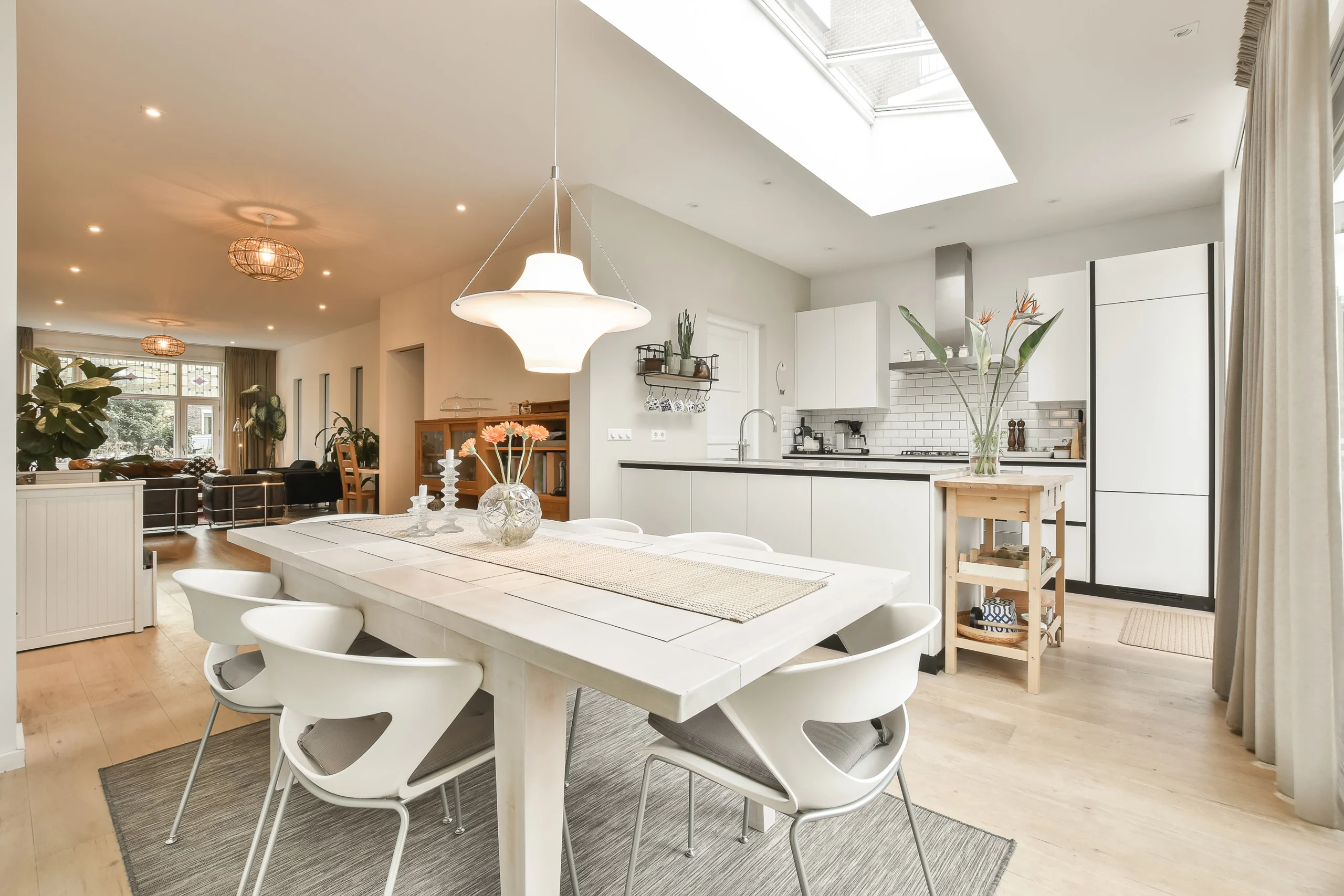
Opening it up is usually priority number two. The trick is to do it without destroying the home’s structural logic or creating a cavernous, undefined space. We often borrow a bit of space from an adjacent laundry or closet to create a more functional kitchen footprint, using a partial-height wall or a change in ceiling material (like a wood slat screen) to define the kitchen “zone” without fully enclosing it. It’s about suggestion, not separation.
### The Heart of the Home: Kitchens and Baths
Here’s where personal taste meets period appropriateness. A full-blown, ultra-modern Italian kitchen will look like it crash-landed in your living room. But a slavish 1950s replica might not be functional.
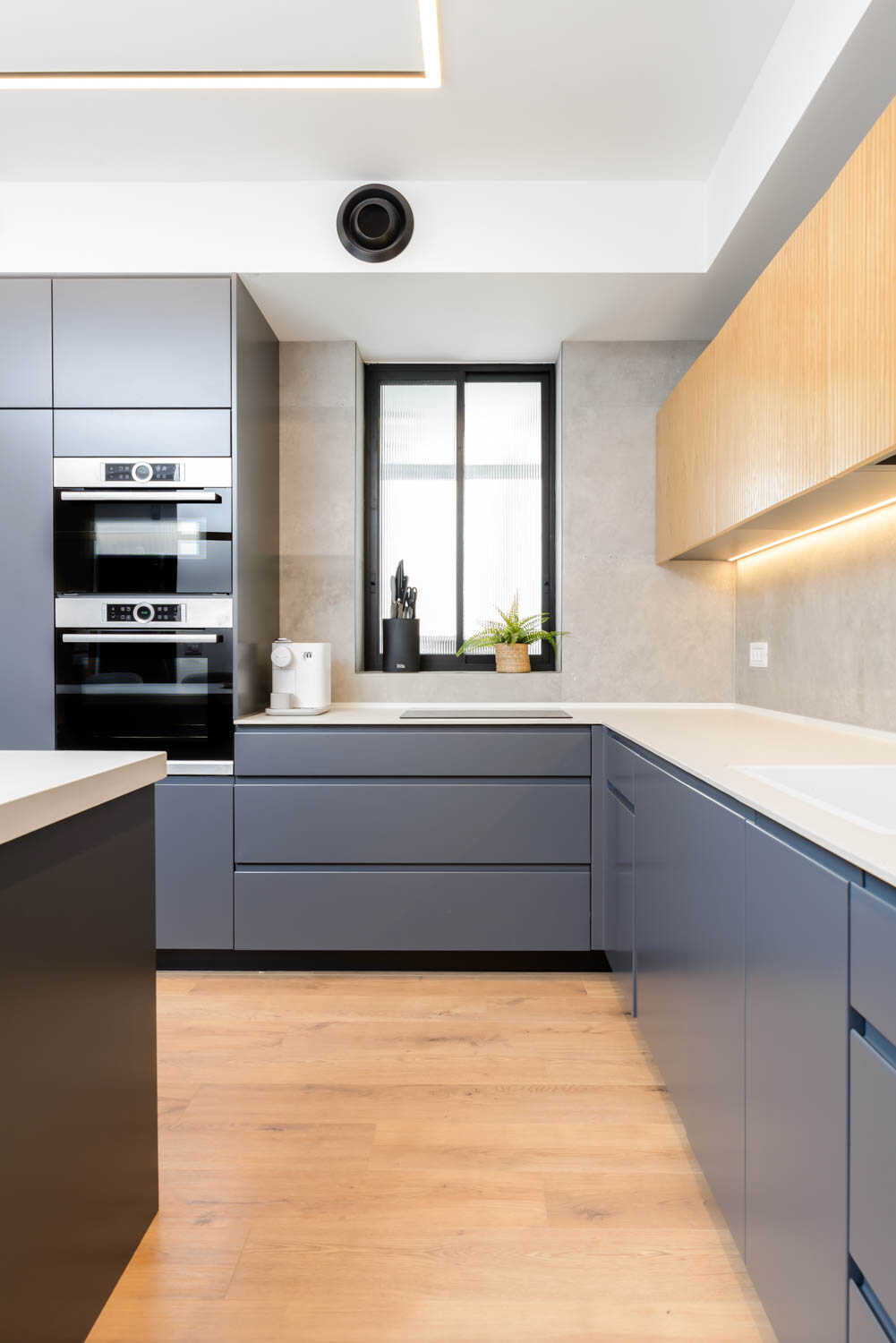
We steer clients toward a “mid-century inspired” approach. Think flat-panel cabinetry (no shaker doors!), integrated pulls, and warm, natural materials like teak or walnut for accents. Counters in quartz or sintered stone can mimic period terrazzo without the maintenance. For backsplashes, large-format matte tile or even stainless steel can work. The goal is a kitchen that feels of the era, not trapped in it.
The Cost Conversation: What You’re Really Paying For
Let’s be blunt. A thoughtful Eichler remodel often costs 20-30% more per square foot than a similar-scale job on a conventional home. You’re paying for problem-solving, specialized materials, and a lot of careful labor. Cutting corners here usually means cutting character.
| Project Area | Typical Cost Range (San Jose) | What You’re Paying For & Key Trade-Offs |
|---|---|---|
| High-Performance Window Replacement | $25,000 – $60,000+ | Custom, thermally-broken units that match original profiles. Trade-off: Stock vinyl windows are 1/3 the cost but will look wrong and can hurt resale. |
| Kitchen Remodel (Mid-range) | $45,000 – $85,000 | Reconfiguring plumbing/electrical in a slab foundation, custom flat-panel cabinets, period-appropriate finishes. Trade-off: A basic cabinet replacement is cheaper but won’t solve the layout. |
| Adding Central Air & Heat | $15,000 – $30,000 | Complex duct routing through low ceilings, often using high-velocity mini-duct systems. Trade-off: Keeping original radiant heat may limit cooling options and efficiency. |
| Exterior Re-siding & Insulation | $30,000 – $70,000 | Removing old siding, adding continuous exterior insulation, installing new vertical-grain cedar or fiber-cement panels. Trade-off: Just re-siding over existing walls is cheaper but misses the big efficiency gain. |
These aren’t scare numbers, just the reality of working on a specialty home. The trade-off is the value you preserve and enhance. A botched Eichler remodel can sit on the market. A sensitive, well-executed one becomes a landmark in its own right.
When to Call a Pro (And When to Put Down the Sander)
We love enthusiastic homeowners. But we’ve also been called in to fix the aftermath of that enthusiasm. Some tasks are deceptively complex.
Please, call someone: Any structural change (removing walls, altering roof lines), re-wiring the original low-voltage lighting system, repairing or modifying the radiant slab heating, and any major window replacement. The systems are too integrated to guess.
DIY-friendly territory: Painting (with the right sheens!), refinishing original cabinetry, updating light fixtures with period-appropriate designs, and landscaping. Even here, a few hours of consultation with a designer who knows Eichlers can save you from a costly aesthetic misstep. We’ve seen more than one beautiful home undone by an overly trendy paint color or an ornate light fixture that fights the clean lines.
The Local San Jose Context: It’s Not Just Aesthetic
Remodeling here isn’t happening in a vacuum. If you’re off the 280 corridor in the hills, your soil and drainage concerns are different than in the flatlands near the 101. The dry heat of the east foothills demands different landscaping and shading solutions than the cooler, foggier areas near the airport.
And then there’s the city itself. San Jose has gotten stricter about expansions that alter the street view of these historic tracts. Your dream of a giant second-story pop-top in the Fairglen neighborhood might be a non-starter. A good architect or builder will know how to navigate the planning department, understanding what variances are possible and what fights aren’t worth having. Sometimes, the solution is going down, not up, or cleverly reallocating existing square footage.
The Final Litmus Test: Will It Still Feel Like an Eichler?
This is the question we ask at the end of every planning meeting. Will the soul of the house—the light, the openness, the connection to nature—be not just preserved, but enhanced?
If the answer is yes, you’re on the right track. You’ll have a home that honors its past without being a museum, ready for decades of modern living. It’s a rewarding challenge, one that we at D&D Home Remodeling have built our practice around here in San Jose. If you’re feeling overwhelmed by the balancing act, sometimes the best first step is just to talk it through with someone who’s been in your (drafty, beautiful) living room before.
People Also Ask
Yes, Eichler homes are a quintessential example of mid-century modern architecture. Built primarily in California from the 1950s through the 1970s, these homes feature hallmark design elements like open floor plans, glass walls, post-and-beam construction, and flat or low-pitched roofs. They embody the mid-century modern emphasis on integrating indoor and outdoor living spaces. For homeowners in San Jose, CA, maintaining or upgrading an Eichler requires specialized knowledge, especially regarding structural retrofitting. For comprehensive guidance on this topic, we recommend reviewing our internal article titled Engineering Soft Story Solutions For San Jose's Eichler And Mid-Century Homes, which addresses the unique engineering challenges of these iconic homes.
Decorating an Eichler home requires honoring its mid-century modern roots. Focus on clean lines and minimal clutter. Use natural materials like wood, stone, and leather to complement the open floor plan and floor-to-ceiling windows. Choose furniture with low profiles and simple geometric shapes. For color, stick to a neutral palette with bold, single-color accents in artwork or pillows. Avoid heavy drapes that block the iconic glass walls; instead, use light, airy screens or blinds. To preserve the home's architectural integrity, avoid adding crown molding or changing the exposed beam ceilings. For deeper insight into maintaining your home's character, we recommend reading our internal article titled The Art of Keeping Eichler Homes Timeless: A Preservation Love Story.