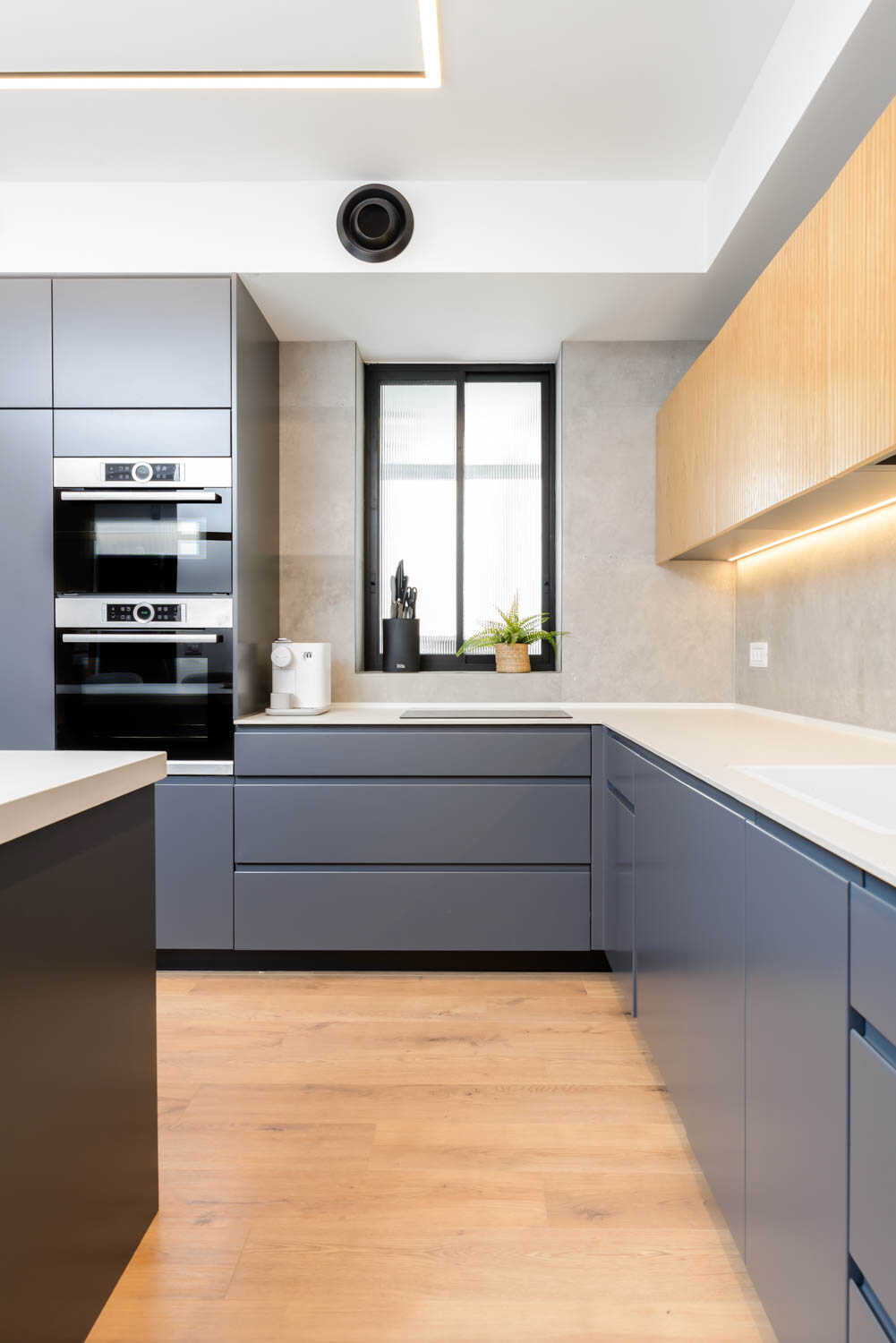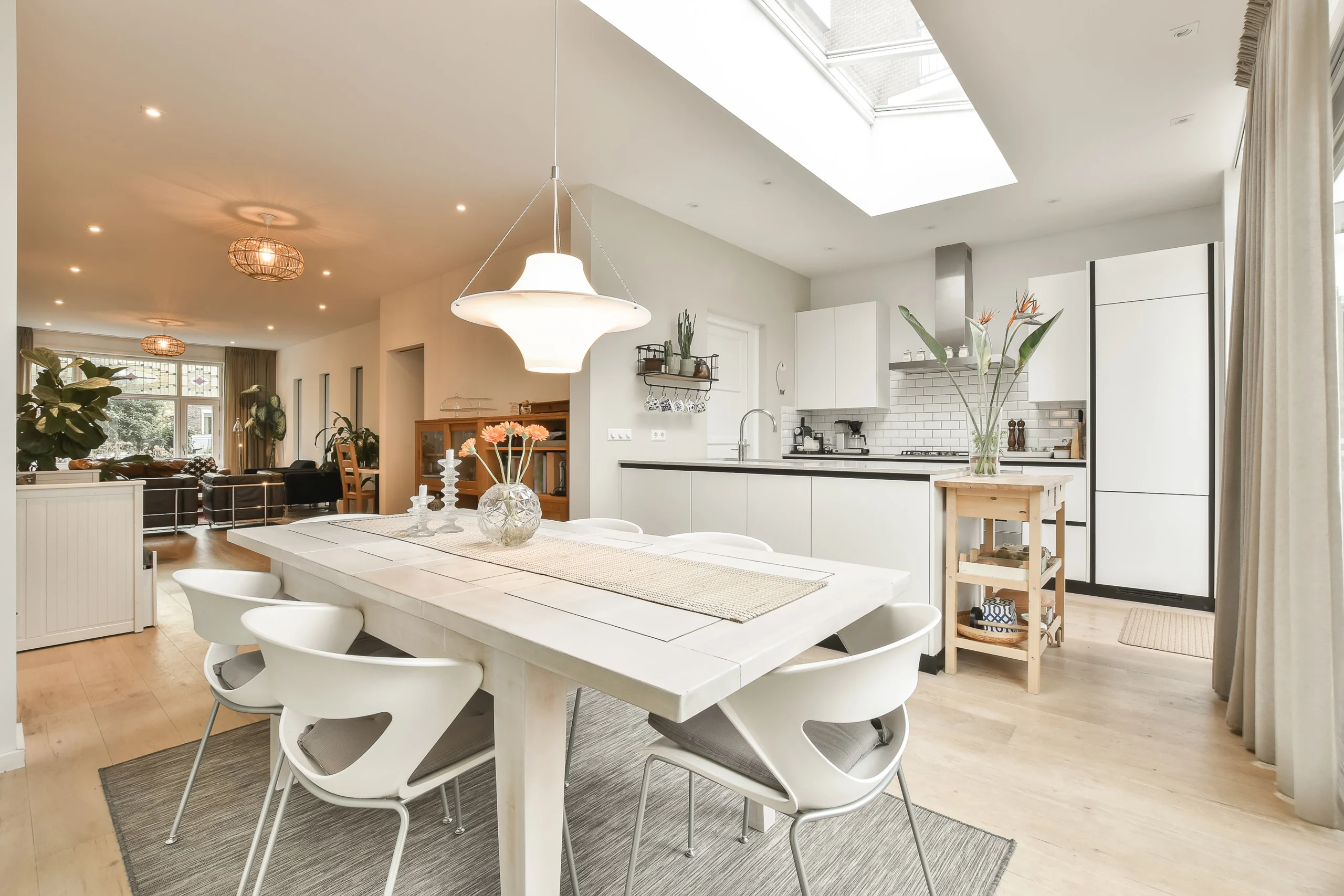


Okay, let’s talk about a $50,000 home renovation in San Jose. Because if you’re reading this, you’ve probably gotten a few quotes, felt your stomach drop, and are now wondering if that number is even possible, or if you’re just being naive. You’re not naive. It’s tight—really tight—but it’s not a fantasy. It just requires a level of realism and strategy that most TV shows never show you.
Key Takeaways
A $50k full-home renovation in San Jose is a reallocation, not a re-creation. Success means prioritizing systems and structure over surface-level finishes, accepting significant DIY or project management roles, and understanding that “full home” likely means “phased” or “essential updates only.” Unforeseen issues in our older housing stock are your single biggest budget threat.
What does a $50,000 “full home” renovation actually mean here?
In many markets, $50k might get you a nice kitchen. Here, it defines a specific type of project: the Essential Systems & Livability Overhaul. We’re not talking about opening walls for open-concept dreams or installing Italian porcelain. We’re talking about making the home safe, functional, and updated in a way that prevents future catastrophe and provides a clean, modern baseline to live in. The goal isn’t luxury; it’s eliminating major pain points and adding years of reliable service to the property.
The San Jose Reality Check: Where Your Money Vanishes
Before we allocate a dime, you have to understand the forces working against that $50,000 figure.
- The Age Factor: A huge portion of San Jose’s housing stock is mid-century. That means potential knob-and-tube wiring, galvanized plumbing that’s at end-of-life, insufficient insulation, and foundation settlements that are normal for the area but costly to address.
- The “While We’re At It” Tax: This is the killer. Opening a wall for electrical work reveals substandard framing that needs remediation to meet code. Pulling up flooring uncovers uneven subfloor. Each discovery isn’t just an add-on; it’s a mandatory path to a permit sign-off.
- Labor & Permit Costs: We have some of the highest skilled labor rates in the country. The permit process, while necessary for safety and value retention, adds time and cost. For a project this size, permits and professional plans alone can eat $5,000-$10,000 before a single hammer swings.
The Non-Negotiable Allocation: The “Boring” Stuff First
With a limited budget, the most important decision is what you won’t do. Glamorous items must be deferred. Here’s where the money has to go first:
- Structural & Shell Integrity (Foundation, Roof, Windows): If there’s active water intrusion, foundation failure, or a roof at 30 years, nothing else matters. This is your first call. A full roof replacement on a standard home can consume half your budget instantly.
- Core Systems (Electrical, Plumbing, HVAC): Updating from a 100-amp to a 200-amp electrical panel, repiping from galvanized to PEX/copper, or replacing a failing furnace are unsexy but critical. They prevent fires, water damage, and provide basic modern comfort.
- Health & Safety (Mold, Asbestos, Ventilation): In older homes near areas like the Rose Garden or Willow Glen, asbestos flooring or lead paint are common. Remediation is non-optional and expensive. Proper bathroom and attic ventilation is also a must to prevent future mold.
A Realistic $50k Budget Breakdown (The Phased Approach)
Trying to do everything at once will blow your budget. A phased plan is realistic. Assume you handle all design, sourcing, and project management yourself.
| Phase | Focus Area | Estimated Budget | Key Trade-Offs & Realities |
|---|---|---|---|
| Phase 1: Foundation & Systems | Electrical panel upgrade, partial replumb, critical roof repair, asbestos abatement if needed. | $20,000 – $28,000 | Zero cosmetic updates. You’re buying safety and preventing disaster. This phase is invisible when done well. |
| Phase 2: Kitchen & Bath “Refresh” | Not a full gut. New cabinet doors/drawer fronts, laminate countertops, budget-friendly flooring (LVP), repaint, and updated fixtures/faucets. | $12,000 – $18,000 | Layout stays identical. Appliances may be kept or sourced as scratch/dent. Custom tile work is minimal. |
| Phase 3: Livability & Finish | Interior paint (DIY), LVP flooring throughout, basic lighting upgrades, minor drywall repairs. | $4,000 – $8,000 | Material quality is mid-grade. You are the labor for painting and possibly flooring installation. |
The Professional vs. DIY Divide: A Practical Line
You cannot hire a general contractor to manage this entire $50k project traditionally—their overhead would consume too much. The hybrid model is essential.
- You Manage, They Execute: You become the general contractor. You pull permits (with guidance), source materials, and hire individual licensed trades (electrician, plumber) for specific tasks. This saves 15-25% but demands immense time, knowledge, and stress tolerance.
- Where to Never DIY: Electrical service, major plumbing, structural work, and asbestos abatement. The risk and liability are too high. A botched job can invalidate insurance and create a sale-killing disclosure nightmare.
- Where DIY Saves the Budget: Demo, painting, flooring installation, trim work, landscaping, and final clean-up. Renting a dumpster from a local yard and doing your own demo can save thousands.
When This $50k Plan Isn’t Right For You
This approach is a grind. It’s not for everyone. If the following is true, you need to save more or adjust scope:
- You want an open-concept layout. Moving walls involves engineering, structural headers, and rerouting HVAC/electrical. It’s a $20k+ endeavor on its own.
- You cannot tolerate dust or disruption for 6+ months. Phasing means living in a construction zone for an extended period.
- You discover major foundation or roof issues. If Phase 1 quotes come in at $40k, the plan is dead. You must re-evaluate.
The Local Insight: Working With What We Have
In San Jose, a lot of this work is about bringing a solid but sleepy home up to modern functionality. We see a lot of the same scenarios: the 1950s ranch in Cambrian with the original plumbing, or the 1970s tri-level in Evergreen with aluminum wiring. The homes are often well-built but time-worn. The goal isn’t to make them look brand new from the studs out, but to extend their life and livability with smart, targeted investments. Sometimes, that means for the fancy quartzite countertop you saw in that model home off 280 and choosing a durable laminate instead, so you can afford the new PEX plumbing that will last 50 years.
Making the Decision
A $50,000 full-home renovation in our area is less about transformation and more about prudent stewardship. It’s a financially sensible path if your home’s core is sound but tired. It requires you to be hands-on, patient, and value-engineer every decision. For many homeowners we speak to, it’s the right choice to improve their daily life without overcapitalizing for the neighborhood. The final result won’t be in a magazine, but it will be a safer, more comfortable, and more efficient home—and that’s a win worth budgeting for. If looking at this plan feels overwhelming, having a local professional like us at D&D Home Remodeling provide a consultation to help you prioritize these phases can be the best $500 you spend, just to get a clear, experienced roadmap.
Related Articles
People Also Ask
The 70-10-10-10 budget rule is a simple framework for managing personal finances. It suggests allocating 70% of your after-tax income to living expenses, such as housing, food, and utilities. The remaining 30% is split into three equal parts: 10% for savings, 10% for investments, and 10% for charitable giving or personal debt repayment. This rule helps homeowners, especially those planning renovations, maintain financial balance. For example, if your project costs exceed your 70% living expense allocation, you might need to adjust your budget or timeline. D&D Home Remodeling recommends using such a rule to ensure your home improvement goals align with your overall financial health, preventing overextension while still achieving quality upgrades.